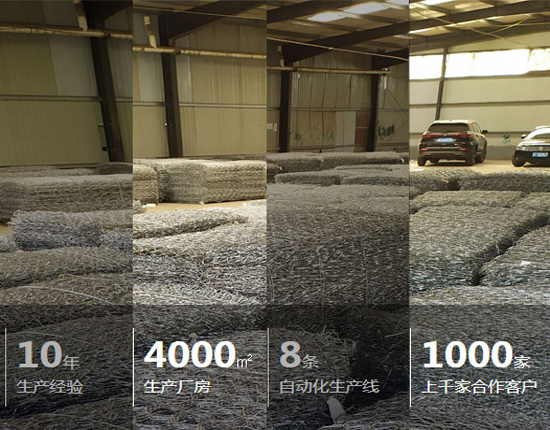














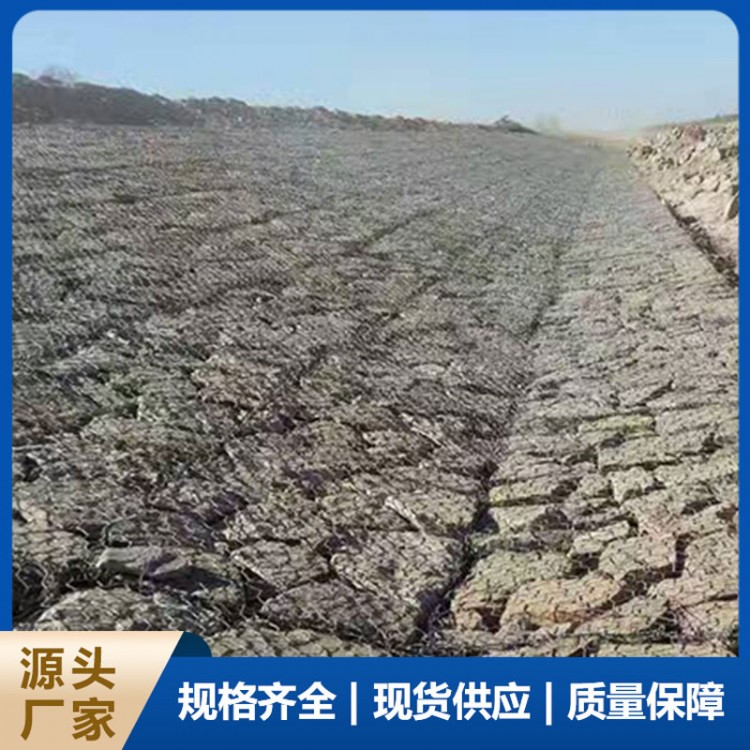
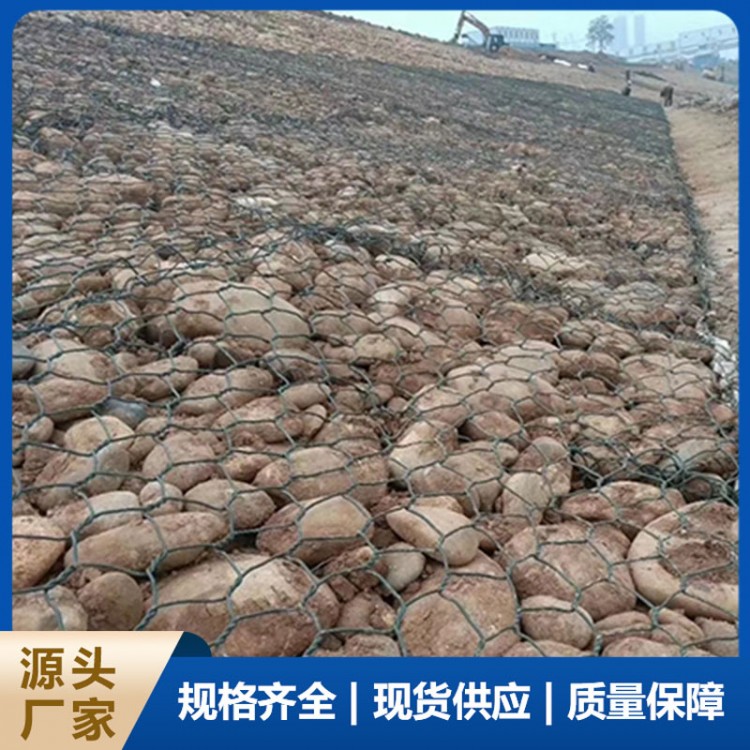
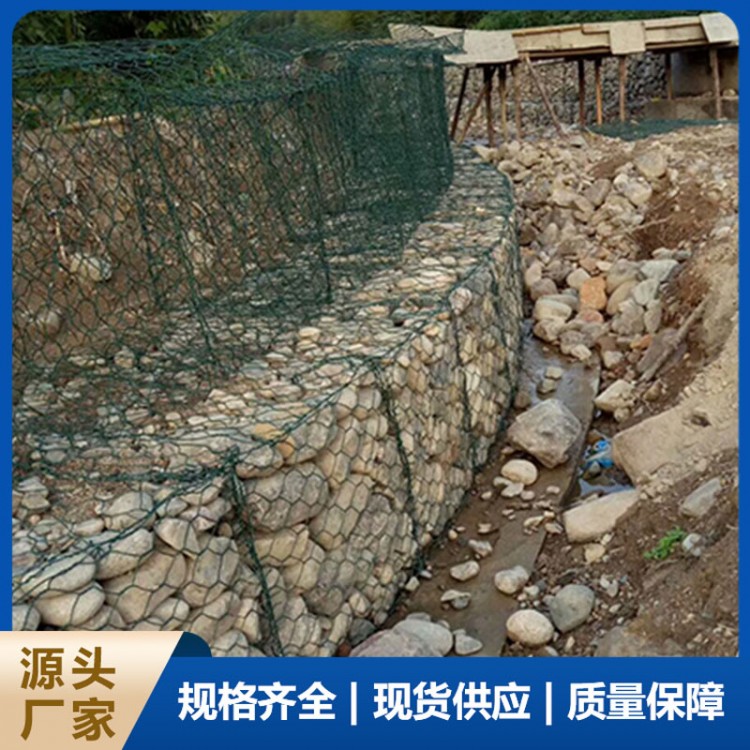
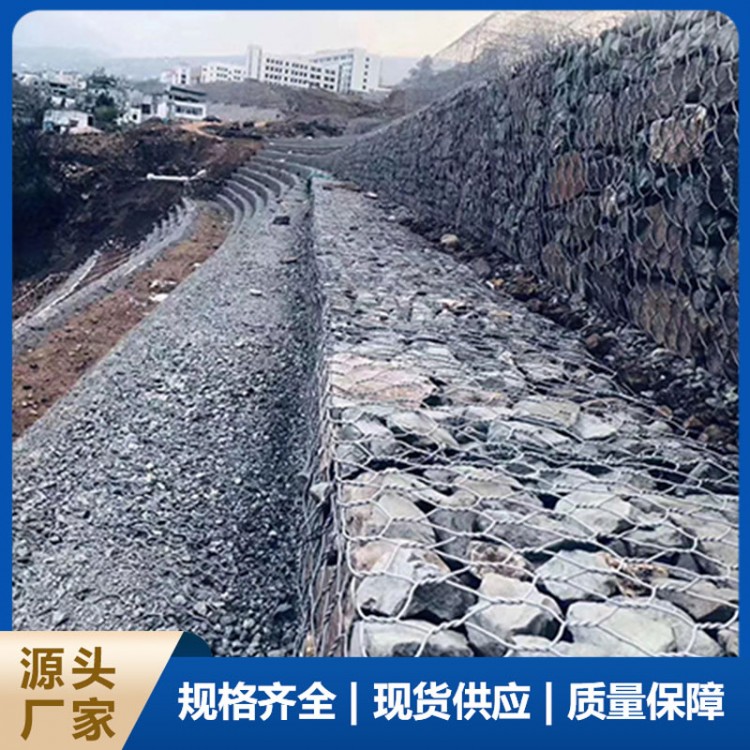
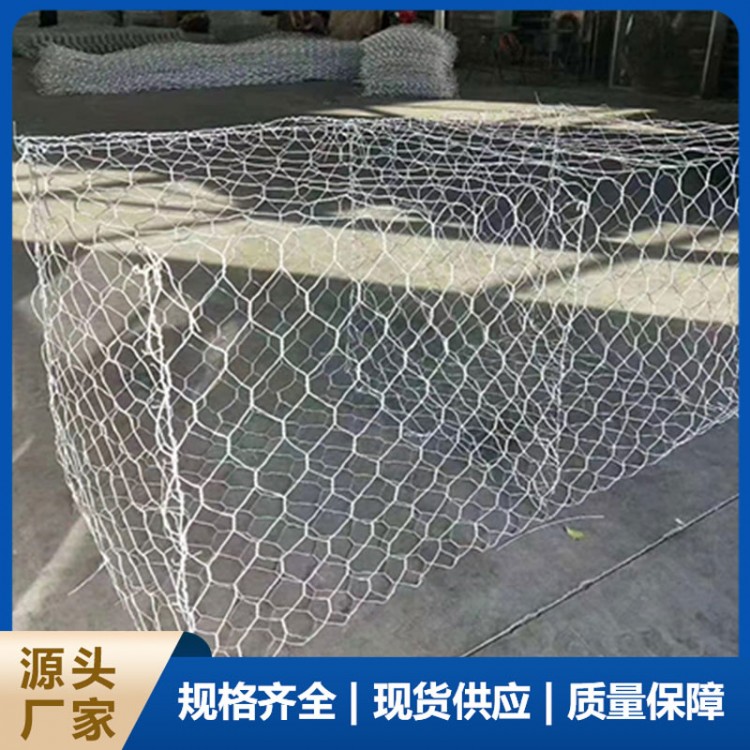
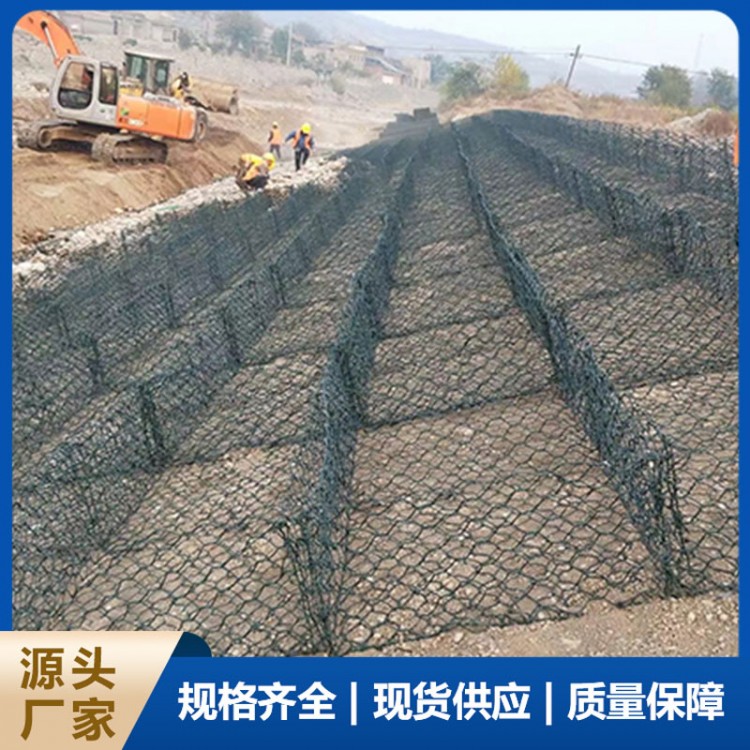
Gabion mesh is an ecological grid layout. Originating from the bamboo baskets in China over 2,000 years ago, it has now evolved into a new style of ecological grid layout, utilizing advanced technology, skills, and materials. It has successfully been applied in hydraulic engineering, road, railway engineering, and embankment maintenance projects. It effectively integrates engineering layout with ecological environment. Compared to some traditional rigid layouts, it has its own advantages, thus becoming a layout type for comprehensive environmental maintenance, including riverbed maintenance, slope management, prevention of mud and rock flows, and avoiding falling rocks. The English term for gabion mesh is "gabion."
The gabion mesh is made from high-corrosion-resistant, high-tensile, and ductile low-carbon steel wire, possibly coated with PVC, which is mechanically woven. The diameter of the low-carbon steel wire used complies with ASTM A 975 and EN10223 standards and varies according to engineering design requirements, typically ranging from 2.0 to 4.0mm. The tensile strength of the wire is not less than 38kg/m², and the metal coating weight is usually above 245g/m². The edge line diameter of the gabion mesh sheets is usually larger than the wire diameter. The length of the double twisted portion must not be less than 50mm to ensure that the metal and PVC coatings on the twisted wire are not damaged.
Product Use Analysis:
This layout is suitable for slope support, foundation pit support, mountain rock surface mesh spray, slope vegetation (beautification), and railway and expressway barrier nets. It can also be made into boxes and net pads, used for erosion protection and maintenance of rivers, embankments, and sea dykes, as well as for fish trap nets in reservoirs and rivers.
● Controlling and guiding rivers and floods - The severe disaster of rivers is the erosion that damages riverbanks, causing numerous floods, resulting in significant losses of life, property, and soil erosion. Therefore, the use of the ecological grid layout becomes one of the solutions for dealing with these issues, as it ensures the **sustainable maintenance** of riverbeds and riverbanks.
Habitat River Management with Gabion Net
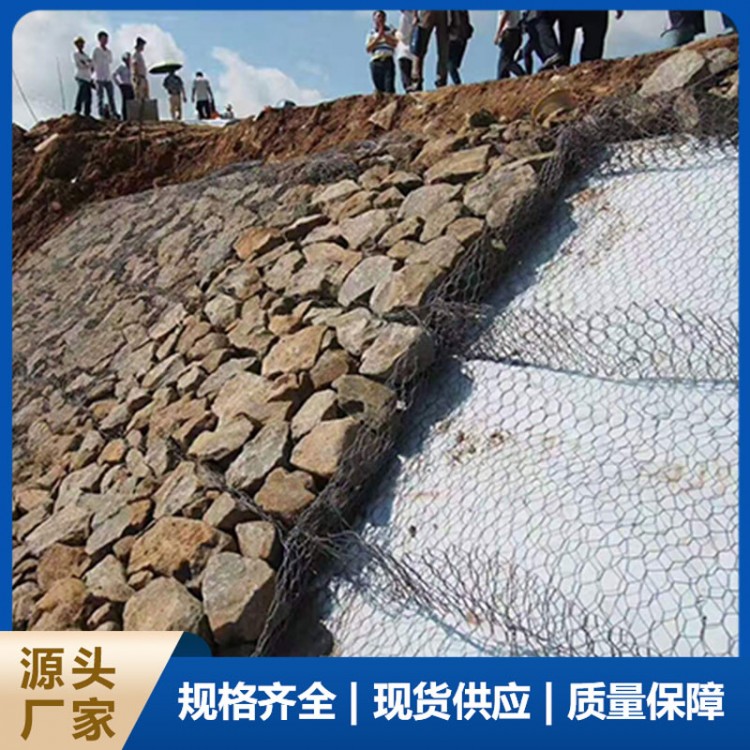
The structures in place involve the stability of slopes and riverbeds. Therefore, the use of ecological mesh layouts, which have been the primary method for many natural river transformations and artificial channel excavations over the past century, is chosen. It provides effective **protection** for riverbanks or riverbeds, and it also has the function of controlling water flow and preventing water loss, especially in terms of environmental protection and water quality maintenance, where it exhibits **remarkable** effects.
Riprap Mesh for Slope and Bank Protection
The layout of ecological mesh has proven to be a successful model in riverbank protection and slope foot defense, fully leveraging the advantages of the ecological mesh to achieve ambitions that other methods cannot fulfill.
WeChat Official Account

Scan to follow Official Account