















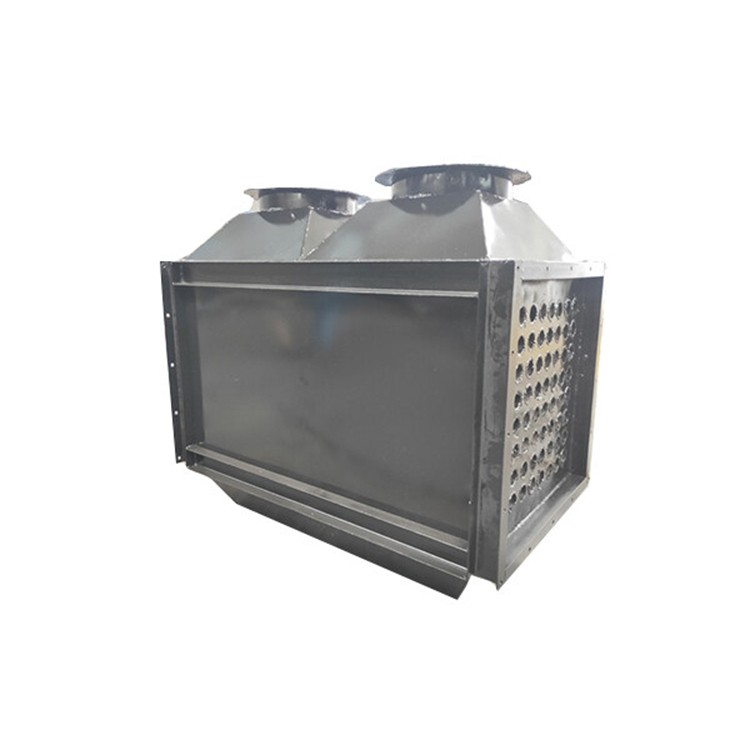
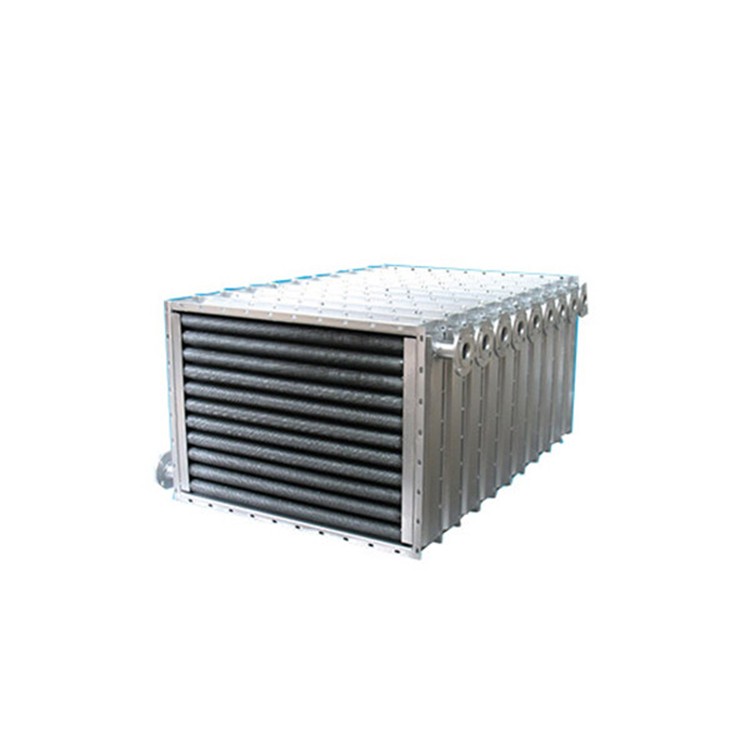

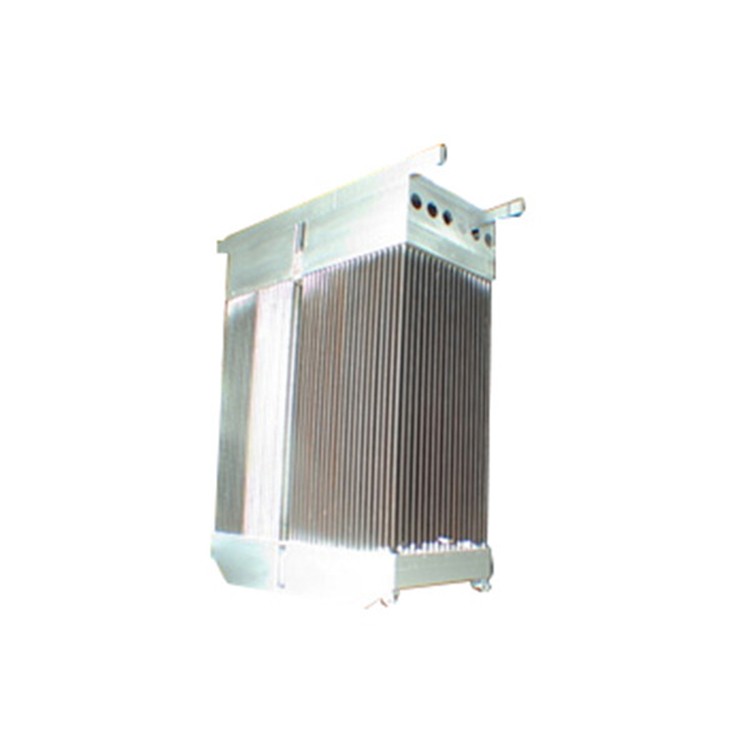

Laser Welded Finned TubeFor residential wall-hung boilers and industrial boilers, utilizing German technology, this is a relatively new trend in China but has a history of over a decade in Europe. Its advantages include zero thermal contact resistance, larger fin-to-plate ratios compared to high-frequency welding, lighter weight, and compact assembly of heat exchangers, which are more energy-efficient and environmentally friendly, meeting national emission standards.
DomesticFinned tubeA wide variety of types, mainlyHigh-frequency welded finned tubeAlthough it is more advanced in terms of product quality and production automation compared to methods like inlaying and brazing, high-frequency welded finned tubes still have many shortcomings in heat exchange efficiency and anti-dust accumulation due to factors such as difficulty in welding through the root and the presence of folds. Considering these reasons and in response to the national policies on energy conservation and emission reduction,
Laser-welded finned tubes are a technologically advanced product, boasting irreplaceable advantages.
1: The base tube thickness ranges from 0.8 to 1.5mm, and the fin thickness from 0.3 to 1mm, significantly reducing material costs compared to other processes.
High penetration rate, preventing crevice corrosion, extending service life, and reducing thermal resistance in heat transfer.
3: Breakthrough material limitations, processing available with various materials.
4: Easy for secondary processing, can be directly coiled and bent.
5: The small heat-affected zone in welding and minimal metallurgical changes make it possible to process small-diameter finned tubes.



















