

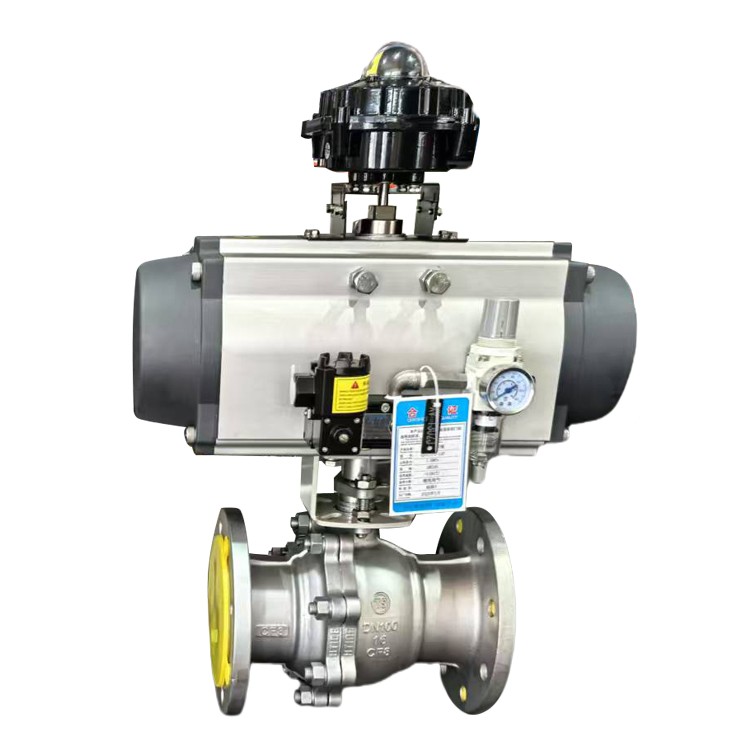















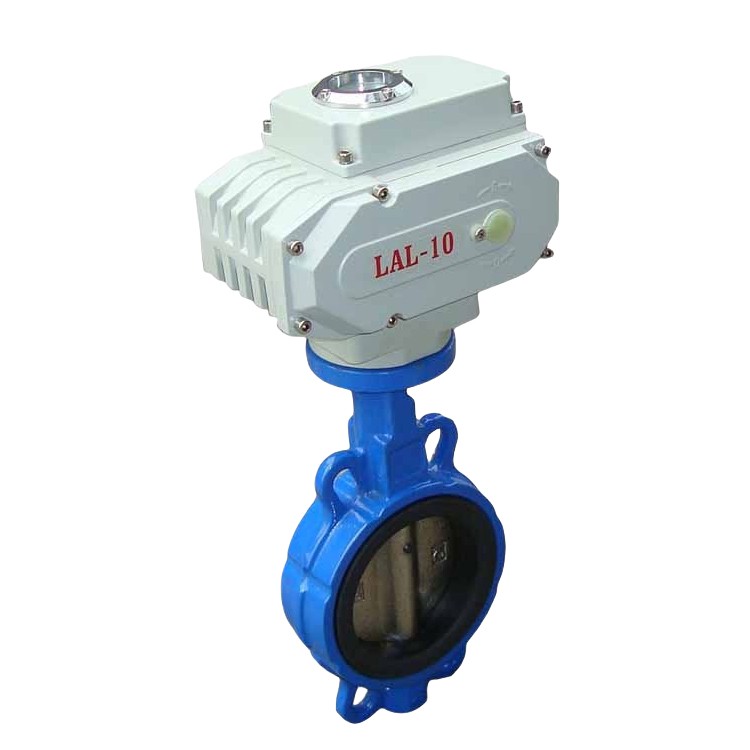
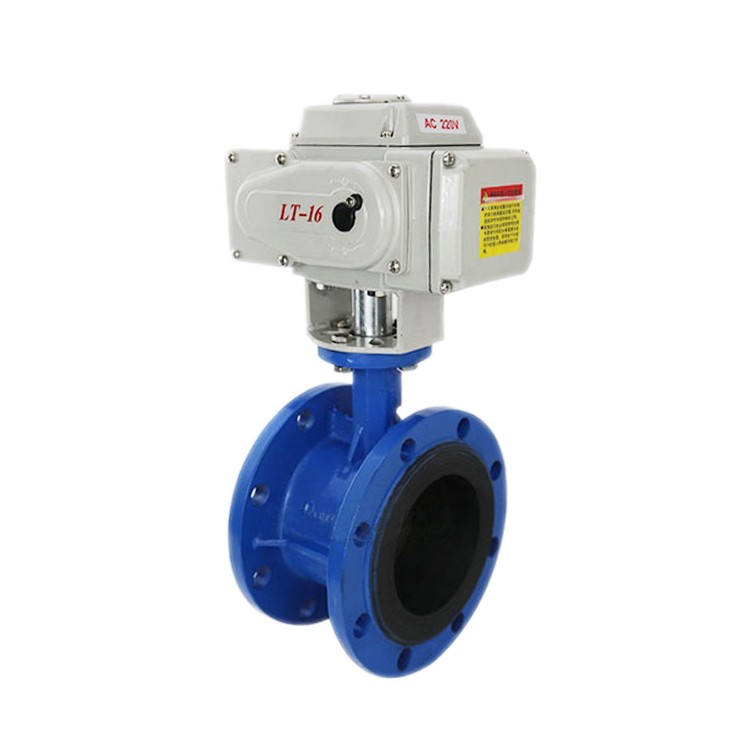
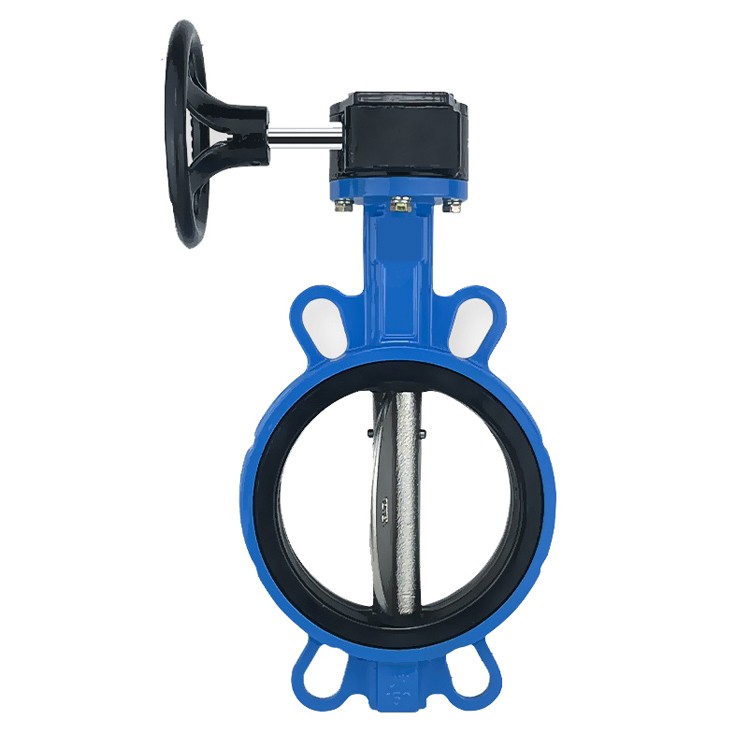

An air actuated ball valve is a valve assembly that combines a ball valve with an air actuator. It operates by using compressed air to rotate the ball within the valve body, thereby opening or closing the pipeline. When the passage on the ball aligns with the valve body's inlets and outlets, the valve is open and fluid can pass through; after the ball rotates 90 degrees, the passage becomes perpendicular to the valve body's inlets and outlets, closing the valve and stopping the fluid flow.
Structural Features
The pneumatic flanged ball valve features a compact structure, easy operation, and maintenance. The valve body can be either integral or modular, suitable for various working media including water, solvents, acids, and natural gas, as well as for media under harsh working conditions such as oxygen, hydrogen peroxide, methane, and ethylene. The pneumatic actuator typically includes cylinders, pistons, valves, and control elements, converting the energy of compressed air into mechanical kinetic energy upon receiving control signals, thereby driving the valve stem and the connected ball for rotation.
Application Scenario
Pneumatic flanged ball valves are widely used in the oil, chemical, power generation, papermaking, nuclear energy, aviation, and daily life industries. Their ability to quickly cut off and regulate flow makes them particularly important in industrial applications requiring rapid response. Moreover, pneumatic flanged ball valves are suitable for various fluid media such as gases, liquids, and steam, and can operate under different temperature and pressure conditions. The bore size range spans from a few millimeters to several meters.