



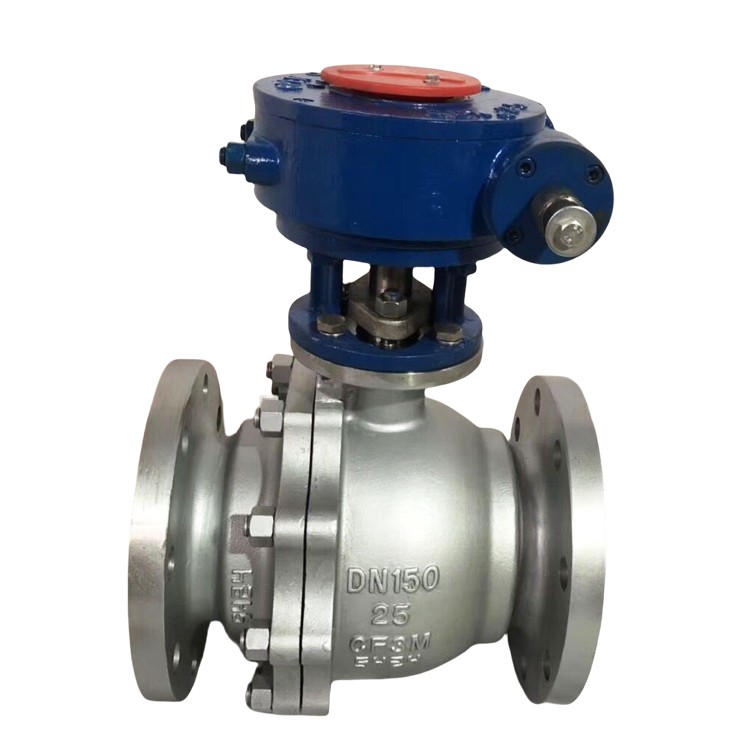















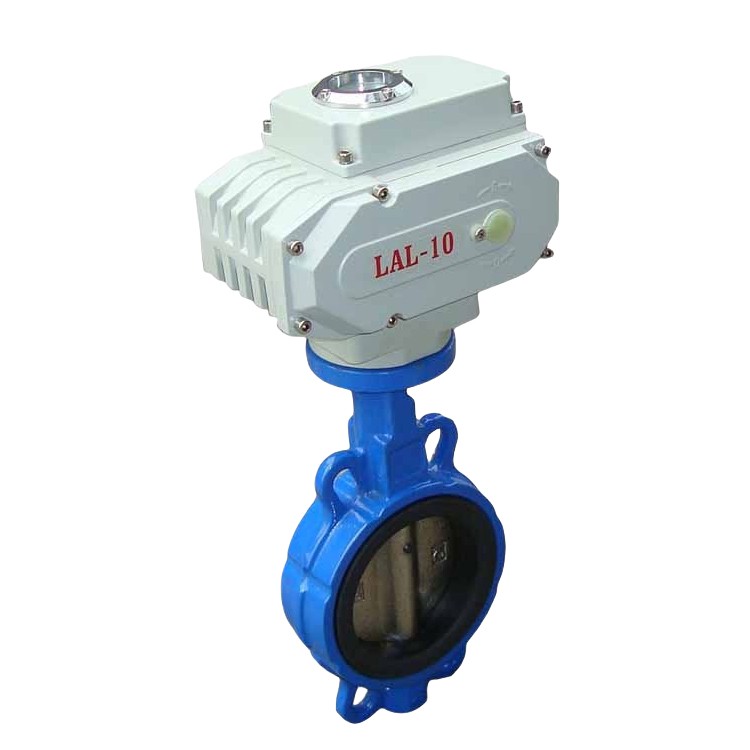
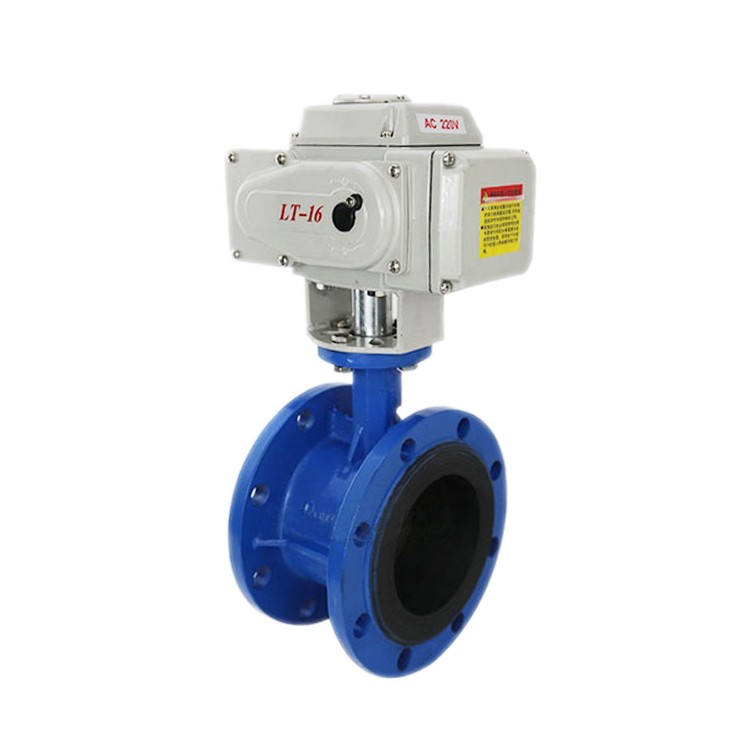
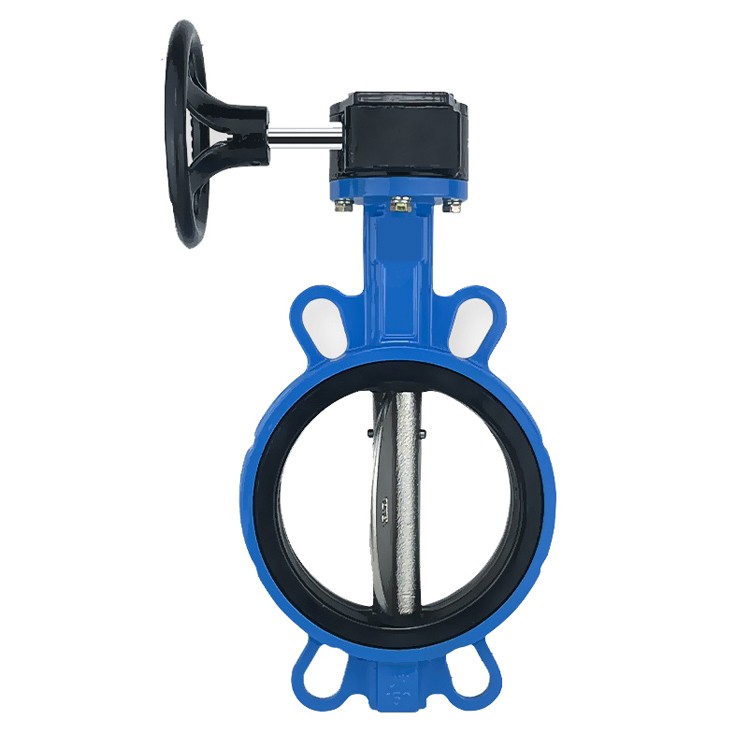

Turbine stainless steel ball valves are a crucial fluid control device, primarily used for regulating the flow of various fluid media. They operate by rotating the valve stem to turn the ball 90 degrees, thereby opening or closing the valve. These ball valves offer advantages such as simple structure, easy operation, and reliable sealing, and are widely used in the oil, chemical, power generation, papermaking, and aviation industries.
Structural Features
The Turbine Stainless Steel Ball Valve is primarily composed of the body, ball, stem, and seal ring, etc. It features a compact structure, small size, and light weight, making it easy to install and maintain. The ball and valve seat are sealed with a metallic or soft seal structure, ensuring excellent sealing performance and suitability for high-pressure and corrosive media.
Working Principle
When the valve stem rotates 90 degrees, the passage on the ball aligns or misaligns with the passage in the valve body, thereby opening or closing the fluid. This design allows for quick and easy operation of the ball valve, with only a 90-degree rotation needed to fully open or close.
Application Scenario
Turbo stainless steel ball valves are suitable for a variety of working media, including water, solvents, acids, and natural gas. Due to their excellent corrosion and wear resistance, they are also suitable for special media such as oxygen, hydrogen peroxide, methane, and ethylene. These ball valves are widely used in the oil, chemical, power generation, papermaking, aviation industries, as well as in people's daily lives.


















