



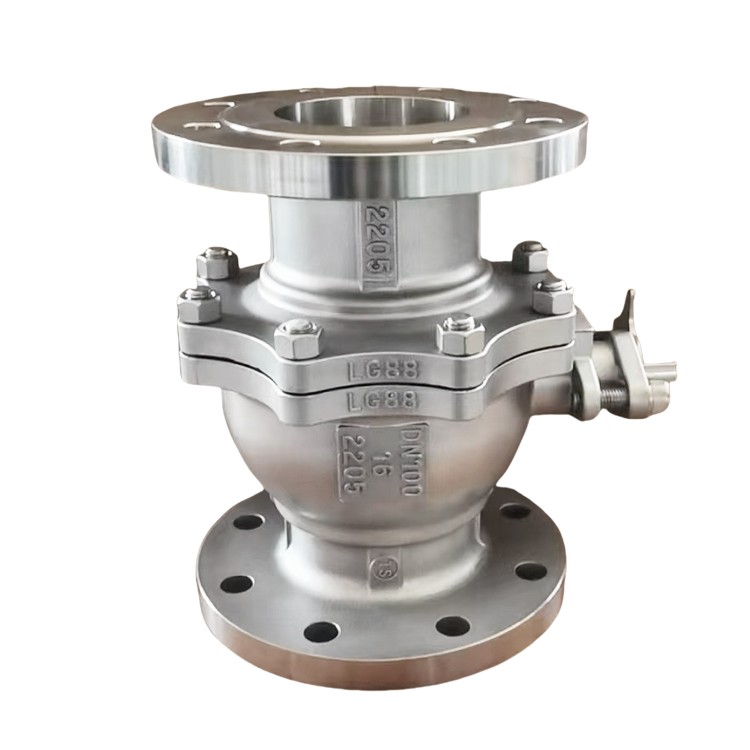

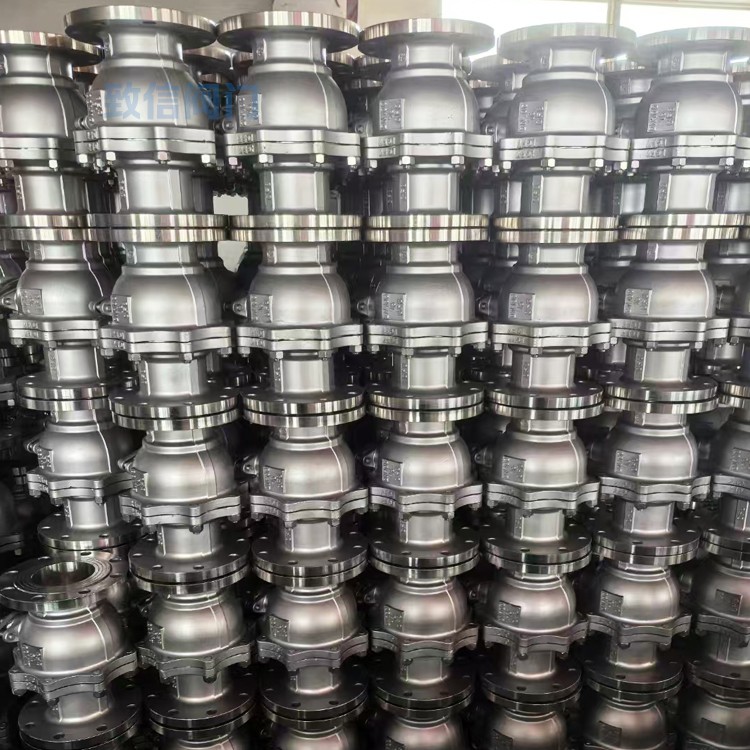















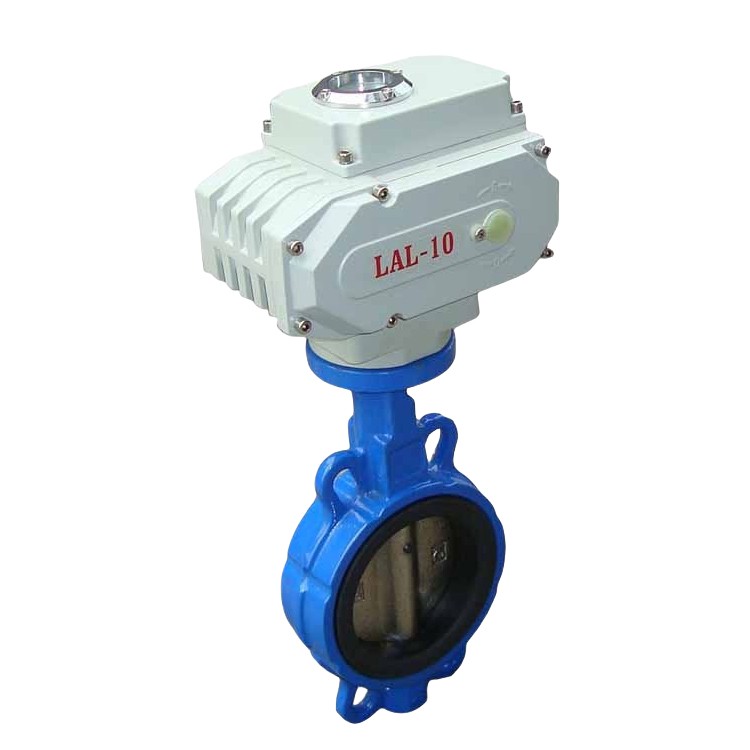
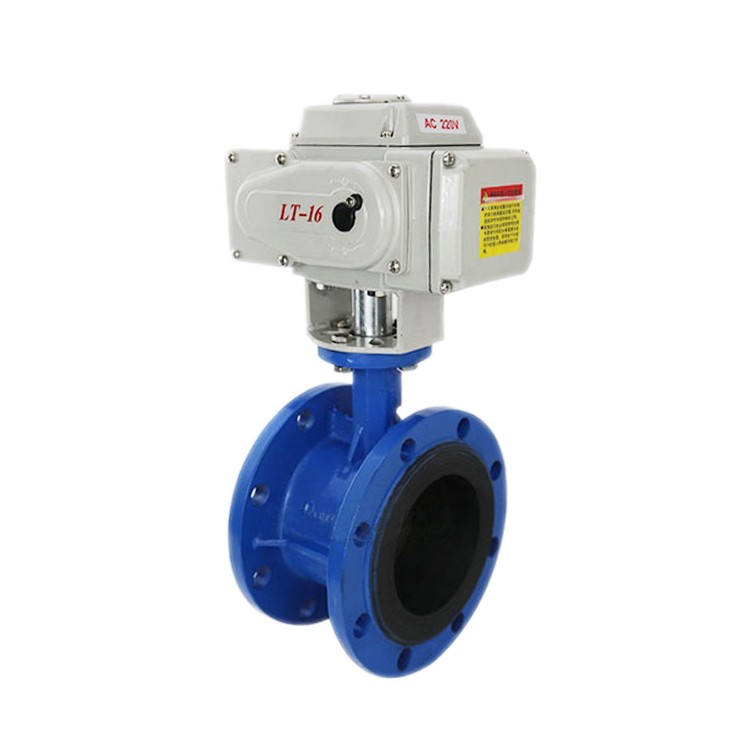
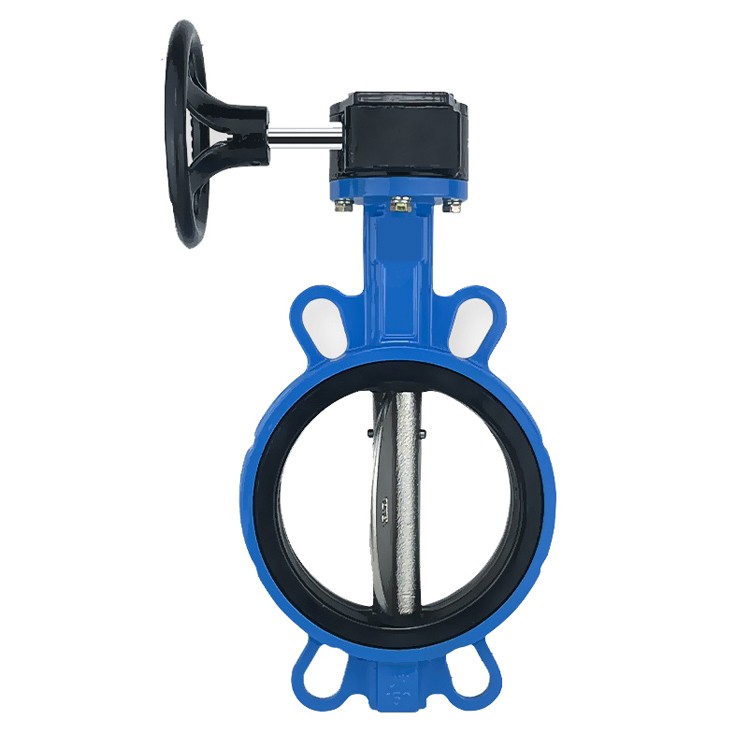

Stainless steel flanged ball valves are a crucial type of valve, primarily used for fluid control. Their basic structure consists of a spherical valve connected with a stainless steel flange, featuring flange connection plates at both ends. The working principle involves rotating the valve stem to open or close the valve, characterized by simple structure, compact size, and light weight.
Structure and Working Principle
Stainless steel ball valves are primarily composed of the valve body, ball, stem, and sealing ring. The ball rotates with the stem to achieve the opening and closing action. When the stem rotates 90 degrees, the passage on the ball aligns or misaligns with the passage of the valve body, thereby opening or closing the fluid. This design allows for quick valve operation and ease of use.
Material and Applicable Medium
The body material of stainless steel ball valves, typically 304, 316, or 316L, is suitable for various media such as water, oil, steam, gas, and corrosive liquids. Its corrosion and wear resistance enable it to maintain stable performance under harsh working conditions.
Application Fields
Stainless steel flanged ball valves are widely used in the oil, chemical, power, environmental protection, water conservancy, heating, water supply and drainage, industrial, and mechanical fields. Due to their excellent performance and broad application scope, stainless steel flanged ball valves play a crucial role in these industries.


















