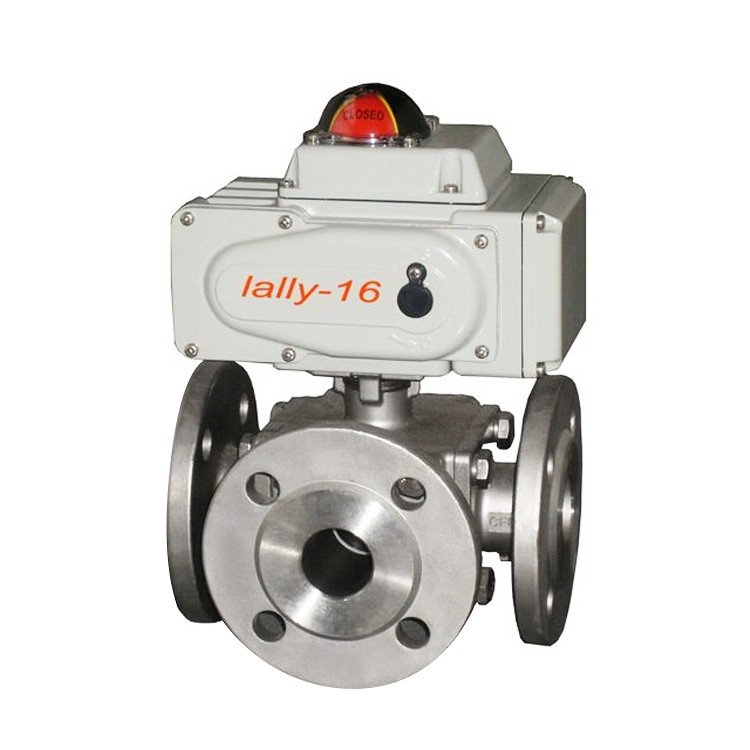

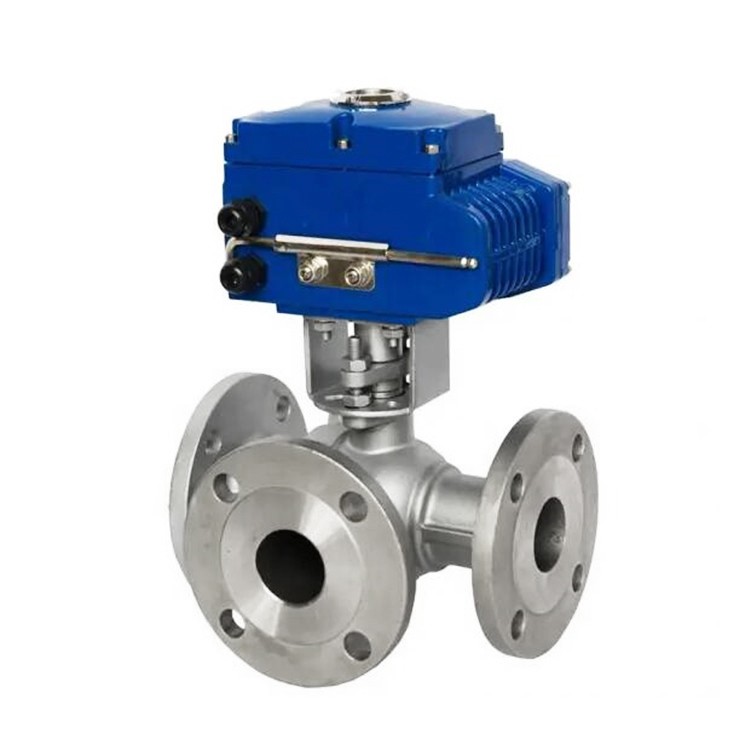














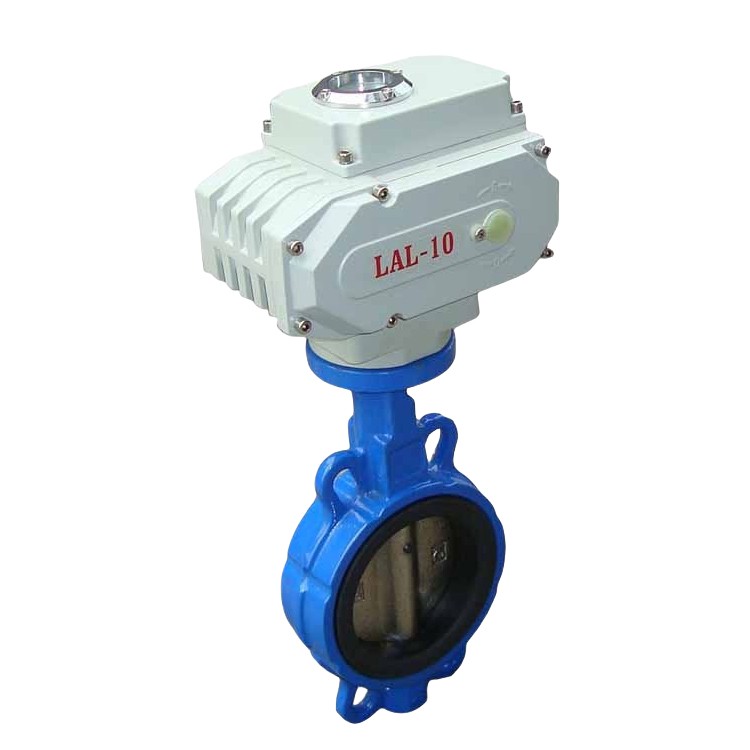
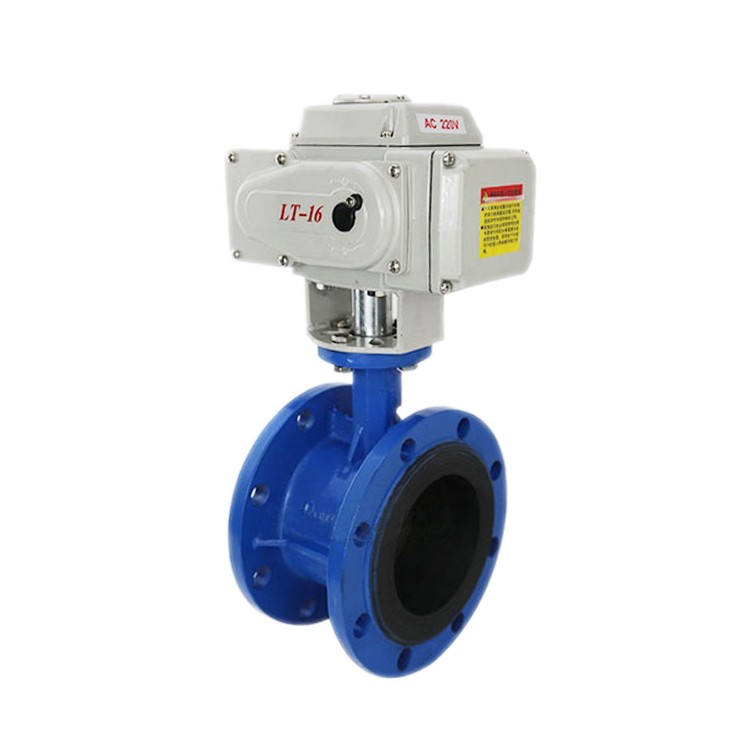
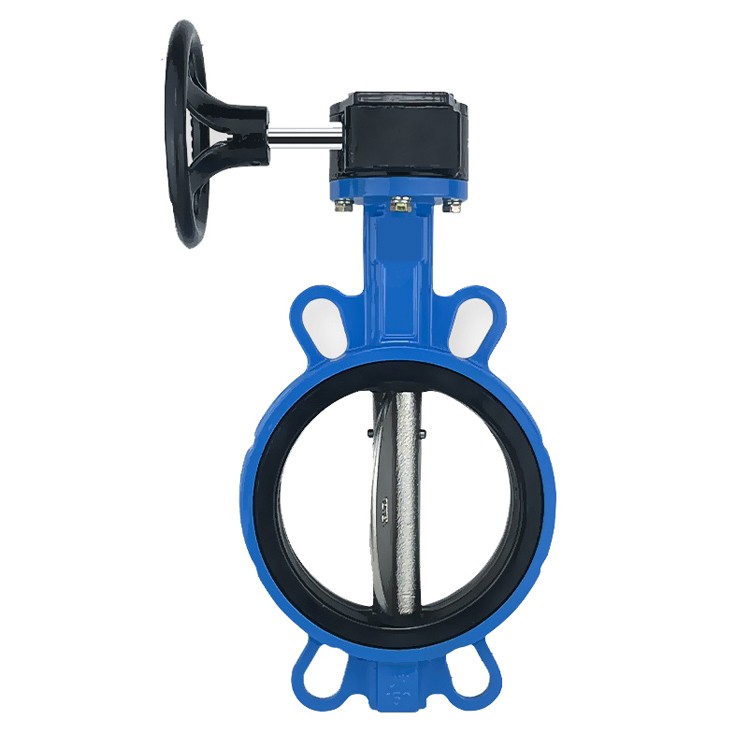

An electric three-way ball valve is a valve that switches or distributes the flow of medium in a pipeline by rotating the ball through an electric actuator. It typically consists of an electric actuator and the three-way ball valve body, which rotates the valve stem upon receiving control signals, thereby moving the ball within the valve body to achieve分流, 合流, or flow direction changes.
Working Principle
The working principle of the electric three-way ball valve is based on the rotation of the ball. When the electric actuator receives a control signal, it drives the valve stem to rotate, thereby moving the ball within the valve body to rotate. The rotation path of the ball intersects or separates from the inlet and outlet channels of the valve body, thereby controlling the flow direction of the medium. Depending on the different rotation angles, it can achieve分流, 合流, or change the flow direction of the medium.
Structural Features
Compact and lightweight structure: easy to install and maintain.
Excellent sealing performance: The sphere and valve seat form a tight sealing surface, effectively preventing medium leakage.
High flow capacity: Suitable for controlling fluids with high viscosity and fibrous particulate matter.
Easy and Fast Operation: Achieved through electric actuators for remote or automatic control._
Types and Categories
Electrical three-way ball valves can be categorized into various types based on different sealing structures and orifice shapes:
Sealing Structure: Available in two-seater and three/four-seater sealing configurations. The two-seater structure is suitable for general applications, while the three/four-seater configuration offers enhanced sealing performance and flexibility.
Hole Shape: Available in L-shape and T-shape types. L-shaped holes connect two perpendicular pipes, while the other hole is cut off; T-shaped holes allow for the connection of three perpendicular pipes or the connection of two of the channels.
Application Fields
Electrical three-way ball valves are widely used in the automation control of pipelines for corrosive media such as gases, liquids, steam, and oils. Particularly in situations requiring frequent changes in medium flow direction or medium ratio adjustments, electrical three-way ball valves offer significant advantages.