


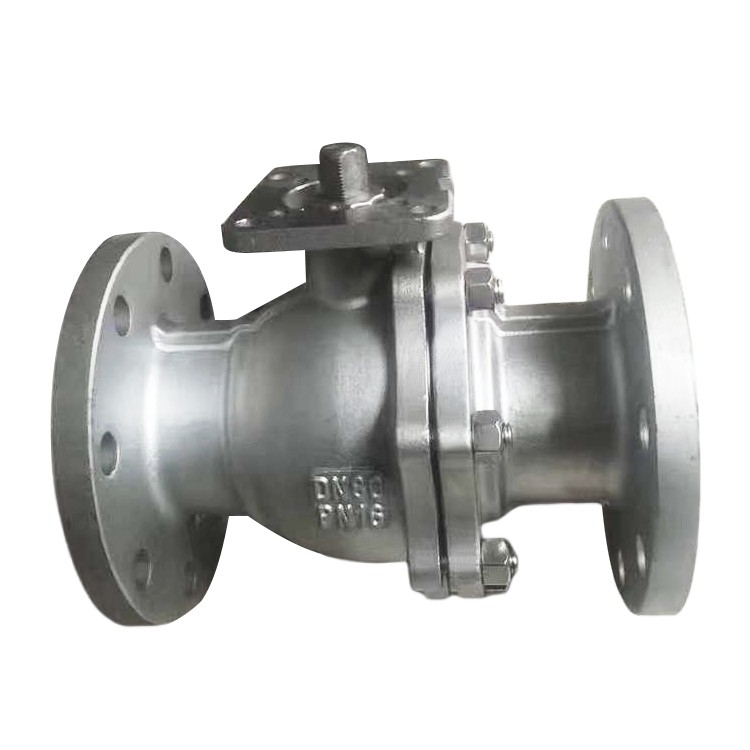
















A globe valve is a critical pipeline control device, primarily used for controlling the flow and direction of media. Its operating principle involves a valve stem rotating a ball, which executes a 90-degree rotation to control the media's passage. The ball can be either floating or fixed, forming a sealing surface with the valve seat to ensure that media leakage is prevented when closed.
Structural Features
Low fluid resistance: The flow path of the flanged ball valve is unobstructed, resulting in minimal resistance when fluid passes through and is less prone to pressure drop.
Simple structure: fewer components, compact size, lightweight, easy to install, maintain, and repair.
Excellent sealing: The sealing surface between the sphere and valve seat is made of material, ensuring reliable sealing and suitable for various mediums.
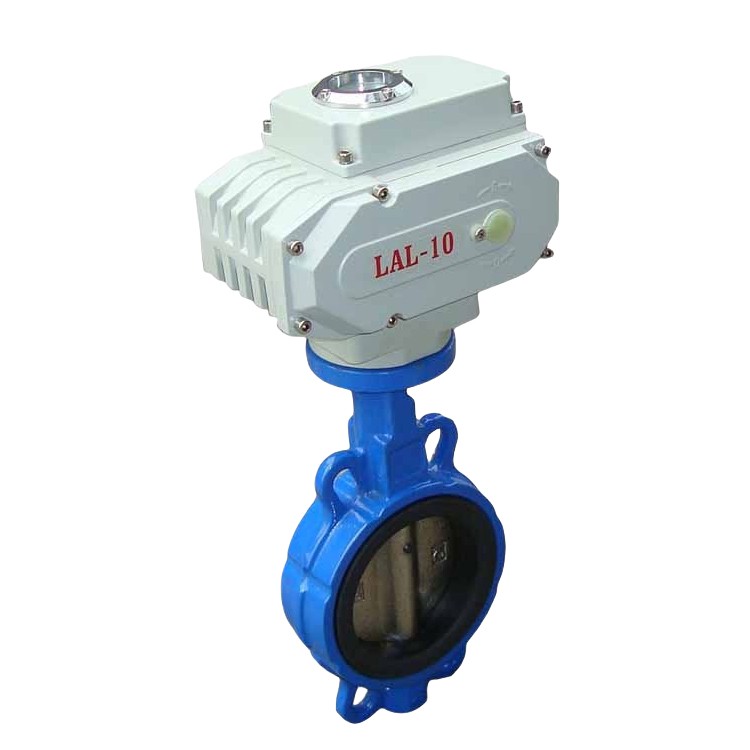
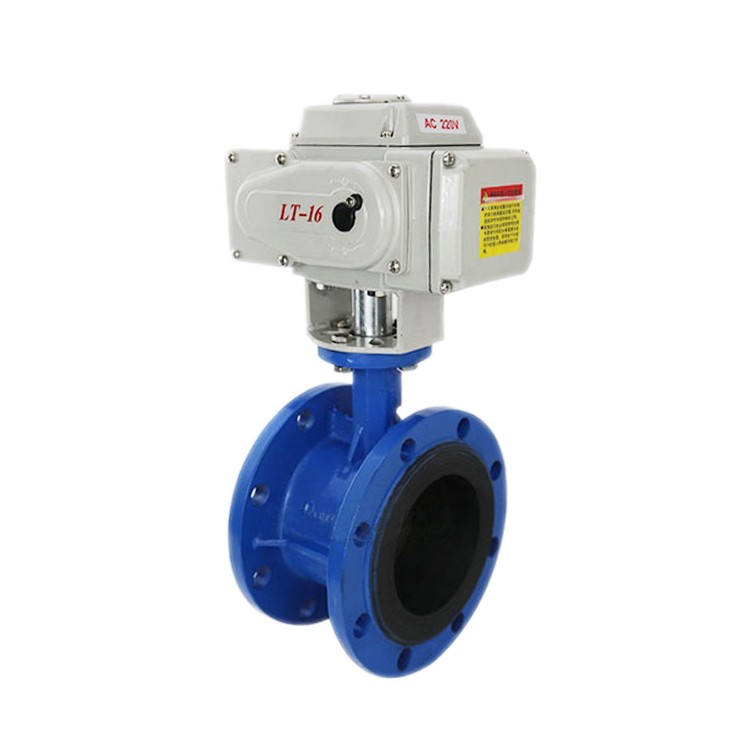
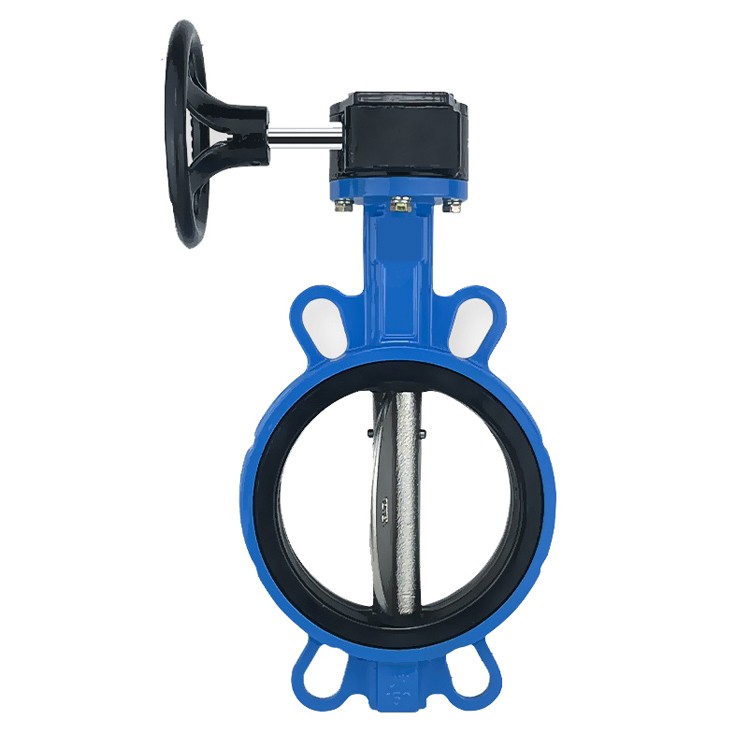
Easy Operation: Simply turn the handle or electric mechanism to open and close, with light operation and easy flow control._
Wide Application Range: Suitable for control and cutting of various media, with a nominal pressure range of PN1.0-32.0 MPa and a nominal diameter range of DN6-900.
Application Fields
Ball valves are widely used in the oil, chemical, natural gas, power, metallurgy, papermaking, food, and environmental protection industries, especially in high-pressure, high-temperature, and corrosive media where they play a crucial role.
Material Selection
Ball valves are generally manufactured from materials such as carbon steel, alloy cast iron, and stainless steel, which offer high corrosion resistance and wear resistance. The selection of the appropriate material and model should be determined based on factors such as the medium's properties, working pressure, and temperature.