



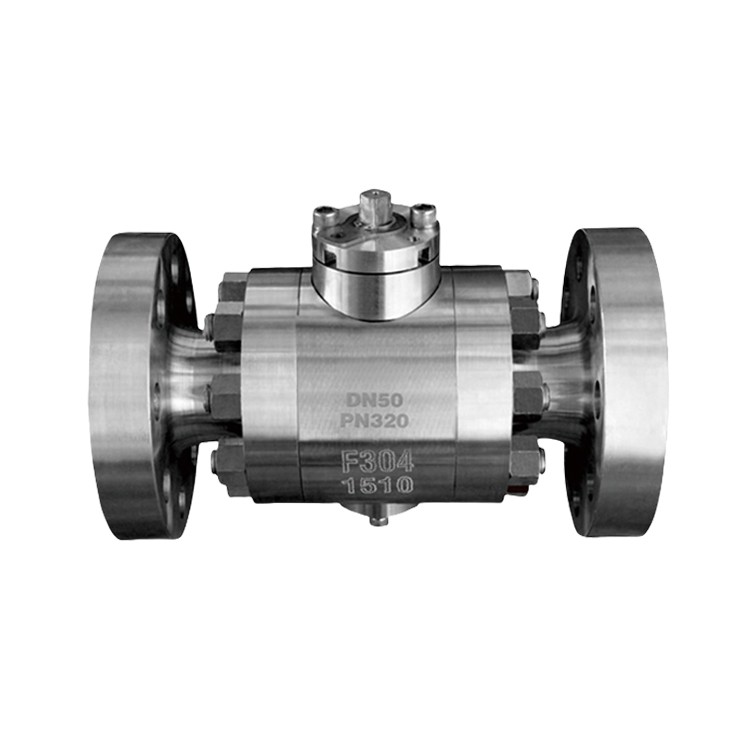















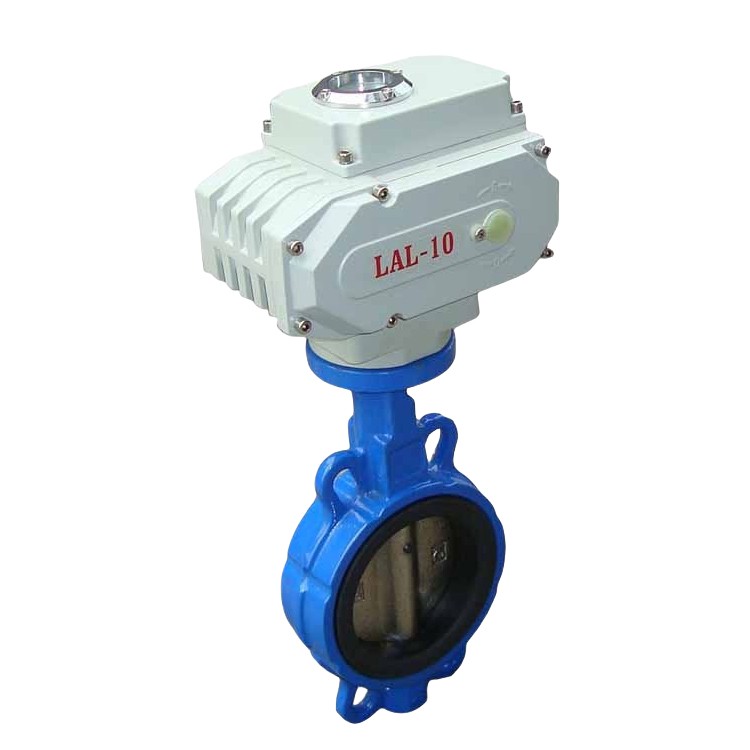
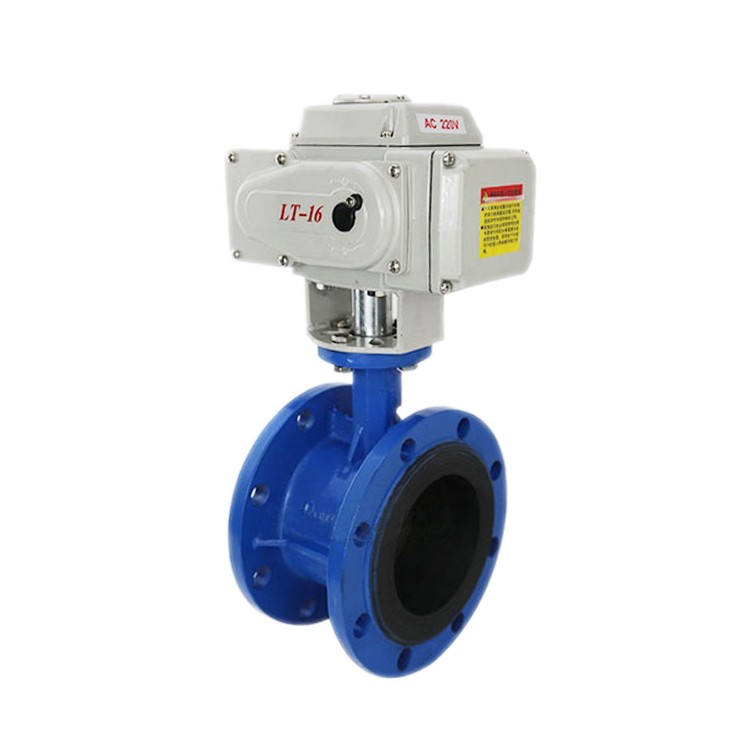
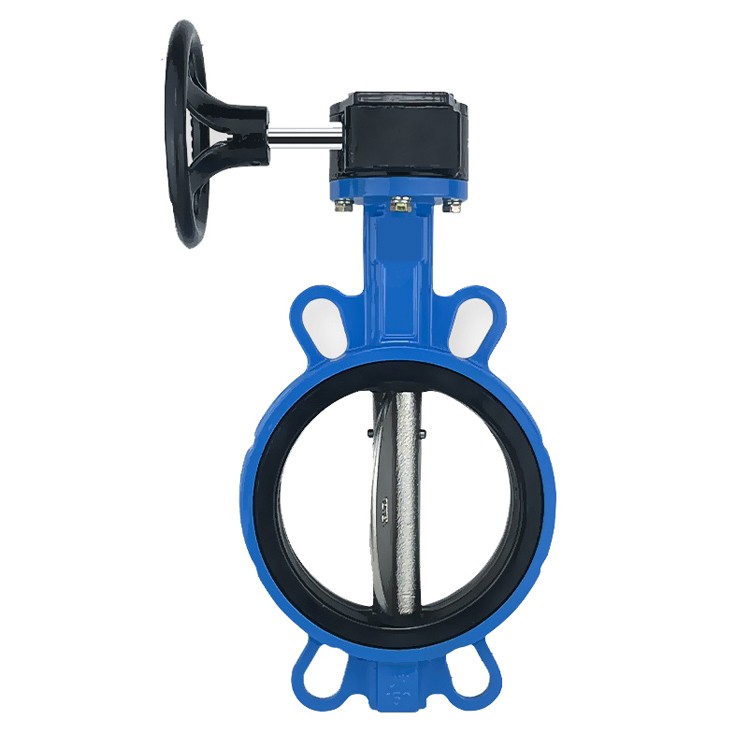

High-pressure forged steel ball valves are specifically designed for high-pressure pipeline systems, primarily used in long-distance pipeline transportation of oil, natural gas, and urban gas pipeline systems. Their design takes into account factors such as pipeline stress resistance, safety, weather resistance, and reliability for long-term use.
Working Principle
The working principle of a high-pressure forged steel ball valve is to control the opening and closing of the valve by rotating the valve stem. It is typically a full bore ball valve with a 90-degree angular switch, featuring a simple structure, compact size, available in large diameters, reliable sealing, and easy, agile operation.
Primary Material
The main materials of the high-pressure forged steel ball valve include:
Carbon Steel: Such as A105, WCB, with excellent mechanical properties and corrosion resistance.
Stainless Steel: Types 304, 316, 316L, suitable for corrosive media.
Alloy Steel: Such as A182 F11, A182 F22, suitable for high-temperature and high-pressure environments.
High-Temperature Alloy Steel: such as A182 F91, A182 F92, suitable for high-temperature service conditions.
Tantalum Alloys: such as Ta10, Ta2.5, suitable for special corrosive media.
Nickel-based Alloys: Such as Inconel 625, Hastelloy C276, suitable for high temperatures and corrosive media.
Features
High Pressure Resistance: Made of forged steel, it boasts exceptional strength and pressure-bearing capacity.
Corrosion-resistant: Balls and valve seats, etc., are made of special materials with strong corrosion resistance.
High-Temperature Resistant: Treated with special materials for use in high-temperature environments.
Seal integrity: The ball and valve seat have a tight seal fit, preventing medium leakage.
Operation lightweight: Simple structure, easy to install and maintain.
Application Fields
High-pressure forged steel ball valves are widely used in long-distance pipeline transportation of oil, natural gas, and urban gas pipeline systems. They are also suitable for other industrial pipeline systems, such as controlling fluids like air, water, and steam in thermal power plants.


















