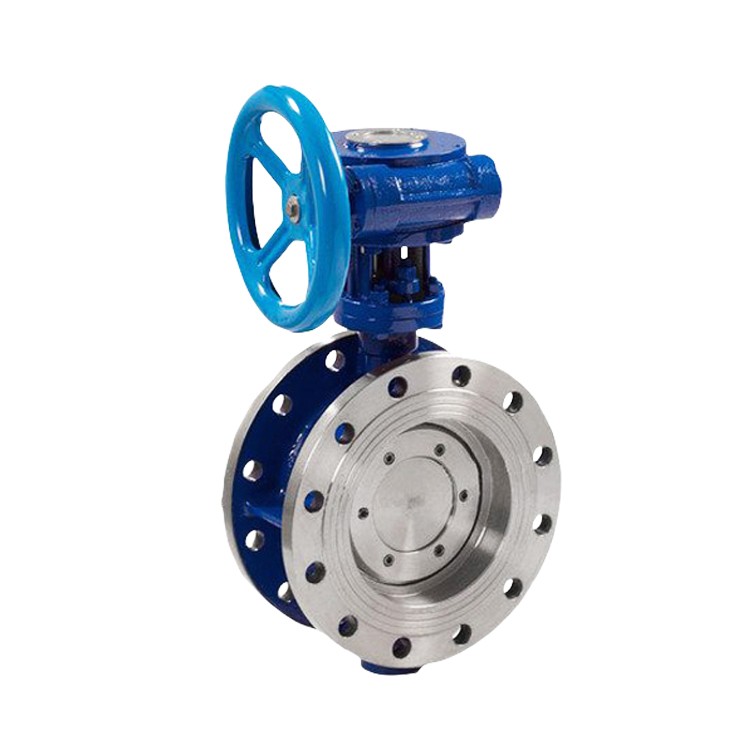

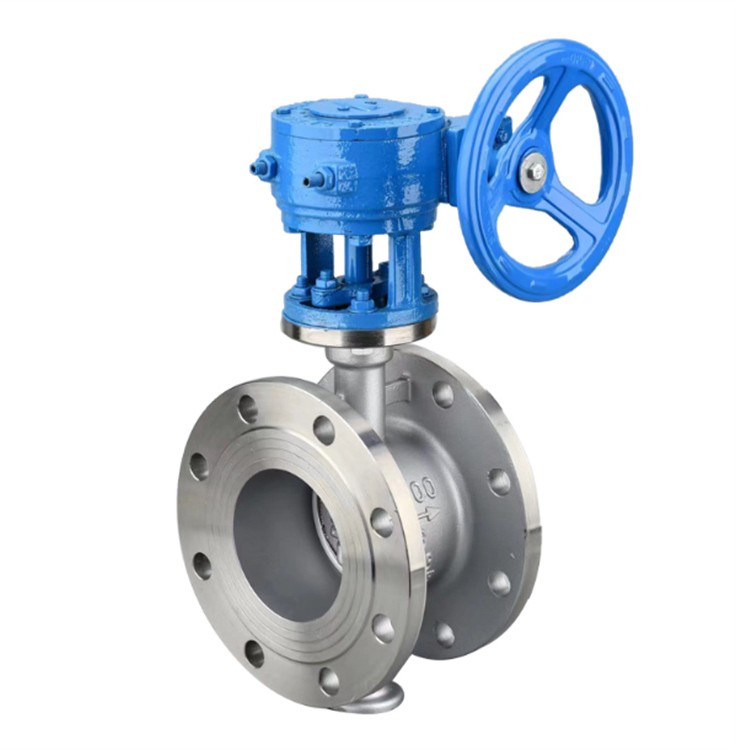
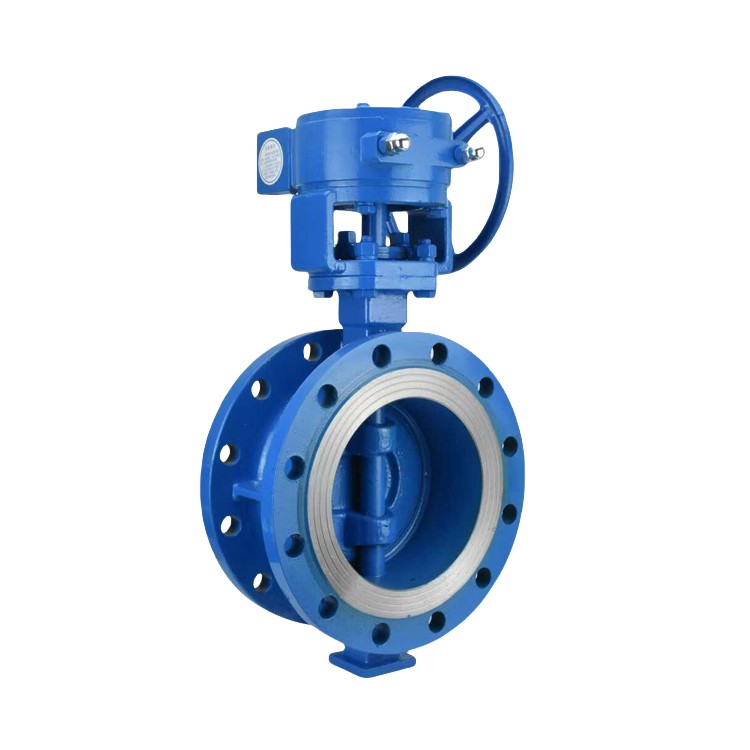















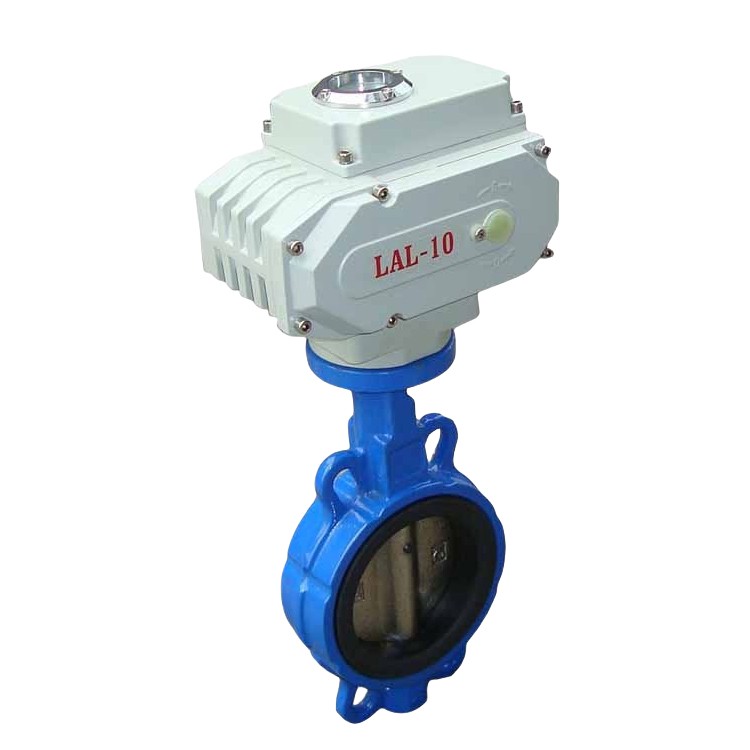
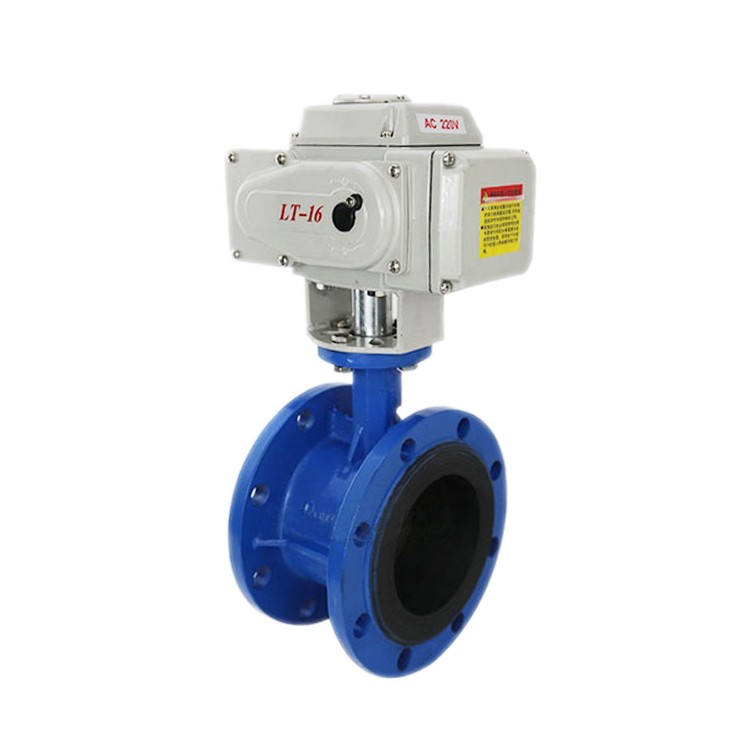
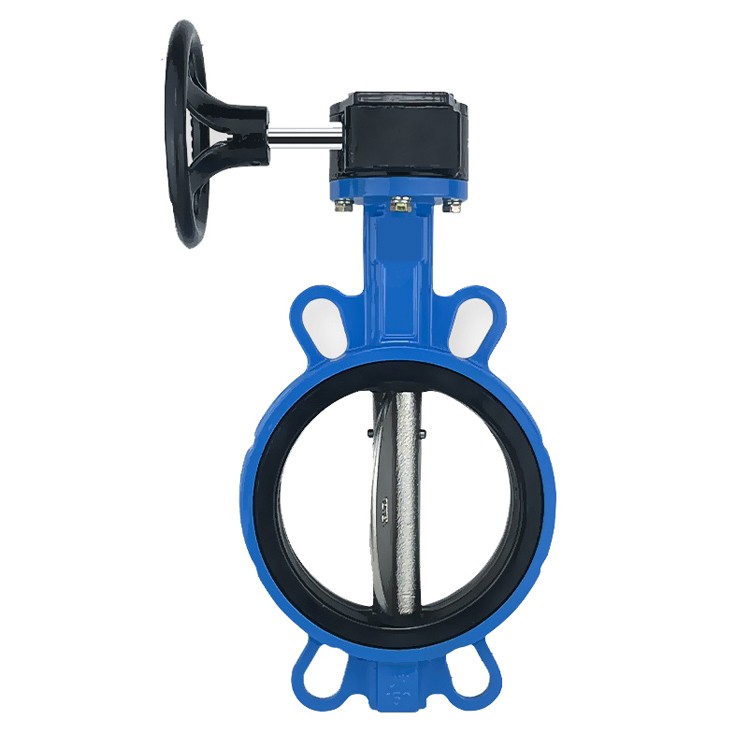

Turbo hard-seated butterfly valves are industrial pipeline equipment used for media temperatures ≤425°C, widely applied in metallurgy, power, petrochemical, water supply and drainage, and municipal construction fields. They are mainly used for regulating flow and cutting off fluids.
Working Principle
The Turbo Hard Seated Butterfly Valve operates by rotating the valve rod to move the butterfly plate, thereby opening and closing the valve. During rotation, the butterfly plate drives the valve seat to rotate as well, creating a seal between the plate and seat. When the butterfly plate rotates to 90°, the valve is fully open, at which point only the thickness of the plate presents resistance to the fluid flow, resulting in minimal flow resistance.
Structural Features
Sealing Surface Material: The sealing surfaces of the valve seat and butterfly plate are made from stainless steel of different hardness, offering excellent corrosion resistance and a long service life.
Seal Material: Made of stainless steel, featuring both metallic hard seal and elastic seal advantages, suitable for various temperature conditions.
Abrasive Material:蝶板密封面coated with cobalt hard alloy, wear-resistant._
Large-scale butterfly plate structure: Utilizes latticework design, offering high strength and low flow resistance.
Drive Unit: Multi-position installation for user convenience._
Application Fields
Turbine hard-seated butterfly valves are widely used in various media and operating conditions, including oil, natural gas, chemicals, power, iron and steel metallurgy, and wastewater treatment, among many other fields. They feature a reasonable design, compact structure, small size, and light weight, making them easy to install and operate. The sealing surfaces are precision machined and ground to ensure low leakage rates even under high differential pressures. The clever wedge design provides an automatic sealing function that tightens as it closes, achieving zero leakage.