



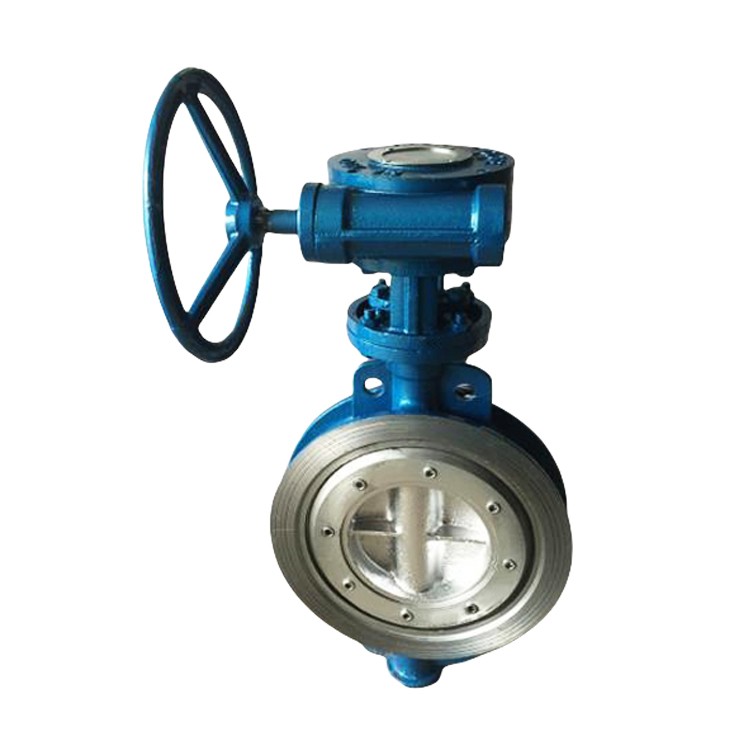















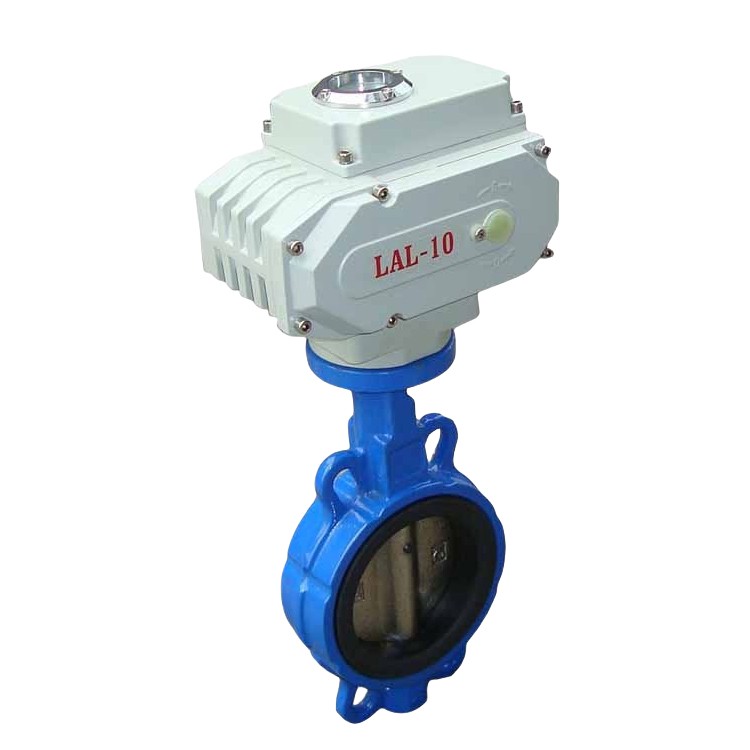
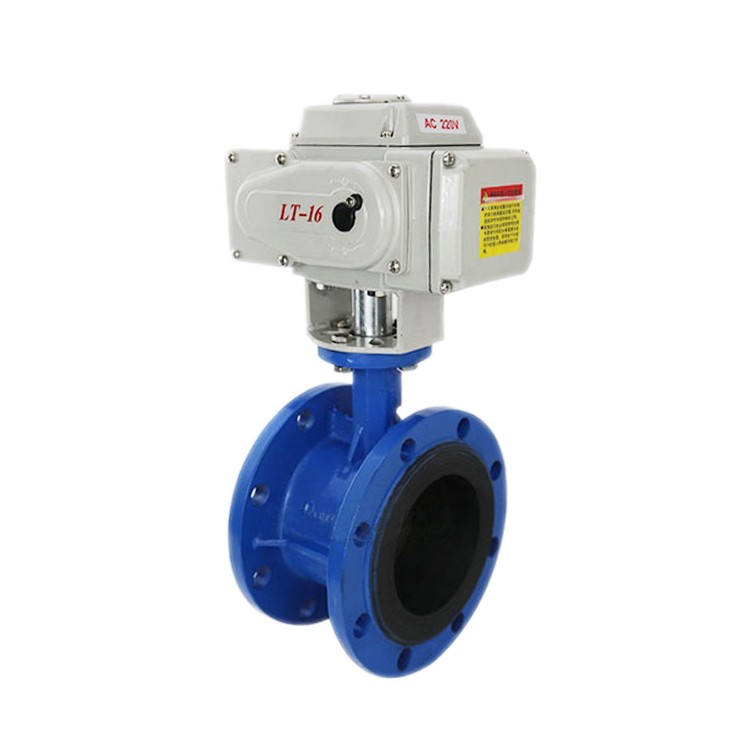
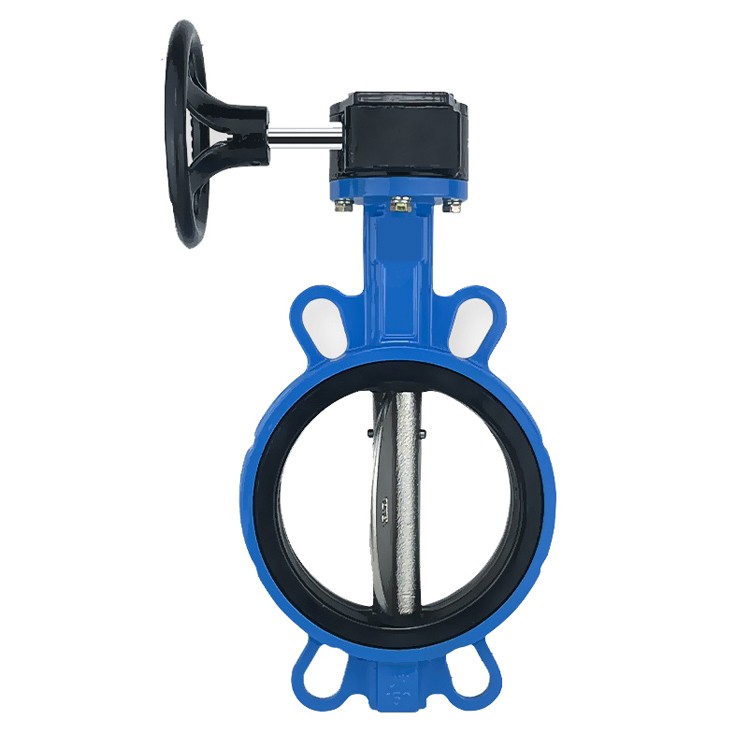

Turbine-lug type hard-seated butterfly valve is a crucial fluid control device, primarily used for regulating and cutting off fluids. Its structural features include a lug-type and flange-type three eccentric structure, suitable for various industrial pipeline systems.
Definition and Working Principle
The Turbo Wedge Type Hard Seal Butterfly Valve operates by rotating the valve stem to drive the butterfly plate, thereby opening and closing the valve. When the butterfly plate rotates to 90°, the valve is fully open, at which point only the thickness of the butterfly plate acts as the resistance to fluid flow, resulting in very low flow resistance.
Application Scenario
Turbine-lug type hard-seated butterfly valves are widely used in metallurgy, power, petrochemical, water supply and drainage, and municipal construction fields. They are suitable for industrial pipelines with medium temperatures of ≤425℃ and are used for regulating flow and cutting off fluids.
Structural Features
Three eccentric structure: This design allows the butterfly plate to not touch the sealing seat during opening, reducing wear on the seat and extending the valve's lifespan, while ensuring excellent sealing performance.
High-temperature, wear-resistant, and corrosion-resistant: The turbine-type lugged hard-seated butterfly valve is made of stainless steel, offering excellent corrosion resistance and suitable for various harsh operating conditions.
Well-designed and compact structure: The valve features a well-designed and compact structure, facilitating maintenance and component replacement.
Manufacturing Standards and Materials
Design Standards: Compliant with API 609-83 and ANSI B16.5, etc.
Materials: Valve bodies, butterfly plates, and valve stems are commonly made of materials such as WCB, 304, 316, and 316SS, while seals and gaskets are typically made of 316 stainless steel and fluoro plastics.


















