























babjehec supplies liquefied gas storage tank specifications
The 2017-2022 China Liquefied Gas Storage Tank Industry Development Report aims to provide reference services for banks offering credit, investors interested in investing in the liquefied gas storage tank industry, and enterprises in the liquefied gas storage tank industry and related sectors in formulating development strategies. The 2017-2022 China Liquefied Gas Storage Tank Industry Development Report compiled by the Brief Industry Research Institute first provides a summary analysis of the development overview of the liquefied gas storage tank industry, aiming to inform readers about the current development trends and market situation of the domestic liquefied gas storage tank industry. It conducts a detailed and in-depth analysis of the current market status of the liquefied gas storage tank industry in China and the development of its various sub-sectors, comprehensively analyzes the development trends of the industry, and puts forward some views and suggestions. The report does not cover the production technologies related to the liquefied gas storage tank industry; those interested can refer to other reports in this industry or consult customer service. The report mainly presents factual statements, supplemented by objective analysis, and is for reference only.
The 2017-2022 China Liquefied Gas Storage Tank Industry Development Report consists of approximately 176 pages and over 115,000 words, including more than 110 charts. The report was updated and completed in October 2017. It is divided into eleven chapters, with the first chapter providing an overview of the global liquefied gas storage tank industry, including basic conditions and trends. The second and third chapters analyze the domestic industry's development environment and current situation, including market competition, foreign investment, and existing issues. Chapters four to seven offer a detailed data analysis of the overall business status of the Chinese liquefied gas storage tank industry. Chapter eight compares and analyzes more than a dozen key domestic companies in the industry, aiming to provide readers with insights into the business status and future development plans of competitors and related enterprises. The report also analyzes the financing characteristics, investment opportunities, and risks in the liquefied gas storage tank industry, along with recommendations.

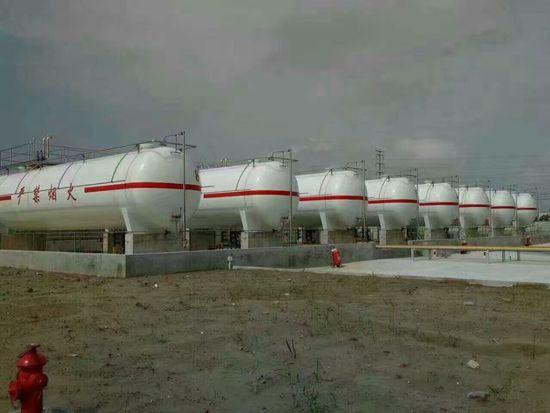
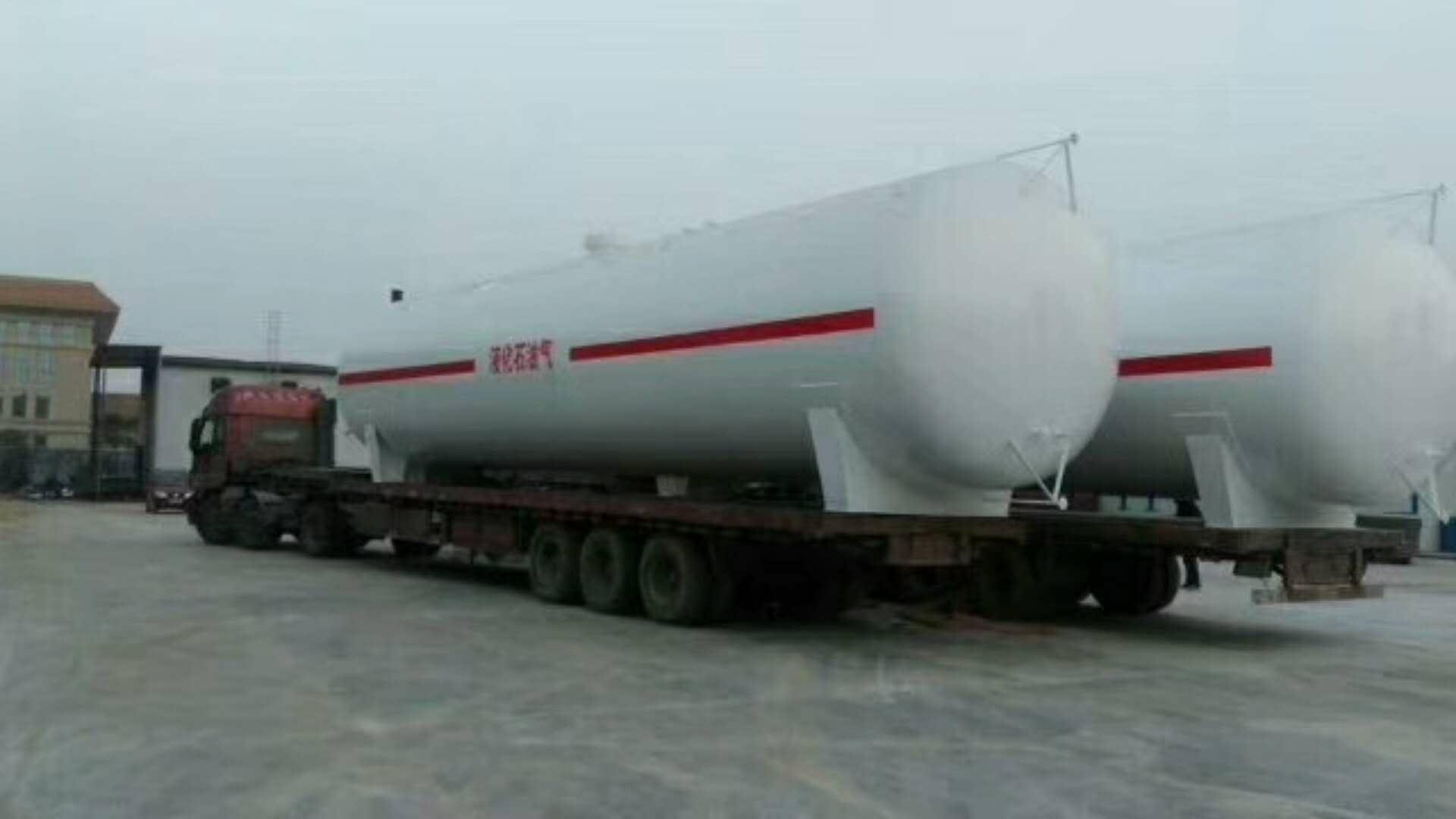
More and more companies are in need of utilizingLiquefied Gas TankSteel storage tanks are specialized equipment for storing various liquids or gases. Many businesses cannot operate normally without storage tanks for energy, especially when stockpiling various materials. Storage containers of different types and capacities are indispensable during such times. Most oil storage facilities are above ground, and a significant number are constructed with metal structures.Liquefied Gas Storage TankThe usage is very extensive; this type of drum is needed in various enterprises. Oil storage drums, as storage equipment for oil and gas pipelines, are containers used for transporting oil and gas. The oil storage tanks used at the first station of oil transportation pipelines are for storing oil, collecting oil to ensure a stable oil flow rate, while the tanks used at the end stations are primarily for receiving and storing oil. Oil is supplied to the oil-consuming units through these drums. The vast majority of plastic storage drums require molding and processing techniques. During the molding process, the molds are under quite high pressure, utilizing widely-used compression molding, which is formed through extrusion and molding into storage equipment. Large components produced using molding processes must withstand significant pressure, necessitating particularly robust design and manufacturing of molding equipment, which is quite challenging and increases costs. Corrosion-resistantLiquefied Gas Storage TankUtilizing rotational molding technology, these tanks require a robust framework capable of supporting the material, the mold, and the framework's own weight, all to prevent leakage. Even for large or extra-large plastic storage tank components, constructing corrosion-resistant tanks doesn't necessitate heavy equipment or molds. The machining and manufacturing process is particularly convenient, with low production costs and a short lead time.






















