



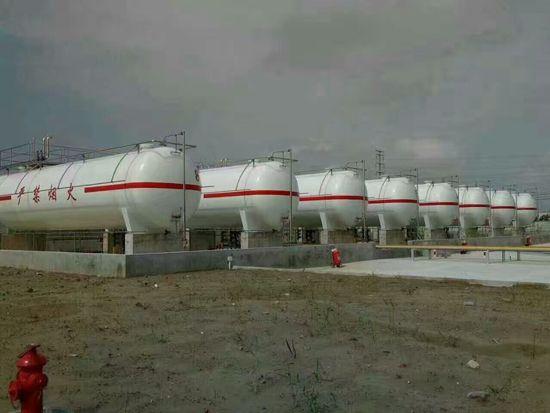

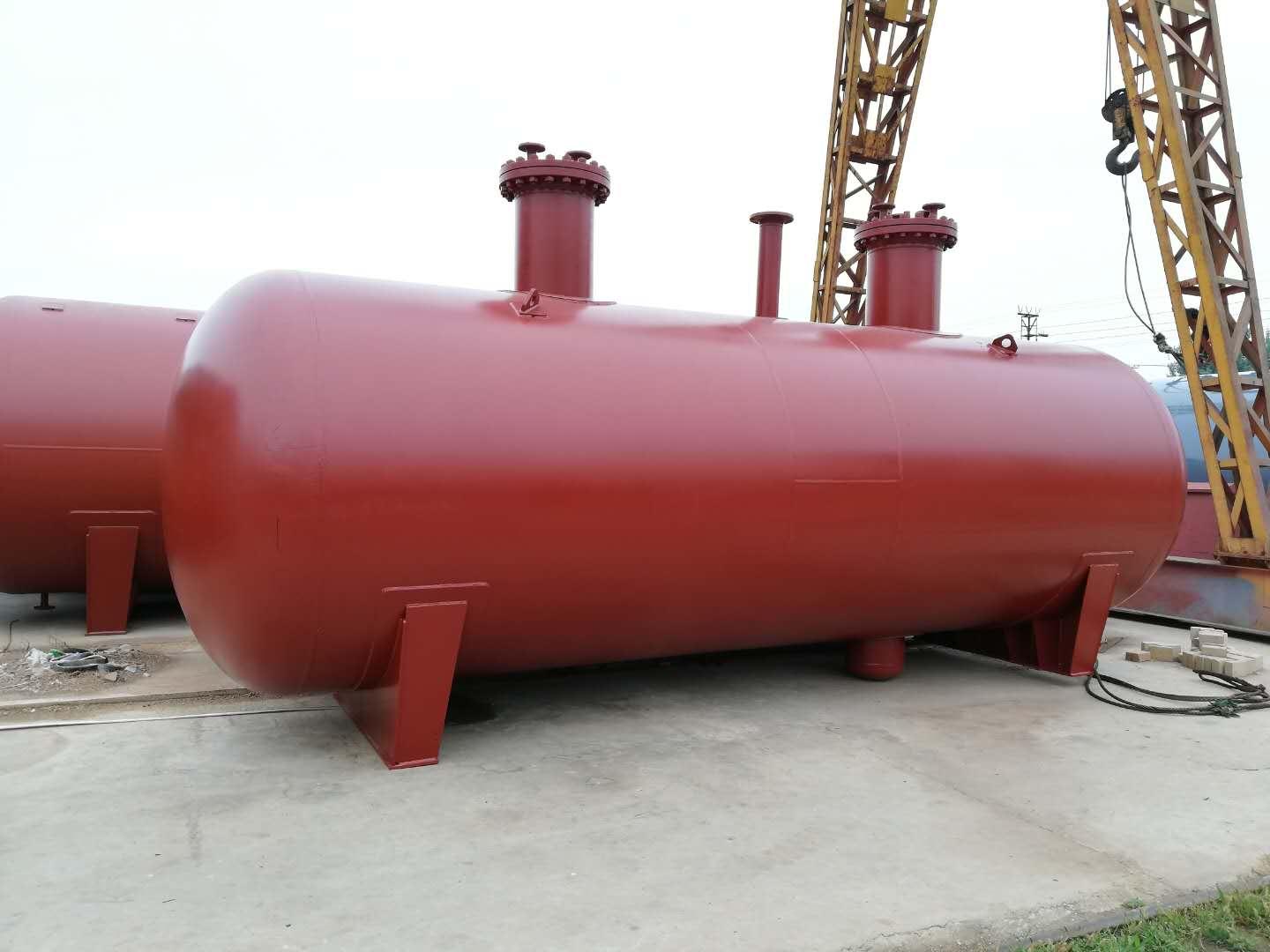
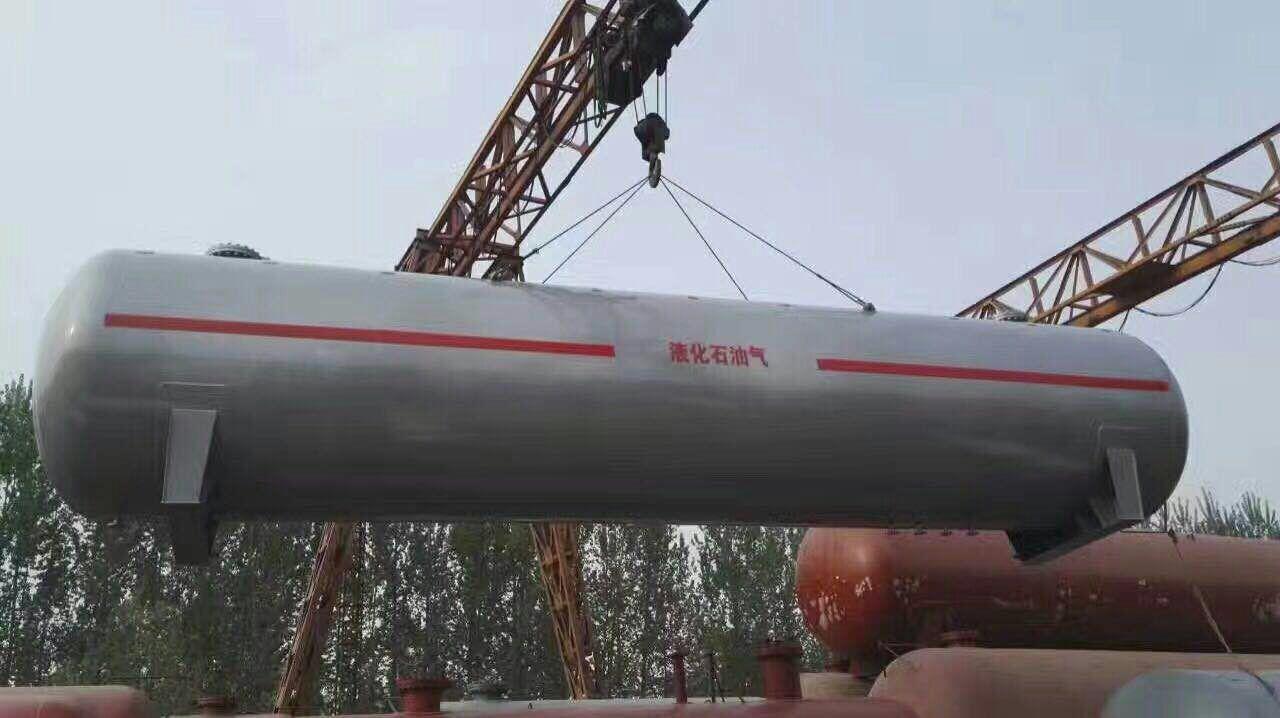



















Babjehec LPG Storage Tank Liquefied Gas Tank Model
Cautionary Notes for Using Natural Gas Storage Tanks: Jacketed vacuum insulated powder-insulated pressure vessels are used for storing and supplying low-temperature liquefied gases. They are widely applied in industrial production. Analysis of the hazardous characteristics of low-temperature liquids: Low-temperature liquids have low boiling points, high expansibility, strong asphyxiating properties, and strong oxidizing properties. Boiling points at 101.3 KPa: Liquid nitrogen at -196°C, liquid oxygen at -183°C, liquid argon at -186°C. Contact with the human body can cause severe frostbite on the skin and eyes. In case of minor leakage or internal leakage in valves, they absorb heat from the surrounding environment, causing rapid condensation and frost formation at the leakage point, which may lead to freezing in severe cases. When low-temperature liquids absorb high heat from the surrounding environment or large quantities of leakage, their volume expands rapidly due to quick vaporization. At 0°C and 101.3 KPa pressure, the volume of gas produced by the vaporization of 1L of low-temperature liquid: nitrogen at 674L, oxygen at 800L, argon at 780L. Inside sealed containers or pipes, the increase in internal pressure due to the vaporization of low-temperature liquids can easily cause overpressure explosions. In the surrounding environment of low-temperature liquid storage tanks, the vaporization of leaked low-temperature liquids can easily form rich gas areas. High concentrations of nitrogen, argon, or carbon dioxide can easily cause asphyxiation injuries. Additionally, high oxygen concentrations can also lead to oxygen-rich injuries. Oxygen is a strong oxidizer with extreme oxidizing properties. Liquid oxygen, when in contact with combustible materials, can easily ignite upon exposure to an open flame; it can produce shock or explosive detonations upon contact due to impacts; and when mixed with combustible materials, it poses latent explosive risks. Liquid oxygen can adhere to clothing and fabrics, easily causing flash fires upon ignition, which can cause personal injury.

Liquefied gas tanks are extremely dangerous in the event of a leak. In any正规 industrial facility, comprehensive safety operation specifications and management systems for tank use should be established. 1. When there is only a small leak, the transporter should immediately close all pipeline valves on the tank and simultaneously halt the operation of surrounding equipment. Rapidly evacuate personnel from the leak-contaminated area to upwind locations (due to the nature of liquefied gas, it is easily carried in the air), and implement safety isolation. Cut off all ignition sources and, while ensuring safety, do everything possible to prevent the spread of the leak source. 2. In the case of a large leak, in addition to the initial emergency response, an immediate report should be made to the local government, "119," and local environmental protection and public security traffic police departments. The report should include: the name of the incident unit, time and location of the incident, chemical name and amount of leakage, level of danger, any injuries or casualties, and the name and phone number of the person reporting. Opening a liquefied gas tank for inspection is a major operation for any liquefied gas station. Given the characteristic of inspecting three tanks simultaneously and halting the entire station's normal production operations, thorough pre-preparation is particularly important.






















