























babjehec液化石油气储罐生产商
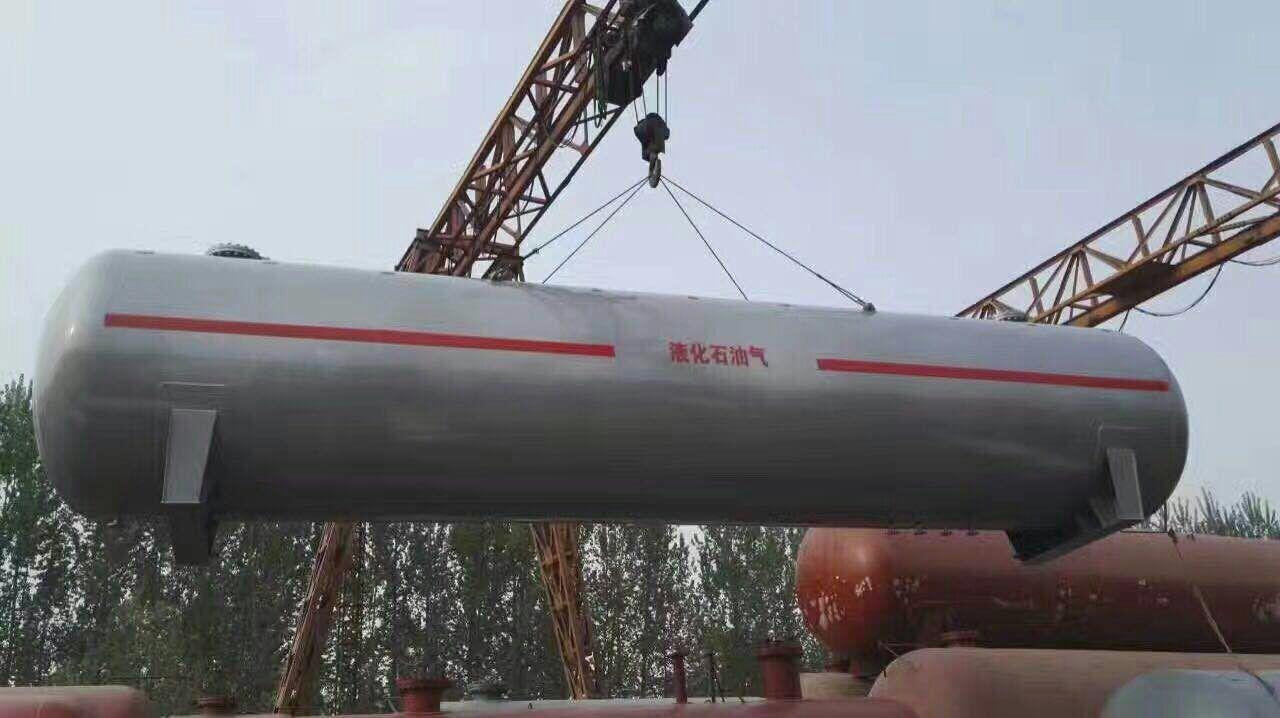
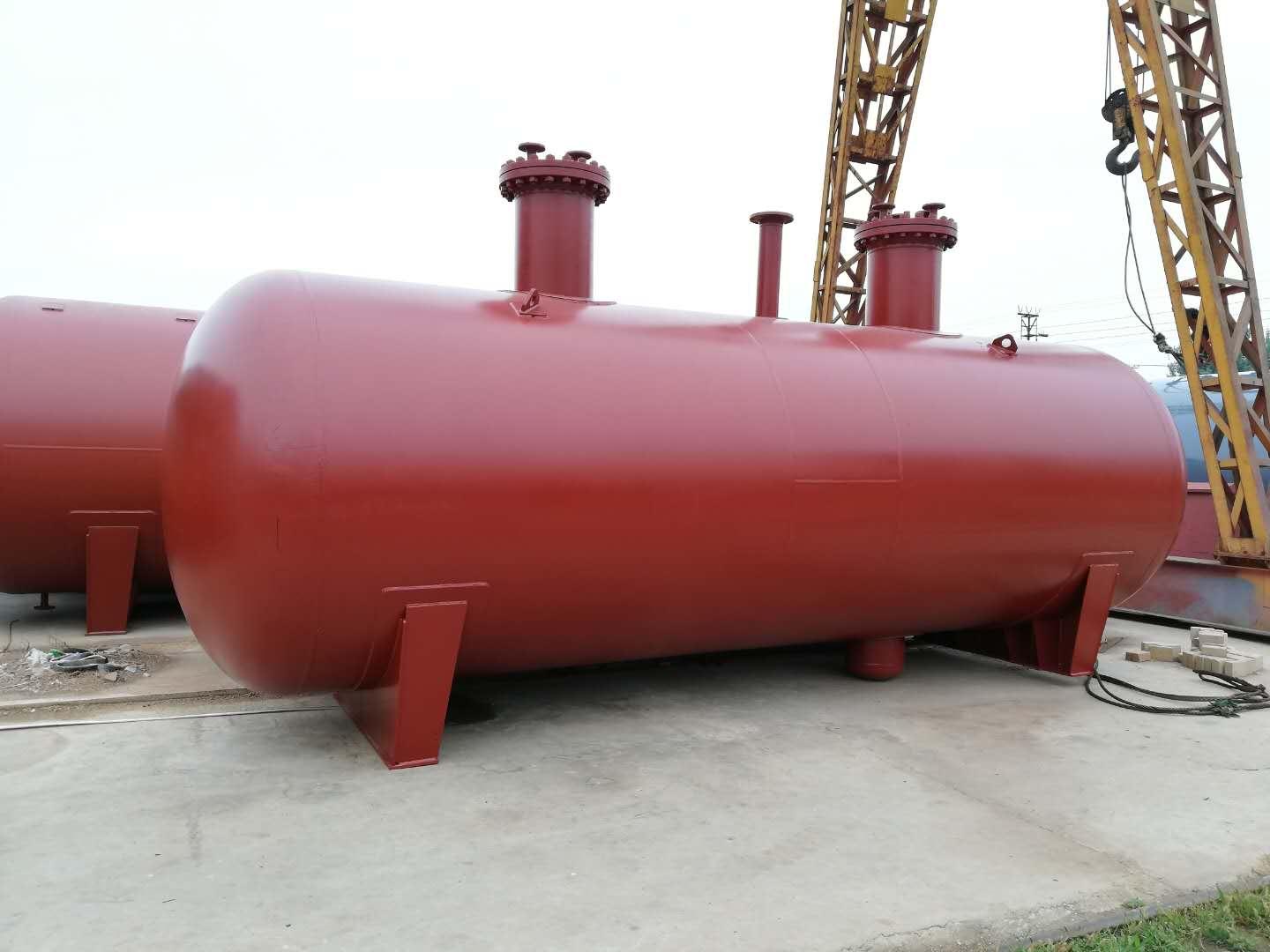
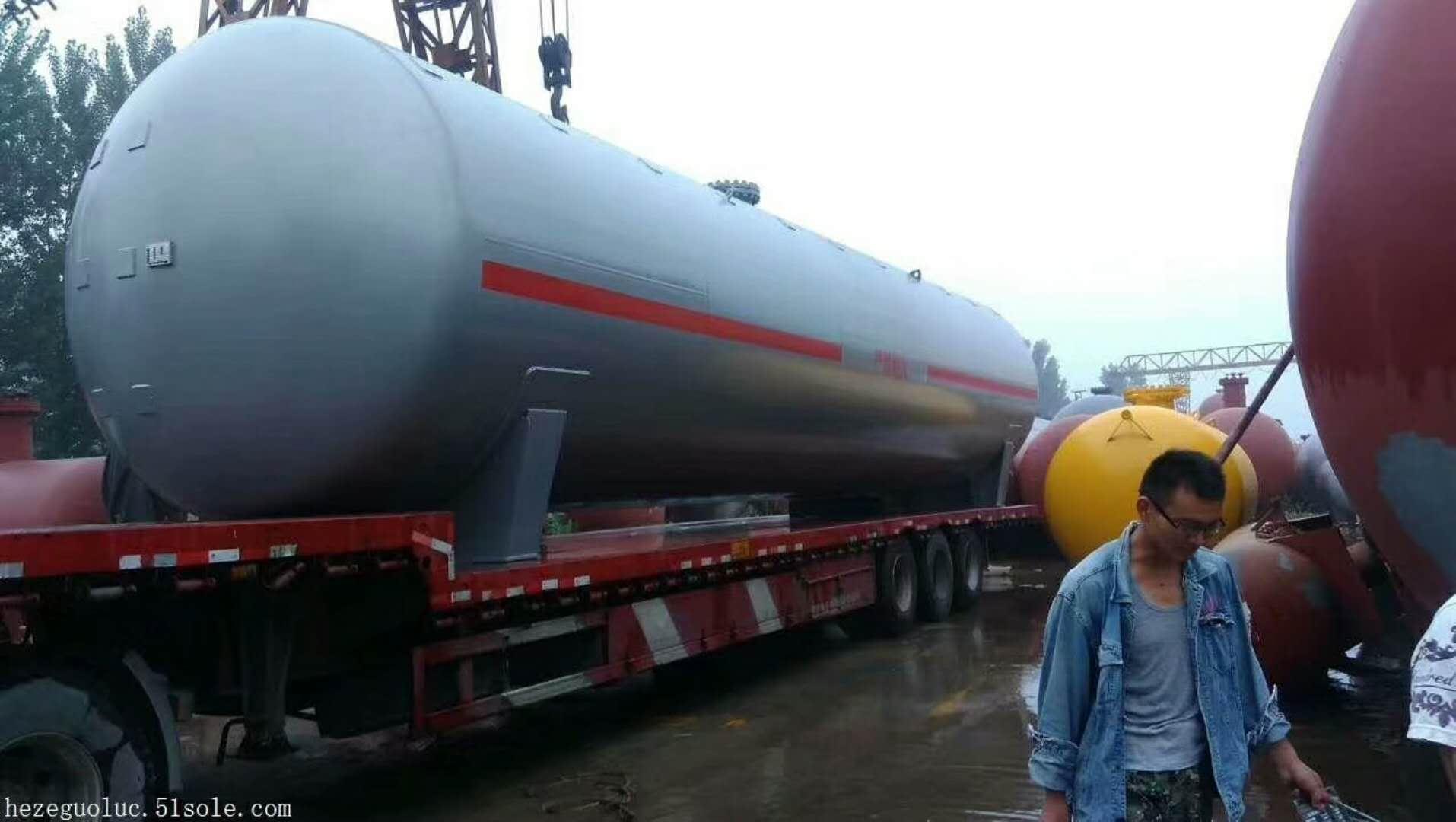
LPG storage tanks include compressed gas or liquefied gas tanks. They can be categorized into fixed-volume and variable-volume storage tanks based on the tank's volume change. Large fixed-volume LPG tanks are typically spherical, while smaller ones are cylindrical. Variable-volume storage tanks, also known as low-pressure gas tanks or gas holders, can change their geometric volume, are airtight, prevent leakage, and serve to balance pressure and regulate gas supply volume. The pressure is usually not more than 60MPa.
Liquefied gas storage tanks undergo rigorous quality assessment for the material of pressure components, appearance dimensions, weld quality, operational quality, installation quality, internal equipment, and safety accessories.
Routine physical and chemical tests for the material of the container, such as mechanical properties and chemical composition.
The weld joints, seams, tank heads, and the mutual geometric positions of all pressure components are rigorously inspected via X-ray non-destructive testing and magnetic particle inspection. Tests are conducted on the product's sealability, pressure resistance, and all technical indicators that could affect the safe operation of the product.

4.1 Selection of Design Units: The selection of design units for the liquefied gas storage tank system engineering shall be undertaken by the project organization department of each provincial (city, district) company. They should choose from the design institutes shortlisted in the sector, and the selection should be approved by the supervisor and signed off. The design units should possess qualifications for oil and petrochemical engineering design and industrial pipeline (GC2) design. 4.2 Site Inspection: 4.2.1 Site inspections should be conducted by the project organization department of each provincial (city, district) company, organizing personnel from the construction, pipeline installation, quality safety, and design departments of the local branch of the gas station, as well as the design institute. 4.2.2 During the survey and inspection of the gas station, the layout and burial depth of the existing underground pipelines and cable installations should be understood. For stations that cannot provide site pipeline documentation, pipeline detection technology should be used to determine existing process, electrical, and drainage pipelines. 4.2.3 The construction department of the local branch of the gas station, following the principles of economy and practicality and relevant local government requirements, should propose suggestions for the scope and methods of renovation [including fuel offloading vapor recovery systems, fuel vapor recovery systems (dispersed, centralized), and oil and gas emission treatment facilities], as well as the renovation of related equipment and facilities. After approval by the supervisor and the project organization department of the provincial (city, district) company, the design unit will base the scheme design on these proposals. 4.3 Design Proposal: 4.3.1 The design proposal submitted by the design institute should include technical documents such as the general layout, oil vapor recovery process diagram, and list of main equipment and materials. 4.3.2 The design proposal should be submitted to the project organization department of the provincial (city, district) company, which will organize the pipeline installation, quality safety departments, and construction personnel from the local branch of the gas station, as well as the design institute, to review the proposal. It should then be reported to the supervisor for approval. 4.4 Construction Drawing Design: 4.4.1 Equipment selection: The project organization department of each provincial (city, district) company will provide a list of pre-qualified suppliers for vapor recovery equipment. The design institute will select the relevant equipment based on this list. The selection should follow principles of safety and reliability, advanced technology, economic practicality, and compliance with emission standards, using products that are simple to install, convenient, and require minimal on-site modifications. The following points should also be noted: 4.4.1.2 It is preferable to choose equipment from the same manufacturer in the same region for ease of after-sales service. 4.4.1.2 Gas stations with an annual gasoline sales volume of over 3,000 tons and more than 10 fuel dispensers should use centralized fuel vapor recovery systems; others should use dispersed systems. 4.4.1.3 Different types of fuel vapor recovery technology and equipment should be selected based on the internal space of the fuel dispensers. For example, for secondary recovery dispersed vacuum pumps, it is preferable to use models with lower power that can be driven by the existing power supply of the fuel dispenser, avoiding the need for additional power cable installations. 4.4.1.4 The oil and gas emission treatment facilities should be selected based on the surrounding environment, site size, and business volume of the gas station. The maximum processing capacity of the oil and gas emission treatment facilities should be 10% to 20% of the maximum fuel volume. 4.4.2 Construction drawing design: 4.4.2.1 The design institute will conduct construction drawing design based on the approved design proposal. 4.4.2.2 The liquefied gas storage tank pipelines should be made of seamless steel pipes that comply with the current national standard GB/T 8163 for fluid transmission. The design pressure for oil pipelines should not be less than 0.6 MPa, and the design pressure for vapor recovery pipelines should not be less than 0.13 MPa. It is not permissible to use thermoplastic plastic pipelines or other flexible material pipelines.






















