



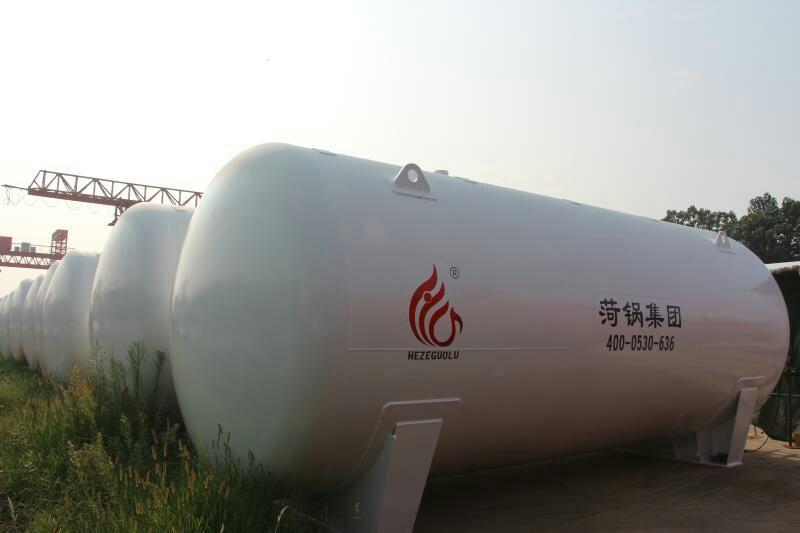

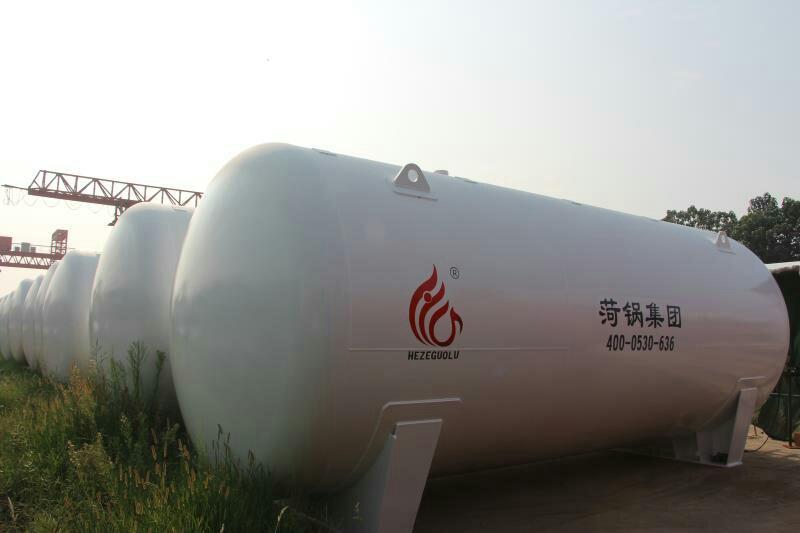
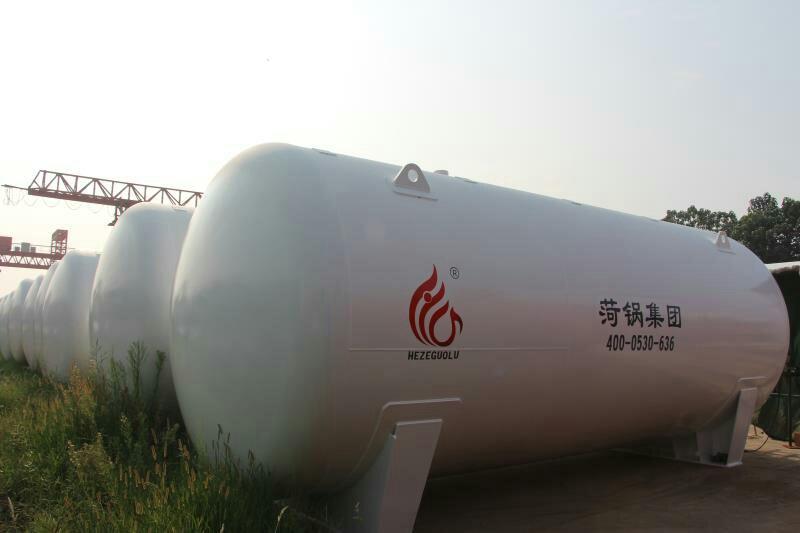



















Where can I find a natural gas storage tank in Babjehec, and which one is the best?
Procedures for Operating Low-Temperature Natural Gas Storage Tanks
1.1 Station Pressure Regulation Process Introduction
An illustration of the local process flow for pressure regulation areas is attached, with the equipment requiring operation numbered in the process flow diagram.
1.2 Pre-Pressure Regulator Preparation
1.2.1 Preparation of Tools
Explosion-proof spanners, two pairs of gloves, and two sets of protective equipment.
1.2.2 Pre-job Preparation
(1) Protective gear, including antistatic suits, static-free shoes, and safety helmets, etc.
(2) Ensure that devices prone to static electricity, such as smartphones and computers, are placed in a safe area. Check if the surrounding environment is secure and meets the operational requirements.
(3) Before entering, touch both hands on the static discharge equipment to release static electricity.
(4) Verify that all pressure-regulating tools such as explosion-proof wrenches are carried.
(5) Verify that the tank's pressure gauge, level gauge, thermometer, combustible gas detector, and safety valve are operating normally.
(6) Inspect that the pipeline valves, pressure gauges, and safety valves are operating normally.
(7) Prepare all explosion-proof tools

Deputy Director of the Policy Research Office of China National Petroleum Corporation, Wang Zhen, also pointed out in an article that our current pricing system does not have a separate price item for storage gas costs. Storage gas facilities are facing issues such as blocked investment return channels and a lack of market trading mechanisms. The cost compensation and performance evaluation mechanisms are both very unclear, which has seriously hindered the commercial operation and development of storage gas facilities.
Han Xiaoping openly pointed out that the slow progress in the construction of gas storage facilities highlights the insufficiently ideal implementation efficiency of the oil and gas system reform. After multiple broken promises, in May of this year, our country issued "Some Opinions on Deepening the Reform of the Oil and Gas System," which has become the most comprehensive and three-dimensional guiding document issued since the new round of oil and gas reform was proposed in 2014. However, experts also note that the essence of the oil and gas reform is to liberalize market access and pricing in the upstream, midstream, and downstream sectors of the oil and gas industry, dismantle barriers that favor state-owned enterprises and restrict private capital, and allow more capital to enter the oil and gas sector. Currently, the oil and gas industry in our country is largely monopolized by state-owned enterprises. It may take a relatively long process to make state-owned enterprises share profits with private enterprises.






















