



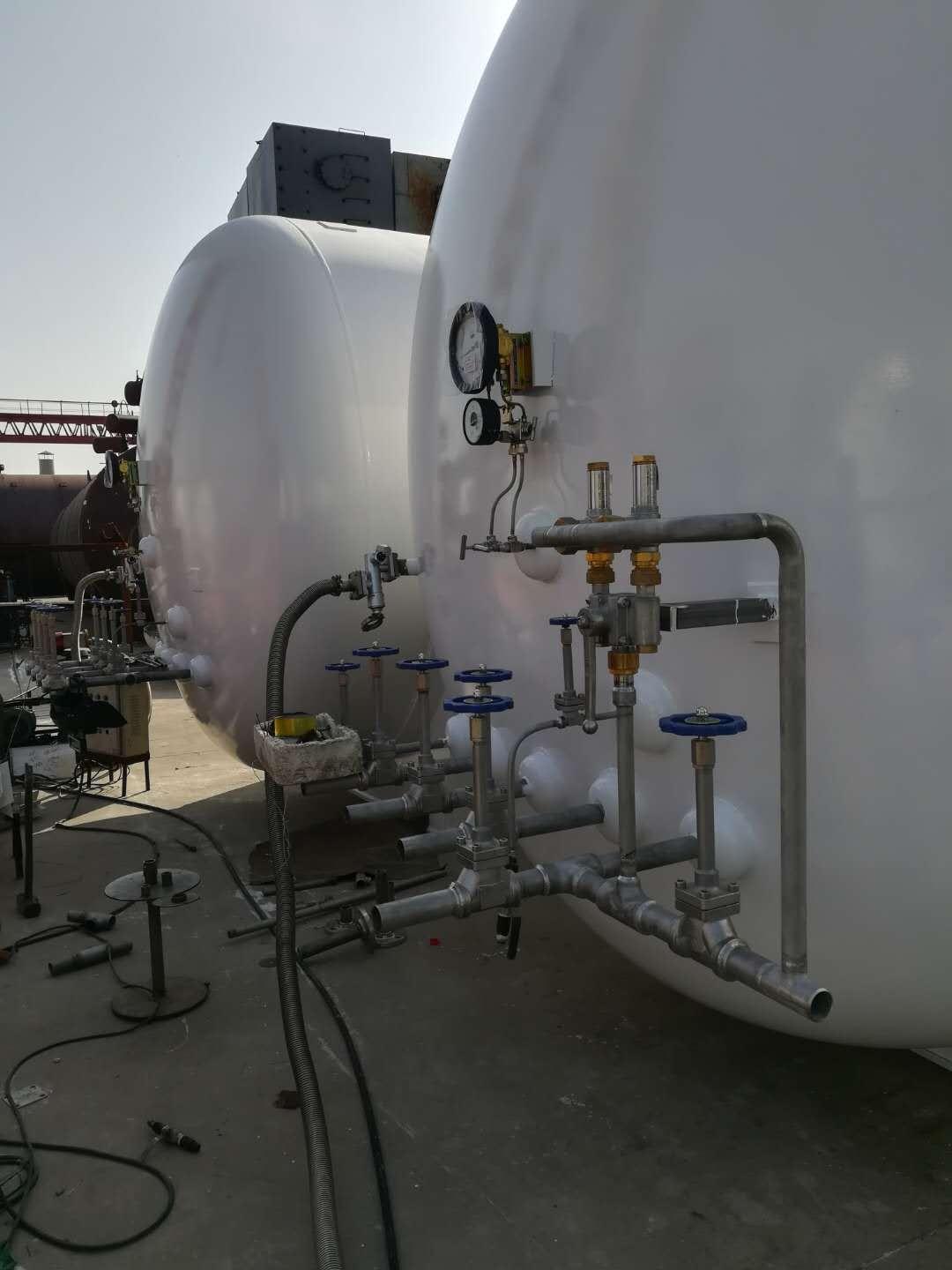

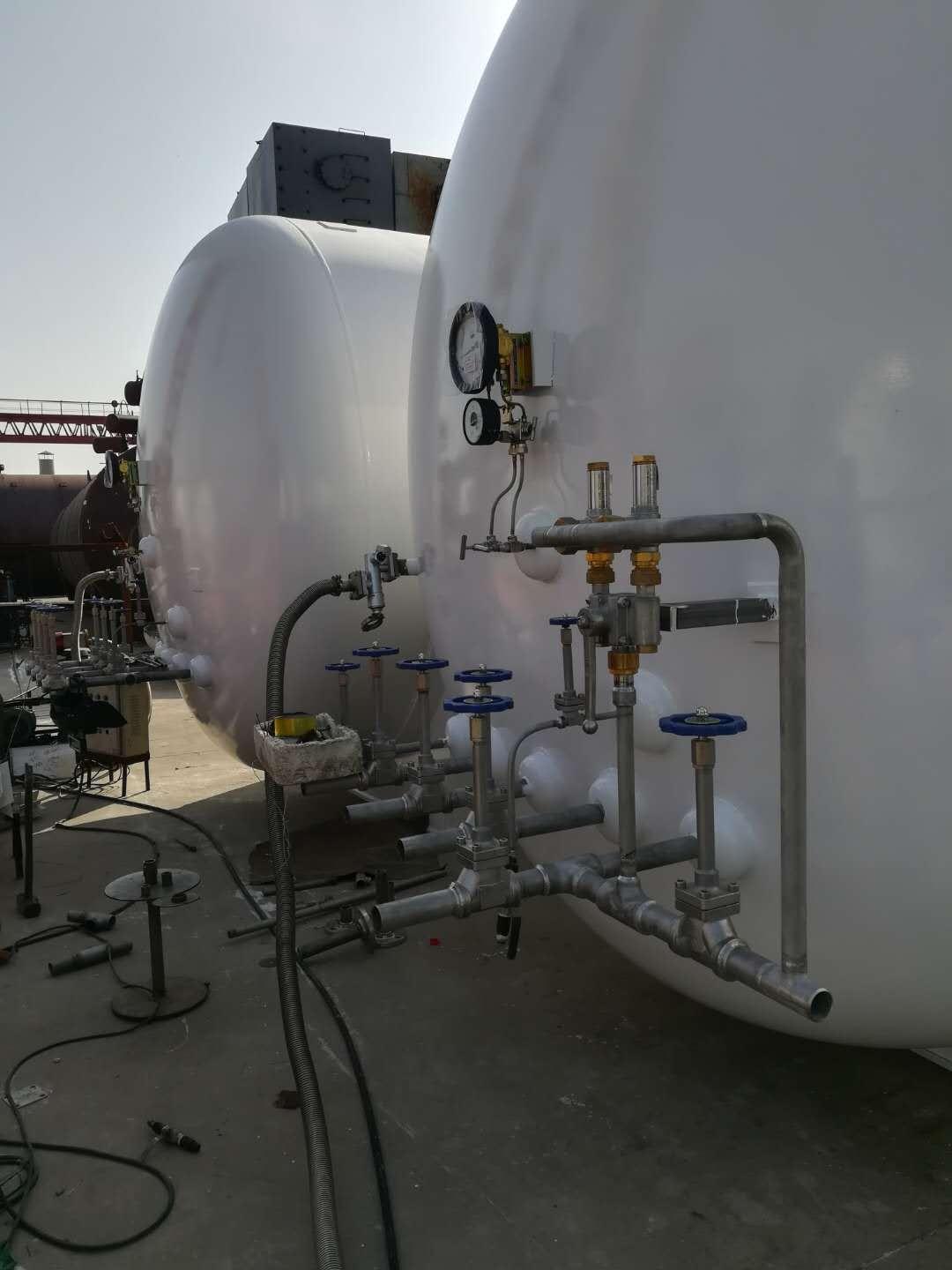
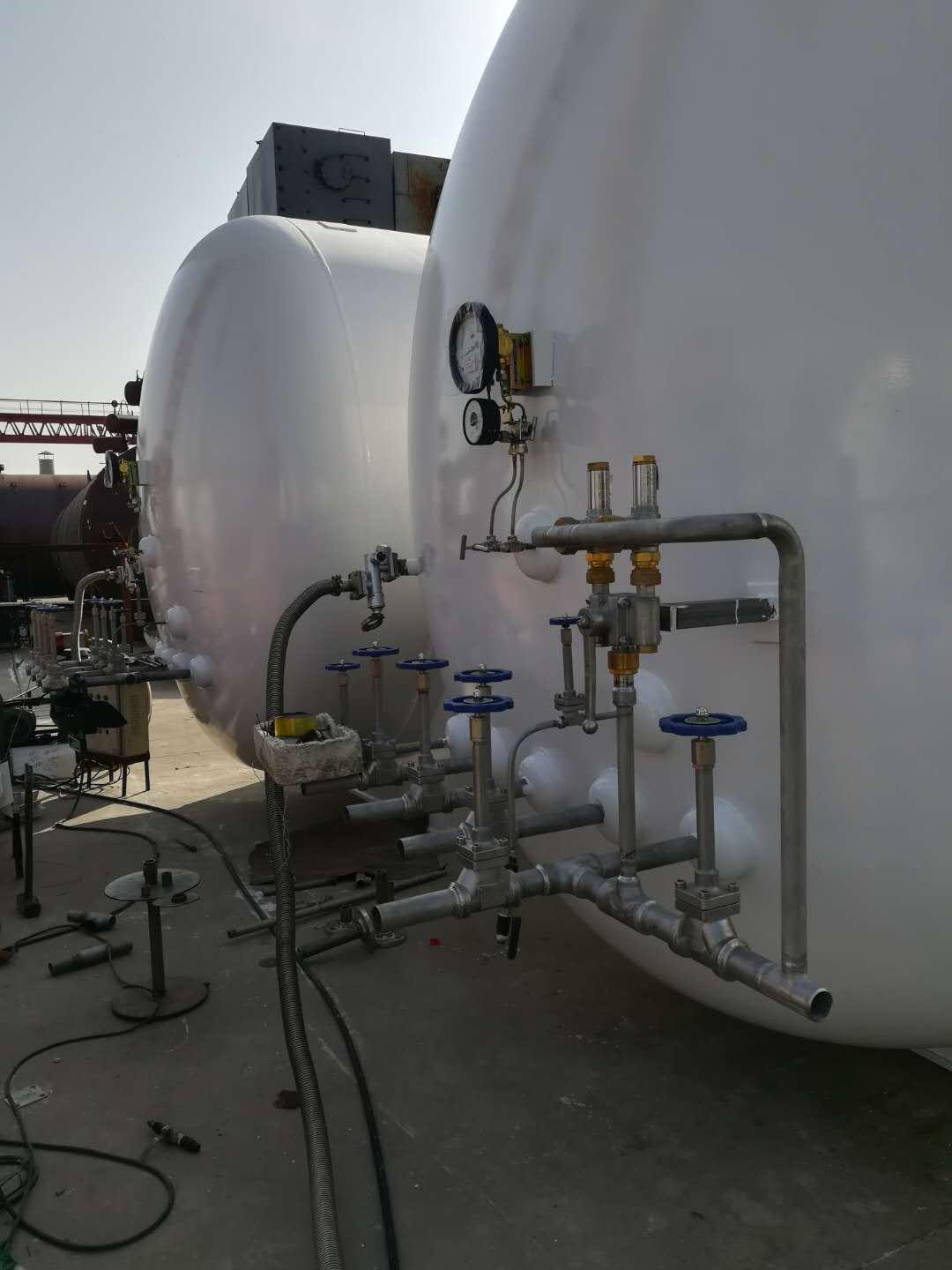



















babjehec specializes in manufacturing natural gas boilers
Gas boiler cleaning
Boilers, after long-term operation, inevitably experience issues like scale and corrosion. The primary cause of scale formation in boilers is the hardness components present in the feedwater. Upon continuous evaporation and concentration at high temperatures and pressures, a series of physical and chemical reactions occur inside the boiler, ultimately forming a hard, dense scale on the heating surfaces. This reduces the heat exchange efficiency and, due to corrosion beneath the scale, can lead to a decrease in the boiler's water-cooled wall heat absorption, an increase in the outlet temperature of the boiler furnace, and thus, increased boiler losses. Additionally, scale buildup inside the water-cooled walls can reduce heat transfer efficiency, potentially causing wall temperature increases and leading to wall burst in the water-cooled walls, affecting the safe operation of the boiler. Scale is the "root of all evils" in boilers and is a major cause of boiler accidents. Its main危害 is the waste of a large amount of fuel. Since the thermal conductivity of scale is only a fraction of that of steel, once the heating surface is scaled, heat transfer is impeded. To maintain the boiler's output, the fire side temperature must be increased, leading to increased heat loss through radiation and exhaust. Now, an efficient, environmentally friendly, and non-corrosive cleaning agent can be used to clean gas boilers, revealing the original metal color of the tubes and reducing the impact of scale and biological algae sludge. It also has a descaling effect on iron oxide and sub-oxide, extending the service life of gas boilers, reducing energy consumption, and improving productivity. [2]

Gas Boiler Maintenance
1. During operation, pay attention to the following points for gas-fired boilers: (1) Gas-fired boilers are not allowed to burn at positive pressure or have smoke in the furnace chamber, as this can easily damage the coal hole cover; (2) There should be no water accumulation on the bottom horizontal surface of the gas-fired boiler to prevent dampness and corrosion.
2. The gas boiler should be inspected every 2-3 weeks during operation.
3. After every 3 to 6 months of operation, the gas boiler should be shut down for a comprehensive inspection and maintenance: (1) Conduct an internal and external inspection of the gas boiler, including the welds of the pressure parts and the presence of corrosion on the inside and outside of the steel plates. Any serious defects found should be repaired immediately, while less severe defects can be addressed during the next shutdown. If any suspicious areas are found that do not affect safe production, a record should be made for future reference; (2) After the inspection, apply boiler bottom paint to the water line to prevent corrosion.
4. Gas boiler and boiler base should be painted at least once a year.
5. Maintenance Methods for Gas Boilers Not in Use for a Long Time: There are two methods, dry and wet. For boilers that have been out of use for over a month, dry maintenance should be adopted. For those out of use for less than a month, wet maintenance can be used.
(1) Dry Maintenance Method: After the boiler is shut down, drain the boiler water, thoroughly clean the internal dirt, and flush it clean. Dry the firebox with low heat (be cautious not to use high heat). Then, place blocks of unslaked lime (10-30 mm in diameter) in separate trays inside the drum, ensuring they do not come into contact with metal. The weight of the unslaked lime should be calculated at 8 kg per cubic meter of drum volume. Close all manholes, handholes, and pipeline valves, and inspect every three months. If the unslaked lime is in a crumbled state, it should be replaced immediately. When the boiler restarts, remove the unslaked lime and trays.
(2) Wet Storage Method: After the boiler is shut down, drain the boiler water, thoroughly clean the internal dirt, flush it clean, then refill it with treated water to the full capacity. Heat the boiler water to 100°C to expel gases from the water, then close all valves. This method should not be used in cold climates to prevent the boiler water from freezing and damaging the boiler.






















