























Liquefied gas storage tanks are pressure vessels, and the national requirement is for an annual inspection (with a recommended service life of 10 years for simple pressure vessels). Since inspections are conducted, there are products that pass or fail. Generally, if a company's use of a liquefied gas storage tank is improper or maintenance is not timely, the tank may fail inspection and must be decommissioned. As storage tanks are special equipment, decommissioning requires a specific process. Compressor liquefied gas storage tanks are often considered safe special equipment, but if any stage of manufacturing, design, installation, or usage management is not standardized, accumulated hazards may lead to explosions or even more severe consequences. Therefore, our compressor liquefied gas storage tanks must be operated according to instructions; avoid shortcuts or purchasing inexpensively produced, unqualified storage tanks. Tanks with 1 cubic meter capacity containing 10 kg or less are classified as simple pressure vessels and do not require inspection; the National Construction Code stipulates a 7-year exemption from inspection starting from the date of manufacture on the label, but this only applies to the tank's body itself.

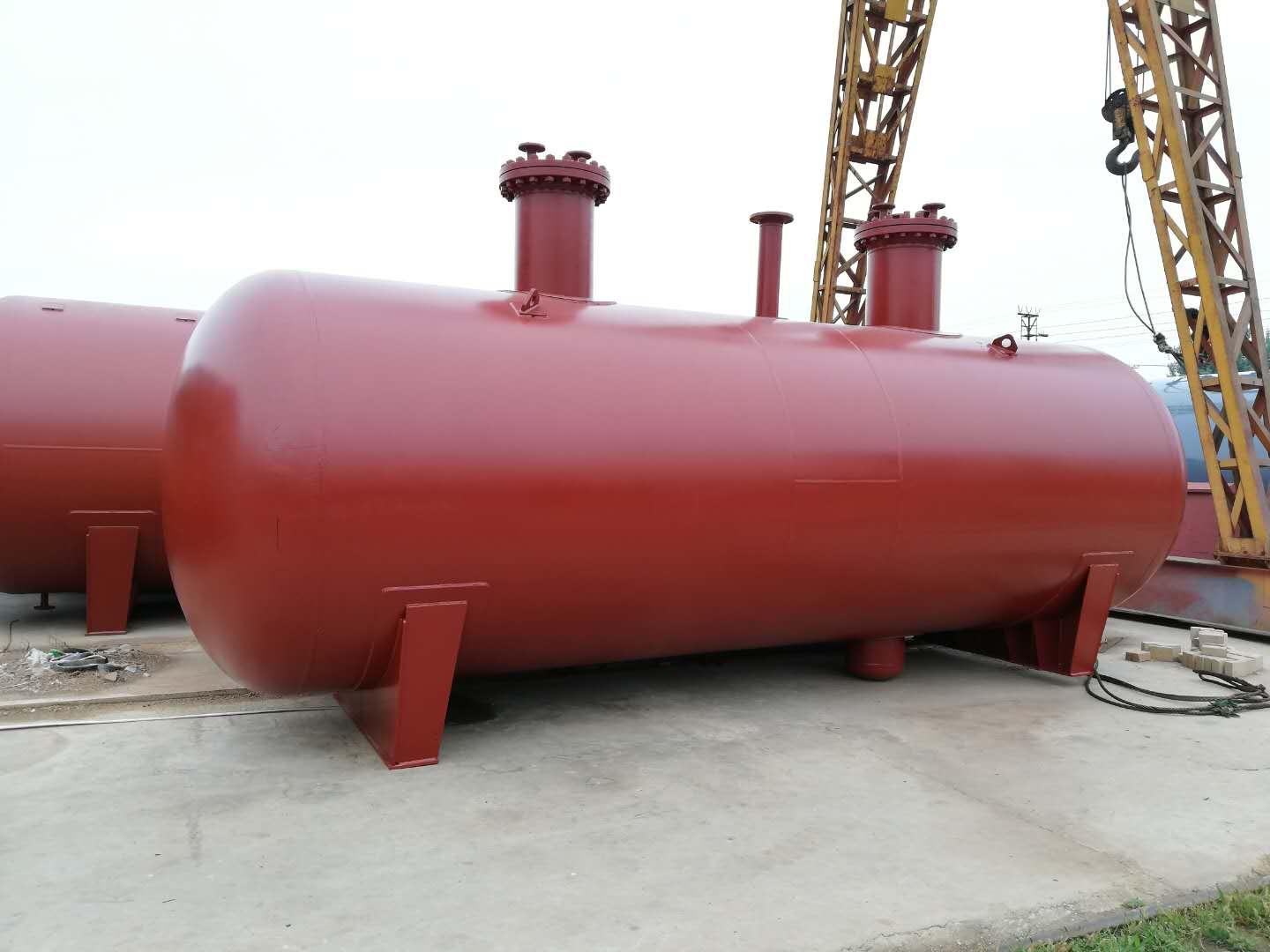
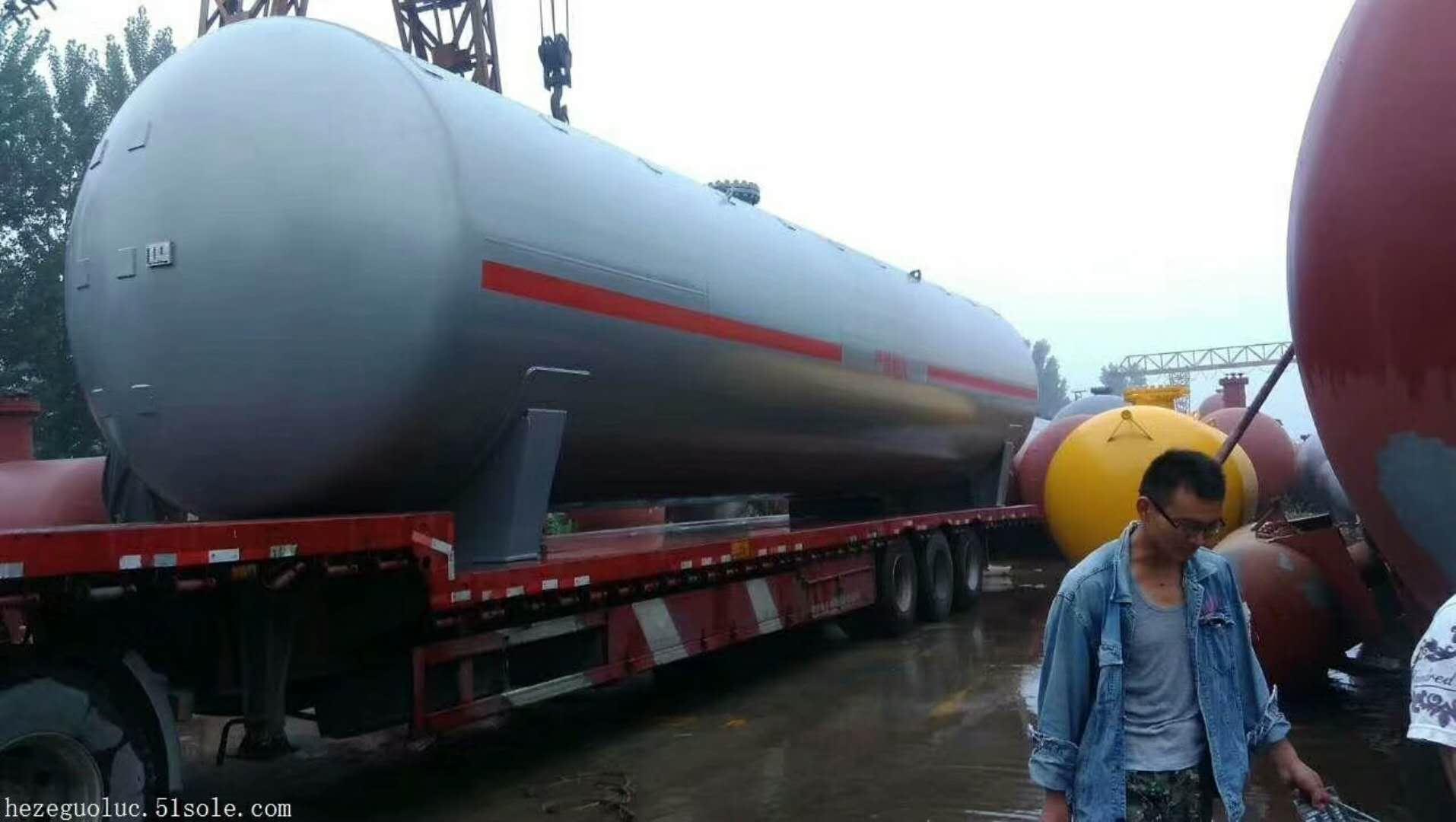
LPG storage tanks include compressed gas or liquefied gas tanks. They can be categorized into fixed-volume and variable-volume tanks based on the tank's volume capacity. Large fixed-volume LPG tanks are typically spherical, while smaller ones are cylindrical. Variable-volume tanks, also known as low-pressure gas storage tanks or commonly referred to as gas holders, can change their geometric volume, are airtight to prevent leaks, and serve to balance pressure and regulate gas supply. The pressure is usually not more than 60MPa.
Liquefied gas storage tanks undergo rigorous quality assessments for the material of the pressure components, dimensions, weld quality, operational quality, installation quality, internal equipment, and safety accessories.
Routine physical and chemical tests for drum materials, such as mechanical properties and chemical composition.
The welding joints, welds, tank end caps, and the mutual geometric positions of all pressure elements are rigorously inspected via X-ray non-destructive testing and magnetic particle inspection. Tests are conducted on the product's sealing, pressure resistance, and all technical indicators that could affect the safe operation of the product.






















