



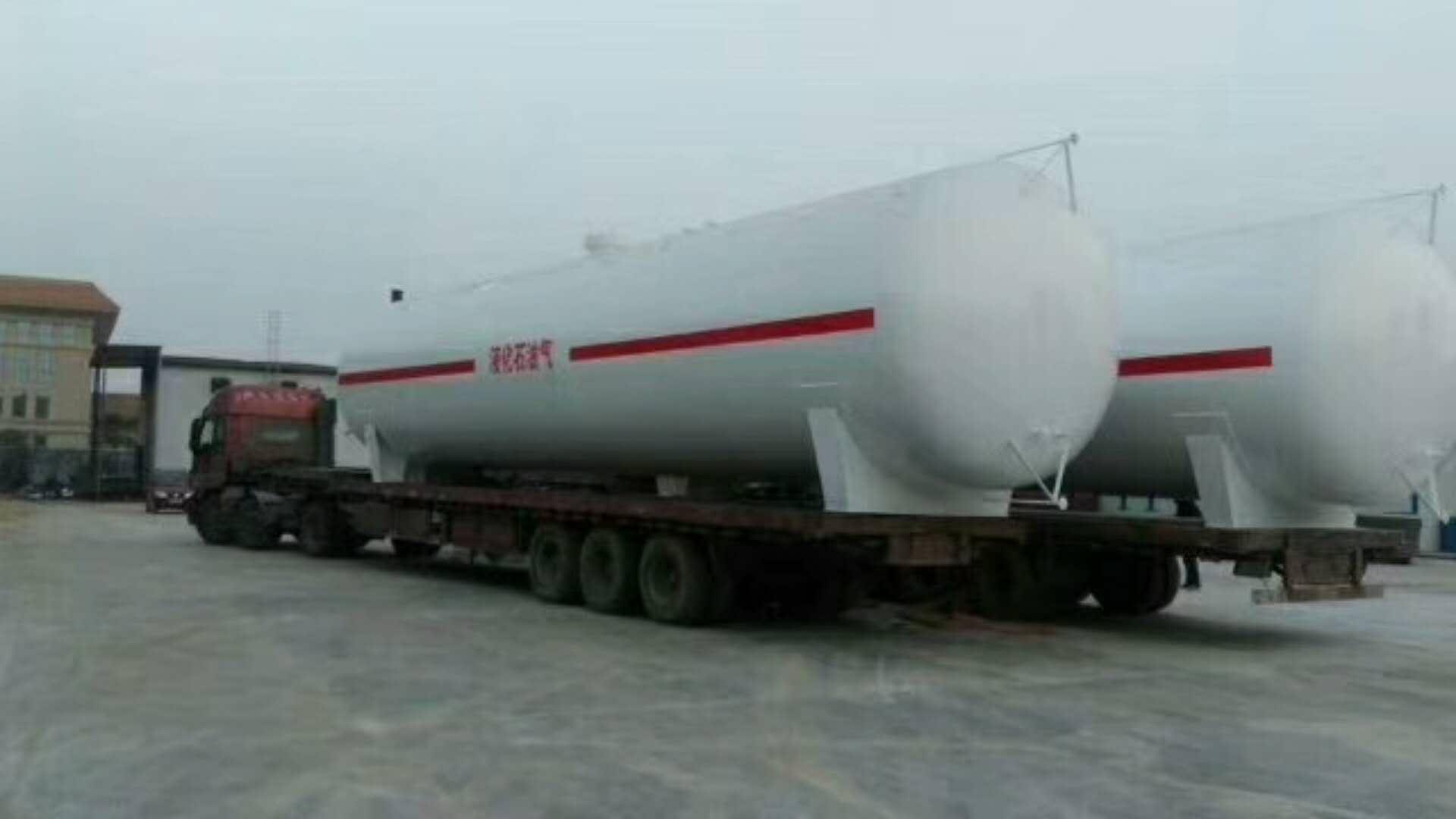


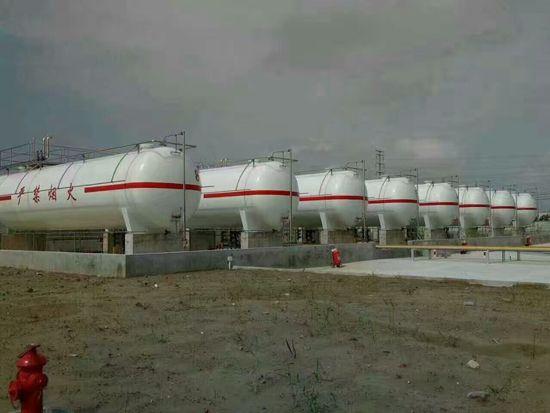



















The loading and unloading area for liquid ammonia tanks should be prohibited near densely populated areas such as schools, hospitals, and residential areas. The quantity of liquid ammonia stored must be in compliance with national standards or regulations for major hazardous sources, and the distances to the following locations and areas must meet national standards or regulations: 1. densely populated areas such as residential areas, commercial centers, and parks; 2. public facilities such as schools, hospitals, cinemas, and sports stadiums; 3. water sources, waterworks, and protected water source areas; 4. stations, ports (excluding those specifically approved and engaged in hazardous chemical loading and unloading activities according to national regulations), airports, highways, railways, waterways, subway ventilation shafts, and entrances and exits; 5. basic farmland protection areas, pastoral areas, fishing waters, and production bases for seeds, breeding animals, and aquatic seedlings; 6. rivers, lakes, scenic areas, and nature reserves; 7. military restricted areas and military management zones; 8. other areas protected by laws and administrative regulations.
液化储罐作为一种特殊的压力容器在化工行业中使用十分广泛,常用于运输一些强酸强碱物品,多年来的实践发现,液氨储罐很少发生强度破坏,大多数是由腐蚀裂纹引起的腐蚀破坏。 液氨储罐被腐蚀问题越发受到关注,很多安全问题都是液氨储罐耐腐蚀性不够强烈造成的,一般储罐内表面焊缝区的裂纹比较严重,且多数出现在环焊缝上,裂纹断口没有塑性变形,呈现出典型的脆性裂纹的特征。 裂纹多数为浅而长的表面裂纹,且有明显的分支,主干裂纹与焊缝方向垂直,尤其在手工电弧焊的引弧处和收弧处,T型接头处及封头环缝与简体纵焊缝交叉部位,裂纹更为严重。 液氨储罐厂家除了加强对焊缝的探伤检测外,还要加强对焊条的库存管理,更不能因为作业时工人焊接不同设备而彼此之间用错焊条,这就会给产品质量埋下隐患。

The 2017-2022 China Liquefied Gas Storage Tank Industry Development Report aims to provide reference services for banks offering credit, investors interested in investing in the liquefied gas storage tank industry, and enterprises in the liquefied gas storage tank industry and related sectors in formulating development strategies. The 2017-2022 China Liquefied Gas Storage Tank Industry Development Report compiled by the Brief Industry Research Institute first offers a summary analysis of the general development of the liquefied gas storage tank industry, aiming to inform readers about the current development trends and market situation in the domestic liquefied gas storage tank industry. It conducts a detailed and in-depth analysis of the current market status and development of various sub-sectors within the liquefied gas storage tank industry in China, comprehensively analyzes the development trends of the industry, and presents some viewpoints and suggestions. The report does not cover the production technologies related to the liquefied gas storage tank industry; those interested can refer to other reports in this field or consult customer service. The report primarily presents factual statements, supplemented by objective analysis, and is for reference only.
The 2017-2022 China Liquefied Gas Storage Tank Industry Development Report consists of approximately 176 pages and over 115,000 words, including more than 110 charts. The report was updated and completed in October 2017. It is divided into eleven chapters, with the first chapter providing an overview of the international liquefied gas storage tank industry, including basic conditions and development trends. The second and third chapters analyze the domestic industry's development environment and current situation, examining the market competition, foreign investment, and existing issues. Chapters four to seven offer a detailed data analysis of the overall business status of the Chinese liquefied gas storage tank industry. Chapter eight compares and analyzes over a dozen key domestic companies within the industry, aiming to help readers understand the operating status and future development plans of competitors or related enterprises. The report also analyzes the financing characteristics, investment opportunities, and risks in the liquefied gas storage tank industry, along with recommendations.






















