























Key Player in Energy Structure Adjustment
The relatively clean nature of natural gas has indeed accelerated its penetration into various fields, including people's daily lives and corporate operations, with continuous growth in market demand across regions. The National Energy Administration has published articles stating that under the increasingly tight constraints of resources and the environment, the green transformation of energy is becoming increasingly urgent, necessitating a significant increase in the proportion of natural gas. This June, the National Development and Reform Commission and the National Energy Administration, among 13 other ministries, jointly issued "Opinions on Accelerating the Utilization of Natural Gas," which clearly outlines the gradual development of natural gas as one of the main energy sources in China's modern clean energy consumption system. According to statistics from the National Development and Reform Commission, from January to October this year, China's natural gas production reached 121.2 billion cubic meters, up 11.2% year-on-year; the import volume of natural gas was 72.2 billion cubic meters, up 27.5%; and the consumption volume was 186.5 billion cubic meters, up 18.7%.
High Peak introduces that with the continuous increase in China's natural gas consumption level, imported natural gas has become one of the major sources of China's natural gas supply. According to customs statistics, from January to October this year, China imported 54.165 million tons of natural gas, a year-on-year increase of 24.9%. Of this, gaseous natural gas reached 25.073 million tons, up 5.9% year-on-year; liquefied natural gas reached 29.092 million tons, setting a new historical high, with a year-on-year increase of 47.7%.
The increase in natural gas consumption also reflects the adjustment of energy structures in various regions. Taking Beijing as an example, data from the Beijing Statistical Yearbook shows that from 2010 to 2016, Beijing's total energy consumption rose from 63.59 million tons of standard coal to 69.61 million tons of standard coal. The proportion of coal consumption dropped from 29.6% to 9.8%, a decrease of over 60%. Meanwhile, the share of natural gas consumption surged from 14.6% to 31.7%, an increase of around 50%.

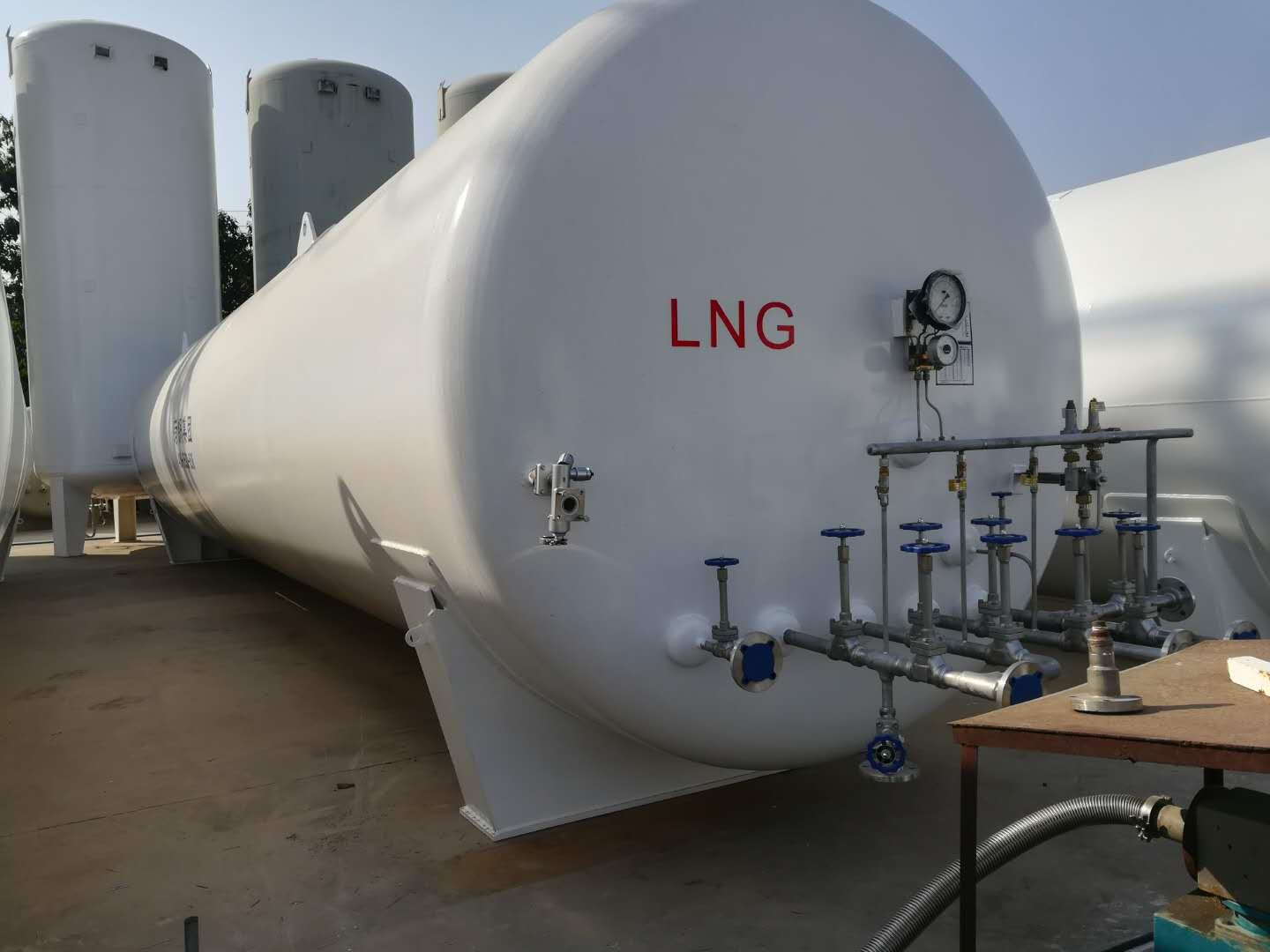
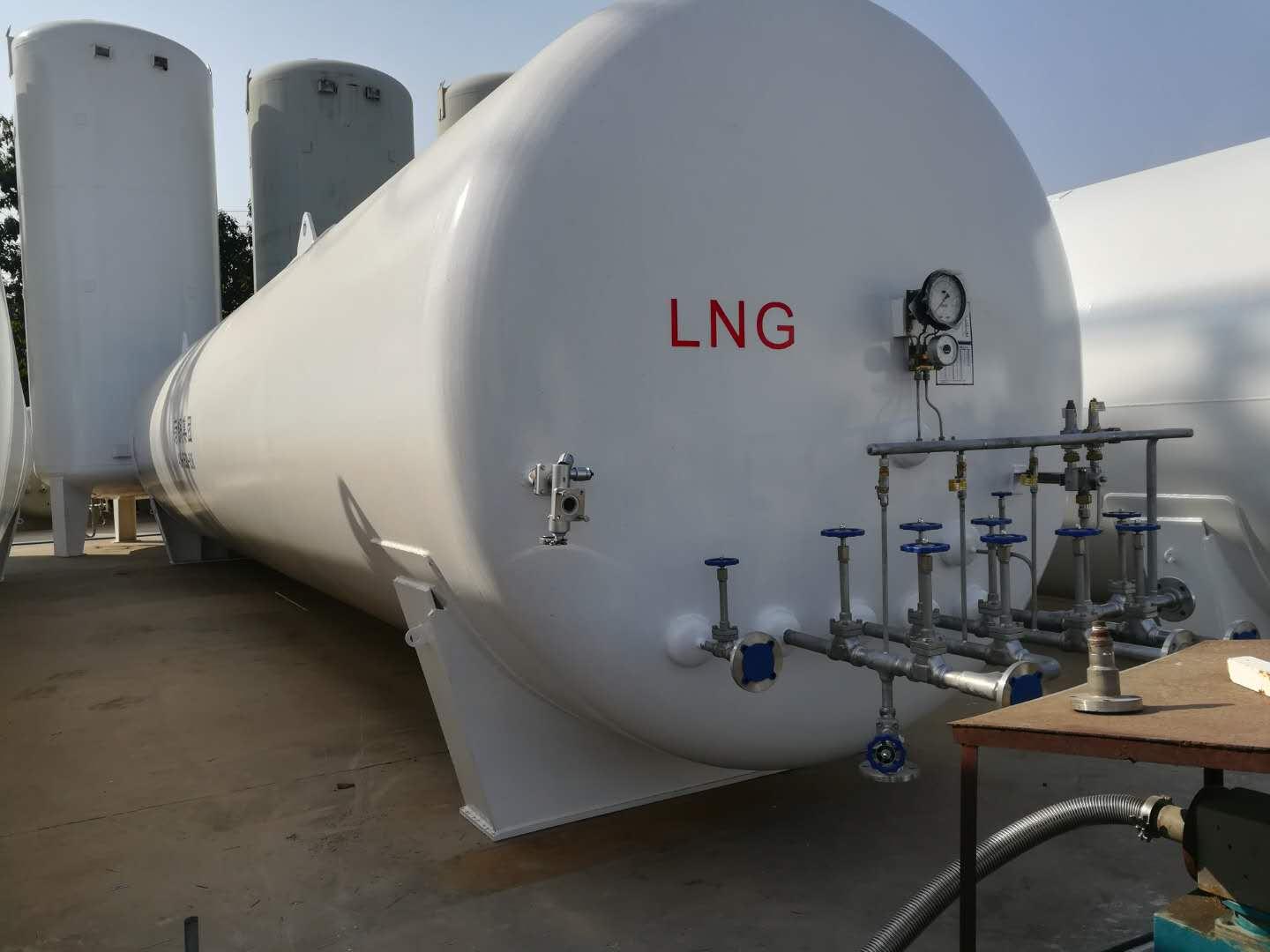
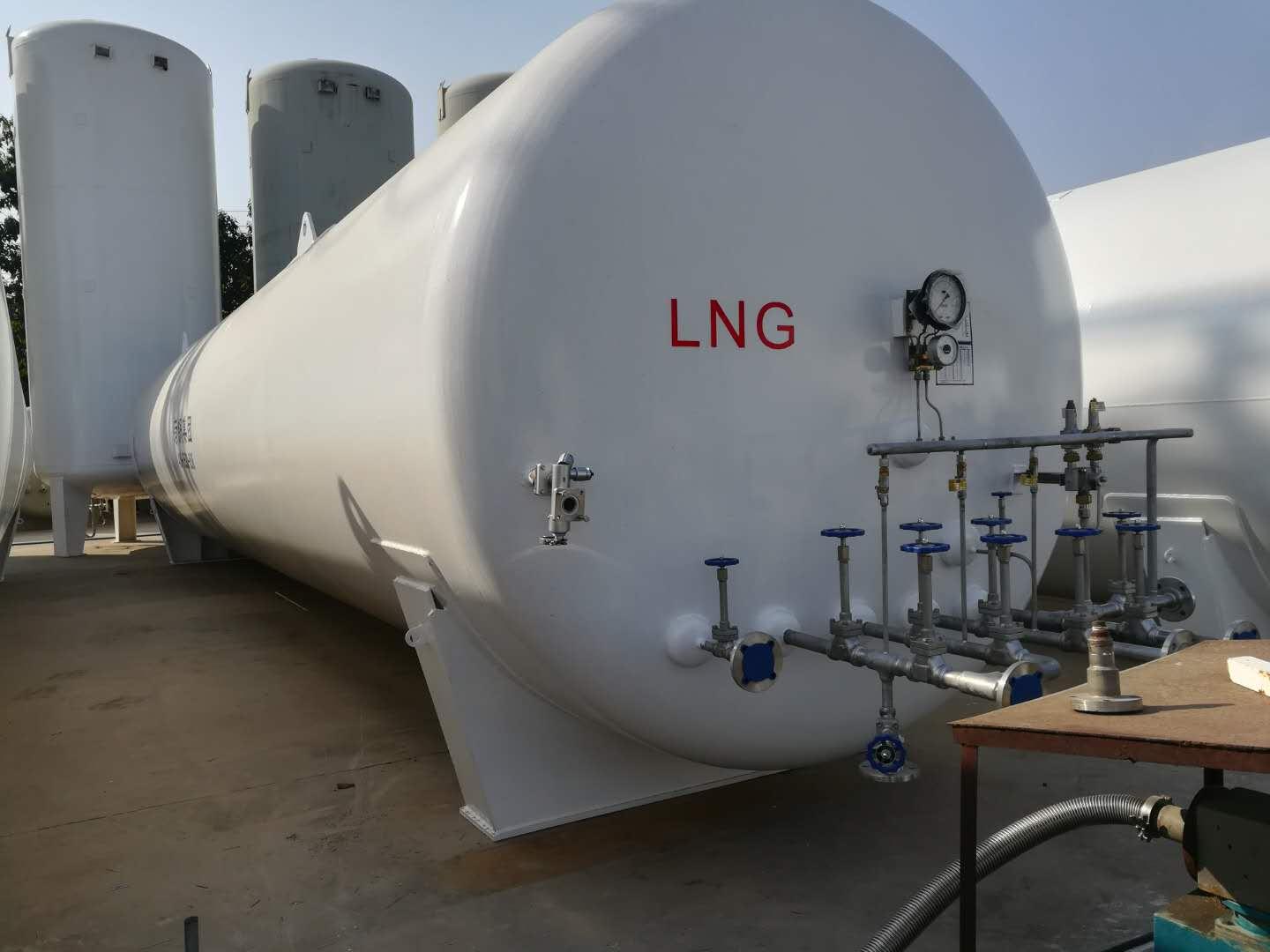
1、Natural Gas Storage TankLNG Storage System: The LNG storage system consists of low-temperature storage tanks, auxiliary pipelines, and control instruments. 2. Categorized by capacity: Small-scaleNatural Gas Storage Tank5-50 cubic meters, commonly used in civil gas liquefaction stations, LNG refueling stations for vehicles, etc.; medium-sizedNatural Gas Storage Tank50-100 cubic meters, commonly used in satellite liquefaction units, industrial gas vaporization stations, etc. 3Natural Gas Storage TankLNG pipelines commonly use austenitic stainless steel tubes. Austenitic stainless steel tubes possess excellent low-temperature properties. 4, VerticalNatural Gas Storage TankLNG Storage Tanks, insulated with vacuum powder insulation technology, featuring inner cylinder and pipeline materials made of OCr18Ni Austenitic stainless steel, and outer cylinder made of high-quality carbon steel Q345R pressure vessel steel plate. We offer a variety of sizes from 50 to 100 cubic meters.Natural Gas Storage Tank。5、Natural Gas Storage TankApplications: Chemical fuel, residential fuel, automotive fuel, co-generation, heat pumps, fuel cells, etc. 6Natural Gas Storage TankLiquefaction Process: Cascade liquefaction process, mixed refrigerant liquefaction process, expander-driven liquefaction process. 7,Natural Gas Storage TankThe liquefaction facility consists of natural gas pretreatment, liquefaction process, storage system, control system, and fire protection system.






















