






















4.1 Design Unit Selection: The selection of a design unit for the liquefied gas storage tank system engineering shall be handled by the project organization department of the provincial (city, district) companies. They should choose from the design institutes shortlisted in the sector, and obtain the signature of the supervisor for approval. The design unit should be qualified in petrochemical engineering design and industrial pipeline (GC2) design. 4.2 Site Survey: 4.2.1 The site survey should be conducted by the project organization department of the provincial (city, district) companies, organizing personnel from the construction, pipeline installation, quality safety departments of the branch company where the gas station is located, as well as from the design institute, etc. 4.2.2 For the research and survey of the gas station, it should be understood the existing internal underground pipeline routes and cable laying depth. For stations that cannot provide site pipeline data, pipeline detection technology should be used to determine the existing process, electrical, and drainage pipelines. 4.2.3 The construction department of the branch company where the gas station is located should propose suggestions on the scope of renovation, renovation methods [unloading vapor recovery system, refueling vapor recovery system (dispersed, centralized), and oil gas emission treatment facilities], and related equipment and facility renovations, based on the principle of economy and practicality and relevant requirements of the local government. After approval by the supervisor and the project organization department of the provincial (city, district) company, the design unit will base these on the design of the scheme. 4.3 Design Proposal: 4.3.1 The design proposal submitted by the design institute should include technical documents such as general layout, oil vapor recovery process diagrams, and main equipment and material lists. 4.3.2 The design proposal should be reported to the project organization department of the provincial (city, district) company, which will organize the pipeline installation, quality safety departments, construction personnel from the branch company where the gas station is located, and the design institute for proposal review, and report for the supervisor's approval. 4.4 Construction Drawing Design: 4.4.1 Equipment selection: The project organization department of the provincial (city, district) companies will provide a list of pre-qualified suppliers for vapor recovery equipment. The design institute will select the relevant equipment based on this list. Equipment selection should follow the principles of safety and reliability, advanced technology, economic practicality, and compliance with emission standards, and adopt products that are easy to install, convenient, and have minimal on-site renovation. 4.4.1.2 It is advisable to choose equipment from the same manufacturer in the same region for ease of after-sales service. 4.4.1.2 Gas stations with an annual gasoline sales volume of over 3,000 tons and more than 10 fuel guns should use a centralized refueling vapor recovery system; others should use a dispersed refueling vapor recovery system. 4.4.1.3 Different types of fuel vapor recovery technology and equipment should be selected based on the internal space of the fuel dispenser. For example, a secondary recovery dispersed vacuum pump should use a smaller power, driven by the existing power supply of the fuel dispenser, and it should not require additional power cable laying. 4.4.1.4 The oil gas emission treatment facilities should be selected based on the surrounding environment, site size, and business volume of the gas station. The maximum oil gas treatment capacity of the oil gas emission treatment facilities should be 10% to 20% of the maximum fuel volume. 4.4.2 Construction Drawing Design: 4.4.2.1 The design institute will conduct construction drawing design based on the approved design proposal. 4.4.2.2 The liquefied gas storage tank pipeline should use seamless steel pipes that comply with the current national standard "Seamless Steel Pipes for Fluid Transportation" GB/T8163. The design pressure of the oil product pipeline should not be less than 0.6 MPa, and the design pressure of the oil vapor recovery pipeline should not be less than 0.13 MPa. Flexible materials such as thermoplastic plastic pipelines should not be used.

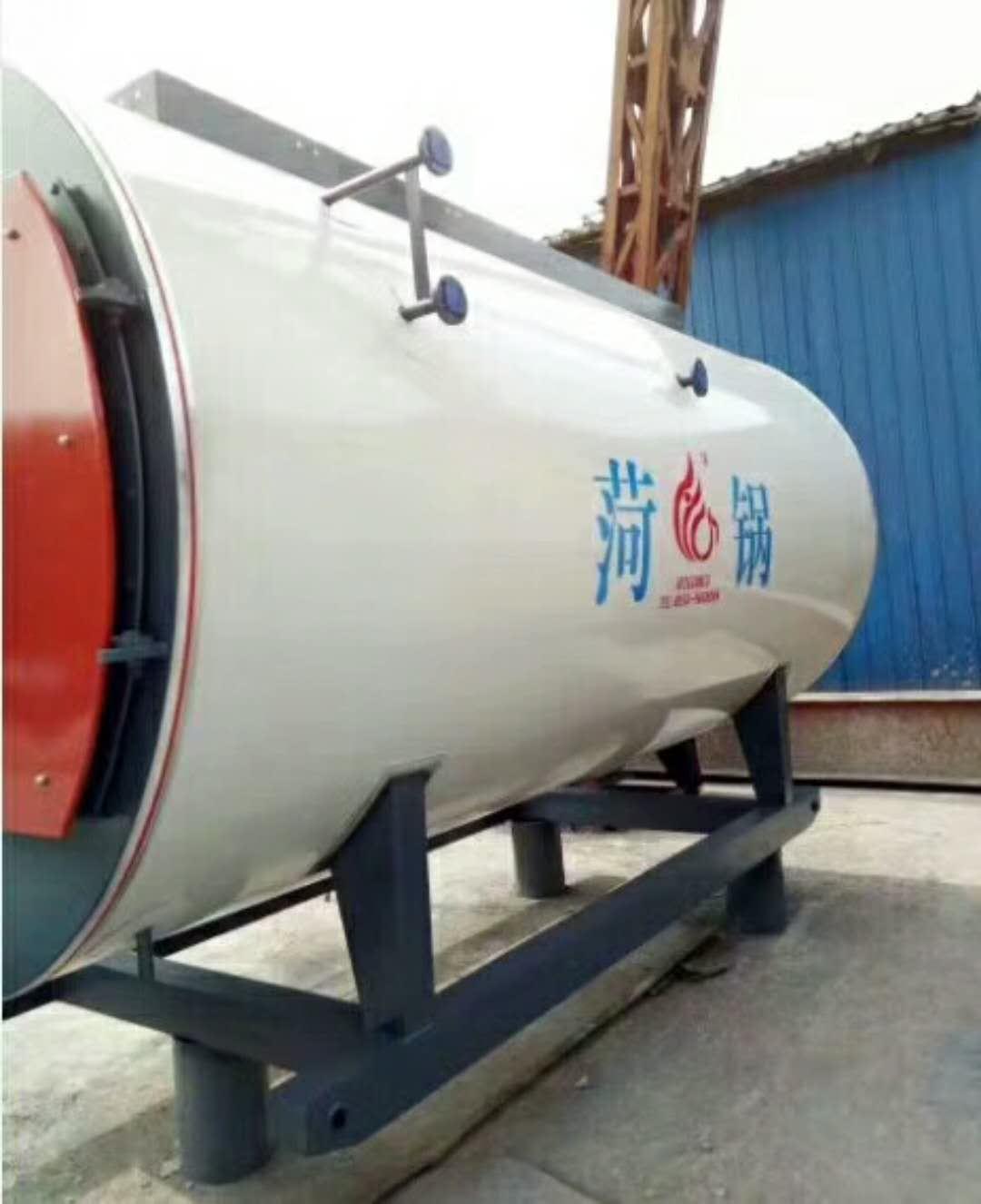
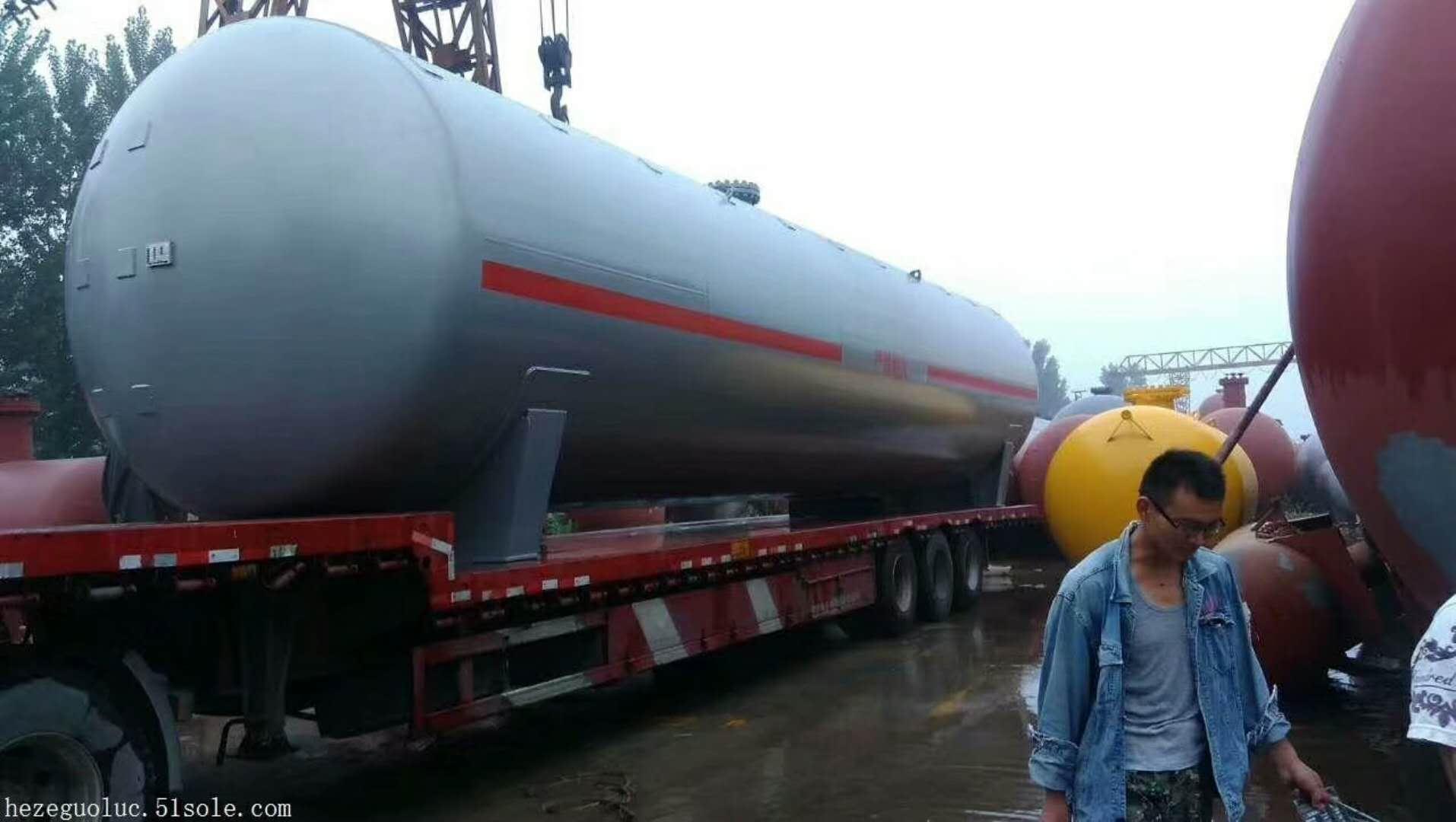
 The material used for the liquefied gas storage tank is Q345R, a special steel plate for pressure vessels. This equipment has undergone high-temperature heat treatment. Heze Boiler Factory Co., Ltd. is one of the outstanding private enterprises in the domestic pressure vessel manufacturing industry, particularly competitive in independent low-temperature storage tanks, low-temperature insulated storage tanks (liquid CO2, liquid nitrogen, liquid oxygen, liquid argon), frame-type low-temperature insulated storage tanks/tanks, frame-type tank containers, as well as other chemical pressure vessels.Liquid Ammonia Storage Tanks, Liquid Chlorine, Ethylene Oxide Storage Tanks,Ethylene, Propane Storage Tank,Propylene)Aspects, After years of accumulation, we have developed a series of products, user solutions, and equipment installation and debugging technologies, offering comprehensive solutions including consultation, design, production, integration, and installation debugging services.
Liquefied gas storage tanks are pressure vessels used for storing liquefied petroleum gas. They are special equipment that can only be produced by enterprises approved by the National Quality Supervision and Inspection总局. These tanks require a Class 3 pressure vessel design and manufacturing qualification issued by the state. Shandong Heze Boiler Factory Co., Ltd. is a state-approved design and manufacturing enterprise for Class 1, 2, and 3 pressure vessels, capable of producing pressure vessels such as liquefied gas storage tanks under 200 cubic meters. It is one of the few companies that can produce such products.200Cube Enterprise.
Advantages of our liquefied gas storage tanks:
One, our company conducts an annual quality assessment for all suppliers to ensure supplier quality.
Two, all major pressure materials are made of customized steel plates from Jining Steel and Anyang Steel, with all plate thickness deviations exceeding national standards.***Standard Specifications50m3For example, with a liquefied gas storage tank, to ensure the design service life of the tank, the nominal thickness of the standard cap is14mm, but our company uses customized steel plates for our caps***thin thickness14.7mmSteel plates. (Other companies have limited production capacity and cannot customize steel plates; either directly purchase14mmSteel plate, which may result in premature scrapping during future inspections due to insufficient thickness of the head curvature; either adopt16mmSteel plate manufacturing, resulting in resource wastage and imposing additional costs on the customer.
Section 3: Prior to the production process in the manufacturing workshop, the customized steel plates procured need to...100%Ultrasonic re-inspection to further ensure steel plate quality, guaranteeing superior product quality.
Four: Products are produced on an assembly line with standardized operations. This has increased efficiency, ensured the smooth operation of the quality system, and guaranteed product quality.
Five, the main body of the product is焊接 with both internal and external automatic welding, ensuring proper welding shape and internal quality.
All pressure-bearing parts are焊接with full penetration structures to ensure welding strength.
All LPG storage tanks undergo full-stroke stress-relieving heat treatment. The company has constructed two gas-fired full-stroke heat treatment furnaces, with a single furnace having a treatment capacity of300Bulk Storage TankDN≤4000mm,LTotal ≤25000mmThe product's lifespan and safety quality are greatly influenced by its usage. It's also a major highlight of our company's sales.
Inspection (at various inspection points)
Eight: Throughout the product manufacturing process, from raw materials to factory to product inspection and shipment, establish various inspection checkpoints to effectively control product quality.
All main weld seams100% XRadiation Detection, Fittings, FlangesC、DWelding-type100%Surface flaw detection ensures welding quality. The company has a non-destructive testing room and is staffed with certified inspectors at various levels.
Ten, individual hydrostatic testing to ensure equipment strength safety; individual air tightness testing to guarantee equipment sealing performance. After hydrostatic testing, internal air blowing and cleaning.
Eleven, the company has2A cabinet shot blasting room, all tanks are treated with an air-powered steel shot blasting rust removal process, ensuring both the exterior quality and paint quality. (After the overall shot blasting and rust removal, it can significantly extend the lifespan of the paint.) Apply two coats of anti-rust primer, followed by two coats of topcoat; four layers of paint guarantee that the tank will not peel for five to ten years, and with good maintenance, it can last up to twenty years without repainting.
Twelve, large output, customers can see the real products at the company. Regular products are available in stock, allowing clients to shorten their construction cycle and make money sooner.
Thirteen: Witnessing the Project4000Customers above, worldwide coverage, giving you peace of mind in your purchase.