



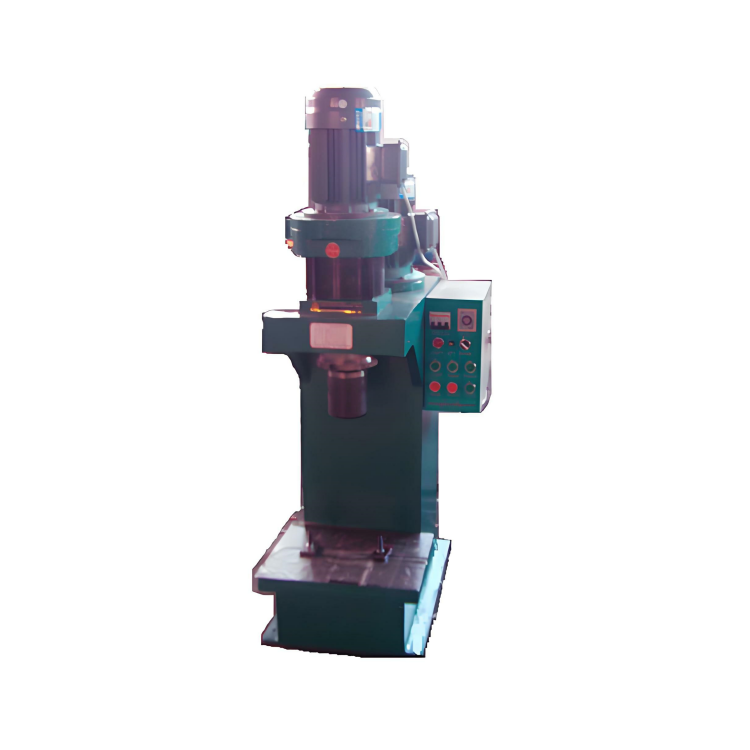

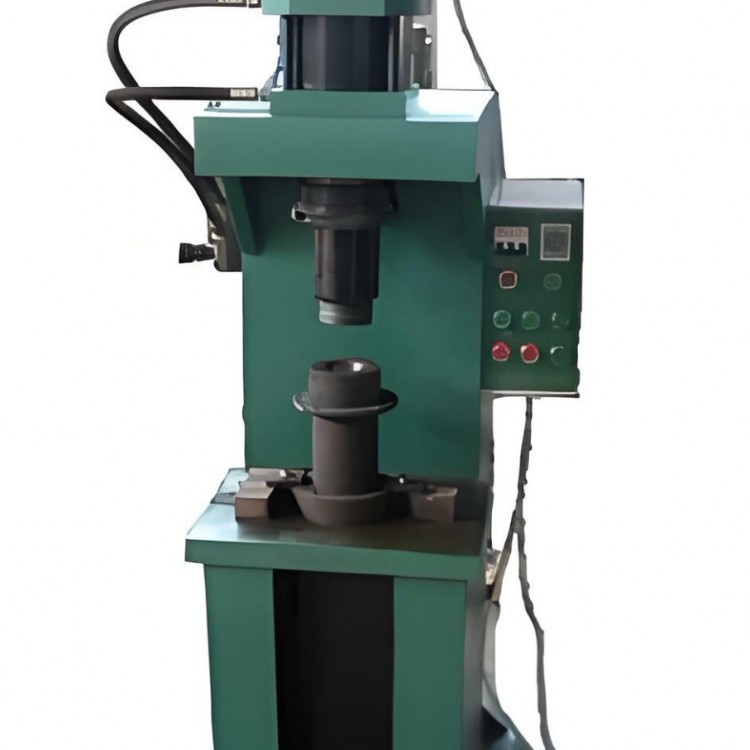
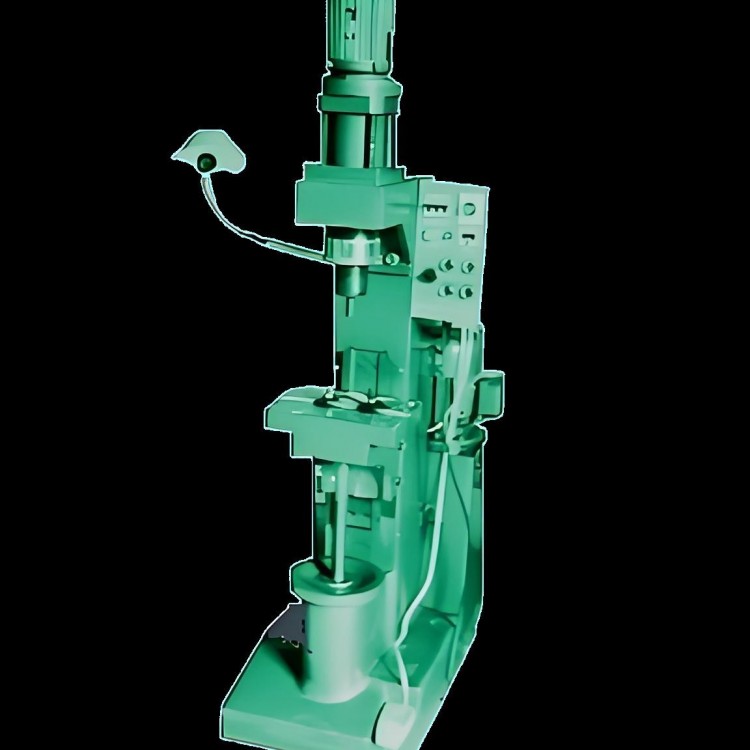













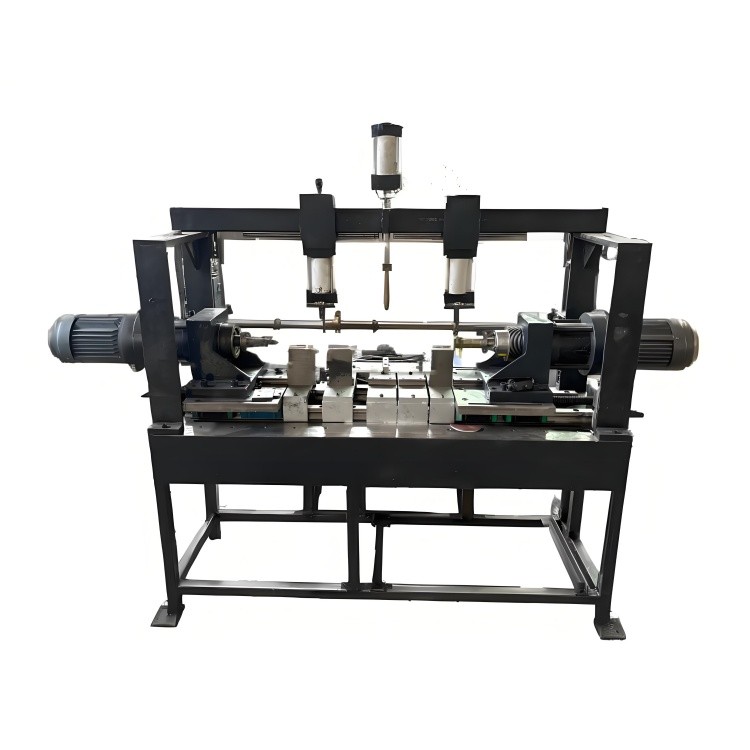
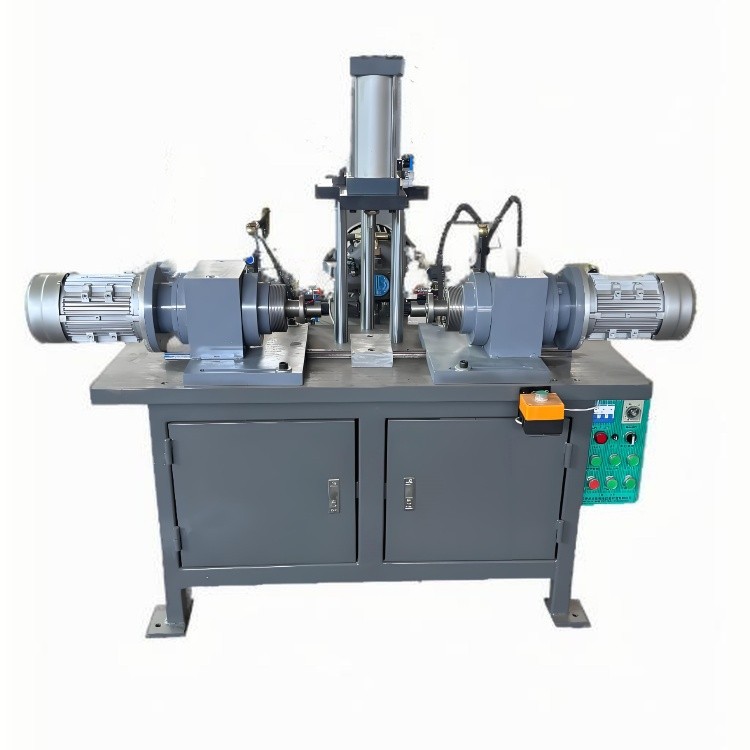
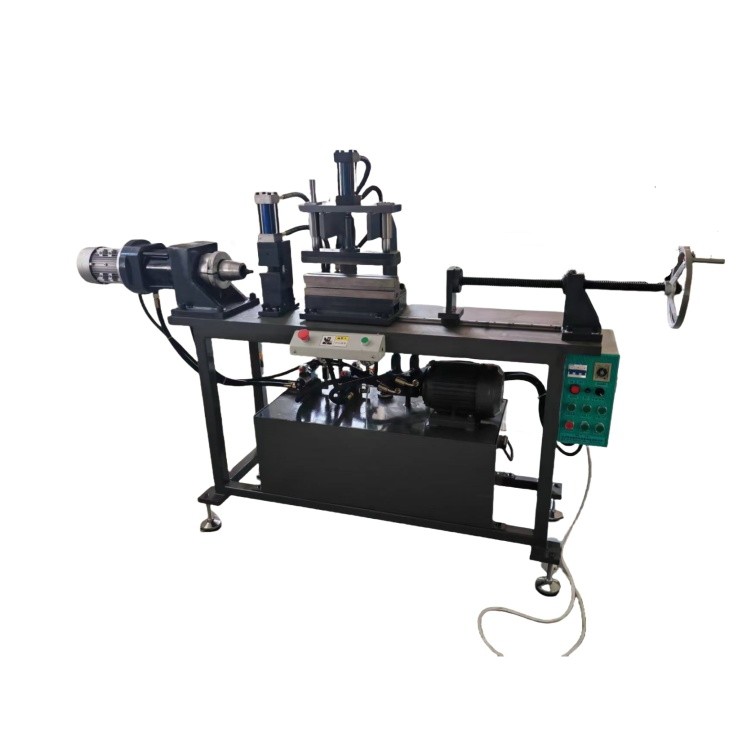
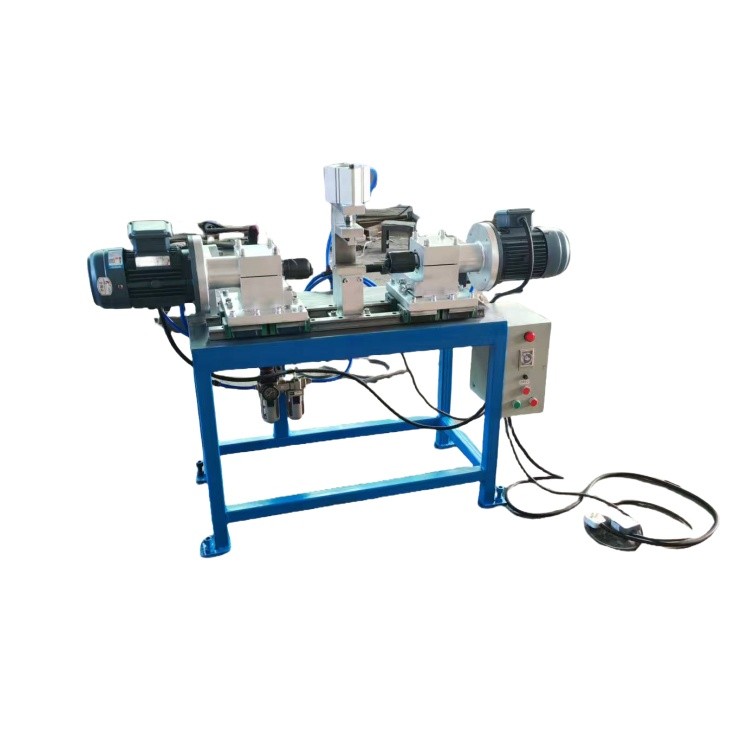
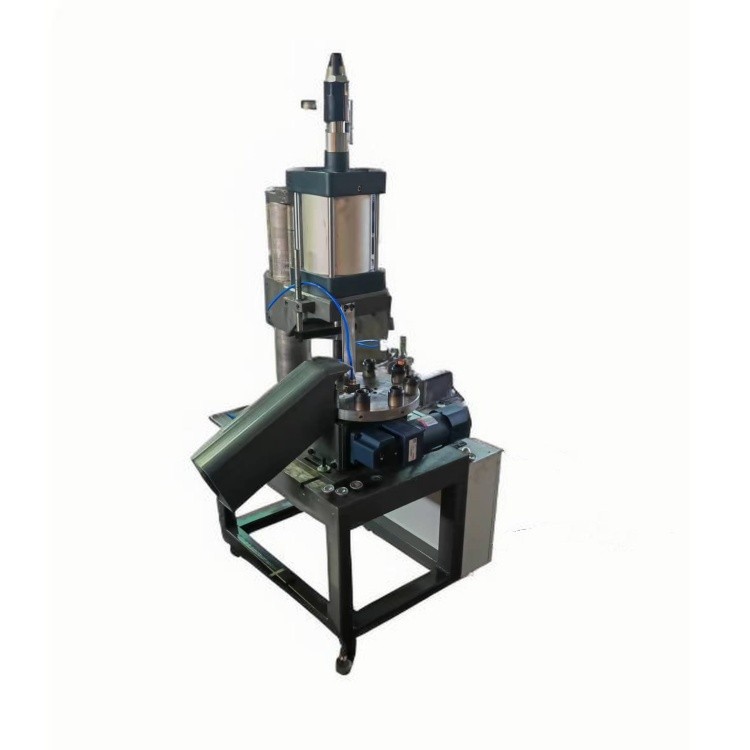
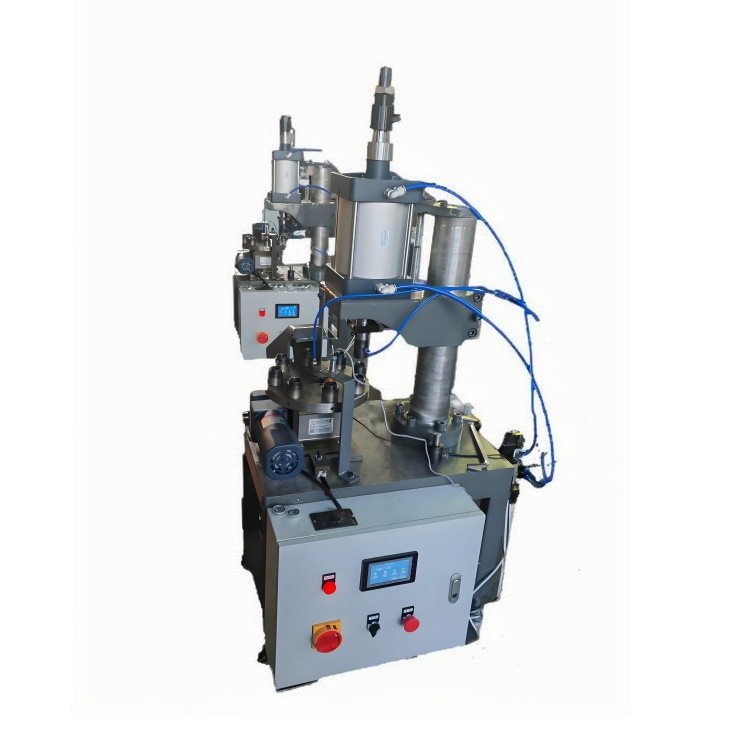
The hydraulic spin riveting machine connects two or more layers of boards with different materials and thicknesses by utilizing a stamping machine and a connecting mold. Through a high-pressure, instantaneous process, it forms a stress-free, internally embedded round point with certain tensile and shear strength, based on the cold extrusion deformation of the board material itself.
The hydraulic spin riveting machine has no surface requirements for the plate parts and does not damage the existing coatings or paints at the connection points. The process is highly automated, allowing for single-point or multi-point connections simultaneously, and can perform undamaged strength testing and full-process automatic monitoring, resulting in high production efficiency. The non-rivet connection technology is a new method that is gradually replacing traditional outdated connection techniques due to the economic and technical shortcomings of existing methods. Taking spot welding as an example, the equipment is expensive, the connection costs are high, and it is difficult to connect multi-layer plates, coated plates, or aluminum, copper, and stainless steel plates. Moreover, it cannot connect painted plates, plates of different materials, plates with significant thickness differences, or plates with an inner core. Additionally, spot welding connections damage the plate surface coatings and can cause thermal deformation. Furthermore, it cannot automatically detect all unreliable factors during the connection process. Moreover, using traditional connection methods, the cost per piece is excessively high, as seen in riveting or threaded connection methods, where the preparation, corresponding transportation, and component costs can lead to significant expenses.



















