


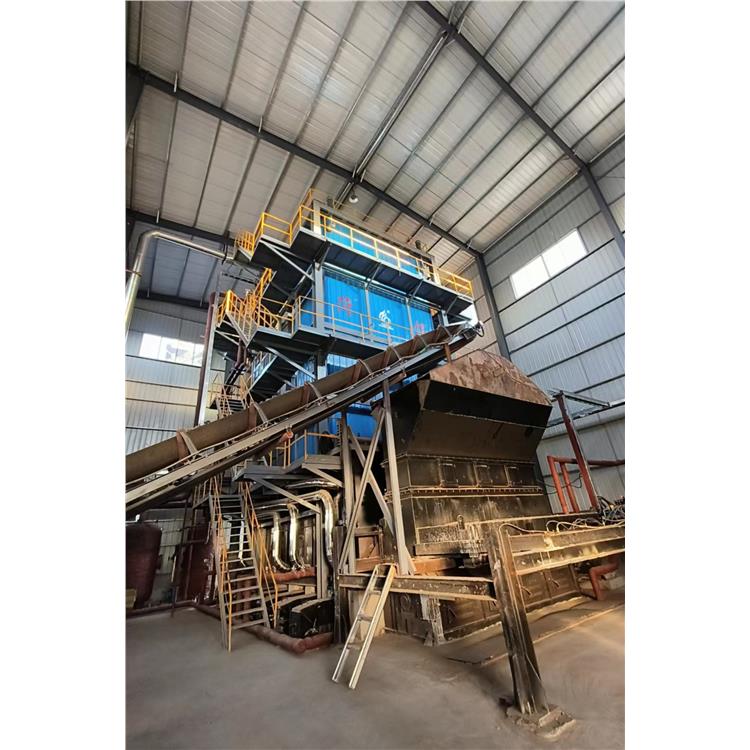

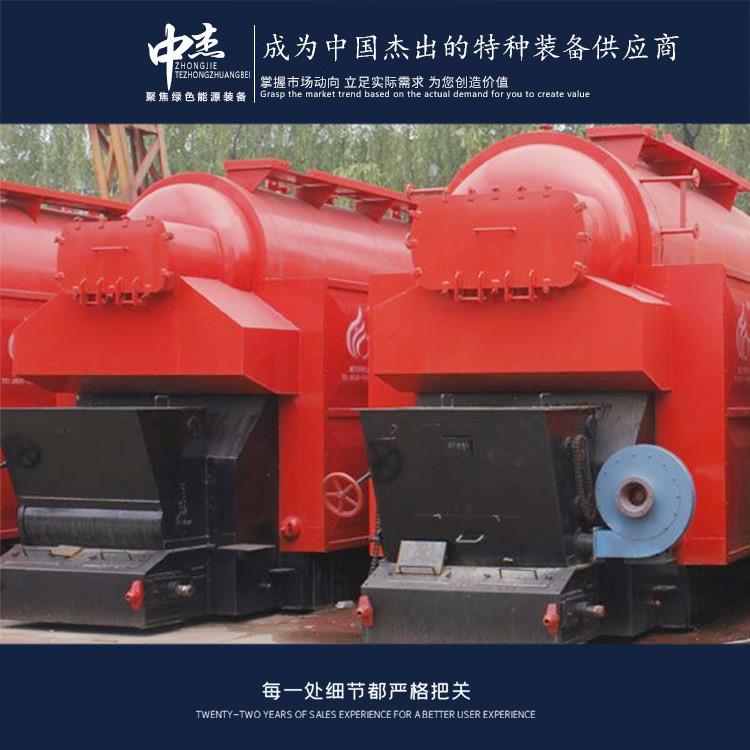
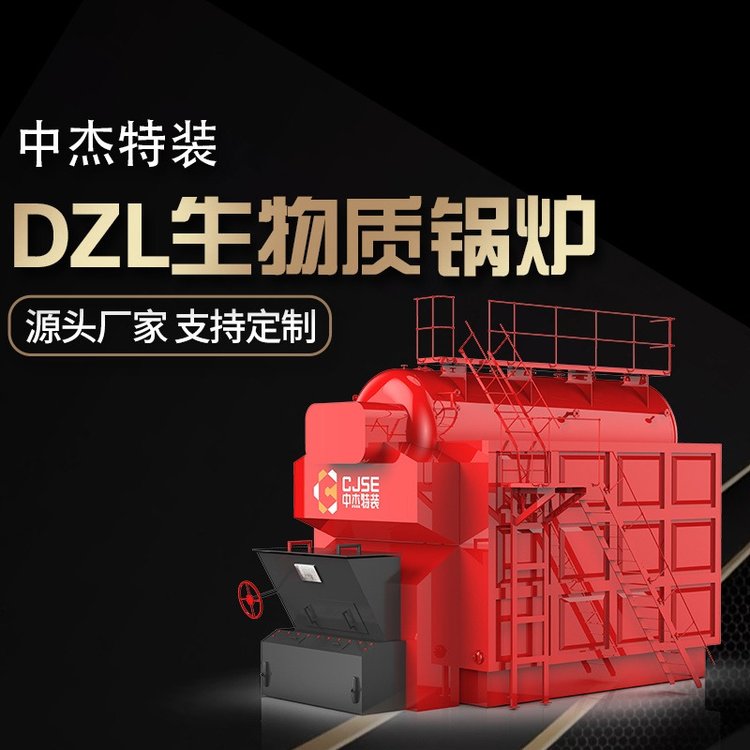



















Shandong Zhongjie Special Equipment (formerly Heze Boiler Factory Co., Ltd.) was established in 2001, located at No. 2218 Jinnan Road, Development Zone, Heze City, with a registered capital of 50 million yuan and total assets of 500 million yuan. The company has 7 business centers: boilers, deep-freeze containers, pressure vessels, central air conditioning, engineering installation, international trade, and Internet of Things. It has three factory sites on Jinnan Road, East Changjiang Road, and Bohai Road, covering a total of 200,000 square meters, with the main workshop area being 83,000 square meters. It currently employs 710 people, including 247 engineers and technicians and 82 intermediate-level technicians. In December 2016, it was recognized as a "High-tech Enterprise" by the Science and Technology Department. In June 2021, it was identified as a "Specialized and New Enterprise in Shandong Province" by the Ministry of Industry and Information Technology. In June 2022, it was recognized as a "Gazelle Enterprise in Shandong Province" and in August 2022, it was identified as a "Specialized and New Small Giant Enterprise" by the Ministry of Industry and Information Technology.
Biomass boiler combustion offers the following energy-saving features compared to traditional fuel boilers:
Combustion: The combustion technology and design of biomass boilers enable the combustion of biomass fuel. Compared to traditional fuel boilers, biomass boilers have higher combustion efficiency, allowing for more effective energy utilization from the fuel, thereby reducing energy waste.
Heat Recovery Utilization: Biomass boilers are equipped with a heat recovery system that can use the excess heat from combustion for the heating system, improving energy efficiency. The heat from flue gas in traditional fuel boilers is often wasted, but biomass boilers can recover and utilize this heat from flue gas, reducing energy waste.
Renewable Energy Utilization: Biomass boilers utilize renewable biomass fuels such as wood chips, straw, and discarded crops, reducing dependence on finite fossil fuel resources. Compared to traditional fuel boilers, biomass boilers have a more sustainable fuel source, enabling the sustainable use of energy.
Carbon Emission Reduction: The combustion of biomass fuel results in lower carbon emissions compared to traditional fuel boilers, reducing carbon emissions from biomass boilers. The use of biomass boilers can decrease greenhouse gas emissions, making them more environmentally friendly.
Waste Utilization: Biomass boilers can use agricultural residues like straw and wood waste as fuel, effectively utilizing waste resources and reducing resource waste. Compared to traditional fuel boilers, biomass boilers have a more diverse fuel source and can achieve effective utilization of waste.
Several factors should be considered when selecting a suitable biomass boiler:
Fuel Type: First, determine the available biomass fuel types, such as wood chips, straw, etc. Different biomass fuels have varying characteristics, including moisture content, ash content, calorific value, etc., and it is necessary to select a boiler suitable for the fuel type.
Boiler Capacity: Determine the required steam or hot water output based on actual needs and select an appropriate boiler capacity. Over-sizing results in energy waste, while undersizing may not meet demand.
Combustion Efficiency: Focus on the boiler's combustion efficiency, which is the ratio of fuel converted to heat energy. High combustion efficiency enhances energy utilization and reduces operating costs.
Equipment Quality and Reliability: Select biomass boilers and suppliers with excellent quality and reliability to ensure long-term stable operation and ease of maintenance for the equipment.
Environmental Performance: Focus on the environmental performance of the boiler, including emission standards and reduction of pollutants. The selected biomass boiler is beneficial for environmental protection and compliance with relevant regulations.
Economic Efficiency: Choose a cost-effective biomass boiler by considering the overall purchase, operation, and maintenance costs of the boiler.
Adaptability and flexibility: Select biomass boilers with high adaptability and flexibility to meet actual demand and application scenarios, capable of accommodating various fuel types and operational conditions.
When selecting biomass boilers, consult with boiler suppliers or engineers to conduct technical assessments and economic analyses based on specific situations, and choose the appropriate type and specification of biomass boiler.
Utilizing waste heat from biomass boilers is a crucial method to enhance energy efficiency and reduce energy consumption and emissions. Here are some common applications and analyses of waste heat recovery technologies in biomass boilers:
Economical Air Preheater: Biomass boiler flue gas contains a significant amount of heat energy. The economical air preheater can recover and utilize this excess heat, preheating the air entering the boiler to enhance combustion efficiency. By recovering waste heat, fuel consumption can be reduced and flue gas emissions minimized.
Economizer: An economizer is a device used to recover waste heat from flue gases by transferring the heat to the boiler feed water, thus increasing the feed water temperature and reducing fuel consumption. The application of an economizer can effectively lower the flue gas temperature of the boiler and improve its thermal efficiency.
Waste Heat Boilers: Waste heat boilers are equipment that utilizes the waste heat from biomass boiler flue gas to produce steam or hot water. By converting the waste heat in flue gas into usable thermal energy, they achieve energy reuse and enhance energy utilization efficiency.
Direct Utilization of Flue Gas: The waste heat from biomass boiler flue gas can be directly used for heating or drying processes, reducing the demand for other energy sources. For instance, the flue gas can be transported through chimneys or pipelines to the locations requiring heating, where its thermal energy is directly utilized.
Flue Gas Heat Recovery System: The flue gas heat recovery system recovers and utilizes the waste heat from biomass boiler flue gas to supply other equipment or systems, such as air conditioning, heating, and hot water. This enables comprehensive energy utilization, enhancing overall energy efficiency.
Biomass boilers for centralized heating are those applied in the centralized heating systems of cities or large buildings. Below is an analysis of the technical features of biomass boilers for centralized heating:
Combustion Technology: The biomass boiler used for centralized heating adopts combustion technologies such as fluidized bed combustion and chain grate combustion, which enable the combustion of biomass fuel and improve energy utilization efficiency.
Multi-fuel Compatibility: Central heating biomass boilers are highly adaptable to various biomass fuels such as wood chips, straw, and waste crops, offering flexible fuel options.
Automated Control System: The automated control system for biomass boilers used in centralized heating can achieve automatic adjustment and operation control of the boiler, enhancing stability and safety in operation.
Flue Gas Purification Technology: Flue gas purification equipment, such as dust collectors, desulfurization units, and denitrification units, installed on biomass boilers for centralized heating, can effectively reduce emissions generated during the combustion process and protect the environment.
Heat Recovery Utilization: Biomass boiler for centralized heating is equipped with a heat recovery system, which can utilize the waste heat from combustion for the heating system, improving energy efficiency and reducing energy consumption.
Remote Monitoring and Management: Biomass boilers for centralized heating can be monitored and controlled in real-time through a remote monitoring and management system, enhancing operational efficiency and convenience.
Sustainable Development: Central heating biomass boilers utilize renewable biomass fuel, reducing reliance on fossil fuels, with lower carbon emissions and environmental impact, in line with sustainable development requirements.
In summary, centralized heating with biological
Shandong Zhongjie Special Equipment, welcome customers to visit our factory for business discussions.
WeChat Official Account

Scan to follow Official Account