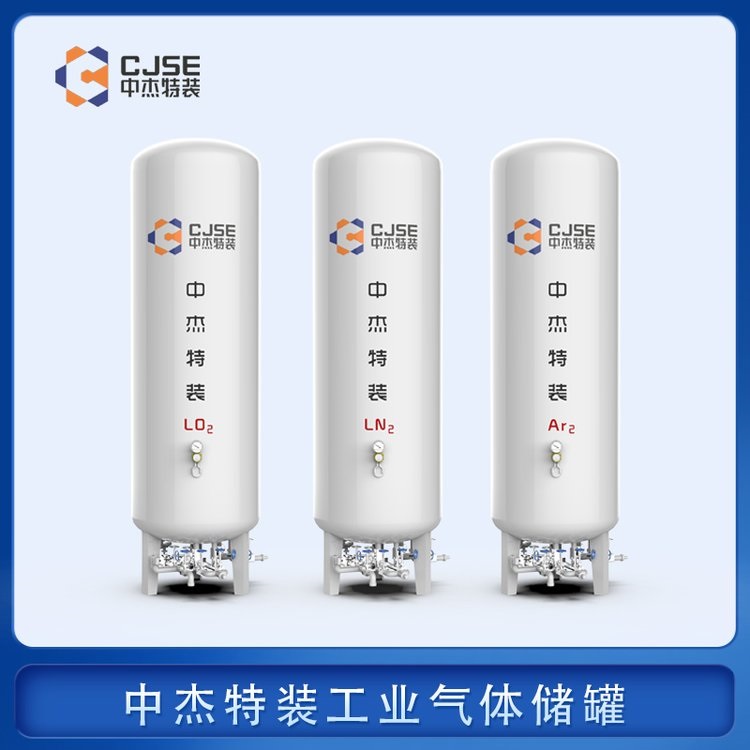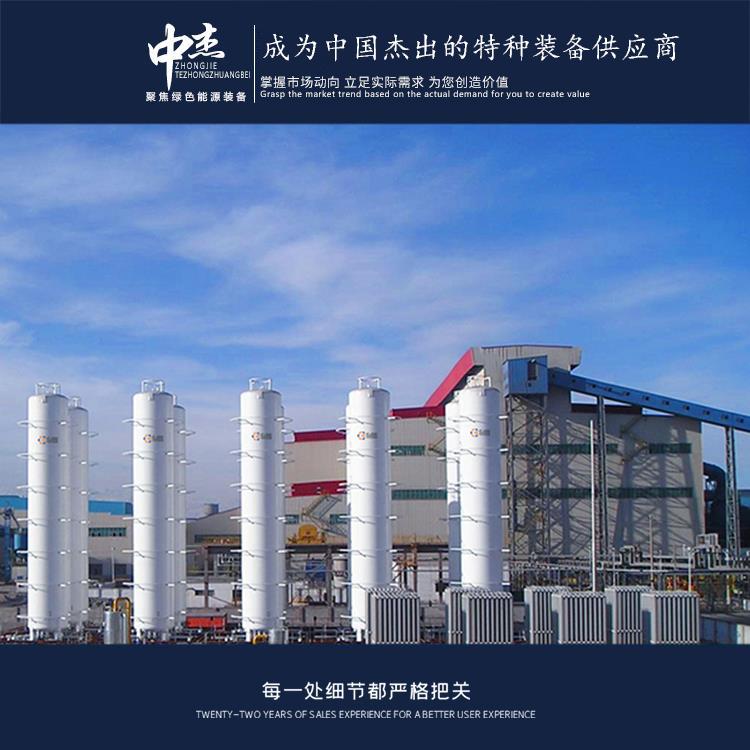

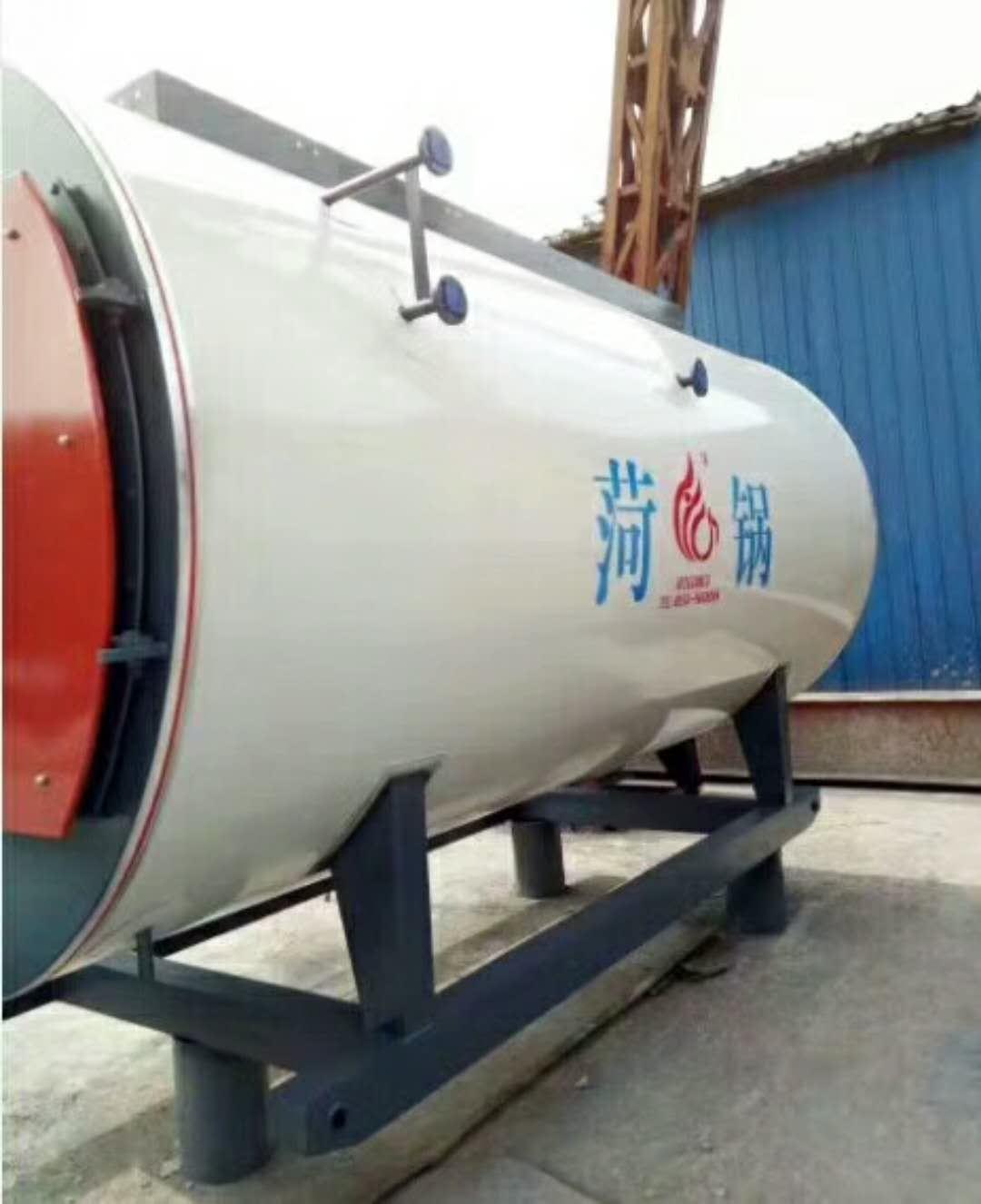
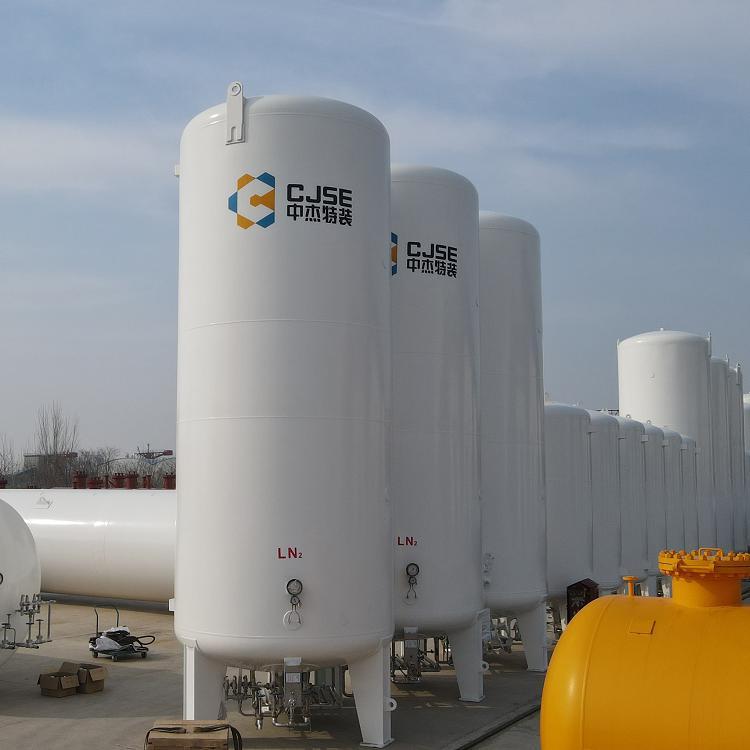
















Shandong Zhongjie Special Equipment Co., Ltd. specializes in the following products: fuel (gas) boilers, organic heat carrier boilers, biomass boilers, waste heat recovery boilers, and other boiler products; vacuum insulation cryogenic pressure vessels such as LNG storage tanks, oxygen/nitrogen/argon storage tanks, and CO2 storage tanks; pressure vessel products including denitrification engineering equipment, heat storage and energy storage equipment, and complete chemical equipment sets; central air conditioning and HVAC equipment such as ground (water) source heat pumps, air source units, water-cooled screw units, and air-cooled modular units. Planned products include large-scale energy centers, LNG transport vehicles, LNG tank containers, and other green energy equipment.
When first using a liquid nitrogen tank, there are some precautions to consider for safe and effective operation. Here are some suggested points to keep in mind:
Safe Operation: Liquid nitrogen is a cryogenic liquid with strong refrigerating and asphyxiating effects. When handling liquid nitrogen tanks, appropriate personal protective equipment must be worn, such as insulating gloves and protective suits. Avoid direct contact with liquid nitrogen to prevent injury or other harm.
Ventilation Environment: Liquid nitrogen evaporation produces a large amount of gas, which may displace other gases, leading to a decrease in oxygen content in the air. Therefore, when using liquid nitrogen tanks, it is essential to ensure proper ventilation in the operating area to prevent oxygen deficiency.
Tank Inspection: Before first use of the liquid nitrogen tank, thoroughly inspect its appearance and seal integrity. Ensure there are no obvious damages, leaks, or other safety hazards. If any issues are found, they should be repaired or the tank replaced promptly.
Tank Filling: Prior to the first use of the liquid nitrogen tank, it is necessary to fill it with liquid nitrogen. During the filling process, adhere to the correct operational steps and safety procedures to ensure a safe and reliable filling operation. Additionally, monitor and control the filling speed and pressure to avoid excessive tank pressure and temperature rise.
Labeling and Record Keeping: Prior to the initial use of the liquid nitrogen tank, relevant information should be labeled on the tank, such as the stored medium, capacity, manufacturing date, etc. It is also recommended to establish a tank usage record, including filling dates, filling quantities, usage details, etc., for future traceability and management.
Note that the use of liquid nitrogen tanks involves safety risks such as low temperatures and high pressures. Operators should receive training and strictly adhere to the relevant operational procedures and safety measures. If you are not familiar with the operation or have any doubts, it is recommended to consult experts or relevant institutions for guidance.
Liquid Argon Storage Tanks are equipment used for storing and transporting liquid argon, featuring the following characteristics:
Low Temperature Retention Performance: The liquid argon tank is equipped with special insulation materials and structural design, effectively maintaining the low temperature state of liquid argon. The tank is internally lined with insulation to minimize heat transfer and loss, ensuring long-term storage of liquid argon.
High-seal performance: The liquid argon storage tank boasts excellent sealing capabilities, effectively preventing leaks and evaporation of liquid argon. The tank's valves, connectors, and sealing components are precision-designed and manufactured, ensuring reliable sealing performance.
High strength and corrosion resistance: The liquid argon tank is made of high-strength materials, capable of withstanding the high pressure and low temperature of liquid argon. Both the internal and external surfaces of the tank are specially treated for excellent corrosion resistance, capable of resisting corrosion and oxidation from liquid argon.
Safety Features: The liquid argon storage tank is equipped with multiple safety protection measures, including safety valves, pressure sensors, and level monitoring devices. These devices monitor and control the tank's pressure, temperature, and level to ensure the tank operates within a safe range.
Reliability and stability: The liquid argon storage tank has undergone rigorous design, manufacturing, and testing, offering excellent reliability and stability. The tank is capable of long-term stable storage and transportation of liquid argon, ensuring that the quality and performance of the liquid argon remain unaffected.
Easy to Operate and Maintain: The liquid argon tank is relatively simple to operate and maintain, equipped with valves and fittings that are easy to use. The maintenance work mainly includes regular inspections, cleaning, and repairs, which can extend the service life of the tank.
The performance features of liquid argon storage tanks make them crucial for the storage and transportation of liquid argon, widely used in scientific research, industry, and other fields. When using liquid argon storage tanks, it is essential to strictly adhere to the relevant operational specifications and safety requirements to ensure safe usage.
Safety operation and transportation of liquid oxygen tanks should be mindful of the following points:
Safe Usage Instructions:
Tank Selection: Choose liquid oxygen tanks that comply with regulations and standards, ensuring their quality and safety performance.
Tank Installation: Tanks should be installed on a solid foundation to ensure stability. Additionally, good ventilation should be maintained around the tank, and it should be kept away from flammable materials and heat sources.
Sealability Inspection: Regularly check the sealing performance of the storage tank to ensure there are no leakage issues at valve and pipeline connections.
Pressure Control: Tanks should be equipped with pressure gauges and safety valves, with regular inspections and maintenance to ensure pressure remains within safe limits.
Fire Prevention Measures: Liquid oxygen contains a high concentration of oxygen, which is prone to cause fires. Set up fire walls around the storage tanks, prohibit smoking and open flames, and ensure safety.
Static protection: During the transportation and use of liquid oxygen, static electricity may cause sparks, increasing the risk of fire. Measures such as using conductive materials and anti-static equipment should be taken to reduce the accumulation and release of static electricity.
Shipping Precautions:
Transportation Vehicle Selection: Choose transportation vehicles that meet the requirements for liquid oxygen transport, ensuring their safety and sealing.
Loading and Unloading: During the transportation of liquid oxygen, appropriate loading and unloading procedures should be adopted.
Proper management regulations for the use of low-temperature liquid storage tanks encompass the following aspects:
Tank Selection and Installation: Choose an appropriate low-temperature liquid tank and ensure it complies with relevant standards and regulations. Installation of the tank should be carried out by personnel and operated according to the manufacturer's instructions and requirements to ensure stability and safety.
Safety Operating Procedures: Establish and implement safety operating procedures for liquid storage tanks, including start-up, shutdown, filling, venting, and other operational steps. Operators must undergo training to understand the characteristics of liquid storage tanks, safety precautions, and emergency response measures.
Safety Equipment and Protective Measures: Tanks should be equipped with essential safety devices such as pressure sensors, safety valves, and leak detectors to monitor and control the tank's pressure and temperature. Additionally, operators should wear appropriate personal protective equipment, like insulating gloves and protective suits, to ensure their safety.
Regular Inspections and Maintenance: Conduct regular inspections and maintenance on low-temperature liquid storage tanks, including checking the tank's appearance, seal integrity, and corrosion prevention measures. If any issues are identified, they should be promptly repaired or the tank replaced to ensure proper operation and safety.
Waste Management: Abandoned low-temperature liquid storage tanks should be disposed of in accordance with relevant environmental protection regulations. Residual liquids in abandoned tanks should be properly handled to prevent environmental pollution.
Tank Records and Tracking: Establish tank usage records, including filling dates, quantities, and usage status. Additionally, it is recommended to implement a tank tracking system for monitoring and managing tank usage and maintenance.
Above are some common management regulations for low-temperature liquid storage tanks, with specific regulations potentially varying by industry and region. When using low-temperature liquid storage tanks, it is essential to comply with relevant laws and standards and to establish suitable management measures based on actual circumstances.
Shandong Zhongjie Special Equipment, welcome customers to our factory for business discussions.