


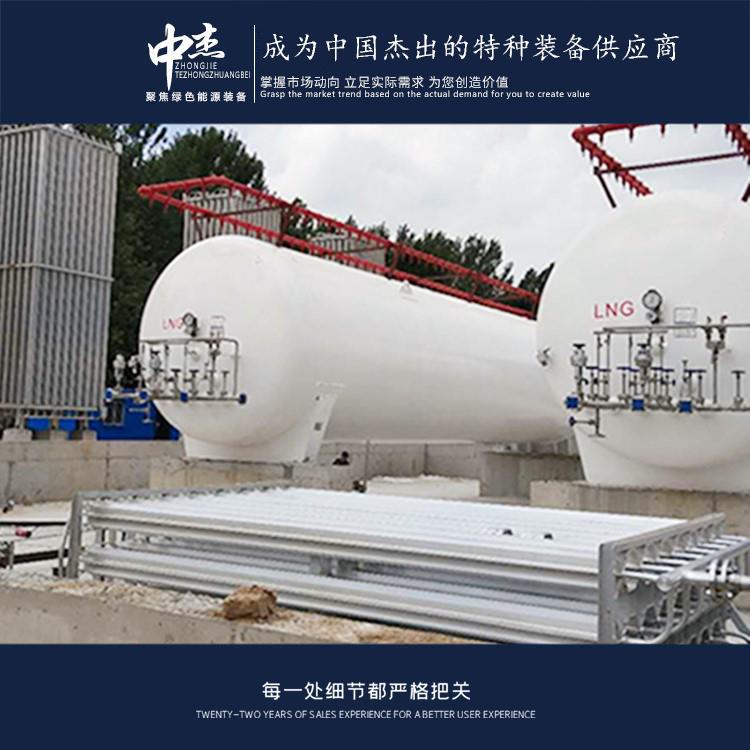

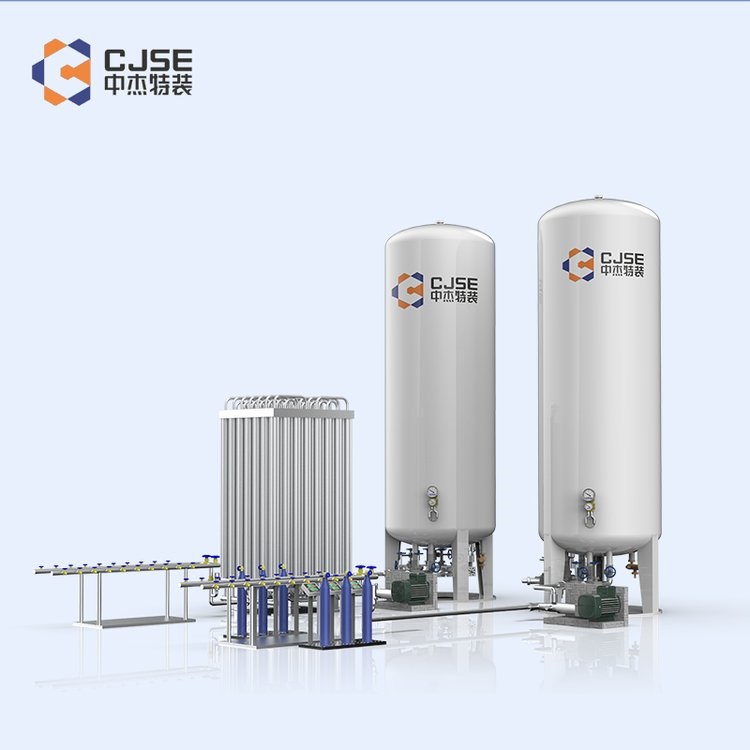
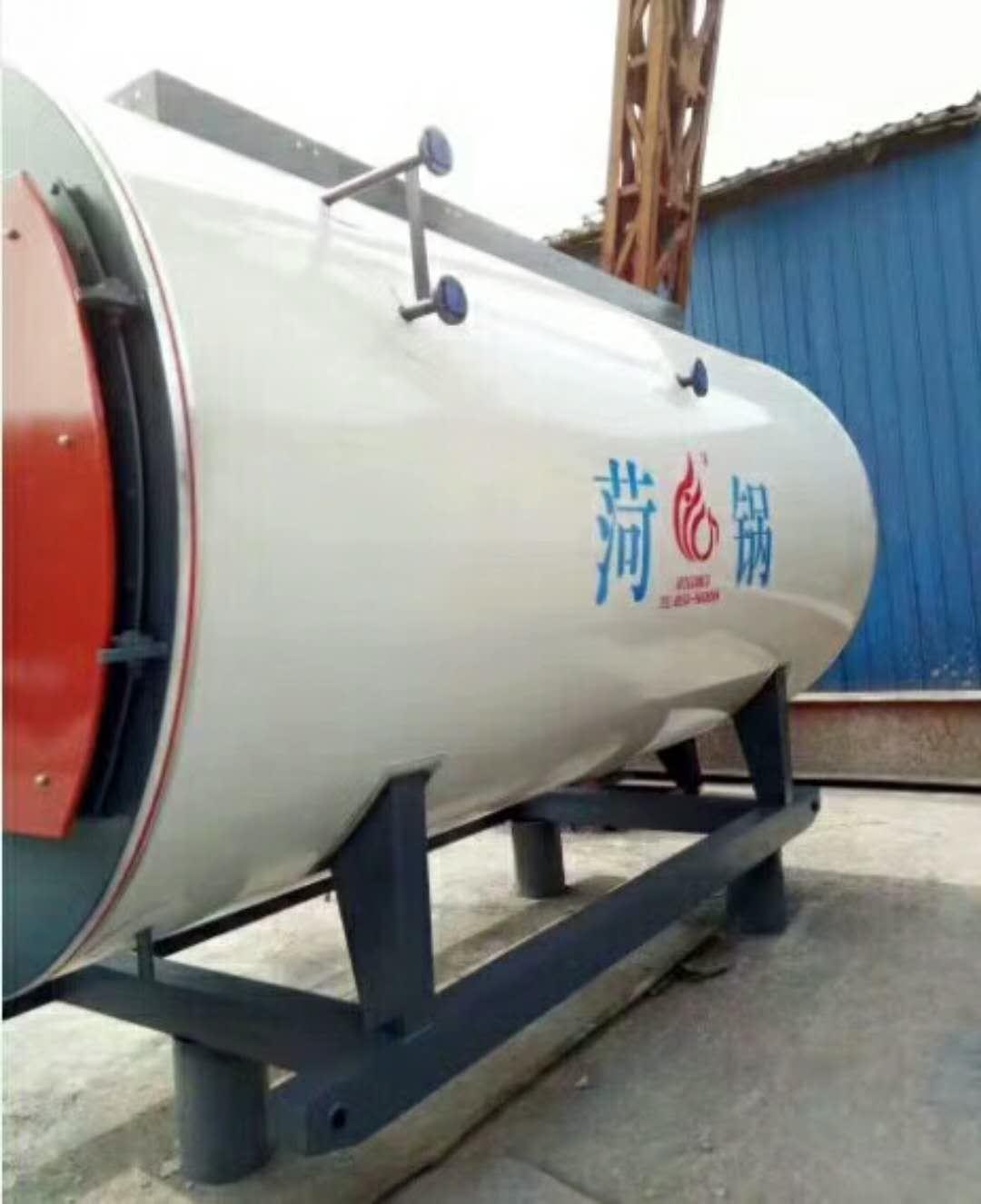



















Shandong Zhongjie Special Equipment's main products include: fuel (gas) boilers, organic heat carrier boilers, biomass boilers, waste heat boilers, and other boiler products; vacuum insulation cryogenic pressure vessels such as LNG tanks, oxygen/nitrogen/argon tanks, CO2 tanks; pressure vessel products like denitrification engineering equipment, heat storage and energy storage equipment, complete chemical equipment sets; central air conditioning and ventilation equipment such as ground (water) source heat pumps, air source units, water-cooled screw units, and air-cooled modular units. Planned products include large-scale energy centers, LNG transport vehicles, LNG tank containers, and other green energy equipment.
Pressure Vessel Standards: Liquid carbon dioxide storage tanks are generally considered pressure vessels, and their design, manufacturing, and use should comply with the relevant pressure vessel standards. In China, common pressure vessel standards include GB150 "Steel Pressure Vessels" and GB18435 "Storage Tanks". Safety Standards: The use of liquid carbon dioxide storage tanks should comply with relevant safety standards and regulations. For instance, in China, the safe operation of liquid carbon dioxide storage tanks should adhere to standards such as GB50028 "Design Code for Petroleum and Chemical Enterprises" and GB50016 "Fire Prevention Code for Building Design". Inspection and Testing Standards: The inspection and testing of liquid carbon dioxide storage tanks should comply with the relevant standards and regulations. For example, regular inspections of liquid carbon dioxide storage tanks can refer to standards such as GB/T 19638 "Regular Inspection Code for Pressure Vessels". Environmental Protection Standards: The use of liquid carbon dioxide storage tanks should comply with relevant environmental protection standards and regulations. For instance, in China, the exhaust emissions from liquid carbon dioxide storage tanks should meet standards such as "Emission Standards for Air Pollutants".
Dry ice is a solid form of carbon dioxide gas produced by directly converting it under high pressure. It has several applications including:
- Refrigeration of Food and Pharmaceuticals: Dry ice is widely used for the transportation and storage of food and pharmaceuticals. Its low temperature and rapid cooling speed help maintain the freshness and quality of the products.
- Special Effects and Stage Performances: Dry ice is extensively utilized in special effects and stage performances. When it comes into contact with environmental heat, it quickly turns into gas, producing a large amount of white smoke, creating a mysterious and dramatic atmosphere.
- Cleaning and Disinfection: Dry ice can also be used for cleaning and disinfection. Upon contact with surfaces, the low temperature and the physical impact of the vaporization process can effectively remove dirt, bacteria, and viruses without leaving residues.
- Laboratories and Scientific Research: Dry ice is also applied in laboratories and scientific research. It can be used to freeze samples, create low-temperature experimental environments, and make cold traps and condensers, among other uses.
It is important to note that safety should be a priority when using dry ice, avoiding direct contact with skin and eyes, and not using it in confined spaces to prevent the accumulation of carbon dioxide, which can lead to oxygen deficiency.
When storing carbon dioxide cylinders, the following requirements must be adhered to ensure safety and effectiveness:
Ventilation: Cylinders should be stored in well-ventilated areas to prevent the accumulation of carbon dioxide gas. Ensure adequate air circulation around the cylinders to avoid gas buildup and asphyxiation risks.
Fire and Explosion Prevention: Keep cylinders away from fire sources, high-temperature areas, and flammable materials. Avoid open flame operations near the cylinders to prevent fire and explosion risks.
Sunlight Avoidance: Store cylinders in a location shielded from direct sunlight to prevent overheating and pressure increase. Direct sunlight can raise cylinder temperatures, increasing the risk of leaks and explosions.
Mechanical Damage Prevention: Keep cylinders away from machinery and heavy objects to avoid collisions and damage. Mechanical damage can lead to cylinder leaks or ruptures, causing safety incidents.
Identification and Warning Signs: Clearly label cylinders with information such as the type of gas stored and pressure. Set up warning signs around the area to remind personnel of the cylinder's presence and relevant safety precautions.
Regular Inspections: Conduct regular inspections of the cylinder's exterior, valves, fittings, etc., to ensure they are intact. Take prompt repair actions if any anomalies are detected.
Storage Capacity Control: Monitor the storage capacity of the cylinders to prevent exceeding the rated capacity. Overfilling can cause excessive pressure in the cylinder, increasing safety risks.
Storage Records: Keep records of cylinder usage, including filling dates, quantities, and inspection records. Regularly inspect and maintain the cylinders, and retain relevant documentation.
Note that specific storage requirements may vary depending on cylinder type and application. When storing carbon dioxide cylinders, operate in accordance with relevant regulations and standards, and consult with experts to ensure safety and effectiveness.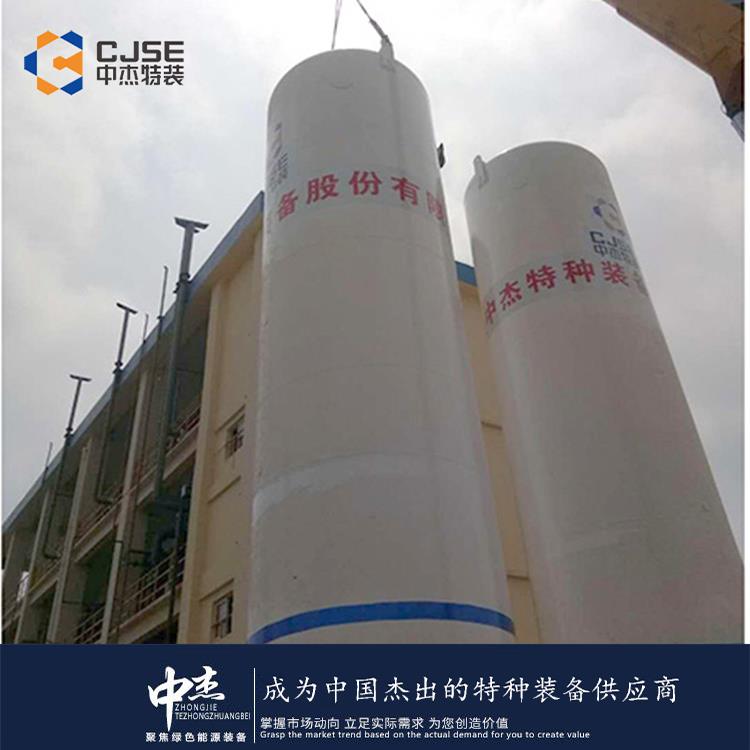
For accessories of carbon dioxide storage tanks, such as valves, pipes, and pressure relief devices, maintenance and protection are crucial. Here are some suggestions:
Regular Inspections: Conduct regular inspections of the accessories' appearance and operational status to ensure no damage, loose parts, or leaks. Pay special attention to the sealing performance and operational flexibility of valves.
Cleaning and Maintenance: Regularly clean the accessories to remove dirt and impurities on the surface. Use appropriate cleaning agents and tools, avoiding corrosive substances.
Lubrication Maintenance: For accessories requiring lubrication, such as valve pistons and stems, perform regular lubrication maintenance. Use suitable lubricants to ensure the normal operation and sealing performance of the valves.
Sealing Inspection: Regularly check the sealing performance of the accessories, such as valve seals and sealing surfaces. Replace any damaged or aged sealing parts promptly.
Corrosion Protection: For accessories prone to corrosion, such as pipes and valves, take anti-corrosion measures, such as applying anti-corrosion coatings or wrapping with anti-corrosion materials.
Regular Calibration: Calibrate measuring equipment such as level sensors and pressure sensors regularly to ensure accuracy and reliability.
Regular Maintenance: Develop a regular maintenance plan based on the usage and requirements of the accessories, including cleaning, lubrication, and repairs. Ensure the long-term stable operation of the accessories.
Storage and Transportation Precautions: For spare parts or accessories that require replacement, pay attention to moisture-proof, shock-proof, and damage-proof during storage and transportation to avoid affecting their normal use.
The above suggestions are for the maintenance and protection of carbon dioxide storage tank accessories. Specific operations should be carried out according to the characteristics and requirements of the accessories, and compliance with relevant regulations and standards is recommended.
Shandong Zhongjie Special Equipment, welcome customers to visit our factory for business discussions.
WeChat Official Account

Scan to follow Official Account




















