


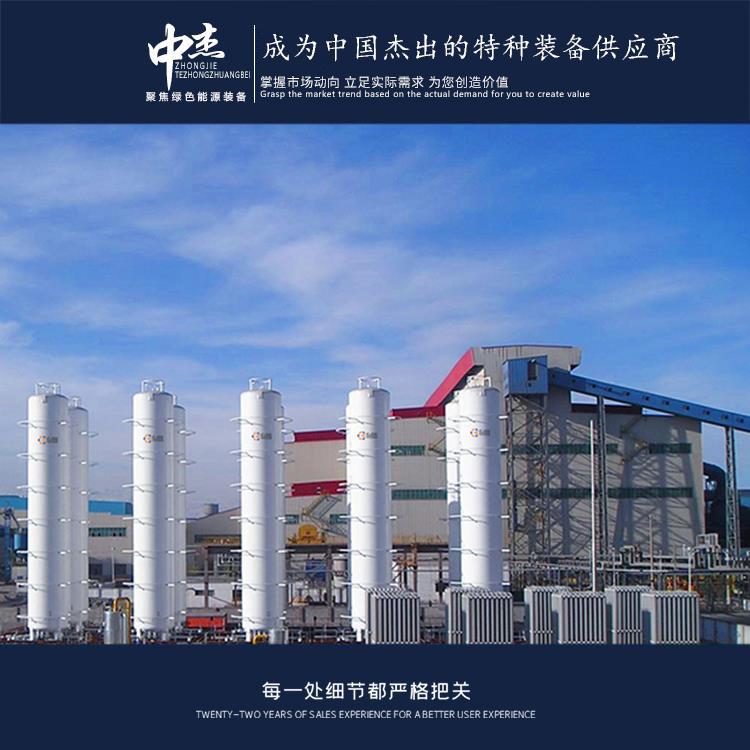

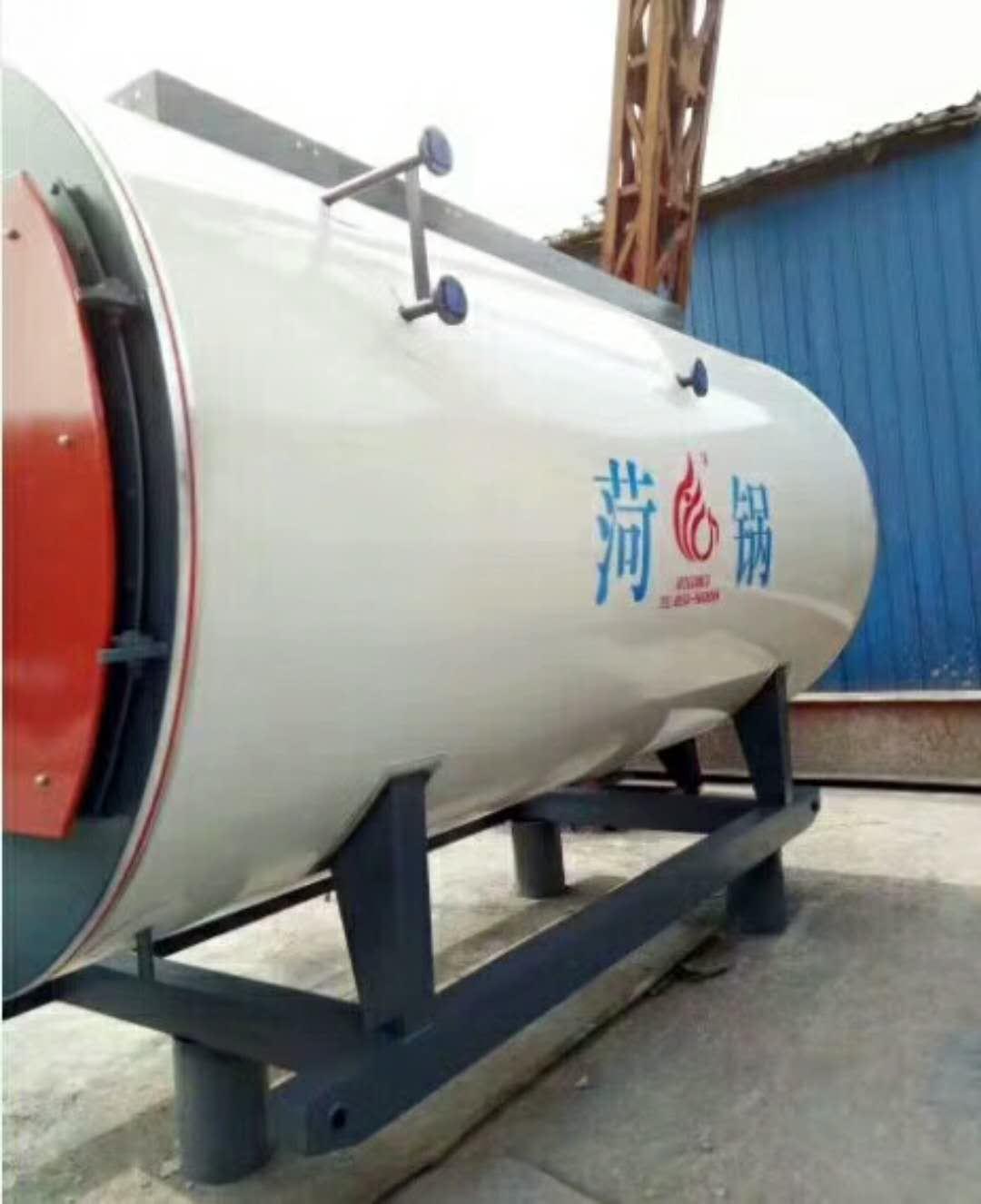



















Shandong Zhongjie Special Equipment's main products include: fuel (gas) boilers, organic heat carrier boilers, biomass boilers, waste heat boilers, and other boiler products; vacuum insulation cryogenic pressure vessels such as LNG tanks, oxygen/nitrogen/argon tanks, and CO2 tanks; pressure vessel products such as denitrification engineering equipment, heat storage and energy storage equipment, and complete chemical equipment; central air conditioning and ventilation equipment such as ground (water) source heat pumps, air source units, water-cooled screw units, and air-cooled modular units. Planned products include large-scale energy centers, LNG transport vehicles, LNG tank containers, and other green energy equipment.
To extend the service life of CO2 storage tanks, the following measures can be taken:
- Regular inspections and maintenance: Conduct regular checks on the tank's exterior, lining, valves, and pipe connections to ensure they are intact. Promptly repair or replace any abnormalities or damages.
- Corrosion prevention: As CO2 is corrosive, both the internal and external surfaces of the tank should be treated for corrosion resistance. Regularly inspect and maintain the protective layer or coating to ensure its integrity and effectiveness.
- Cleaning and draining: Regularly clean the interior of the tank to remove accumulated impurities and sediments. Also, regularly drain the tank to remove liquid and gas impurities to maintain cleanliness and proper operation.
- Temperature and pressure control: Maintain the tank's temperature and pressure within the design limits. Avoid excessive or low temperatures and pressures that could damage the tank.
- Regular testing and calibration: Conduct regular tests and calibrations of the tank, including parameters such as level, pressure, and temperature. Ensure the tank's measurement and control systems are accurate and reliable.
- Adherence to operational procedures: Strictly follow operational and safety procedures to ensure the tank operates normally and safely. Train operators to enhance their operational skills and safety awareness.
- Updates and upgrades: Timely update and upgrade tank components and equipment as needed to meet new technology and safety requirements.
- Regular assessments and monitoring: Regularly assess and monitor the tank, including structural integrity, corrosion, and safety aspects. Take appropriate maintenance and repair measures based on assessment results.
- These measures can help extend the service life of CO2 storage tanks and ensure their safe and reliable operation.
Leakage issues in CO2 storage tanks may be caused by the following reasons: Material Corrosion: CO2 has some corrosive properties, and prolonged contact may lead to corrosion of the tank material. Corrosion can damage the tank's surface protective layer, causing it to lose its seal, leading to leakage. Welding Defects: The welding joints of the tank may have defects, such as cracks in the weld seams or gas pockets. These defects can weaken the strength of the welded areas, causing leakage. Design Defects: Inadequate design or defects in the tank may also result in leakage. For example, poorly designed interface connections or unreasonable structural designs can lead to leakage issues in the tank. Overpressure: If the internal pressure of the tank exceeds its capacity, it may cause deformation or破裂, leading to leakage. Temperature Fluctuations: During temperature changes, the thermal expansion and contraction effect may cause deformation or stress concentration in the CO2 storage tank, leading to leakage. Incorrect Operation: Improper operation and maintenance may also cause leakage in the tank. For instance, over-tightening valves or improper maintenance measures can reduce the tank's sealing performance. External Damage: External forces such as impacts, scratches, or corrosion on the tank may cause surface damage or corrosion, leading to leakage. To avoid leakage issues in CO2 storage tanks, it is essential to select appropriate materials, adopt reasonable design and manufacturing processes, and conduct regular inspections and maintenance. Additionally, operators should receive training and adhere to operational procedures to ensure the safe operation of the tank.
Carbon dioxide storage tank debugging typically involves the following steps and contents: Tank Installation Inspection: Check if the tank's installation location, foundation, and support structure meet design requirements to ensure stability and safety. Pipeline Connection Inspection: Verify the tank's connection with inlet and outlet pipelines is secure, and that valves and pipelines can open and close properly, ensuring the integrity and normal operation of the pipeline system. Tank Cleaning and Emptying: Before debugging, clean and empty the tank to ensure there are no impurities or residues inside, as well as no other gases or liquids. Tank Pressure Testing: Conduct pressure tests on the tank, including static pressure tests and leak tests. Static pressure tests involve increasing pressure to check the tank's sealing and pressure resistance. Leak tests check for any leakage in the tank and pipeline system. Control System Debugging: Calibrate and adjust the tank's control system, including pressure, temperature, and level sensors, to ensure accuracy and reliability of the control system. Safety System Testing: Test the tank's safety system, including safety valves, pressure gauges, and level gauges, to ensure normal operation and response of the safety system. Operating Parameter Adjustment: Adjust the tank's operating parameters according to actual and process requirements, such as pressure, temperature, and level, to meet process requirements and safe operation. Documentation and Reporting: Record and organize data, test results, and operational records during the debugging process, and generate a debugging report for future reference and management. The above are general steps and contents of carbon dioxide storage tank debugging, and specific debugging operations may vary depending on the tank's design requirements and application scenarios. During debugging operations, strictly adhere to relevant safety operation procedures and standards to ensure safety and effectiveness of the debugging process.
Low-temperature carbon dioxide storage tanks offer several advantages:
- Low-temperature storage capability: These tanks can store carbon dioxide at low temperatures, typically between -40°C and -70°C. This low-temperature storage allows carbon dioxide to be stored in a liquid state, significantly reducing the space required for storage.
- High storage density: Due to carbon dioxide being stored as a liquid at low temperatures, its storage density is relatively high. Compared to gaseous storage, liquid storage can accommodate more carbon dioxide in a smaller tank, improving storage efficiency.
- Environmental and renewable: Carbon dioxide is an eco-friendly gas, and its storage and use processes do not produce harmful substances. Additionally, carbon dioxide can be reused through technologies like capture and recycling, minimizing environmental impact.
- High safety: Low-temperature carbon dioxide storage tanks are made from high-strength materials, offering good sealing and corrosion resistance. They are equipped with safety valves and pressure relief devices to effectively control internal pressure and temperature, ensuring safety during storage.
- Wide application: These tanks are widely used in various industries such as food and beverage, pharmaceutical, and chemical industries. They can be used for frozen food, refrigeration equipment, gas supply, and more, meeting diverse industry needs.
In summary, low-temperature carbon dioxide storage tanks have advantages such as low-temperature storage capability, high storage density, environmental friendliness, renewable use, high safety, and wide application. These benefits make them an essential storage and usage equipment in many industries.
Shandong Zhongjie Special Equipment, welcome customers to our factory for business discussions.
WeChat Official Account

Scan to follow Official Account




















