


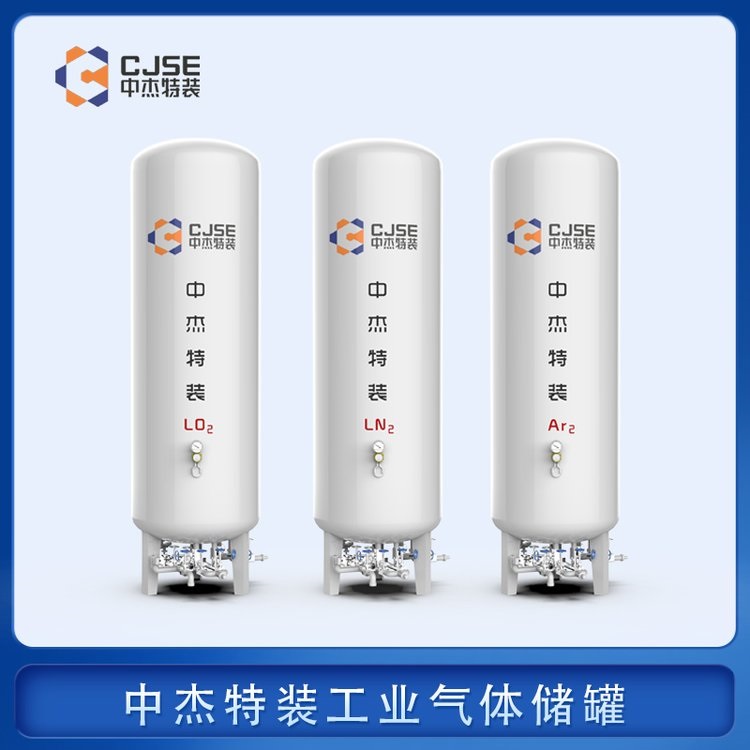

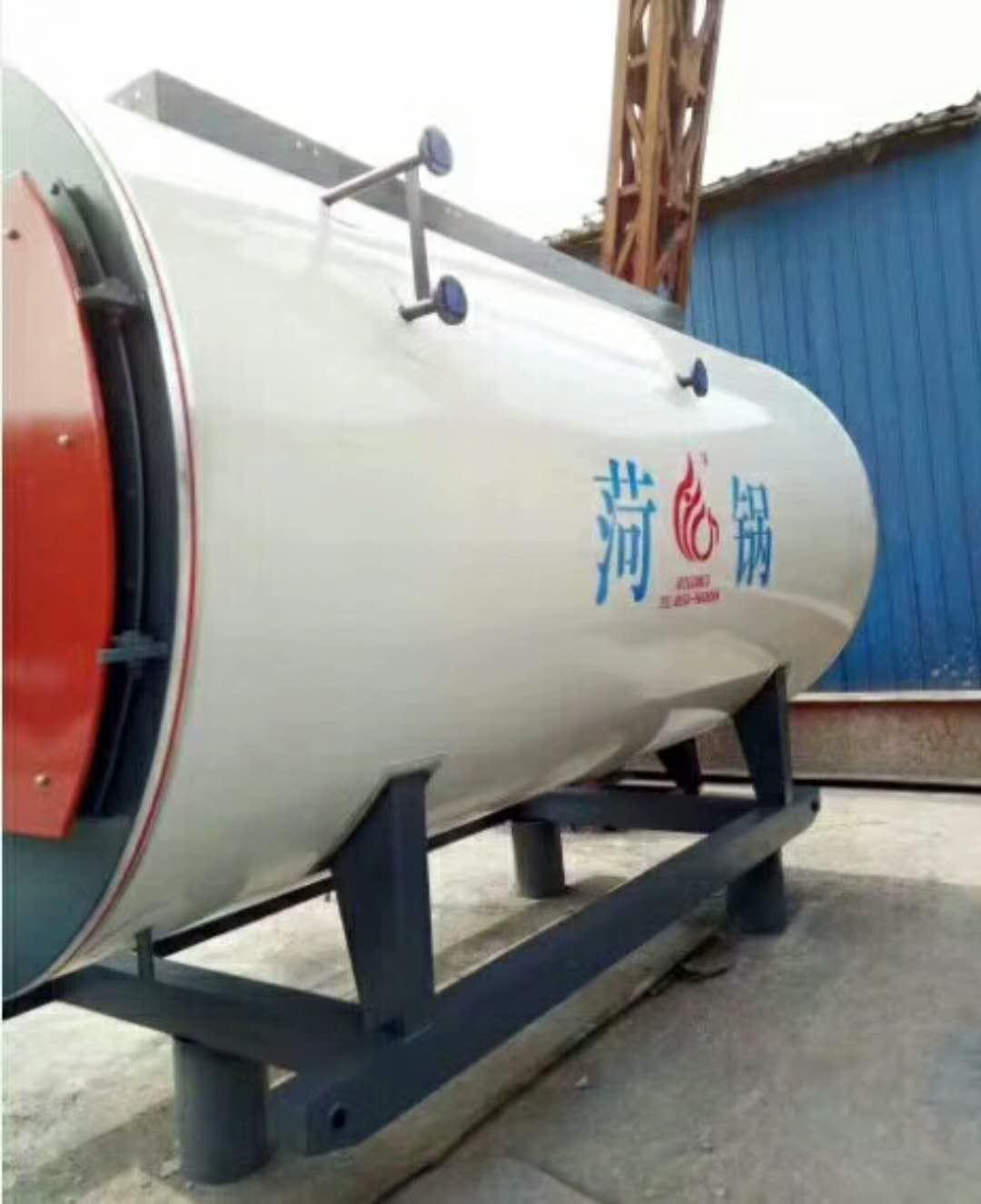



















Shandong Zhongjie Special Equipment's main products include: fuel (gas) boilers, organic heat carrier boilers, biomass boilers, waste heat recovery boilers, and other boiler products; vacuum insulation cryogenic pressure vessels such as LNG tanks, oxygen/nitrogen/argon tanks, and CO2 tanks; pressure vessel products such as denitrification engineering equipment, heat storage and energy storage equipment, and complete chemical equipment; central air conditioning and HVAC equipment such as ground (water) source heat pumps, air source units, water-cooled screw units, and air-cooled modular units. Planned products include large-scale energy centers, LNG transport vehicles, LNG tank containers, and other green energy equipment.
During the operation of low-temperature storage tanks, it is indeed necessary to avoid the occurrence of wrinkling. Wrinkling refers to the phenomenon of creases or deformation in the tank wall, which may lead to a decrease in the structural strength of the tank and even cause leaks or ruptures.
Here are some precautions to avoid tank squeezing in low-temperature storage:
Tank Design: Select an appropriate tank design to ensure it can withstand the pressure and weight of low-temperature liquids. The tank's wall thickness, supporting structure, etc., should comply with relevant standards and regulations.
Material Selection: Choose materials suitable for low-temperature environments with sufficient strength and low-temperature resistance. Common materials include low-temperature steel, stainless steel, etc.
Insulation Layer for Storage Tanks: The design and construction of the insulation layer should meet the requirements to ensure effective reduction of heat conduction and temperature variations. The material and thickness of the insulation layer should be selected based on specific circumstances.
Tank Operation: Avoid rapid or excessive fluid flow during the loading and unloading process to minimize impact and stress concentration on the tank walls.
Tank Maintenance: Regularly inspect and maintain the structure and insulation of the tank to ensure it remains intact. Any abnormalities or damages should be repaired or replaced promptly.
Temperature Control: During the operation of low-temperature liquid storage tanks, it is essential to strictly control the temperature difference between the inside and outside of the tank to avoid excessive temperature changes and thermal stress.
In summary, preventing deformation in low-temperature storage tanks hinges on rational design, material selection, proper installation and maintenance of the insulation layer, and strict control of temperature variations. Regular inspections and maintenance are crucial for ensuring the safe operation of the tanks.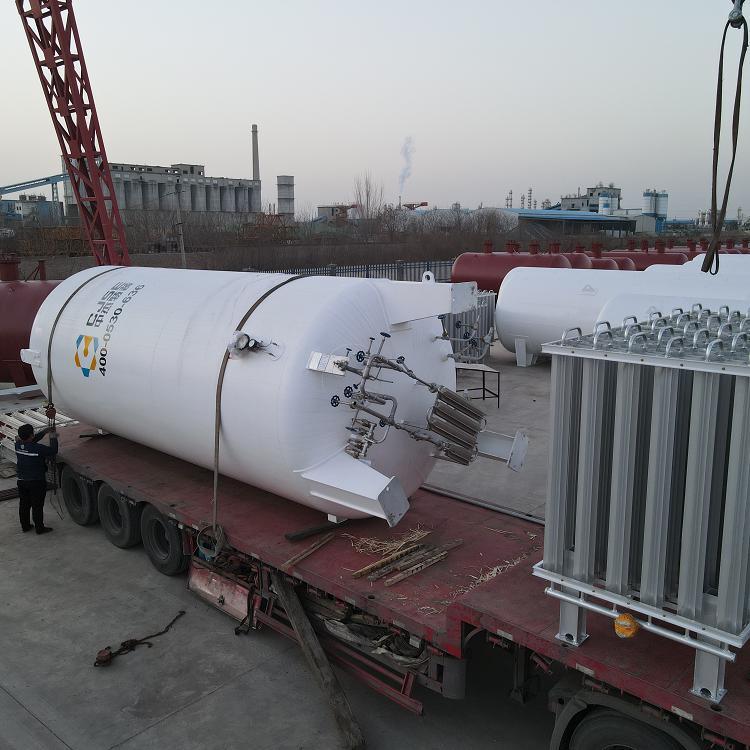
Liquid nitrogen tanks feature the following characteristics during the construction process:
Low Temperature Construction: The construction of liquid nitrogen tanks must be carried out in low-temperature environments due to the low boiling point of liquid nitrogen, approximately -196 degrees Celsius. Construction personnel must take appropriate protective measures, such as wearing insulated clothing and gloves, to protect themselves from low-temperature injuries.
Welding Technology: Extensive welding is required during the manufacturing process of liquid nitrogen storage tanks, including the joining of wall panels, bottom plates, top plates, and seams. Welding technology is crucial for the quality and safety of the tanks, necessitating the use of appropriate welding methods and materials to ensure the strength and sealing integrity of the welds.
Insulation Layer Installation: Liquid nitrogen storage tanks must have excellent insulation properties to minimize heat conduction and retain the low temperature state of liquid nitrogen. The installation of the insulation layer requires materials such as polyester foam and glass wool, ensuring the thickness and quality of the insulation layer.
Proper installation steps for liquid nitrogen tanks are as follows:
Site Preparation: Select a suitable site for tank installation, ensuring it is level, sturdy, and has adequate load-bearing capacity. The site should be kept away from flammable, explosive materials, and other hazards.
Foundation Construction: The foundation is constructed based on the tank's dimensions and weight, which includes excavation of the foundation pit and pouring of concrete. The design and construction of the foundation must comply with relevant standards and regulations.
Tanks Installation: Transport the tank to the site and perform a vertical installation. Suitable lifting equipment and safety measures are required during the installation process to ensure the stability and safety of the tank.
Pipe Connections: Connect the storage tank to the relevant pipeline system as required, including intake pipes, exhaust pipes, and liquid supply pipes, etc. Sealing and testing are necessary during the connection process to ensure the safety of the pipes.
When storing liquid nitrogen in low-temperature storage tanks, the following points should be noted:
Protective Gear: When handling low-temperature storage tanks, appropriate protective gear must be worn, including gloves, protective clothing, and non-slip shoes. This gear protects the skin from the low temperatures of liquid nitrogen and other hazards.
Avoid direct contact: Liquid nitrogen is extremely cold and can cause chilling. Therefore, it is essential to avoid direct contact with liquid nitrogen, especially with the skin. Use tools or utensils for handling to prevent direct hand contact with liquid nitrogen.
Ventilation Requirements: In the operating area of low-temperature storage tanks, adequate ventilation must be ensured to expel gases produced by the evaporation of liquid nitrogen. Maintain air circulation to avoid excessive oxygen concentration and reduce the risk of fire and explosion.
Prevent Leaks: Regularly inspect the cryogenic tank for leaks and equip with leak detection and alarm systems. In case of a leak, take immediate measures to control and repair it. Avoid hazards to personnel and the environment caused by nitrogen leakage.
Fire Prevention Measures: Liquid nitrogen has a low boiling and freezing point, which is prone to fire. Measures such as setting up fire barriers around low-temperature storage tanks and using fire-resistant coatings are taken to prevent fires from occurring and spreading.
Static protection: The accumulation of static electricity in low-temperature tanks may cause sparks, increasing the risk of fire. Measures such as using static-conductive materials and anti-static equipment should be taken to reduce the accumulation and release of static electricity.
Regular inspections and maintenance: Conduct regular checks on the condition of low-temperature storage tanks and related equipment, including valves, pipes, pressure gauges, etc. Ensure that the equipment is in good condition without damage, and promptly repair or replace any damaged parts.
Waste Gas Treatment: Low-temperature storage tanks produce waste gas during operation, and appropriate waste gas treatment measures must be implemented to minimize environmental impact.
Above are the precautions to be taken when storing liquid nitrogen in a low-temperature storage tank, ensuring operational safety and the normal operation of the tank. During the operation, strictly follow the relevant operational procedures and safety requirements to avoid accidents.
Standard specifications for liquid oxygen storage tanks may vary by region. Here are examples of some common standards:
US Standards: The American National Standards Institute (ANSI) and the American Petroleum Institute (API) have issued a series of standards for liquid oxygen storage tanks, such as ANSI/API Standard 2510 "Design and Construction of Liquid Oxygen Storage Tanks" and ANSI/API Standard 2510A "Supplementary Design and Construction of Liquid Oxygen Storage Tanks."
European Standards: The European Committee for Standardization (CEN) has issued a series of standards for liquid oxygen storage tanks, including EN 13458 "Design and Manufacturing of Liquid Oxygen Storage Tanks" and EN 14015 "Design and Manufacturing of Vertical Welded Steel Fixed Storage Tanks."
Chinese Standards: The Standardization Administration of the People's Republic of China (SAC) has issued a series of standards for liquid oxygen storage tanks, such as GB/T 18442 "Design Specification for Liquid Oxygen Storage Tanks" and GB/T 18443 "Construction and Acceptance Specification for Liquid Oxygen Storage Tanks."
These standards typically cover requirements for design, manufacturing, installation, operation, maintenance, and inspection of liquid oxygen storage tanks. They encompass provisions for the tank's structure, materials, safety valves, insulation, leak control, fire prevention measures, and safety distances to ensure the safety and reliability of the storage tanks.
When designing, manufacturing, and using liquid oxygen storage tanks, it is essential to follow applicable standards and regulations, and to cooperate with local regulatory authorities and personnel to ensure compliance with relevant safety requirements and regulations.
Shandong Zhongjie Special Equipment, welcome customers to our factory for business talks.
WeChat Official Account

Scan to follow Official Account




















