


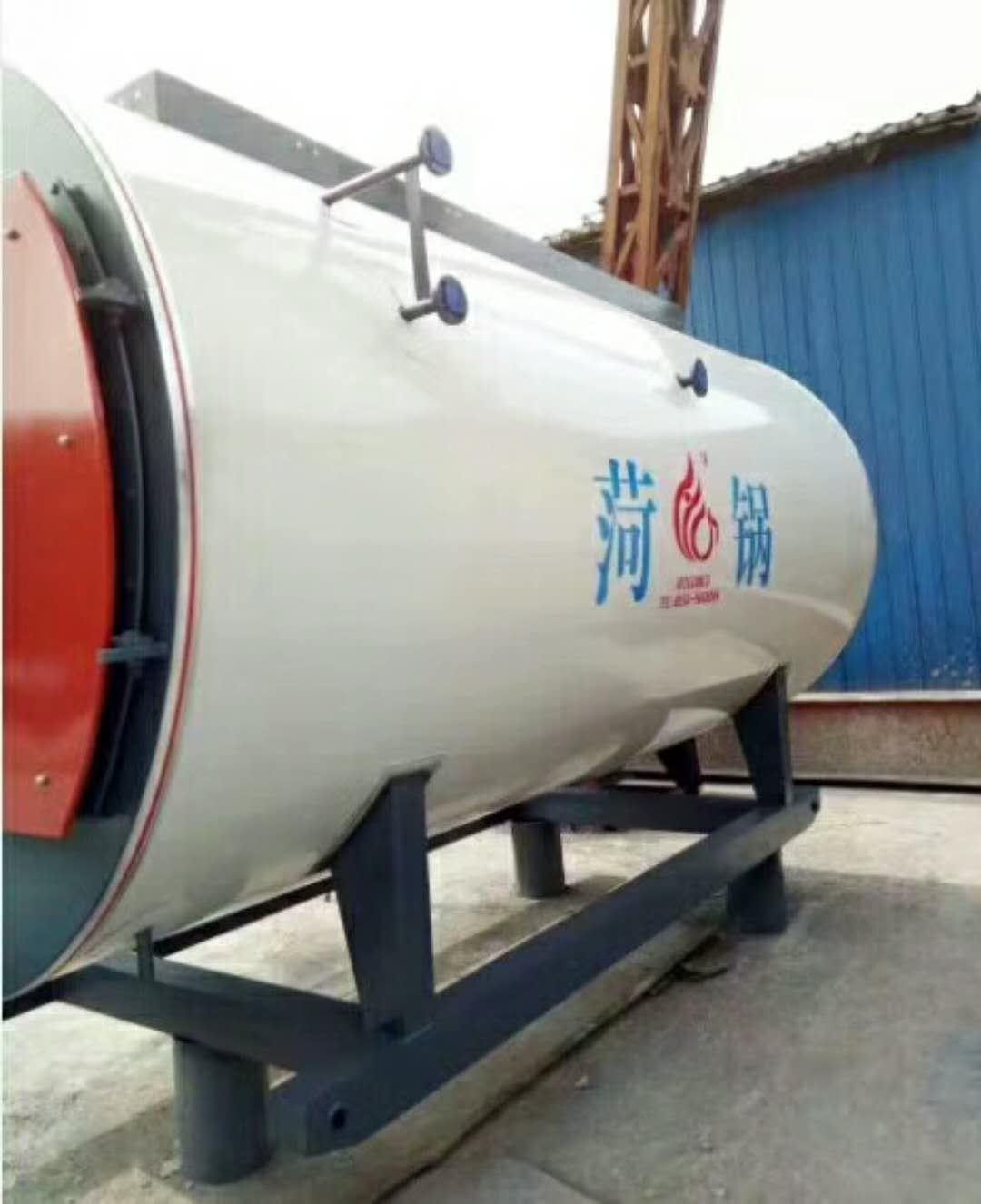

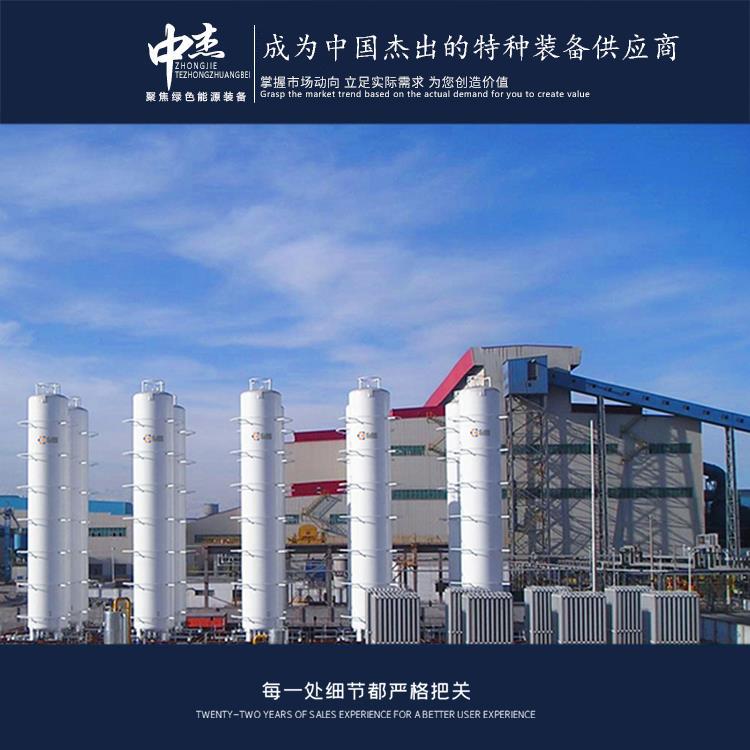
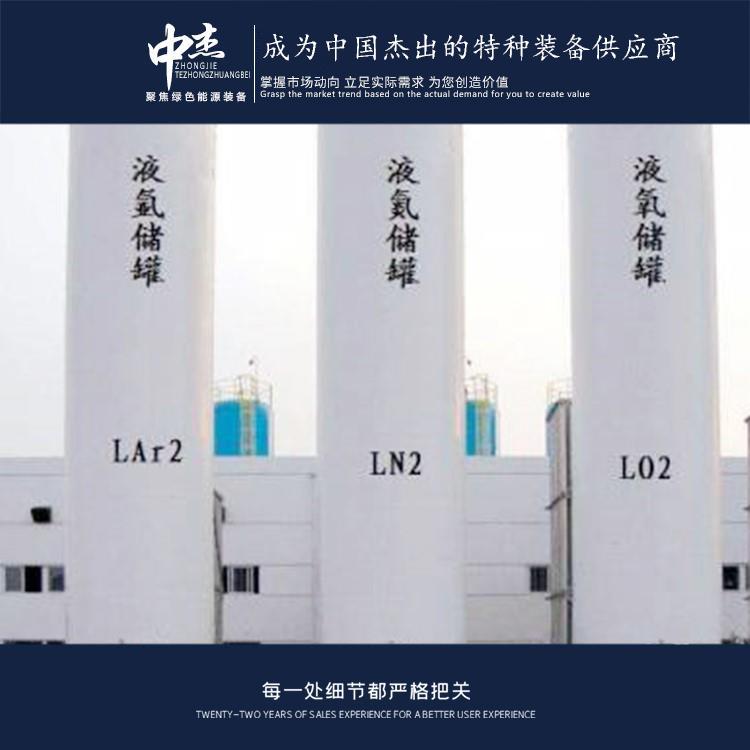



















Shandong Zhongjie Special Equipment's main products include: fuel (gas) boilers, organic heat carrier boilers, biomass boilers, waste heat boilers, and other boiler products; vacuum insulation cryogenic pressure vessels such as LNG tanks, oxygen-nitrogen-argon tanks, CO2 tanks; pressure vessel products like denitrification engineering equipment, heat storage and energy storage equipment, complete chemical equipment; central air conditioning and HVAC equipment such as ground (water) source heat pumps, air-source units, water-cooled screw units, and air-cooled modules. Planned products include large-scale energy centers, LNG transport vehicles, LNG tank containers, and other green energy equipment.
Liquid Oxygen Storage Tanks are high-pressure, highly oxidizing equipment that requires special attention to safety during use. Here are some safety precautions for liquid oxygen storage tanks:
- Operation: The operation of liquid oxygen storage tanks should be carried out by trained personnel with relevant experience. Operators should be familiar with the tank's structure, performance, and operating procedures, and operate strictly according to the manual and safety regulations.
- Fire Prevention Measures: Liquid oxygen is highly oxidizing and can easily cause fires and explosions. Open flames and sparks should be prohibited near liquid oxygen storage tanks, and contact with high-temperature objects should be avoided. Fire protection equipment and fire extinguishers should be installed and regularly inspected and maintained.
- Leak Control: In the event of a leak in a liquid oxygen storage tank, immediate measures should be taken to control the leak. Leaks can lead to oxygen evaporation and increased oxygen concentration, raising the risk of fire and explosion. A leak detection system should be established, and leak control devices and personal protective equipment should be provided.
- Insulation Protection: Liquid oxygen storage tanks should have good insulation protection to reduce oxygen evaporation and maintain low temperatures. The insulation layer should be inspected and maintained regularly to ensure its integrity and insulating properties.
- Safety Distance: A certain safety distance should be maintained around liquid oxygen storage tanks to prevent the spread of fires, explosions, and leaks. The specific requirements for safety distances should be assessed and determined according to local regulations and standards.
- Regular Inspections and Maintenance: Liquid oxygen storage tanks should be regularly inspected and maintained, including checking the structural integrity of the tank, valves, and pipelines.
Liquid oxygen storage tanks offer the following advantages:
High storage density: Liquid oxygen tanks can store oxygen in liquid form, which has a higher storage density compared to gas storage. This means more oxygen can be stored in a limited space, providing a longer supply.
High Purity Oxygen Supply: Liquid oxygen tanks can provide high purity oxygen supply. After undergoing refrigeration and purification processes, liquid oxygen can yield high purity oxygen, meeting the requirements of applications in fields such as industry and scientific research.
Convenient and User-Friendly: The liquid oxygen tank features ease of use. Equipped with devices such as level gauges and pressure gauges inside, it allows for convenient monitoring of the liquid level and pressure. Additionally, the liquid oxygen tank is fitted with safety features like pressure relief valves and level alarms, ensuring safe operation and usage.
Long-term Storage: Liquid oxygen tanks are designed for long-term storage of oxygen. The low temperature properties of liquid oxygen can slow down the evaporation and oxidation of oxygen, thereby extending its storage life. This is beneficial for applications requiring long-term oxygen storage, such as institutions, laboratories, and industrial production.
In summary, liquid oxygen tanks offer high storage density, high purity oxygen supply, ease of use, and long-term storage advantages. This makes liquid oxygen tanks a reliable choice for oxygen supply, widely used in industrial and research fields.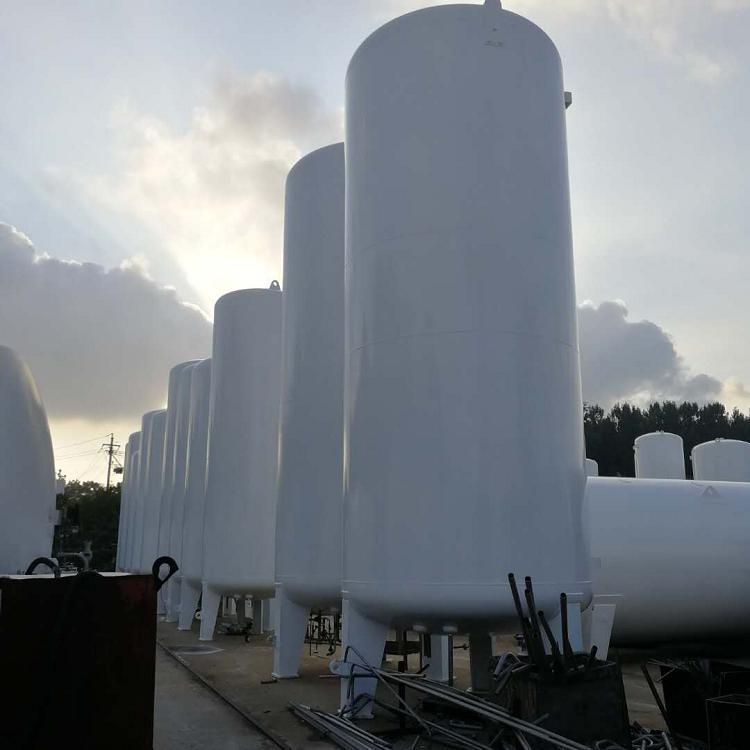
The materials used in the construction of liquid oxygen tanks typically require excellent low-temperature resistance and corrosion resistance. The following are common materials for making liquid oxygen tanks:
Stainless Steel: A commonly used material for making liquid oxygen storage tanks, stainless steel boasts excellent corrosion resistance and mechanical strength. Common stainless steel grades include 304 and 316.
Aluminum Alloy: Aluminum alloys are also commonly used in the manufacturing of liquid oxygen tanks, featuring low density and excellent corrosion resistance. Common aluminum alloy materials include 5083 and 6061 aluminum alloys.
Fiberglass Reinforced Plastic (FRP): Fiberglass is a composite material composed of glass fibers and resin. It boasts excellent corrosion resistance and mechanical strength, making it suitable for liquid oxygen storage tanks in some special environments.
Carbon Steel: Carbon steel is a common material used for tank construction, known for its high strength and corrosion resistance. However, it tends to oxidize easily in liquid oxygen environments, necessitating anti-corrosion measures.
It's important to note that the choice of materials for liquid oxygen tanks should be determined based on specific application requirements, working conditions, and safety standards. When selecting materials, consider the properties of liquid oxygen and the design requirements of the tank to ensure safety and reliability. Additionally, manufacturers and suppliers often provide material selection advice and technical support.
Liquid nitrogen storage tanks are equipment used for storing and transporting liquid nitrogen. To ensure safe operation, here are some common operational safety procedures for liquid nitrogen storage tanks:
Tank Installation: Tanks should be installed on a solid and level foundation, far from fire sources and flammable materials. Good ventilation around the tank should be maintained to prevent gas accumulation. The tank should be kept at a safe distance from other equipment and buildings.
Liquid Nitrogen Filling: When filling with liquid nitrogen, use appropriate liquid nitrogen transfer equipment to avoid direct contact. Pay attention to controlling the flow and pressure of liquid nitrogen during the filling process to prevent over-filling and excessive tank pressure.
Tank Pressure Control: Tanks should be equipped with pressure control devices to ensure the internal pressure is within a safe range. Regularly inspect and maintain the pressure control devices to ensure proper functioning.
Leak Detection and Alarm Systems: Storage tanks should be equipped with leak detection and alarm systems to promptly detect and alert of any tank leaks. Regularly inspect and maintain the leak detection equipment to ensure proper functioning.
Fire and explosion prevention measures: A fire-resistant isolation area should be set around the storage tank, away from fire sources and flammable materials. The tank itself should adopt fire and explosion prevention measures, such as fire-resistant coatings and explosion-proof devices, to prevent fires and explosions.
Regular Inspections and Maintenance: Conduct regular checks of the tank's exterior, valves, and fittings to ensure they are intact and undamaged. Perform regular leak detection and pressure tests to ensure the tank's safety performance meets requirements.
Safety Training and Awareness Enhancement: Conduct safety training for operators to enhance their awareness and ability in the safe operation of liquid nitrogen tanks. Regularly hold safety training and drills to respond to emergencies.
Manage records and documents: Establish comprehensive management records and documents, including tank usage, inspection logs, and maintenance records. Regularly review and update management records to ensure safe management and maintenance of the tanks.
Note that the above are some common protective procedures, which may vary depending on the type of tank and application. When using liquid nitrogen tanks, operate according to relevant specifications and standards, and consult with experts to ensure safety and effectiveness.
Zhongjie Special Equipment adheres to the grand vision of "realizing employees' dreams, creating value for customers, and striving for the prosperity and strength of our motherland," wholeheartedly devoting itself to the development of green energy equipment. We offer society high-value products and services!
WeChat Official Account

Scan to follow Official Account




















