


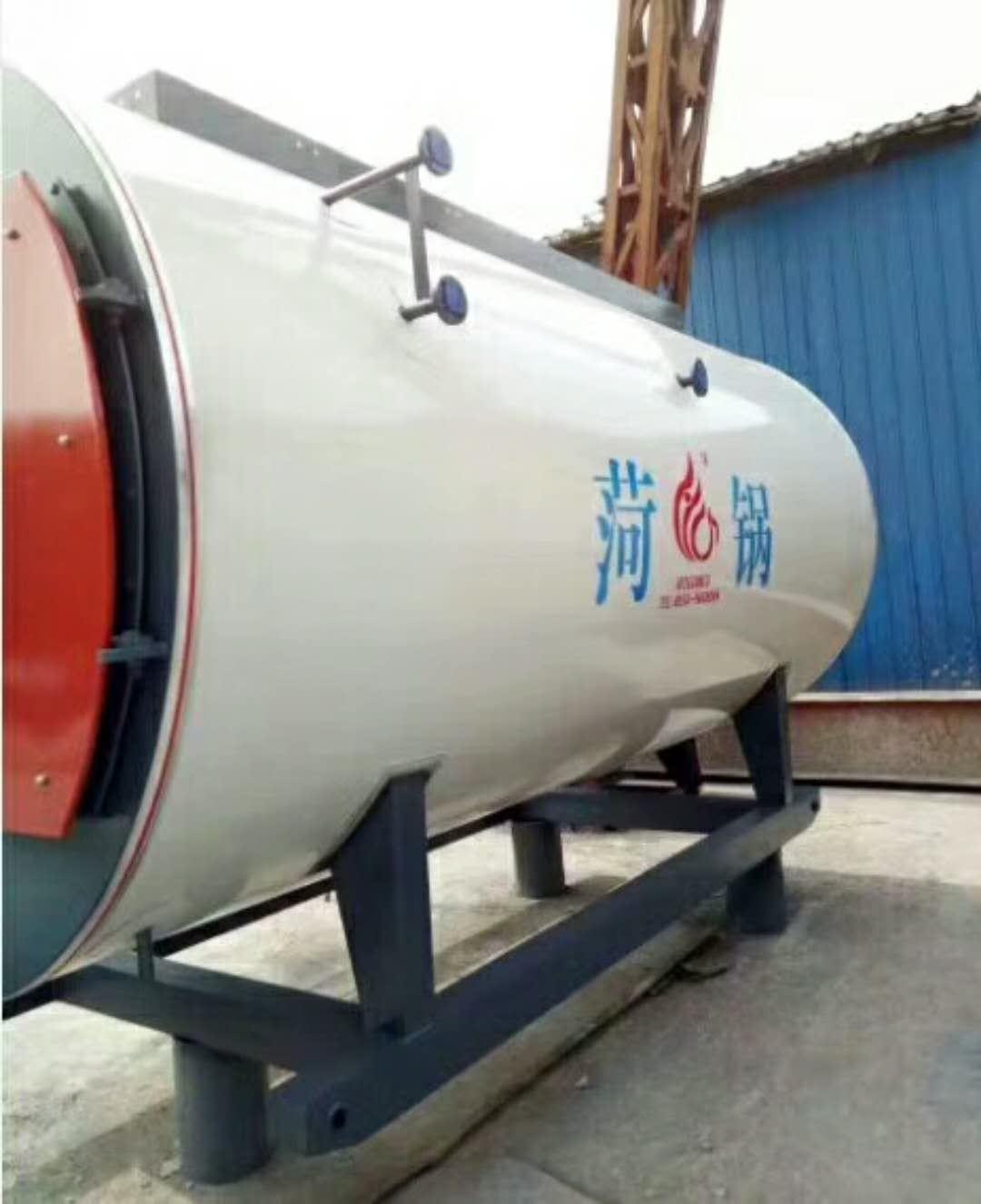

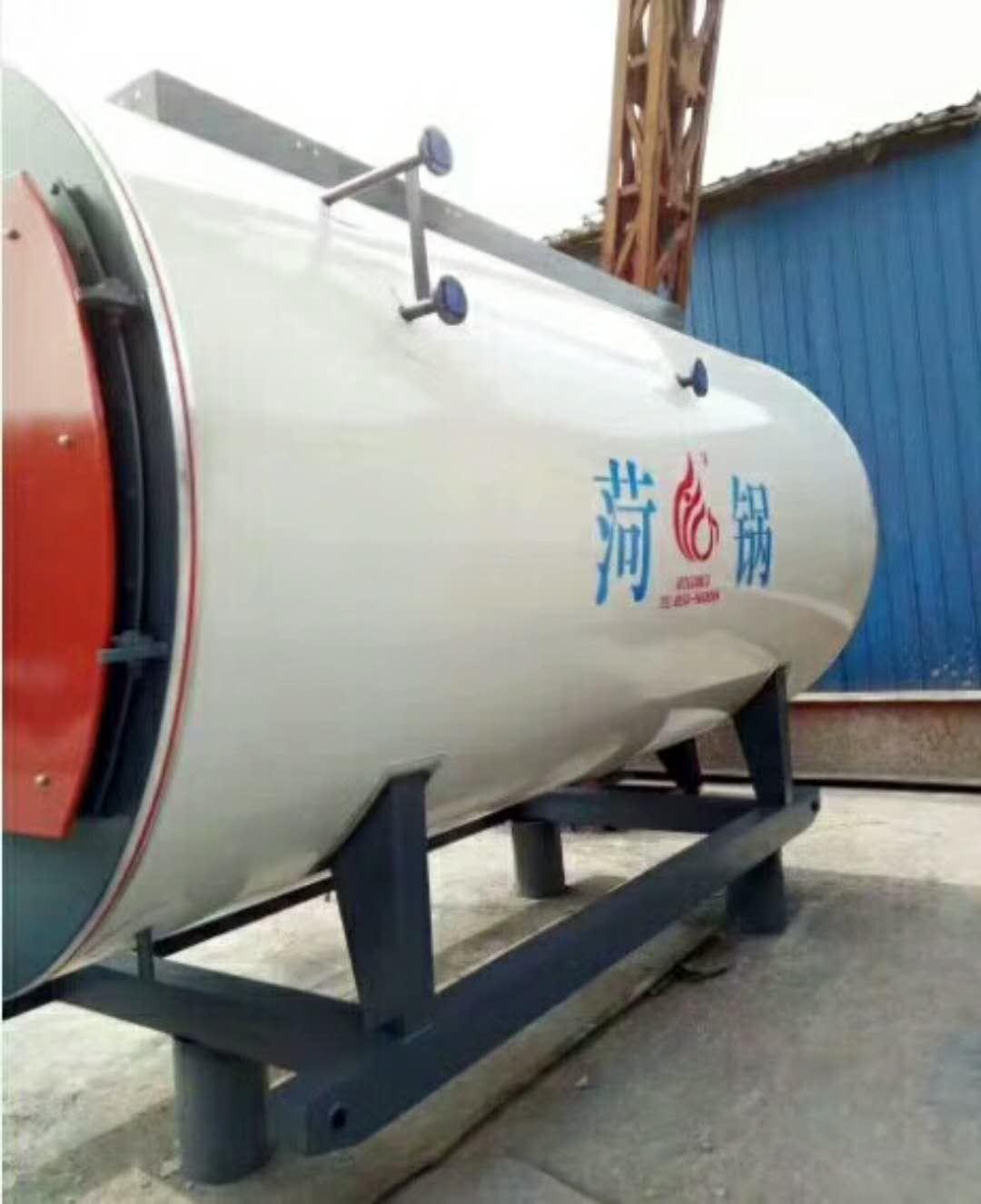



















Shandong Zhongjie Special Equipment (formerly Heze Boiler Factory Co., Ltd.) was established in 2001, located at No. 2218 Jinnan Road, Economic and Technological Development Zone, Heze City. With a registered capital of 50 million yuan and total assets of 500 million yuan, the company has seven business centers: boiler, deep-freeze containers, pressure vessels, central air conditioning, engineering installation, international trade, and Internet of Things. It has three factory sites on Jinnan Road, East Changjiang Road, and Bohai Road, covering a total of 200,000 square meters. The main workshop spans 83,000 square meters. Currently, there are 710 employees, including 247 engineering and technical personnel and 82 intermediate-level technicians. In December 2016, it was recognized as a "High-tech Enterprise" by the Science and Technology Department. In June 2021, it was identified as a "Specialized, Fine, and New Enterprise in Shandong" by the Department of Industry and Information Technology. In June 2022, it was named a "Gazelle Enterprise in Shandong" and in August 2022, it was recognized as a "Specialized, Fine, and New Small Giant Enterprise" by the Ministry of Industry and Information Technology.
The filling of a low-temperature liquid nitrogen tank refers to the process of transferring liquid nitrogen from an external supply source into the tank. Below is an explanation of the filling process for low-temperature liquid nitrogen tanks:
Preparation: Prior to filling the liquid nitrogen tank, thorough preparation is required. This includes inspecting the tank's condition and safety to ensure the interior is clean, free of impurities and contaminants. Additionally, check the quality of the liquid nitrogen from the supply source and the safety of the supply pipeline.
Connect supply source: Link the liquid nitrogen supply source to the liquid inlet of the storage tank. Ensure the connection is securely fastened to prevent leaks.
Control Liquid Level: During the bottling process, it is necessary to control the liquid nitrogen level to prevent overfilling or overflow. A liquid level gauge or level control system can be used to monitor and control the liquid level.
Slow Injection: The nitrogen liquid should be injected slowly to prevent drastic vaporization and increased pressure. Appropriate valves and flow control devices can be used to regulate the injection speed.
Monitor Pressure: During the bottling process, the pressure of the storage tank must be monitored to ensure it stays within a safe range. Pressure gauges or pressure sensors and other equipment can be used for monitoring.
Canning completed: Stop the injection of liquid nitrogen when the liquid nitrogen level reaches the predetermined filling amount or the tank's capacity limit. Disconnect the connection with the supply source and ensure the sealing of the filling port.
Safe Operation: Throughout the bottling process, it is necessary to follow relevant safety regulations and operation guidelines. Liquid nitrogen is highly flammable and has low temperatures, so operators must wear appropriate personal protective equipment and ensure there are no sources of fire in the operating environment.
When bottling liquid nitrogen, be mindful of its low-temperature properties and safety. Ensure safe operation and control throughout the bottling process to guarantee the safe operation of the storage tank and effective storage of the liquid nitrogen.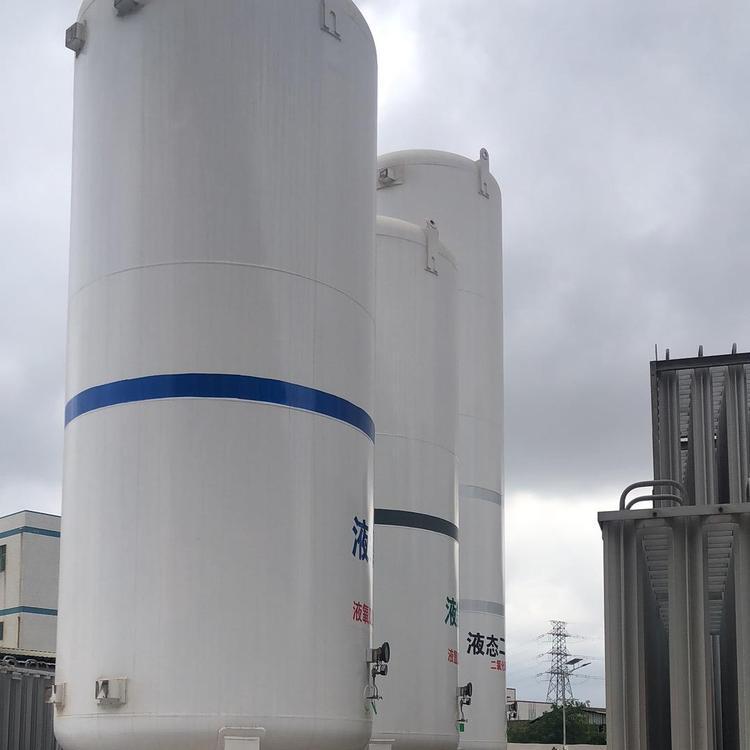
The spacing regulations between liquid oxygen tanks are typically governed by relevant safety standards and specifications to ensure safe distances and fire separations between the tanks. The following is a reference for general spacing rules for liquid oxygen tanks:
Horizontal spacing between tanks: The horizontal spacing between liquid oxygen tanks is generally required to maintain a certain distance to prevent heat transfer and mutual influence between tanks. The specific spacing should be determined based on factors such as tank capacity, pressure, and arrangement, with a general recommendation to maintain a safe distance to ensure safe operation and maintenance between tanks.
Tank and building separation: The spacing between liquid oxygen tanks and buildings or other facilities must also comply with relevant safety requirements. This is to prevent any risk to surrounding buildings or facilities in the event of a tank leak or accident. Specific spacing requirements will depend on the tank's capacity, pressure, and surrounding environment, among other factors. Generally, maintaining a safe distance is recommended.
Fire protection spacing: It is crucial to maintain adequate fire protection spacing between liquid oxygen tanks and between tanks and buildings. Liquid oxygen has a high oxygen content and flammability, and in the event of a leak or accident, it could ignite a fire. Therefore, liquid oxygen tanks must be kept at a certain distance from other facilities to prevent the spread of fire or any danger to the surrounding environment.
Note that specific liquid oxygen tank spacing regulations may vary by region or industry. When designing, arranging, and operating liquid oxygen tanks, adhere to local safety standards and regulations, and consult with experts for accurate guidance.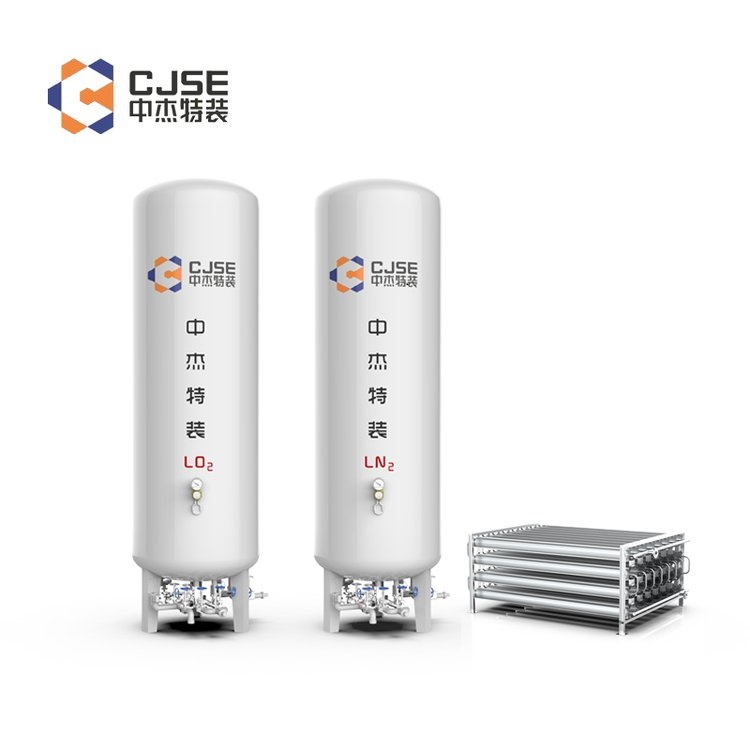
The testing and maintenance operations for liquid oxygen storage tanks encompass the following aspects:
Appearance Inspection: Conduct regular visual inspections of liquid oxygen tanks, checking for any signs of corrosion, wear, or leakage on the tank surface to ensure the tank's exterior remains intact.
Pressure Testing: Regularly conduct pressure tests on liquid oxygen storage tanks to assess their pressure resistance. Tests should be carried out in accordance with relevant standards and regulations to ensure the tank can withstand the designed working pressure.
Leak Detection: Regularly conduct leak detection on liquid oxygen tanks, including using leak detection equipment to inspect the tanks, to ensure their sealing performance is good and there are no leak issues.
Cleaning and Coating Protection: Regularly clean and apply coating protection to liquid oxygen tanks to prevent corrosion and oxidation. Use appropriate cleaning agents during cleaning and avoid substances that react with liquid oxygen. Corrosion-resistant coatings or protective coatings can be used for coating protection.
Regular Maintenance: Conduct regular maintenance on liquid oxygen tanks, which includes inspecting and replacing seals, valves, safety devices, etc., to ensure their proper operation and safety.
Safety Training and Operating Procedures: Provide safety training for personnel using liquid oxygen tanks to ensure they are familiar with the safe operating procedures and precautions, in order to prevent operational errors and accidents.
Documentation and Record Management: Establish test and maintenance records for liquid oxygen storage tanks, including test results, maintenance logs, and inspection records, for traceability and management purposes.
It's important to note that the testing and maintenance of liquid oxygen tanks should be conducted by trained personnel, adhering to relevant safety operating procedures and standards. Additionally, a specific testing and maintenance plan should be established based on the tank's condition and usage requirements, and executed according to the plan.
In the degreasing process of high vacuum pipelines in low-temperature liquid storage tanks, the following steps can be taken:
Preparation: Ensure the cleanliness and readiness of the defatting equipment and tools. Check the connections and sealing of the pipeline system to ensure there are no leaks.
Cleaning Pipelines: Utilize suitable cleaning agents and tools to clean the pipelines, removing surface dirt and grease. Methods such as mechanical brushing, high-pressure water jetting, or chemical cleaning can be employed.
De-greasing Process: Select an appropriate de-greaser and inject it into the pipeline system. The de-greaser can be an organic solvent or an alkaline solution, depending on the pipeline material and type of dirt. Ensure the de-greaser thoroughly covers the inner pipeline wall and maintains a certain contact time.
Flush Piping: Drain the degreaser from the piping system and flush with clean water to remove any remaining degreaser and dirt. During the flushing process, high-pressure water or gas can be used for scouring to ensure the interior of the piping is clean.
Drying Pipe: Utilize drying equipment or a ventilation system to evaporate or exhaust moisture from within the pipe, ensuring the interior surface is dry. Drying can be achieved using hot air or nitrogen.
Inspection and Testing: After degreasing, inspect and test the pipelines to ensure cleanliness and密封性. Visual inspection, pressure testing, or other relevant tests can be conducted.
Be mindful that when descaling high-vacuum pipelines of low-temperature liquid storage tanks, adhere to the relevant safety operating procedures and guidelines. Ensure that operators are equipped with the necessary safety awareness and operational skills to prevent accidental incidents.
Zhongjie Special Equipment upholds the grand vision of "realizing employees' dreams, creating value for customers, and striving for the prosperity and strength of our motherland," and is dedicated to the development of the green energy equipment industry. We commit to society with high-quality, cost-effective products and services!
WeChat Official Account

Scan to follow Official Account




















