






















Shandong Zhongjie Special Equipment (formerly Heze Boiler Factory Co., Ltd.) holds an A-grade boiler manufacturing license, an A2-grade pressure vessel manufacturing license, an A2-grade pressure vessel design license, a B-grade boiler installation license, and GB2/GB3-grade pressure pipeline installation licenses, as well as an equipment and machinery installation contracting qualification. It is a member of the China Boiler and Water Treatment Association, the China Chemical Equipment Association, and the Council Member of the Shandong Equipment Manufacturing Association. The company has also passed the ISO9001 Quality Management System, ISO14001 Environmental Management System, OHSAS18001 Occupational Health and Safety Management System certifications, and the American ASME/U2 certification.
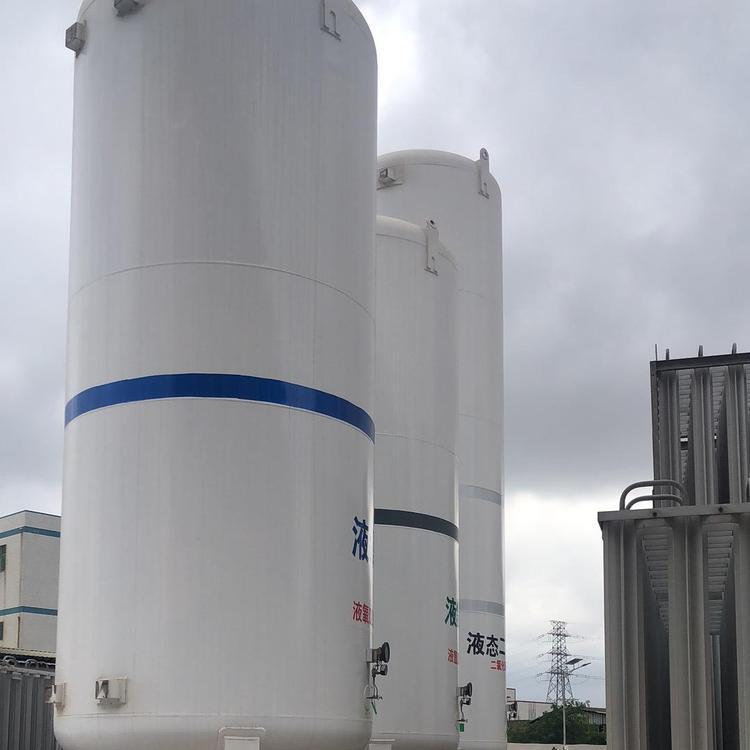
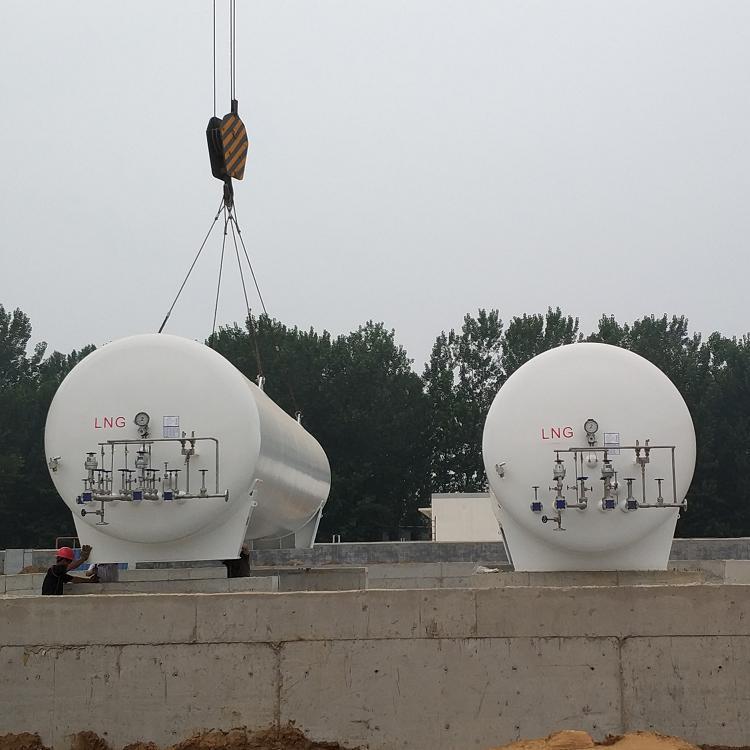
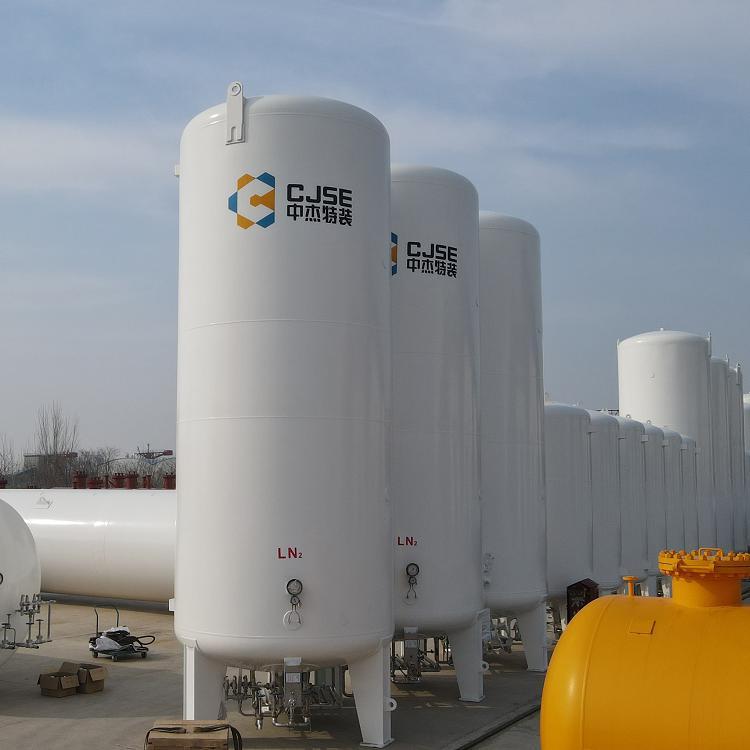
Zhongjie Special Equipment Co., Ltd. is a manufacturer of low-temperature liquid storage tanks, offering design, manufacturing, and installation services for low-temperature liquid carbon dioxide storage tanks. Below is an introduction to the low-temperature liquid carbon dioxide storage tanks produced by Zhongjie Special Equipment: Tank Type: The low-temperature liquid carbon dioxide storage tanks produced by Zhongjie Special Equipment typically come in vertical or horizontal designs, chosen based on customer needs and site conditions. Material: The tanks are primarily made of low-temperature steel, offering excellent corrosion and low-temperature resistance. Insulation Layer: The tanks are internally insulated to reduce heat transfer and liquid evaporation. The insulation layer usually consists of multiple layers, including thermal insulation material and an external protective layer. Safety Valve and Pressure Relief Device: The tanks are equipped with safety valves and pressure relief devices to control internal tank pressure, preventing overpressure and explosion. Level Indicator: The tanks are fitted with level indicators to monitor the liquid level inside, ensuring the control and management of liquid storage. Safety Measures: Zhongjie Special Equipment's low-temperature liquid carbon dioxide storage tanks comply with relevant safety regulations and standards, implementing various safety measures such as fire and explosion prevention, leak detection, and alarm systems. Customized Design: Based on customer requirements and application scenarios, Zhongjie Special Equipment can provide customized design and manufacturing services to meet the specific needs of different customers.
以下是一些常见的二氧化碳储罐管理守则: 安全管理:建立完善的安全管理制度,包括安全操作规程、应急预案和事故处理程序等。确保操作人员具备必要的安全知识和技能,并定期进行安全培训和演练。 储罐检查和维护:定期检查储罐的外观、阀门、连接件等,确保其完好无损。定期进行泄漏检测和压力测试,确保储罐的安全性能符合要求。 液位监测和控制:定期监测储罐内的液位,确保储罐内的二氧化碳充足。根据需要进行充填或放空操作,维持适当的液位。 废气处理:处理二氧化碳储罐产生的废气,避免对环境造成污染。采取适当的废气处理措施,如收集和处理废气。 防火防爆措施:采取防火防爆措施,确保储罐周围的环境安全。远离火源、高温区域和易燃物质,定期检查和维护防火设施。 标识和警示:储罐应明确标识,包括储存的气体类型、压力等信息。周围应设置警示标志,提醒人员注意储罐的存在和相关安全注意事项。 储存记录:记录储罐的使用情况,包括充填日期、充填量、检查记录等。定期进行储罐的检测和维护,并保留相关记录。 定期审查和改进:定期审查储罐管理制度和操作流程,及时发现问题并进行改进。根据实际情况进行风险评估和管理,提高管理水平和安全性能。 需要注意的是,具体的管理守则可能会因不同的储罐类型和应用而有所不同。在管理二氧化碳储罐时,应根据相关的规范和标准进行操作,并咨询人士以确保安全和有效性。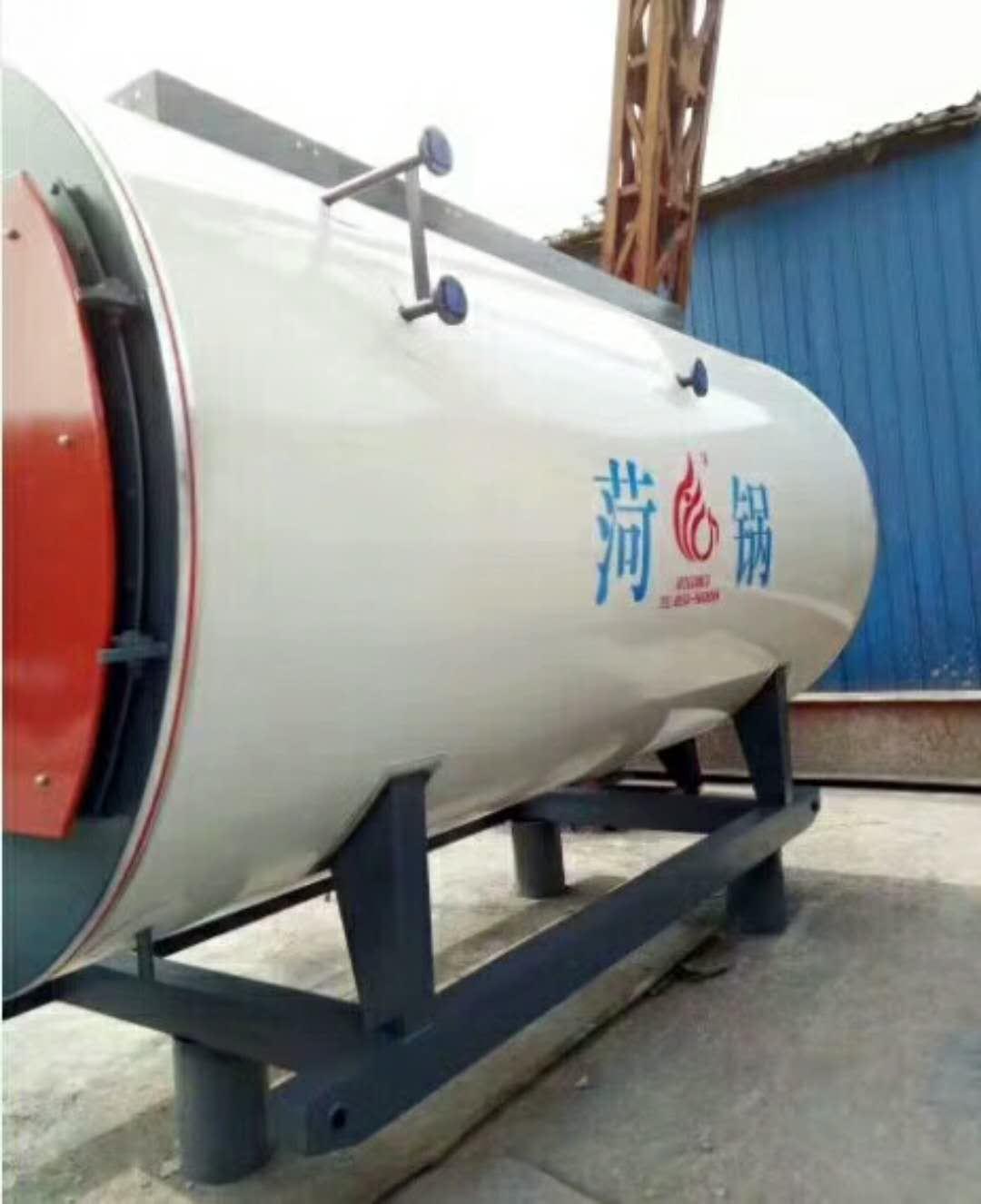
Carbon dioxide storage tank standard parameters may vary depending on different design and application requirements. Here are some common standard parameters:
- Tank Capacity: The capacity of carbon dioxide storage tanks is typically expressed in kiloliters (L) or cubic meters (m), with common capacity ranges ranging from a few thousand to tens of thousands of liters.
- Working Pressure: The working pressure of carbon dioxide storage tanks is usually around 20 to 25 MPa (megapascals) at normal temperatures, with specific pressure determined by application needs and design standards.
- Design Temperature: The design temperature of carbon dioxide storage tanks usually falls within the low-temperature range, generally between -40°C and -60°C, to accommodate the liquefaction and storage requirements of carbon dioxide.
- Material: Carbon dioxide storage tanks are commonly made from high-strength steel or alloy materials to withstand stress and loads under high pressure and low-temperature environments.
- Insulation Layer: The interior of the tank is equipped with an insulation layer to reduce heat transfer and liquid evaporation. The insulation layer typically consists of multiple layers, including thermal insulation materials and an outer protective layer.
- Safety Valve and Pressure Relief Device: Tanks are equipped with safety valves and pressure relief devices to control internal tank pressure and prevent overpressure and explosions.
- Level Monitoring and Control: Tanks are fitted with level monitoring equipment to monitor the liquid level within the tank. Timely monitoring and control of the level ensure that the liquid stored in the tank remains within a safe range.
It should be noted that specific standard parameters for carbon dioxide storage tanks may vary due to different design standards, application requirements, and manufacturers. When selecting and using carbon dioxide storage tanks, it is important to consider these factors.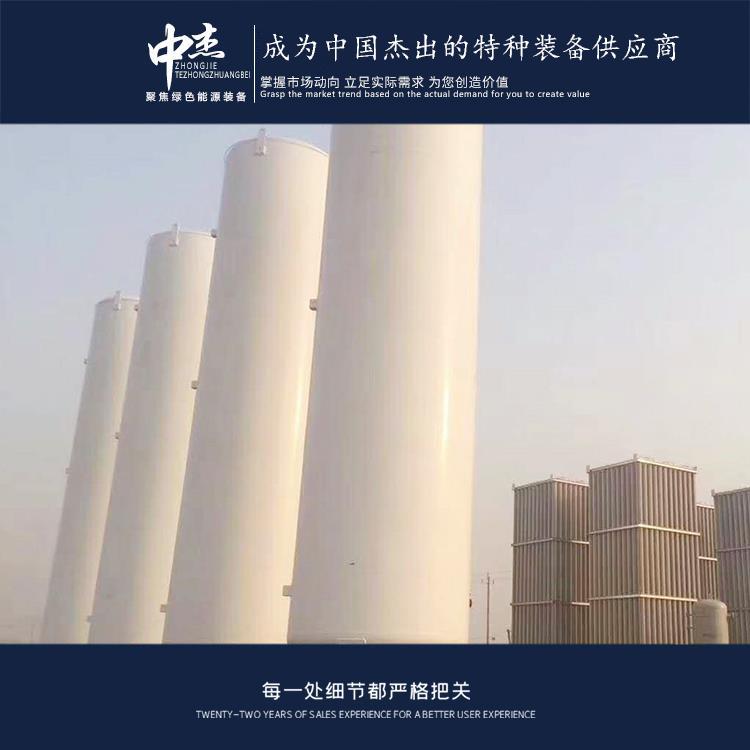
When storing carbon dioxide tanks, the following requirements must be adhered to ensure safety and effectiveness:
Ventilation: Tanks should be stored in well-ventilated areas to prevent the accumulation of carbon dioxide gas. Ensure adequate air circulation around the tank to avoid gas buildup and asphyxiation risks.
Fire and Explosion Prevention: Keep tanks away from fire sources, high-temperature areas, and flammable materials. Avoid open flame operations near the tank to prevent fire and explosion risks.
Avoid Direct Sunlight: Store tanks in locations shielded from direct sunlight to prevent overheating and pressure increase. Direct sunlight can raise tank temperatures, increasing the risk of leaks and explosions.
Prevent Mechanical Damage: Keep tanks away from machinery and heavy objects to avoid collisions and damage. Mechanical damage may lead to tank leaks or ruptures, causing safety hazards.
Labeling and Warning Signs: Clearly mark tanks with information on the stored gas type and pressure. Set up warning signs around the tank to alert personnel to its presence and related safety precautions.
Regular Inspections: Conduct regular inspections of the tank's appearance, valves, and connections to ensure they are undamaged. Take prompt corrective actions if any abnormalities are found.
Storage Capacity Control: Control the storage capacity of the tank to prevent exceeding the rated capacity. Overfilling may lead to excessive tank pressure, increasing safety risks.
Storage Records: Keep records of the tank's usage, including filling dates, quantities, and inspection records. Regularly inspect and maintain the tank, and retain relevant records.
Note that specific storage requirements may vary depending on tank types and applications. When storing carbon dioxide tanks, operate according to relevant regulations and standards, and consult with experts to ensure safety and effectiveness.
Our company attaches great importance to technological innovation and R&D, boasting one municipal-level enterprise technology center in Heze City. We have established testing facilities for non-destructive testing, physical and chemical testing, welding testing, hydrostatic testing, etc., and are equipped with over 600 types of instruments and equipment including CNC machine tools, X-ray flaw detectors, digital ultrasonic flaw detectors, mechanical property testing machines, chemical analyzers, spectrometers, tensile testing machines, plasma welding machines, and more. The key products and technologies we have developed, such as welding of temperature and pressure vessels, biomass boiler emissions reduction, and waste heat utilization, have successively been shortlisted for multiple Shandong Provincial Department of Industry and Information Technology science and technology innovation projects, key projects in Shandong Province, and Heze City innovation and excellence projects, etc. We have accumulated 27 authorized utility models, 16 authorized inventions, participated in drafting 2 standards, 2 industry standards, and registered 15 trademarks. Our technical team, in collaboration with Professor Li Yajiang of Shandong University, has jointly developed deep cryogenic container processing technology using the international plasma arc + filler wire argon arc combination welding (PAW-GTAW) technology. After the provincial-level scientific and technological achievement appraisal, the technical level has reached an international standard in the field of deep cryogenic container manufacturing. Choose Zhongjie Special Equipment, and let's create brilliance together!
WeChat Official Account

Scan to follow Official Account




















