


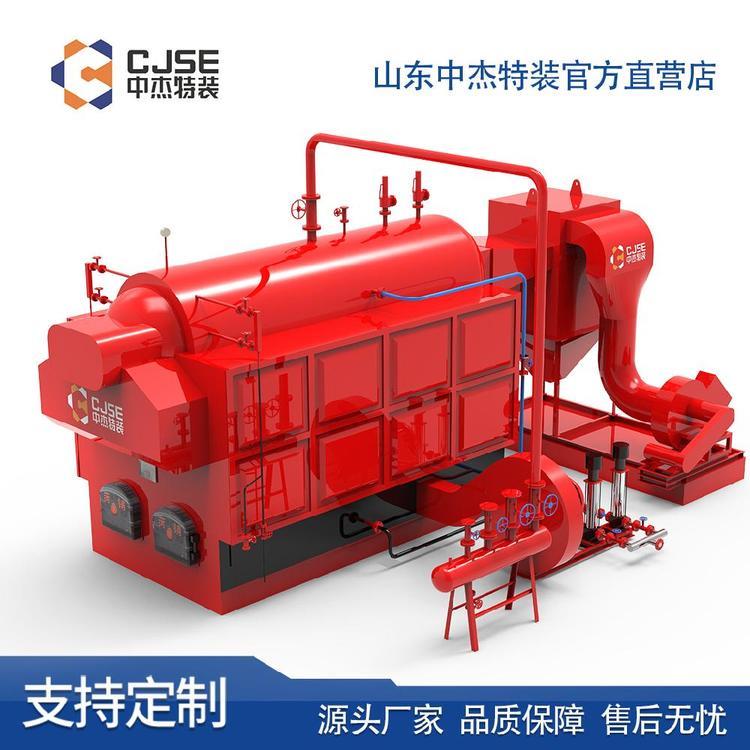

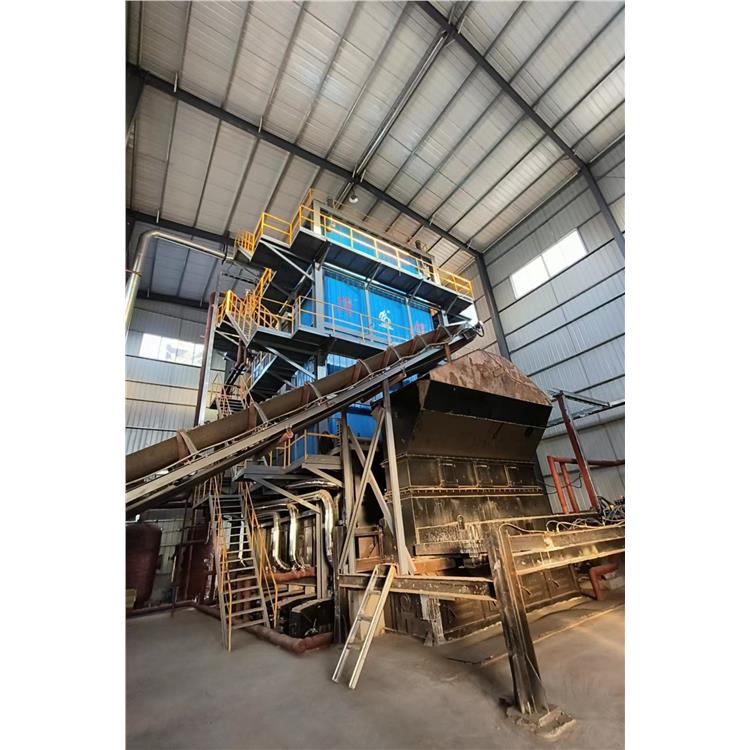
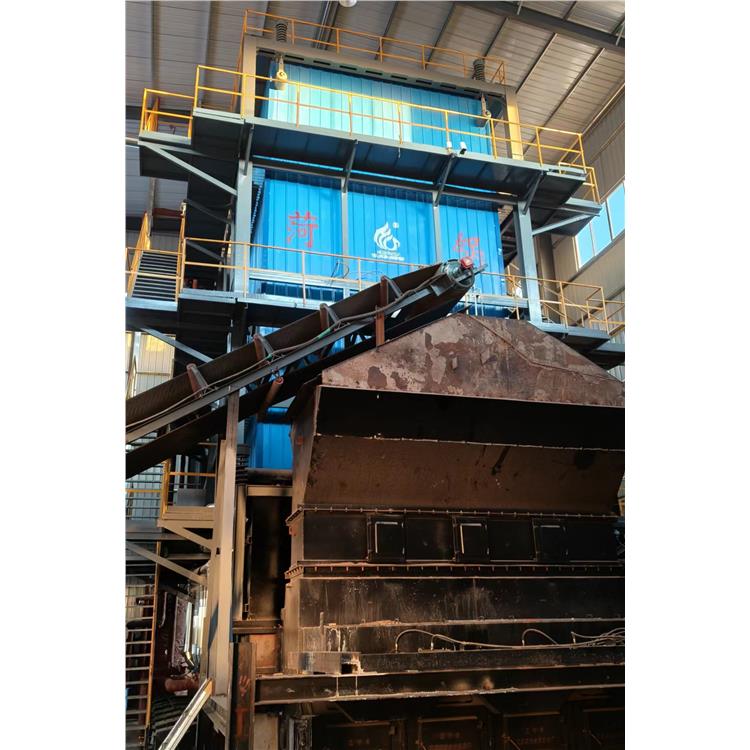



















Shandong Zhongjie Special Equipment's main products include: fuel (gas) boilers, organic heat carrier boilers, biomass boilers, waste heat boilers, and other boiler products; vacuum insulation cryogenic pressure vessels such as LNG tanks, oxygen/nitrogen/argon tanks, CO2 tanks; pressure vessel products like denitrification engineering equipment, heat storage and energy storage equipment, complete chemical equipment sets; central air conditioning and HVAC equipment such as ground (water) source heat pumps, air source units, water-cooled screw units, and air-cooled modular units. Planned products include large-scale energy centers, LNG transport vehicles, LNG tank containers, and other green energy equipment.
The extinguishing process and maintenance methods for fully automatic biomass boilers are as follows:
Extinguishing Process:
Cease fuel supply: Prior to extinguishing the biomass boiler, stop the fuel supply first to ensure the fuel supply pipeline is closed.
Turn off the burner: Switch the burner's switch or the extinguish button on the control panel to the off position to stop the burner from operating.
Allow to cool: Wait for the boiler to cool down to a safe temperature, which usually takes some time. Do not operate during this period to avoid accidents.
Shut off power: After the boiler has completely cooled down, turn off the power switch of the boiler to ensure the boiler is in a power-off state.
Maintenance Instructions:
Clean Combustion Chamber: Regularly clean the combustion chamber to remove ash and soot generated during the combustion process. Use appropriate tools and cleaning agents to ensure the chamber remains clear and clean.
Heat Exchanger Cleaning: Regularly clean heat exchangers, especially those on the flue side. Combustion may produce particulates and ash that can adhere to the surface, affecting heat transfer efficiency. Appropriate cleaning methods, such as mechanical or chemical cleaning, can reduce the buildup of dirt.
Inspect and Replace Critical Components: Regularly inspect and replace critical components such as burners, valves, sensors, etc. Ensure these components operate and perform normally to avoid malfunctions and safety hazards.
Water Treatment: Proper water treatment for boiler feed water to prevent impurities and sediments from settling inside the boiler. Methods such as water softening, deoxygenation, and scale removal can be employed to maintain the cleanliness and stability of the water supply.
Please provide the Chinese content to be translated.
Biomass boilers and coal-fired boilers differ in fuel, environmental performance, and sustainability aspects.
Fuel Type: Biomass boilers utilize renewable biomass fuels such as wood chips and straw, while coal-fired boilers use fossil fuels like coal. Biomass fuel is characterized by its renewability and low carbon emissions, whereas coal is a finite resource and its combustion releases a large amount of carbon dioxide and other pollutants.
Environmental Performance: Biomass boiler combustion produces relatively fewer pollutants, such as carbon dioxide, nitrogen oxides, and particulates. In contrast, coal-fired boilers emit more pollutants, including nitrogen oxides, particulates, and heavy metals, which have a significant impact on air quality and human health.
Sustainability: Biomass fuel is a renewable resource, capable of being grown and recycled within a sustainable cycle. Coal, on the other hand, is a finite resource, its mining and burning can damage the environment, and...
Combustion Efficiency: The combustion efficiency of biomass boilers is relatively low due to the complex chemical and physical properties of biomass fuel, which tends to produce more ash and carbon deposits during combustion. In contrast, coal-fired boilers have a higher combustion efficiency, as the chemical properties of coal fuel are more stable, leading to a more complete combustion process.
Technical Requirements: Biomass boiler compared to coal-fired boiler
Biomass boilers may experience issues such as ash accumulation and slagging during long-term operation. These problems can affect the combustion efficiency and safety of the boiler. Here are methods for dealing with ash accumulation and slagging in biomass boilers:
Regular Cleaning: Regularly cleaning the ash and soot from the boiler is crucial for preventing the buildup of slag and scale. A cleaning schedule can be established based on the boiler's usage, which includes cleaning the combustion chamber, flue, and heat exchanger, among other components. During the cleaning process, appropriate tools and cleaning agents should be used to ensure the removal of ash and soot.
Adjust combustion parameters: Properly adjusting the combustion parameters of biomass boilers can reduce the occurrence of ash accumulation and slagging. For instance, adjusting the combustion temperature, oxygen supply, and combustion duration can enhance combustion efficiency and decrease ash and slag formation.
Additives Usage: During biomass combustion, special additives such as ash inhibitor and slagging inhibitor can be added. These additives reduce the formation of ash and carbon buildup, enhancing the boiler's cleanliness and combustion efficiency. The use of additives should be based on specific conditions and the manufacturer's recommendations.
Regular Inspections and Maintenance: Regularly inspect and maintain all components of the biomass boiler, including burners, fans, flues, and heat exchangers, to promptly identify and address issues like ash accumulation and slagging. During inspections, you can clean clogged parts and repair damaged components to ensure the boiler operates smoothly.
Be mindful that dealing with biomass boiler ash and slagging issues requires a case-by-case approach. Consult with boiler maintenance personnel or manufacturers for more detailed and accurate advice. Additionally, regular cleaning and maintenance are crucial for preventing ash and slagging problems.
The Zhongjie biomass boiler body features the following technical advantages:
Our combustion technology: The Zhongjie biomass boiler uses advanced combustion technologies such as fluidized bed combustion and chain grate combustion, enabling the combustion of biomass fuel. It boasts high combustion efficiency and high thermal energy utilization, reducing energy waste.
Multiple Fuel Adaptability: The Zhongjie specially equipped biomass boiler is adaptable to a variety of biomass fuels, such as wood chips, straw, and waste crops, demonstrating strong fuel adaptability. Appropriate fuel choices can be made based on actual conditions, achieving diversified energy utilization.
Heat Exchanger Design: The heat exchangers for Zhongjie's biomass boilers are designed to fully utilize the heat energy in flue gases, enhancing thermal efficiency. The material and structural design of the heat exchangers have been optimized for optimal heat conduction and exchange.
Our control system: The control system of the Zhongjie biomass boiler is equipped with advanced features that enable precise control and adjustment of parameters such as temperature, pressure, and fuel supply. The system is equipped with safety protection functions, including overheat protection and low water level protection, ensuring the safe operation of the boiler.
Low Emission Environmental Protection: The Zhongjie special equipment biomass boiler utilizes advanced combustion and purification technologies to effectively control emissions generated during the combustion process, such as particulate matter and nitrogen oxides. It boasts lower carbon and environmental pollutant emissions.
High Reliability and Stability: The materials and processes used in ZJET's customized biomass boiler are known for their durability and stability. Rigorous quality control and testing ensure the boiler's high reliability and long-term stable operation.
Shandong Zhongjie Special Equipment, welcome customers to visit our factory for business negotiations.
WeChat Official Account

Scan to follow Official Account




















