


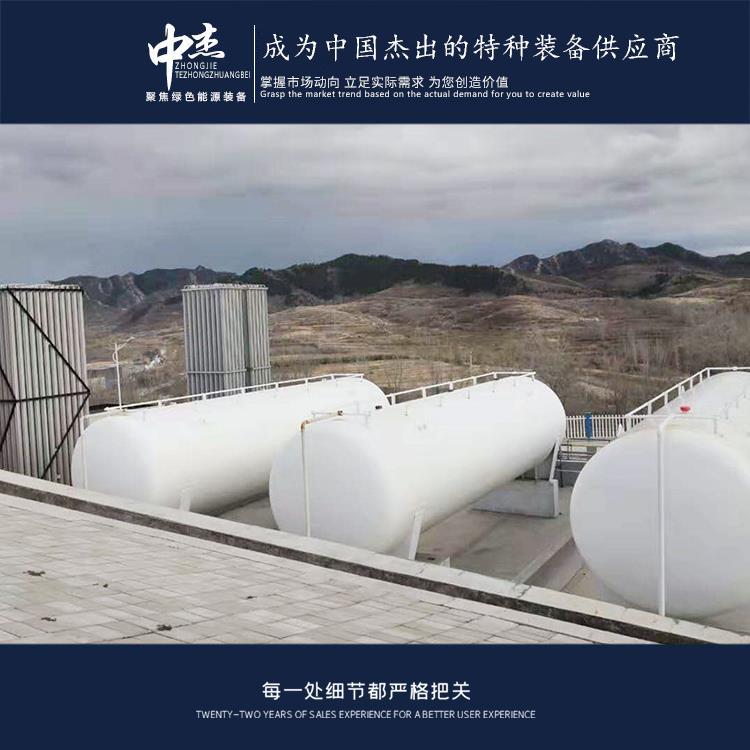

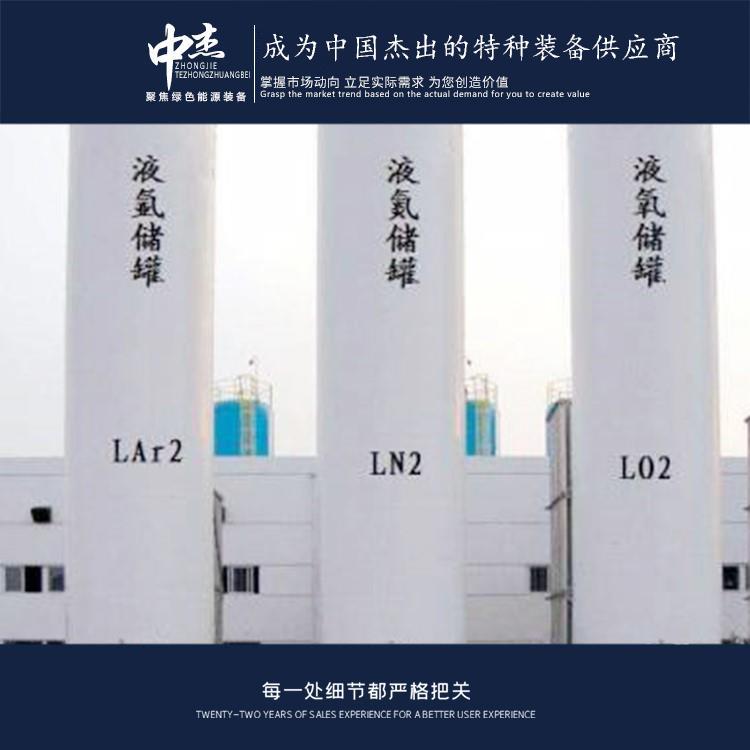
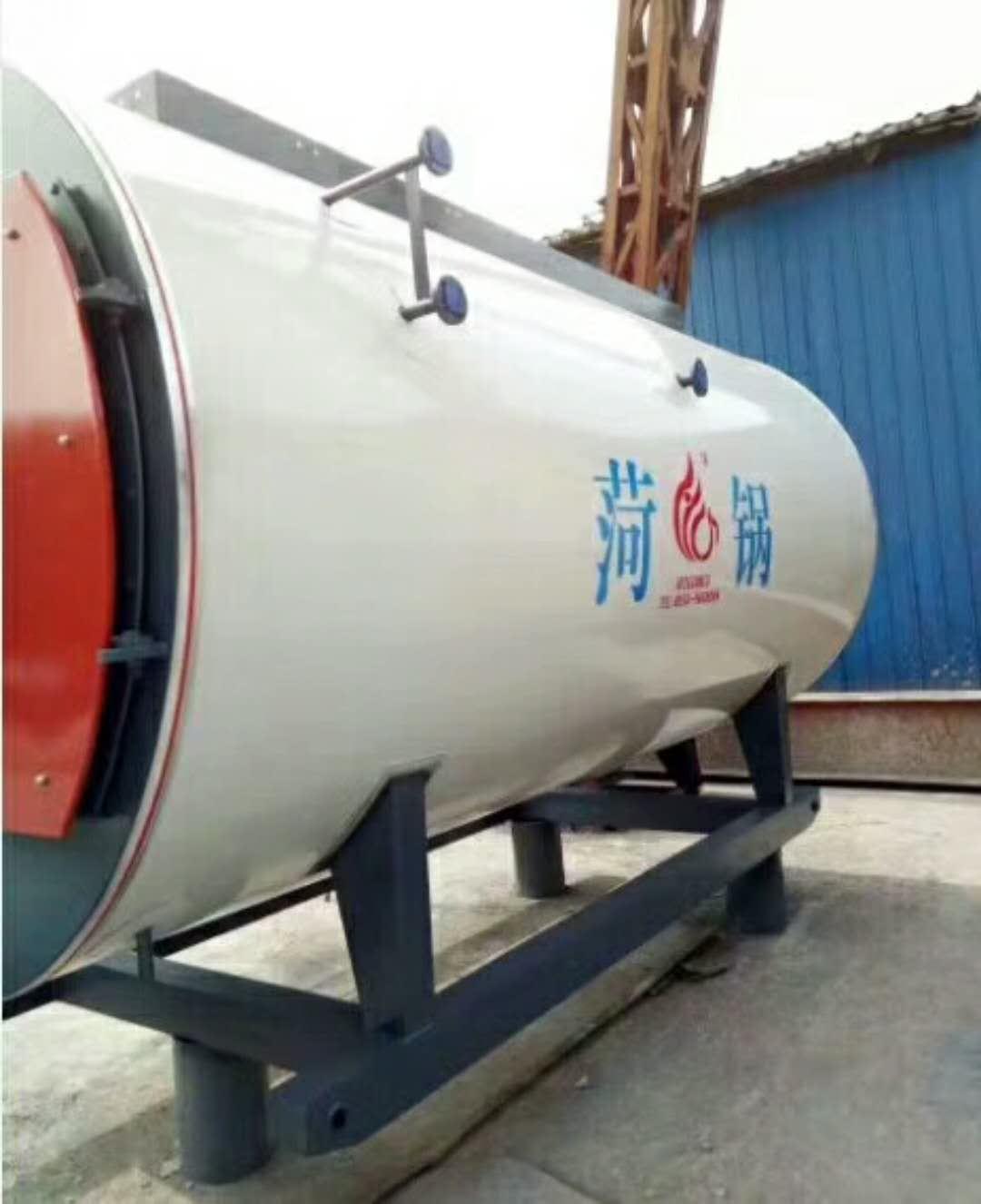



















Shandong Zhongjie Special Equipment's main products include: fuel (gas) boilers, organic heat carrier boilers, biomass boilers, waste heat boilers, and other boiler products; vacuum insulation cryogenic pressure vessels such as LNG tanks, oxygen/nitrogen/argon tanks, and CO2 tanks; pressure vessel products such as denitrification engineering equipment, heat storage and energy storage equipment, and complete chemical equipment; central air conditioning and HVAC equipment such as ground (water) source heat pumps, air source units, water-cooled screw units, and air-cooled modular units. Planned products include large-scale energy centers, LNG transport vehicles, LNG tank containers, and other green energy equipment.
Standard parameters for liquid oxygen storage tanks typically include the following:
Capacity: The capacity of liquid oxygen tanks is typically expressed in liters or cubic meters, with common sizes ranging from a few liters to several thousand liters.
Working Pressure: The working pressure of liquid oxygen tanks is typically expressed in megapascals (MPa) or bars (bar), with a common working pressure range varying from 0.2 MPa to 2.5 MPa.
Design Temperature: The design temperature for liquid oxygen tanks is typically expressed in degrees Celsius, with common design temperature ranges varying from -196°C to -150°C.
Material: The primary material for liquid oxygen storage tanks is usually stainless steel, offering excellent corrosion resistance and low-temperature properties.
Insulation Layer: Liquid oxygen tanks are typically equipped with an insulation layer to reduce the evaporation loss of liquid oxygen. The material for the insulation layer is usually a multi-layer composite material or foam glass.
Safety valve: Liquid oxygen storage tanks must be equipped with a safety valve to control the internal pressure of the tank and prevent it from bursting due to excessive pressure.
Leak detectors: Liquid oxygen storage tanks are typically equipped with leak detectors for the timely detection and alarm of any liquid oxygen leaks.
Appearance Design: The appearance design of liquid oxygen storage tanks generally complies with relevant standards and regulations, including color, markings, and safety warning signs.
Note that specific parameters of liquid oxygen tanks may vary depending on different manufacturers and application requirements; the above is merely a general set of common standard parameters. In actual use, choose an appropriate liquid oxygen tank based on the specific situation.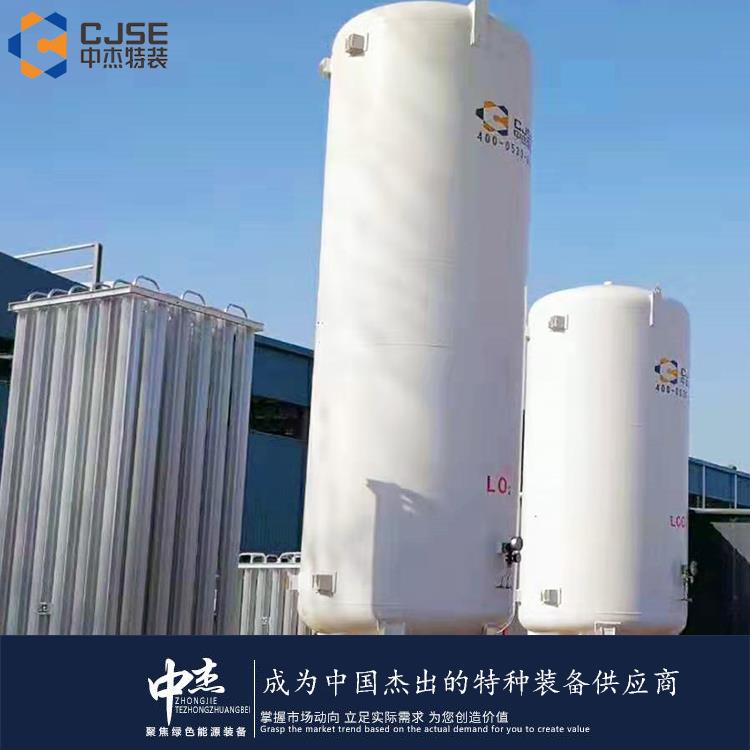
The liquid oxygen tank possesses the following characteristics:
High Purity: The liquid oxygen storage tank contains high purity liquid oxygen, typically exceeding 99.5% purity. This makes the liquid oxygen storage tank crucial in applications requiring high purity oxygen, such as medical, aerospace, and research fields.
Low Temperature: As the boiling point of liquid oxygen is -183°C, liquid oxygen storage tanks must have excellent insulation properties to maintain the low temperature state of the liquid oxygen. Tanks are typically designed with double or multi-layer structures, filled with insulating material in between to minimize heat transfer and evaporation of the liquid oxygen.
High Pressure: Liquid oxygen tanks typically need to withstand high pressure to maintain their liquid state. The design and material selection of the tank must consider the pressure requirements of liquid oxygen to ensure the tank's safety and reliability.
Flammability: Liquid oxygen is highly flammable and can support combustion. Therefore, during the design and use of liquid oxygen storage tanks, fire prevention measures must be implemented to ensure there are no ignition sources nearby and appropriate fire extinguishing equipment is provided.
High Density: Liquid oxygen has a higher density than gaseous oxygen, allowing liquid oxygen tanks to store more oxygen. This gives liquid oxygen tanks an advantage in applications requiring large oxygen supplies, such as in the field.
Corrosiveness: Liquid oxygen has some degree of corrosiveness.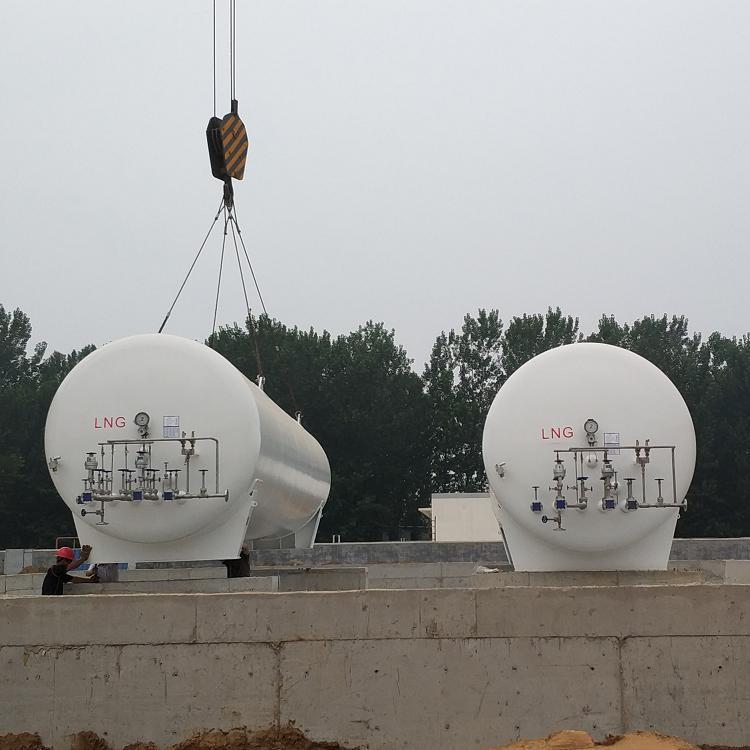
Proper placement of liquid oxygen tanks is crucial for ensuring they pose no danger to the surrounding environment and personnel during use. The following are the safety requirements for the placement of liquid oxygen tanks:
Safety Distance: Liquid oxygen storage tanks should maintain a certain distance from other buildings and equipment. This is to ensure effective control and minimize the impact on the surrounding environment in the event of a tank leak or fire.
Fire and explosion prevention measures: Liquid oxygen tanks should be placed in a fire-resistant area, away from open flames, high-temperature sources, and flammable materials. The surrounding area should be equipped with fire and explosion prevention facilities, such as fire extinguishers, foam sprinkler systems, etc., to address potential fire risks.
The liquid oxygen tank should be placed on a sturdy, flat foundation to ensure stability. The bottom of the tank should make full contact with the ground to prevent tilting or shaking.
Ventilation Requirements: Liquid oxygen tanks should be placed in well-ventilated areas to ensure the normal circulation of gas emissions and oxygen supply. There should be no obstructions around the tank that hinder gas flow.
Identification and Warning: Liquid oxygen storage tanks should be clearly marked with information such as the storage medium, capacity, and pressure. Warning signs and safety alerts should be placed in the surrounding area to remind personnel of the presence and potential dangers of the liquid oxygen tank.
Regular Inspections and Maintenance: Liquid oxygen storage tanks should be regularly inspected and maintained, including checking the tank's appearance, sealing, and anti-corrosion measures. Any issues found should be promptly repaired or replaced to ensure proper operation and safety.
It's important to note that the safety requirements for the placement of liquid oxygen tanks may vary depending on different regions and industries. When placing a liquid oxygen tank, adhere to relevant regulations, standards, and safety procedures, and develop suitable safety measures based on the actual situation. If you're unfamiliar with or have questions about the safety requirements, it's advisable to consult with experts or relevant institutions.
A liquid oxygen station is a facility used for storing and supplying liquid oxygen, and the liquid oxygen tank is a key component of the liquid oxygen station. The liquid oxygen tank has several important functions and features:
Liquid Oxygen Storage: Liquid oxygen tanks are primarily used for storing liquid oxygen, cooling gaseous oxygen below its critical temperature to convert it into a liquid form. The storage density of liquid oxygen is high, allowing for the storage of large amounts of oxygen in relatively small spaces.
Maintain Low Temperature: Liquid oxygen tanks are typically double-walled, with a vacuum layer between the inner and outer walls to minimize heat transfer and maintain低温. This helps to keep the liquid oxygen at a低温 state, preventing premature vaporization.
Safety Design: Liquid oxygen tanks must be designed and manufactured with safety in mind. They are typically made from high-strength materials such as stainless steel or aluminum alloy to withstand high pressure and low-temperature conditions. Additionally, liquid oxygen tanks are equipped with safety valves, pressure sensors, and temperature sensors to ensure that the internal pressure and temperature of the tank remain within safe limits.
Supply System Connection: Liquid oxygen tanks are typically connected to the supply system to transport liquid oxygen to the required locations. The supply system includes liquid oxygen pumps, pipelines, and valves, etc., which are used to extract liquid oxygen from the tanks and deliver it to the user end.
Liquid oxygen tanks play a crucial role in storing and maintaining liquid oxygen at oxygen stations. Their design and operation must strictly adhere to relevant safety regulations and procedures to ensure the safety and reliability of the storage and supply process.
Zhong Jie Special Equipment upholds the grand vision of "realizing employees' dreams, creating value for customers, and striving for the prosperity and strength of our motherland," and is dedicated to the development of the green energy equipment industry. We commit to society with high-quality, cost-effective products and services!
WeChat Official Account

Scan to follow Official Account




















