


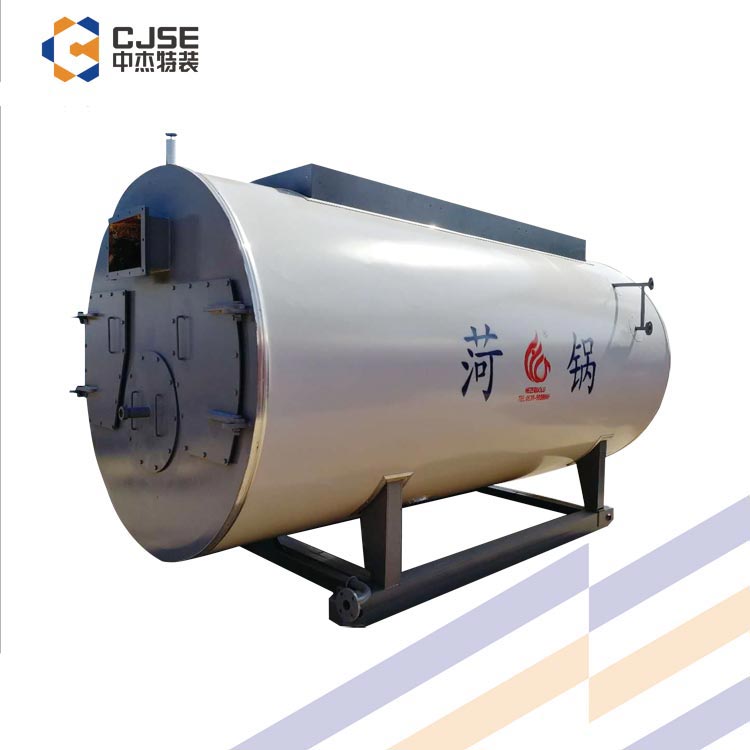

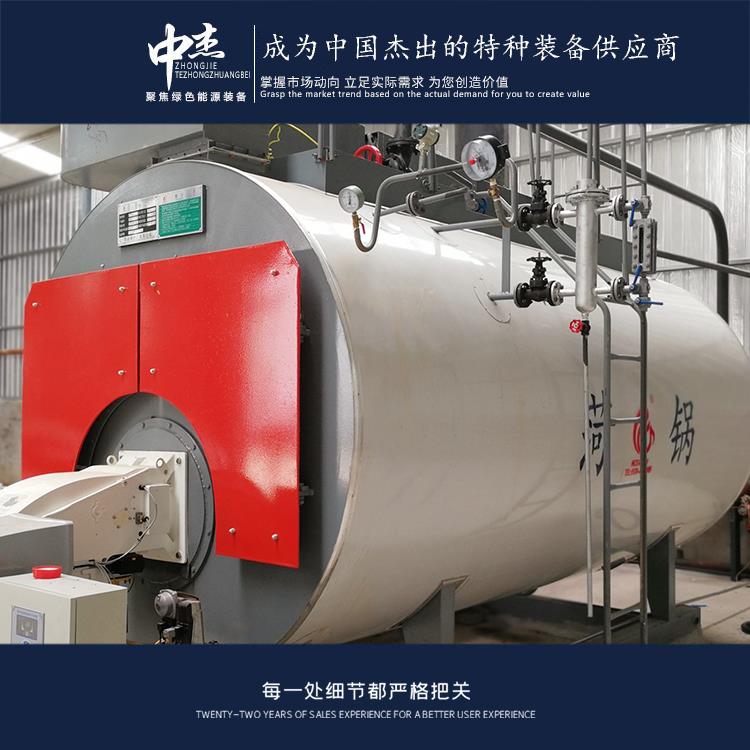
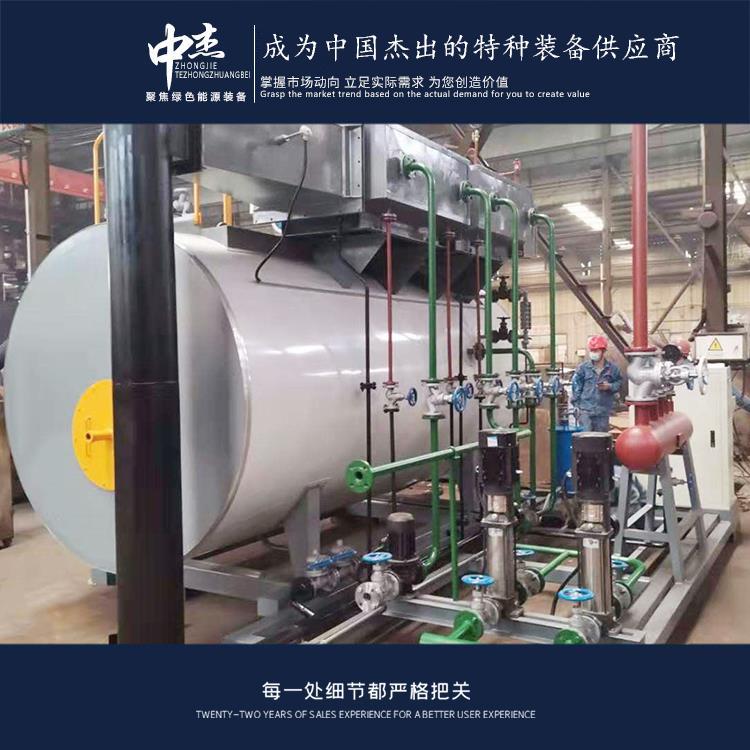



















Shandong Zhongjie Special Equipment's main products include: fuel (gas) boilers, organic heat carrier boilers, biomass boilers, waste heat boilers, and other boiler products; vacuum insulation cryogenic pressure vessels such as LNG tanks, oxygen/nitrogen/argon tanks, and CO2 tanks; pressure vessel products such as denitrification engineering equipment, heat storage and energy storage equipment, and complete chemical equipment; central air conditioning and HVAC equipment such as ground (water) source heat pumps, air source units, water-cooled screw units, and air-cooled modular units. Planned products include large-scale energy centers, LNG transport vehicles, LNG tank containers, and other green energy equipment.
The temperature control methods for gas boilers typically include:
Manual Adjustment: By manually operating valves or regulators, the temperature of a gas boiler can be controlled. Adjust the valve opening or regulator settings as needed to achieve the desired temperature.
Automatic Adjustment: Gas boilers can be equipped with an automatic control system that uses sensors and controllers to automatically adjust the temperature. Sensors detect the boiler temperature and send signals to the controller, which then automatically adjusts the gas supply and burner status within a set temperature range to maintain the desired temperature.
Proportional Control: The temperature control of gas boilers can also be achieved through proportional control. By adjusting the valve or regulator opening, the gas supply and burner status are proportionally regulated based on temperature changes, maintaining a certain proportional relationship with the temperature.
PID Control: PID control is a commonly used temperature control method. The PID controller adjusts the gas supply and burner status based on temperature deviations, rates of change, and integral values to achieve temperature control.
It should be noted that different gas boilers may use different temperature control methods. The specific adjustment methods and procedures should be determined according to the boiler model and control system. When adjusting the temperature, safety operating procedures should be followed to ensure normal operation and safety of the boiler.
To extend the service life of steam boilers, the following measures can be taken:
Regular maintenance: Conduct regular maintenance on the boiler, including cleaning the burner, flue, and heat exchanger, inspecting and replacing worn parts, to ensure normal operation and efficiency.
Water quality control: Maintain good water quality in the boiler to prevent scale and corrosion from damaging the boiler. Regularly test water quality and take appropriate water treatment measures based on test results, such as descaling and replenishing missing chemicals.
Control the combustion process: Reasonably control the combustion process to ensure the normal operation and efficiency of the burner. Regularly inspect the burner's operating status, adjust combustion parameters, and avoid issues like overheating or underheating.
Regularly clean flues and heat exchangers: Regularly clean the flues and heat exchangers to remove accumulated dust and dirt, maintain heat exchange efficiency, and avoid overheating and energy loss.
Regularly inspect safety devices: Regularly inspect the boiler's safety devices, including safety valves, pressure switches, and water level controllers, to ensure normal operation and safe operation of the boiler.
Keep records and monitor: Record the boiler's operating parameters, maintenance records, and fault situations, regularly monitor and analyze them, and address issues promptly.
Train operators: Ensure operators have sufficient knowledge of boiler operation and maintenance, operate and maintain the boiler correctly, and avoid damage caused by operational errors and improper maintenance.
Regularly carry out inspections: Based on the boiler's usage and the manufacturer's recommendations, regularly perform major repairs and inspections, replace worn-out components, and extend the boiler's service life.
These measures can help extend the service life of steam boilers. However, please note that for safety and effectiveness, maintenance and inspections should be performed by qualified personnel.
The reasons for uneven heat distribution in steam boilers may include the following aspects:
- Uneven combustion: During the combustion process, if the mixture of fuel and air is uneven, or if the burner's design and adjustment are not reasonable, it can lead to uneven combustion. This results in some areas producing more heat while others produce less.
- Pipe blockage: The presence of blockages or scale in the steam boiler's transmission pipes can cause uneven heat transfer. Blockages or scale hinder steam flow, limiting heat transfer in some areas while allowing better heat transfer in others.
- Heat exchanger issues: If the heat exchangers in the steam boiler have problems such as scaling, corrosion, or blockage, they can lead to uneven heat transfer. These issues affect the heat conduction efficiency of the heat exchangers, impacting heat transfer in some areas.
- Water level problems: Inaccurate or unstable water level control in steam boilers can lead to uneven steam production. Both high and low water levels can affect steam production and distribution, causing uneven heat distribution.
- Boiler load changes: Changes in boiler load can also result in uneven heat distribution. Sudden increases or decreases in load may prevent the boiler from adjusting heat production and distribution in time, leading to uneven heat distribution.
To address the issue of uneven heat distribution in steam boilers, regular inspection and maintenance of boiler equipment are necessary to ensure the normal operation of combustion and heat exchange processes. Additionally, adjusting burners and control systems, maintaining stable water levels, cleaning pipes and heat exchangers, and improving...
To ensure proper safety procedures for industrial boilers, attention should be given to the following aspects:
- Adhere to laws and regulations: Understand and comply with relevant laws, regulations, and standards, including those concerning boiler safety management and standards for boiler operation and maintenance. Ensure compliance with legal requirements throughout the process of handling operations.
- Establish a sound management system: Develop a comprehensive industrial boiler safety management system, define responsibilities and authorities, and standardize operational processes and safety measures. Create operational procedures and emergency response plans to ensure orderly handling of safety operations.
- Training and education: Conduct training and education for personnel involved in the safety handling of industrial boilers to enhance their safety awareness and skill levels. This includes training for boiler operators, maintenance staff, and managers.
- Regular inspections and maintenance: Conduct regular inspections and maintenance of industrial boilers to ensure proper equipment operation and safety performance. This includes checking and maintaining key components such as the combustion system, water level control, safety valves, and pressure gauges.
- Safety equipment and facilities: Equip necessary safety equipment and facilities, such as safety valves, pressure gauges, water level indicators, and burners. Ensure the proper operation and effectiveness of these facilities.
- Regular inspections and evaluations: Conduct regular inspections and evaluations of industrial boilers to ensure compliance with safety requirements. This includes routine pressure tests, water quality inspections, and combustion efficiency assessments.
- Safety records and documentation management: Establish a comprehensive system for safety records and documentation, recording the operation of industrial boilers, maintenance records, and accident reports. Update and preserve relevant safety information promptly.
- Regular drills and emergency response plans: Organize regular safety drills and emergency response training to enhance the ability to respond to emergencies and improve efficiency in emergency handling.
These are some basic points for ensuring proper safety handling of industrial boilers. Specific operations should be adjusted according to actual conditions and requirements.
Zhongjie Special Equipment upholds the grand vision of "realizing employees' dreams, creating value for customers, and striving for the prosperity and strength of our motherland," wholeheartedly devoting itself to the development of green energy equipment. We offer society products and services with high performance and cost-effectiveness!
WeChat Official Account

Scan to follow Official Account




















