


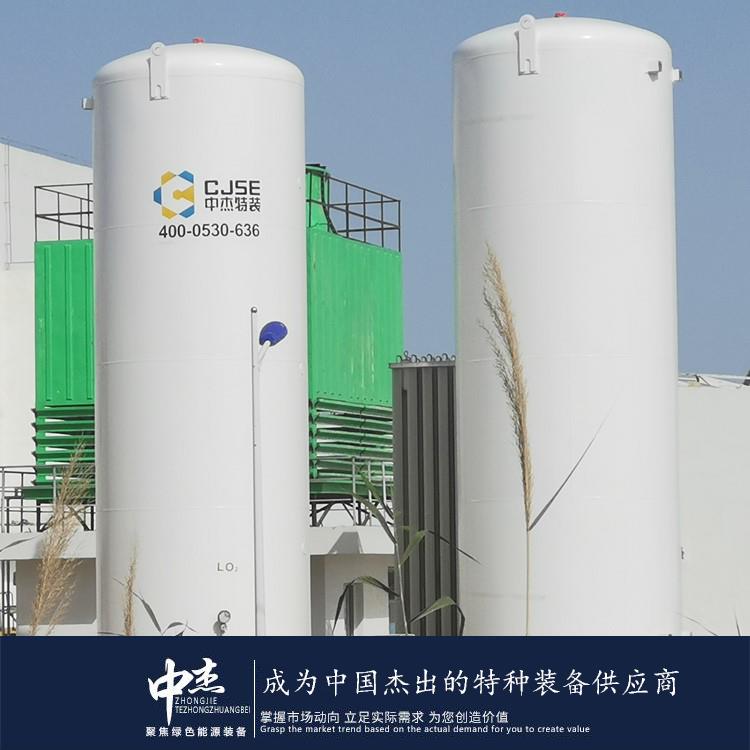

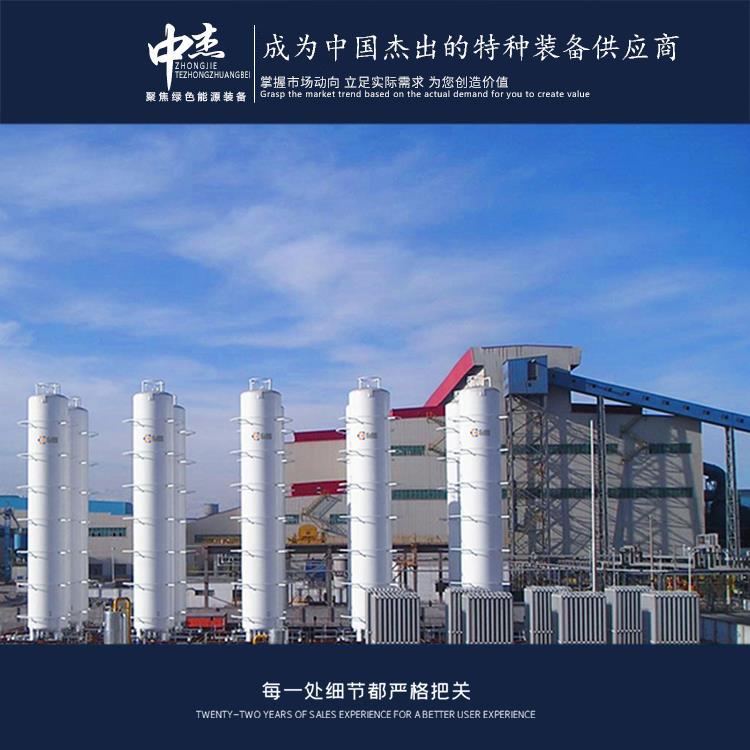
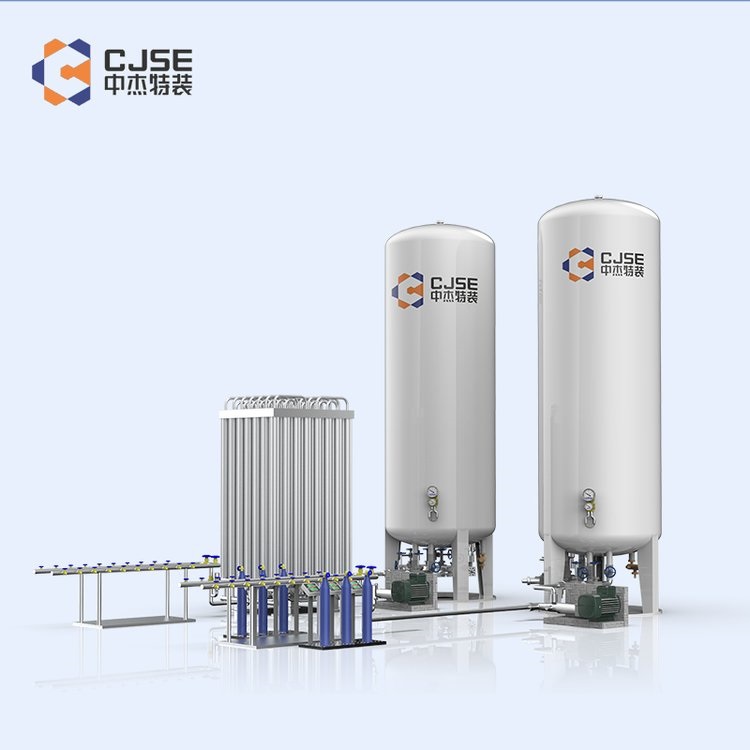



















Shandong Zhongjie Special Equipment (formerly Heze Boiler Factory Co., Ltd.) holds an A-grade boiler manufacturing license, an A2-grade pressure vessel manufacturing license, an A2-grade pressure vessel design license, a B-grade boiler installation license, and GB2/Class and GC2/Class pressure pipeline installation licenses, as well as an electromechanical equipment installation contracting qualification. It is a member of the China Boiler and Water Treatment Association, the China Chemical Equipment Association, and the council member of the Shandong Equipment Manufacturing Association. The company has also passed the ISO9001 Quality Management System, ISO14001 Environmental Management System, OHSAS18001 Occupational Health and Safety Management System certifications, and the American ASME/U2 certification.
The installation of a safety valve on a CO2 storage tank is crucial for safely releasing pressure in case of overpressure. Below are general installation steps:
1. Select the appropriate safety valve: Choose a safety valve based on the tank's design pressure and flow requirements, ensuring the rated pressure and flow of the safety valve meet the tank's specifications.
2. Installation location: Select a suitable location for the safety valve, typically on the top or side of the tank. Ensure the valve can easily release pressure and is not obstructed by other equipment or structures.
3. Preparations: Clean the tank surface at the installation location, ensuring no debris or dirt. Check the seal integrity of the safety valve and connecting pipes, ensuring no damage or leaks.
4. Install the safety valve: Connect the safety valve to the tank using the appropriate fittings and sealing materials. Follow the installation instructions for the safety valve to ensure a secure and reliable connection to the tank.
5. Adjust and test: Adjust and test the safety valve according to its specifications and requirements. Ensure the valve operates normally within the set pressure range and can release pressure promptly.
6. Labeling and documentation: Label relevant information on the safety valve and tank, such as the rated pressure and flow of the safety valve, installation date, etc. Record the installation process and test results for future reference and maintenance.
Please note that installing a CO2 storage tank safety valve must follow relevant safety operation procedures and standards. If you lack the necessary knowledge and experience, it is recommended to consult professionals or manufacturers for installation.
Carbon dioxide storage tanks offer the following advantages:
- High storage density: These tanks can compress carbon dioxide gas into a liquid state, significantly increasing storage density. Compared to storing it in gas form, liquid carbon dioxide can be stored in a smaller tank, saving space and costs.
- Environmental and renewable: Carbon dioxide is an eco-friendly gas, and its increased concentration in the atmosphere contributes to warming and climate change. By storing and utilizing carbon dioxide, we can reduce its emissions into the atmosphere, promoting environmental protection and sustainable development.
- Multiple application fields: Carbon dioxide storage tanks are widely used in various industries, including food and beverage, industrial, fire suppression, and gas supply. Carbon dioxide can serve as a preservative, carbonation agent, gas, and fire extinguisher, among other uses, with broad applications and market demand.
- Safe and reliable: During design and manufacturing, these tanks typically use high-strength materials (such as carbon steel or stainless steel) with excellent pressure resistance and safety. The tanks are usually equipped with safety valves, pressure gauges, and level indicators to ensure safe operation. Additionally, carbon dioxide is a non-flammable and non-explosive gas, making it relatively safe.
These advantages make carbon dioxide storage tanks a crucial storage and supply equipment, widely used across multiple industries. However, it is essential to follow relevant safety operation procedures and standards when using carbon dioxide storage tanks to ensure safe operation and use.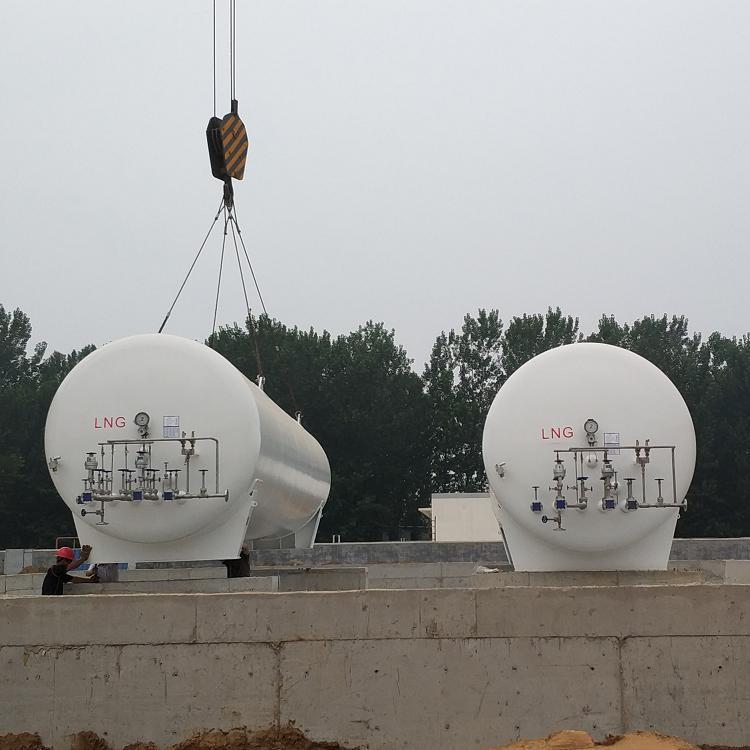
When using CO2 storage tanks, the following precautions should be taken:
Safety Operation: Prior to operating a CO2 storage tank, it is mandatory to familiarize yourself with and adhere to the relevant safety operation procedures and guidelines. Ensure that operators have received necessary training and understand the tank's working principle, operational procedures, and emergency measures.
Tank Inspection: Regularly inspect the external and internal conditions of the CO2 storage tank, including checking for corrosion, leaks, and welds on the tank walls. If any abnormalities or damage are found, take immediate corrective or replacement actions.
Tank Pressure Control: Maintain the internal pressure of the tank within a safe range. Monitor and control the tank's pressure to prevent damage or safety risks from excessive or low pressure.
Fire Prevention Measures: CO2 is a flammable gas, so fire prevention measures must be observed when using it. Avoid open flame operations near the tank and ensure the surrounding environment is flame-free.
Leakage Management: In the event of a CO2 leak, appropriate emergency measures should be taken immediately. Promptly notify relevant personnel, ensure safe evacuation, and take steps to prevent the spread of the leak.
Tank Maintenance: Regularly maintain and service the tank, including cleaning, lubrication, and corrosion prevention. Follow the manufacturer's recommendations and guidelines to ensure the tank operates normally and has a long service life.
Compliance: Adhere to local regulations, standards, and specifications to ensure that the tank's design, manufacture, installation, and use meet the corresponding requirements.
It is crucial to strictly follow safety operation procedures when using CO2 storage tanks and to cooperate with relevant personnel to ensure the tank's safety and reliability.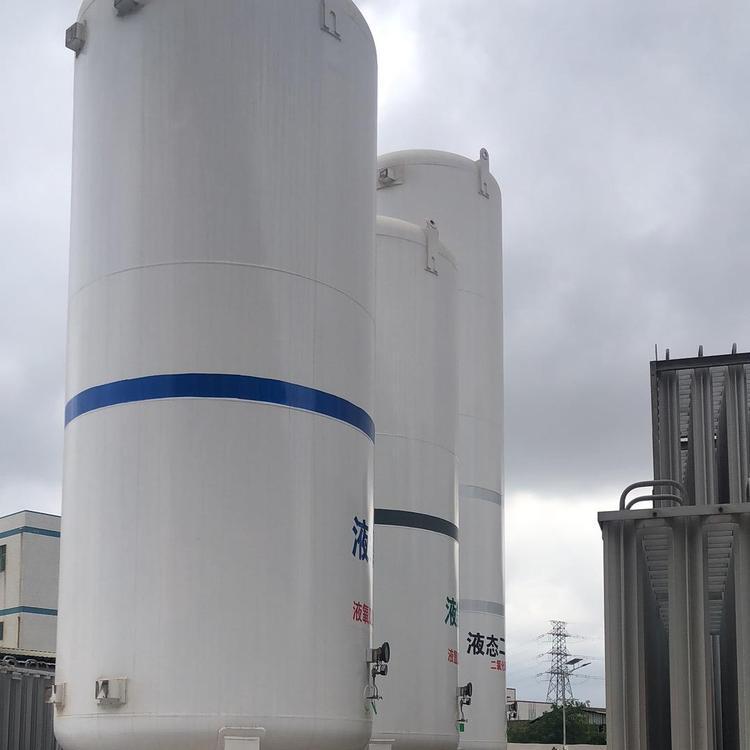
Prior to using the CO2 storage tank, the following preparations must be made:
- Inspect the tank: Check for any visible damage, corrosion, or oil leakage on the tank's exterior. Ensure the structural integrity and safety of the tank.
- Check valves and pipes: Verify that the tank's inlets and outlets, as well as pipe connections, are functioning properly with no leaks or loose fittings. Ensure valves operate smoothly and reliably.
- Inspect safety accessories: Check the functionality of safety accessories like relief valves, pressure sensors, and temperature sensors. Confirm that their set parameters meet requirements.
- Check the level measurement system: Verify the accuracy and reliability of the level measurement system. Calibrate the level sensors to ensure accurate level readings.
- Inspect the pressure relief device: Check that the tank's pressure relief device (e.g., safety valve) is working correctly. Confirm that the set pressure of the relief device meets requirements.
- Check the gas quality: Ensure the CO2 gas in the tank meets quality standards with no impurities or contaminants.
- Inspect fire protection equipment: Ensure that fire protection equipment around the tank is in good condition and check that extinguishers, sprinkler systems, etc., are functioning properly.
- Train operators: Operators should receive training on the characteristics, operational requirements, and safety measures of the CO2 storage tank. Training should include safe operation, leak handling, and emergency procedures.
- These preparations ensure the CO2 storage tank is in good condition before use and guarantees the safety and reliability of operations. Follow relevant safety operation procedures during preparation and have personnel handle the operations.
Zhongjie Special Equipment upholds the great vision of "Realizing employees' dreams, creating customer value, and striving for the prosperity and strength of our motherland," and is dedicated to the development of the green energy equipment industry. We commit to society with high-value products and services!
WeChat Official Account

Scan to follow Official Account




















