


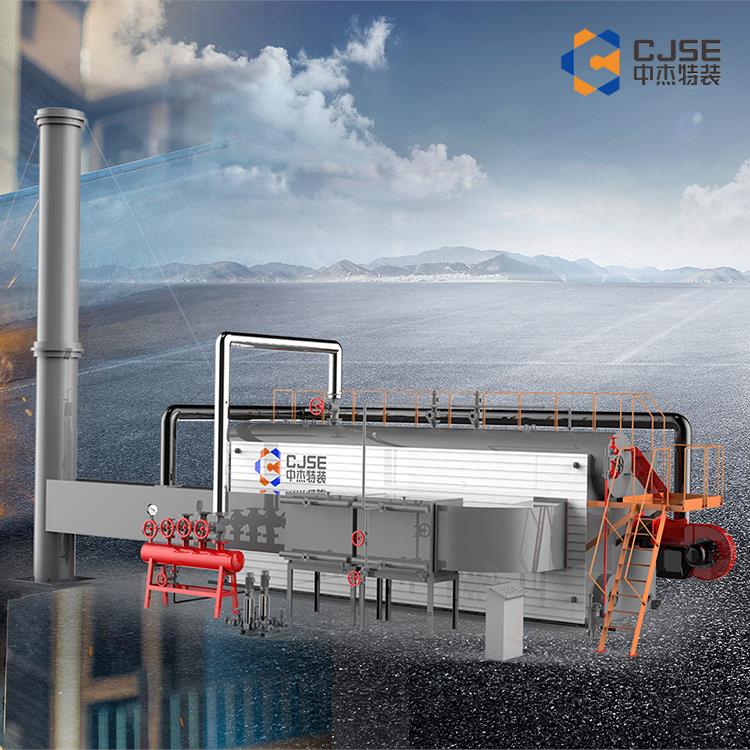

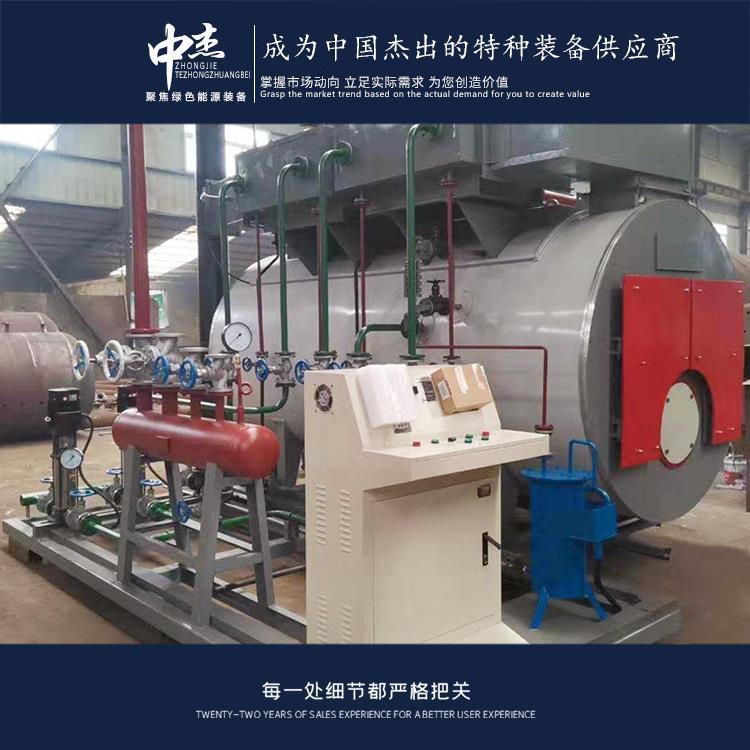
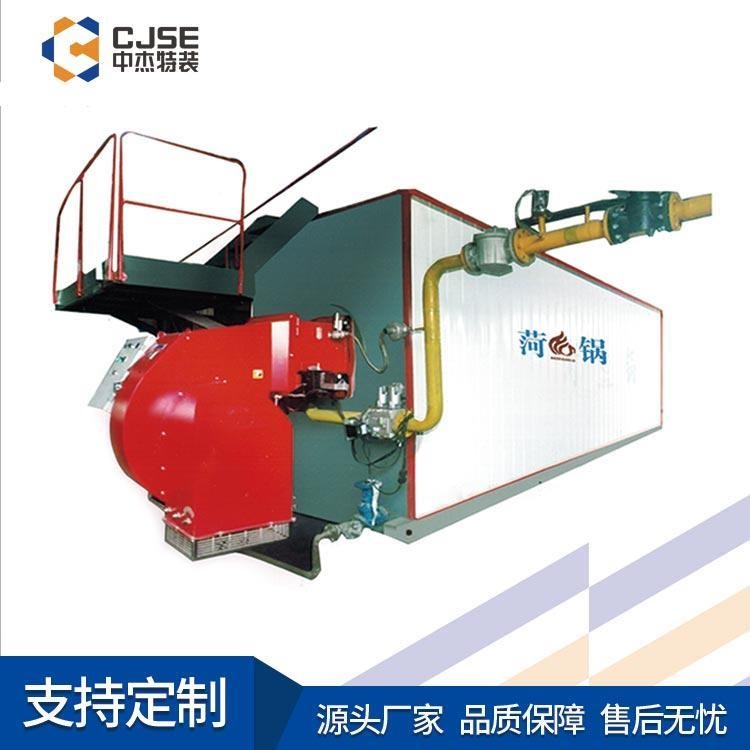



















Shandong Zhongjie Special Equipment Co., Ltd. specializes in the following products: fuel (gas) boilers, organic heat carrier boilers, biomass boilers, waste heat recovery boilers, and other boiler products; vacuum insulation cryogenic pressure vessels such as LNG tanks, oxygen/nitrogen/argon tanks, and CO2 tanks; pressure vessel products including denitrification engineering equipment, heat storage and energy storage equipment, and complete chemical equipment sets; central air conditioning and ventilation equipment such as ground (water) source heat pumps, air source units, water-cooled screw units, and air-cooled modular units. Planned products include large-scale energy centers, LNG transport vehicles, LNG tank containers, and other green energy equipment.
The purpose of oxygen removal in industrial boiler feed water is to reduce oxygen corrosion and bubble formation within the boiler, ensuring the safety and proper operation of the boiler and pipeline systems. The main methods of oxygen removal include:
1. Mechanical Oxygen Removal: Removing oxygen from water using physical methods. Common mechanical oxygen removal equipment includes deaerators and degassers. Deaerators remove oxygen by atomizing water into a thin film, utilizing the difference in gas solubility. Degassers, on the other hand, remove oxygen by atomizing water into tiny droplets, also using the difference in gas solubility.
2. Thermal Oxygen Removal: Removing oxygen from water by heating the water body, taking advantage of the property that oxygen solubility decreases with temperature. Common thermal oxygen removal equipment includes deaerating pots and deaerators. Deaerating pots release oxygen from water by heating it to saturation temperature. Deaerators heat the water to reduce oxygen solubility, thereby removing oxygen.
3. Chemical Oxygen Removal: Removing oxygen from water by adding chemicals that react with it, thus eliminating oxygen. Common chemical oxygen removal agents include salts, reducers, etc. Chemical oxygen removal is often used in high-pressure boiler systems and can effectively remove oxygen from water.
The choice of oxygen removal method depends on the specific boiler system and water quality. In practical applications, a combination of various oxygen removal methods is often used to achieve the desired effect. The selection and operation of oxygen removal equipment should be assessed and adjusted based on the actual situation to ensure the safety and proper operation of the boiler system.
During the operation of a thermal oil furnace, several important points should be noted:
- Temperature Control: During the operation of the thermal oil furnace, close attention and control of the thermal oil temperature are required. Ensure the temperature remains within a safe range to avoid decomposition of the oil at high temperatures or condensation and scaling at low temperatures. Regularly inspect and calibrate the temperature sensors to ensure accurate temperature readings.
- Pressure Control: During the operation of the thermal oil furnace, maintaining an appropriate working pressure is necessary. Excessive pressure can lead to equipment damage or leaks, while low pressure can decrease heat transfer efficiency. Regularly inspect and maintain the pressure gauge and safety valve to ensure accurate and safe pressure control.
- Oil Quality and Cleanliness: The quality and cleanliness of the thermal oil are crucial for the normal operation of the furnace. Regularly inspect and replace the thermal oil to ensure it meets quality and performance requirements. Regularly clean and maintain heat exchangers, burners, and flues to prevent the accumulation of dust and dirt, which can affect heat transfer efficiency.
- Regular Maintenance and Inspection: The thermal oil furnace requires regular maintenance and inspection to ensure proper operation and extend its service life. Regularly inspect and clean burners, flues, heat exchangers, and check and replace seals and valves. Inspect and calibrate safety devices to ensure the equipment's safety and reliability.
- Safe Operation: Strict adherence to operational procedures and safety protocols is required during the operation of the thermal oil furnace. Operators must possess relevant skills and knowledge.
Steam boilers produce a certain amount of waste water during operation, which requires effluent treatment. Here are the general steps for steam boiler effluent discharge: Preparation: Before discharging, ensure the steam boiler is shut down and the pressure inside the boiler has been reduced to a safe level. Open the effluent valve: According to the design of the steam boiler, locate the corresponding effluent valve and open it. The effluent valve is typically found on the bottom or near the bottom of the boiler's effluent pipe. Discharge waste water: After opening the effluent valve, waste water will flow out of the effluent pipe. Depending on the need, use an effluent pump or gravity discharge to remove the waste water. Observe the waste water: During the discharge process, observe the color, turbidity, and odor of the waste water to determine if there are any abnormalities, such as sediment, impurities, or off-odor. Close the effluent valve: Once the waste water has been discharged or the predetermined effluent target has been reached, close the effluent valve. Clean the effluent system: Regularly clean the effluent system to prevent blockages or accumulation of debris, ensuring the effluent system remains clear. It's important to note that the specific steps and frequency of steam boiler effluent discharge may vary depending on the model, usage conditions, and operational requirements of the boiler. Therefore, when performing steam boiler effluent discharge operations, it's advisable to refer to the boiler's operation manual or consult with experts to ensure proper and safe procedures.
Properly utilizing fuel-gas boilers can enhance energy efficiency and reduce consumption. Here are some suggestions:
1. Select the right boiler model: Choose a suitable fuel-gas boiler model based on actual needs, considering factors like heat load, fuel type, and combustion efficiency.
2. Regular inspections and maintenance: Conduct regular checks and maintenance to ensure the boiler operates smoothly. This includes cleaning burners, inspecting the combustion system, adjusting parameters, and promptly repairing or replacing damaged parts.
3. Control the combustion process: Manage the combustion process effectively to ensure complete, stable, and efficient burning. Adjust parameters like air flow and fuel supply to improve efficiency and minimize waste.
4. Heat recovery: Utilize heat recovery systems to capture and reuse waste heat from flue gases for heating water or other heat-intensive processes, enhancing energy efficiency.
5. Control operating parameters: Manage the boiler's operating parameters, such as water level, pressure, and temperature, based on actual needs and conditions. Avoid extremes to improve efficiency and safety.
6. Regularly clean heat exchangers: Clean the heat exchangers of fuel-gas boilers regularly to remove dirt and deposits, maintaining heat transfer efficiency and reducing energy loss.
7. Energy management: Establish an energy management system, monitor and analyze consumption, and create reasonable usage plans and energy-saving measures. Scientific management can boost efficiency and reduce consumption.
These are common methods and suggestions, but specific application should be determined based on actual conditions and boiler characteristics. Also, comply with relevant laws, regulations, and safety procedures to ensure safe operation of fuel-gas boilers.
Zhongjie Special Equipment adheres to the great vision of "realizing employees' dreams, creating value for customers, and striving for the prosperity and strength of our motherland," wholeheartedly committed to the development of green energy equipment. We dedicate high-quality products and services with competitive pricing to society!
WeChat Official Account

Scan to follow Official Account




















