


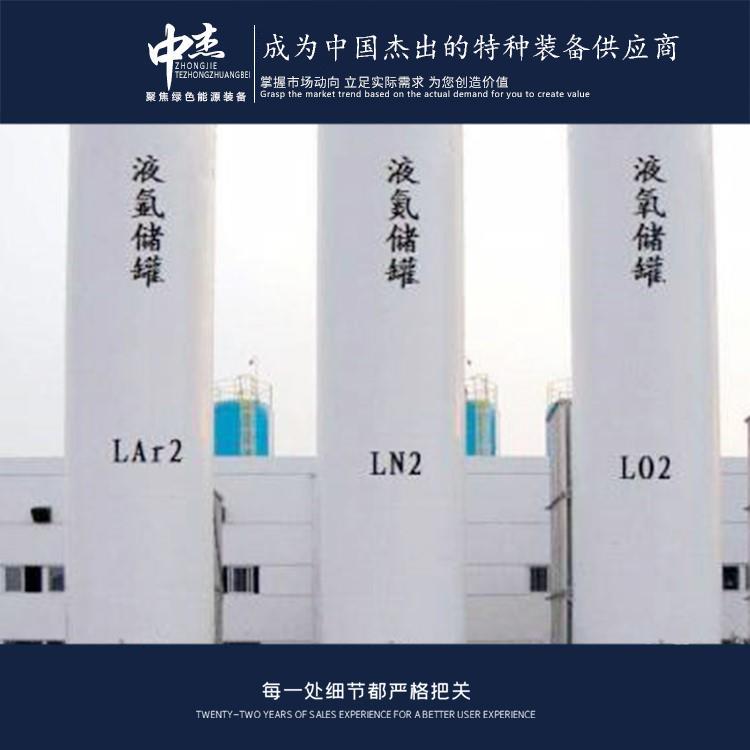

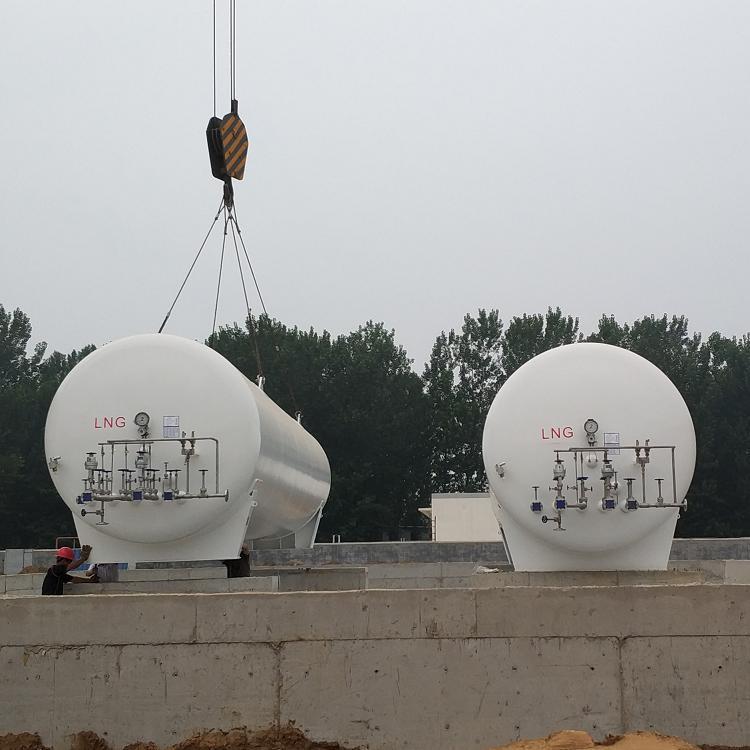
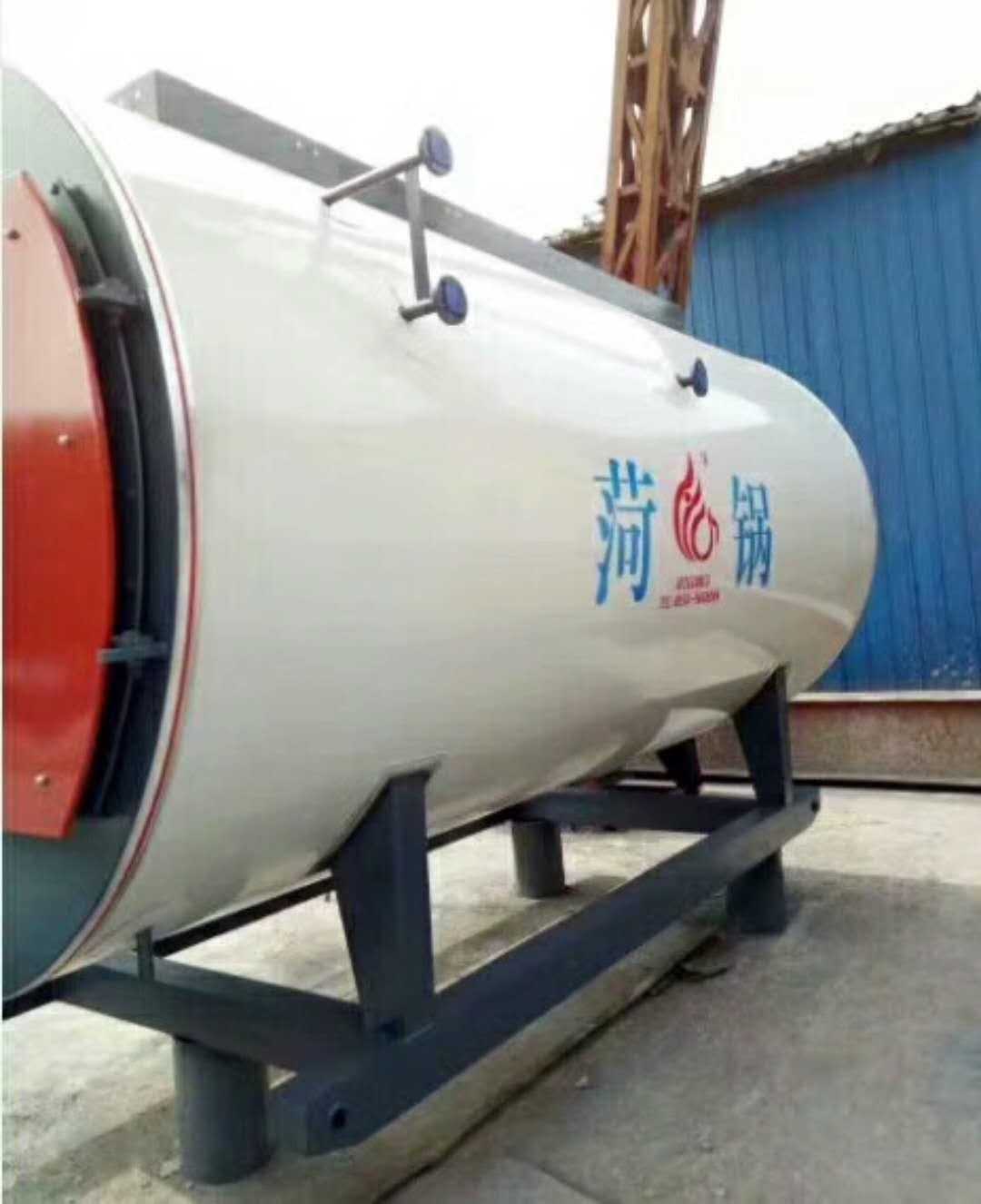



















Shandong Zhongjie Special Equipment Co., Ltd. specializes in the following products: fuel (gas) boilers, organic heat carrier boilers, biomass boilers, waste heat recovery boilers, and other boiler products; vacuum insulation cryogenic pressure vessels such as LNG tanks, oxygen/nitrogen/argon tanks, and CO2 tanks; pressure vessel products including denitrification engineering equipment, heat storage and energy storage equipment, and complete chemical equipment sets; central air conditioning and ventilation equipment such as ground (water) source heat pumps, air source units, water-cooled screw units, and air-cooled modular units. Planned products include large-scale energy centers, LNG transport vehicles, LNG tank containers, and other green energy equipment.
The reasons for not leaving liquid oxygen tanks empty for long periods are mainly as follows:
Evaporation Loss of Liquid Oxygen: Due to its low boiling point, liquid oxygen will continually evaporate when left unused for long periods, resulting in a loss of liquid oxygen within the storage tank. The evaporation rate is relatively fast, with daily evaporation potentially reaching up to a few percent of the tank's capacity. Prolonged unused periods can lead to waste of liquid oxygen.
Safety Risk: Liquid oxygen is a strong oxidizer with high flammability and explosiveness. Extended storage of liquid oxygen without use increases the chances of it coming into contact with the surrounding environment, thus enhancing the risk of accidental fires and explosions.
Risk of Tank Damage: Long-term emptying of liquid oxygen tanks can lead to internal oxidation reactions, accelerating corrosion and damage to the tank. Tank damage can affect its sealing performance and structural integrity, increasing the risk of leaks and safety accidents.
Therefore, to ensure the safe storage and effective use of liquid oxygen, liquid oxygen tanks should be regularly maintained and serviced to avoid long-term disuse. When the tank is not in use, appropriate measures should be taken, such as sealing the tank and reducing the evaporation of liquid oxygen, to minimize the loss of liquid oxygen and the associated safety risks.
Standard parameters for liquid oxygen storage tanks typically include the following:
Capacity: The capacity of liquid oxygen storage tanks is typically expressed in liters or cubic meters, with common capacities ranging from a few liters to several thousand liters.
Working Pressure: The working pressure of liquid oxygen tanks is typically expressed in MPa or bar, with a common working pressure range varying from 0.2 MPa to 2.5 MPa.
Design Temperature: The design temperature for liquid oxygen tanks is typically expressed in degrees Celsius, with common design temperature ranges varying from -196°C to -150°C.
Material: The primary material for liquid oxygen storage tanks is typically stainless steel, which boasts excellent corrosion resistance and low-temperature performance.
Insulation Layer: Liquid oxygen tanks are typically equipped with an insulation layer to minimize evaporation losses of the liquid oxygen. The material for the insulation layer is usually a multi-layer composite material or foam glass.
Safety Valve: Liquid oxygen storage tanks must be equipped with a safety valve to control internal pressure within the tank and prevent bursting due to excessive pressure.
Leak Detectors: Liquid oxygen storage tanks are typically equipped with leak detectors to promptly detect and alarm any leaks in liquid oxygen.
Appearance Design: The appearance design of liquid oxygen storage tanks typically conforms to relevant standards and regulations, including exterior colors, markings, and safety warning signs.
Note that specific parameters of liquid oxygen tanks may vary depending on the manufacturer and application requirements; the above are merely general common standard parameters. In actual use, select the appropriate liquid oxygen tank based on the specific situation.
During the installation of low-temperature liquid oxygen storage tanks with central oxygen supply, particular attention should be paid to the following aspects:
Safe Operation: Strict adherence to safety procedures and standards is mandatory during the storage tank installation process. Operators must be trained, familiar with the properties and safety requirements of liquid oxygen, and knowledgeable about the equipment and operational procedures to ensure safe operation.
Fire Prevention Measures: Liquid oxygen contains a high oxygen content, which is prone to causing fires. During the installation process, necessary fire prevention measures should be taken, such as setting up fire barriers, using fire-resistant coatings, and prohibiting open flames, to prevent the occurrence and spread of fires.
Leakage Control: During the installation process, attention should be given to leakage control. Oxygen leakage can lead to increased oxygen concentration, which in turn raises the risk of fire and explosion. Leak detection devices and alarm systems should be equipped to promptly detect and control leaks, and appropriate emergency measures should be taken.
Oxygen Concentration Monitoring: During the installation process, the oxygen concentration around the liquid oxygen storage tank should be monitored regularly. High oxygen concentrations can intensify the combustion of flammable materials, increasing the risk of fire and explosion. Take timely measures to ensure the oxygen concentration remains within a safe range.
Grounding and Static Electricity Protection: During the liquid oxygen plant process, ensure that the storage tank and related equipment are properly grounded to minimize the accumulation and release of static electricity. Utilize static-conductive materials and anti-static equipment to reduce the dangers caused by static electricity.
Regular inspections and maintenance: After the installation is complete, the liquid oxygen tank should be regularly inspected and maintained. This includes visual inspections, pressure tests, and leak detection to ensure the tank's safety and stability.
It is important to note that during the installation of the central oxygen supply low-temperature liquid oxygen storage tank, the operation should be carried out by experienced personnel and in accordance with relevant safety operation procedures and standards. Throughout the installation process, safety risks should be closely monitored, and timely measures should be taken to ensure the safety and stability of the installation.
Standard specifications for liquid oxygen storage tanks may vary by region. Here are examples of some common standards:
- American Standards: The American National Standards Institute (ANSI) and the American Petroleum Institute (API) have issued a series of standards for liquid oxygen storage tanks, such as ANSI/API Standard 2510 "Design and Construction of Liquid Oxygen Tanks" and ANSI/API Standard 2510A "Supplement to the Design and Construction of Liquid Oxygen Tanks."
- European Standards: The European Committee for Standardization (CEN) has issued a series of standards for liquid oxygen storage tanks, including EN 13458 "Liquid Oxygen Tanks. Design and Construction" and EN 14015 "Vertical Welded Steel Fixed Tanks. Design and Construction."
- Chinese Standards: The China National Committee for Standardization (SAC) has issued a series of standards for liquid oxygen storage tanks, such as GB/T 18442 "Design Specification for Liquid Oxygen Tanks" and GB/T 18443 "Construction and Acceptance Specification for Liquid Oxygen Tanks."
These standards typically cover requirements for the design, manufacturing, installation, operation, maintenance, and inspection of liquid oxygen storage tanks. They encompass provisions for the tank's structure, materials, safety valves, insulation, leak control, fire protection measures, and safety distances to ensure the safety and reliability of the tanks.
When designing, manufacturing, and using liquid oxygen storage tanks, it is essential to adhere to applicable standards and regulations, and to collaborate with local regulatory authorities and personnel to ensure compliance with relevant safety requirements and regulations.
Zhongjie Special Equipment upholds the grand vision of "realizing employees' dreams, creating value for customers, and striving for the prosperity and strength of our motherland," and is dedicated to the development of the green energy equipment industry. We offer society high-quality products and services at competitive prices!
WeChat Official Account

Scan to follow Official Account




















