


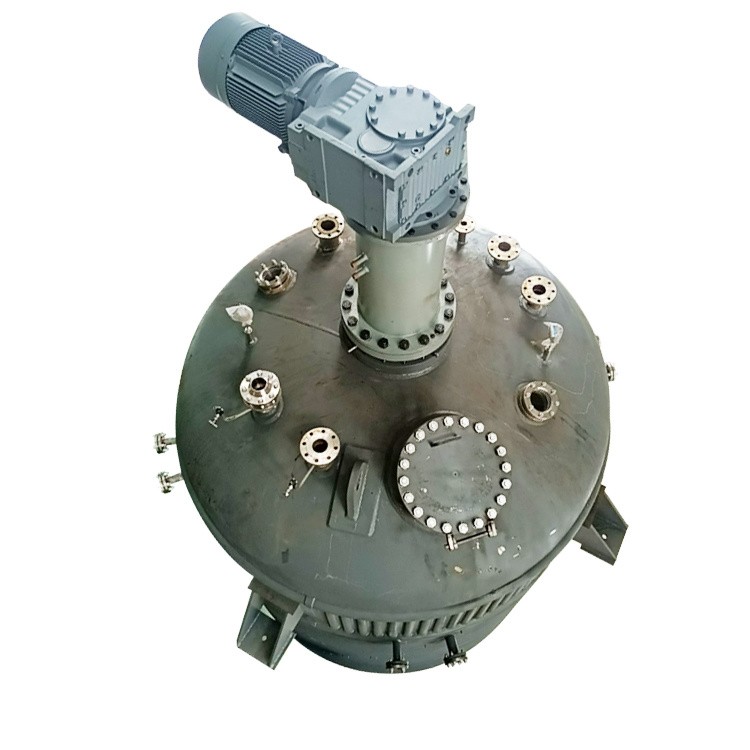













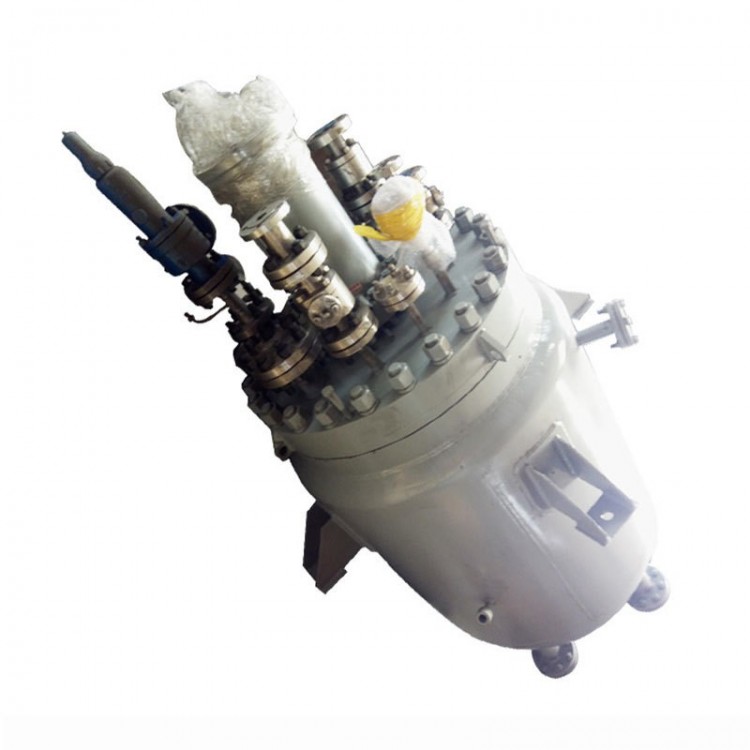
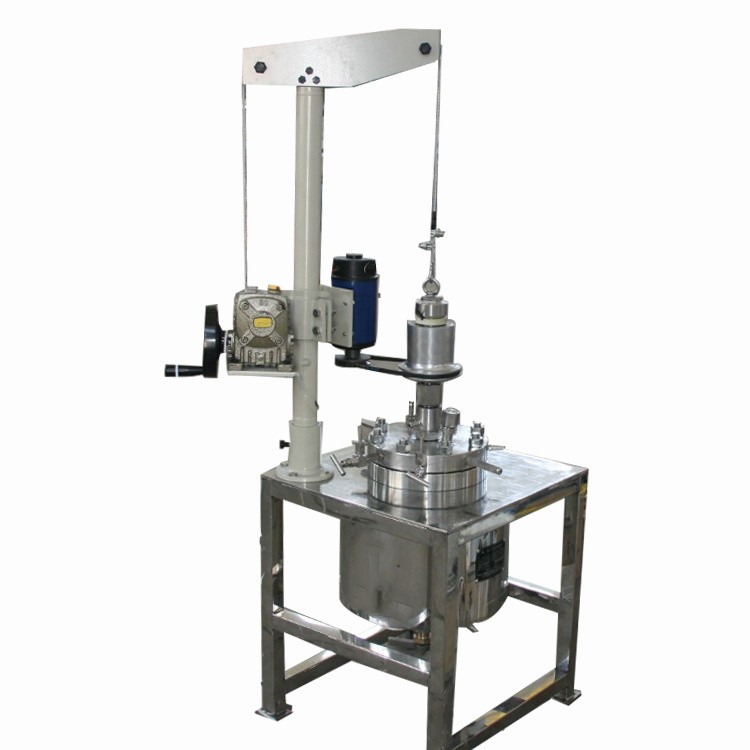
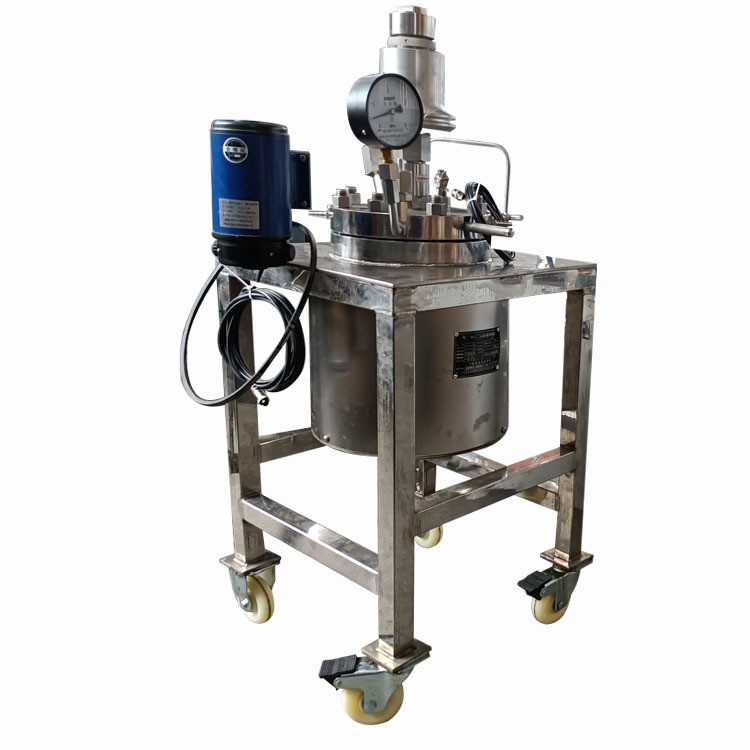
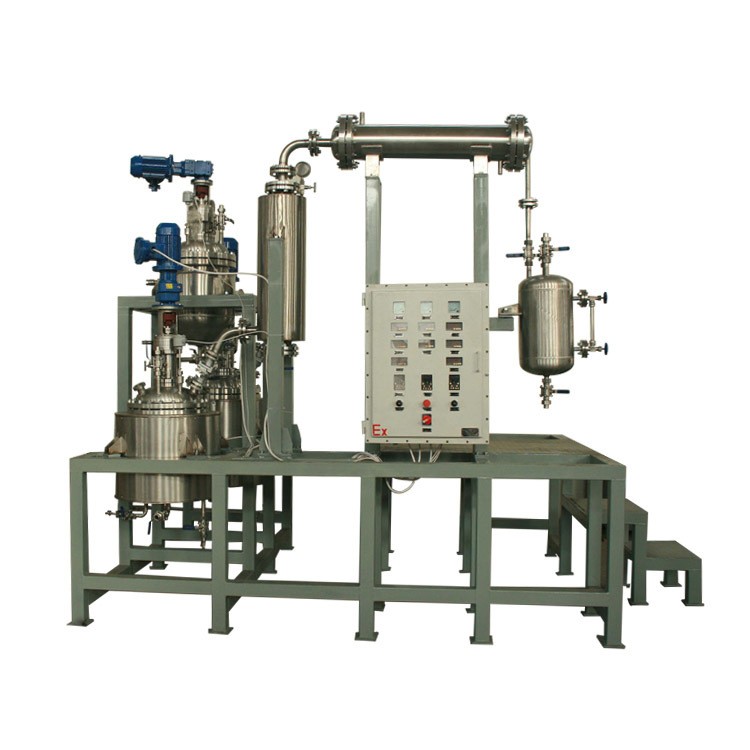
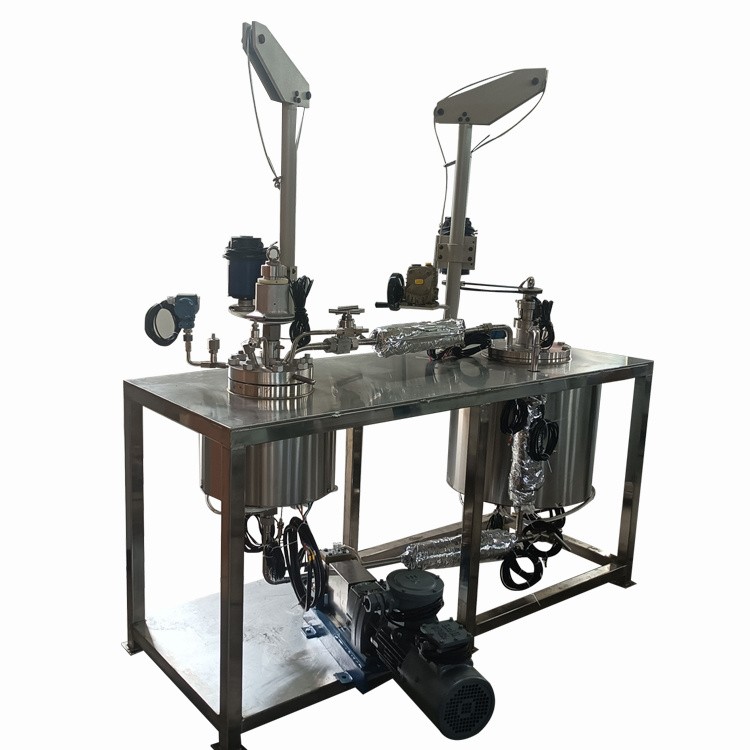
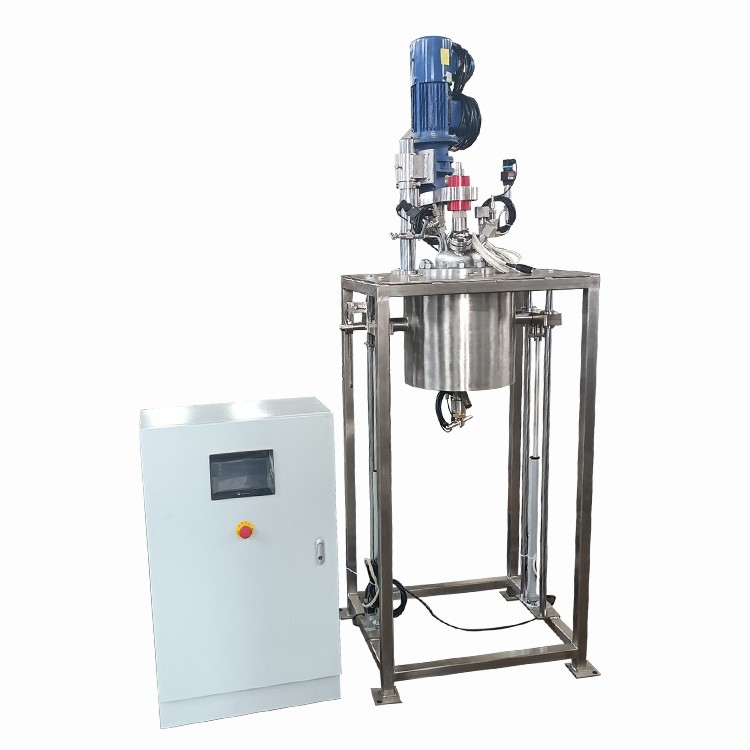
Hydrogenation reactors are widely used in industries such as petroleum, chemicals, rubber, pesticides, dyes, and food. The working principle of a hydrogenation reactor involves high-speed stirring to thoroughly mix hydrogen, catalysts, and materials, thereby achieving rapid reaction effects.
Material: Alcohols, hydrogen, catalysts (such as palladium on carbon, Raney nickel, etc.) and materials (benzene, alkali, alkanes, phenols, etc.)
Volume: 100/200/500/1000L/2000L/3000L/5000L/8000L/10000L/
Temperature: 0~350°F
Pressure: -0.1mpa to 15mpa
Material: Common materials for contact parts include S31603, S30408, S32168, Hastelloy, and other non-ferrous metals such as nickel.
Agitator: In a high-pressure hydrogenation reactor, the solid-liquid-gas three-phase mixture is crucial. The uniformity of hydrogen mixing is the key to the reaction. To accelerate hydrogen mixing, the following three methods are generally adopted:
1. The general structure of a hydrogenation reactor features a reactor body with a gas distributor at the bottom, where hydrogen gas flows through the distributor from the bottom up to thoroughly mix with the material.
2. Our company uses a self-priming agitator blade, which operates by creating a vacuum zone around the agitator due to high-speed rotation. Under the force of pressure difference, hydrogen gas at the top of the reactor is drawn into the material inside through the hollow shaft and the self-priming blade, where it is spun into the material at high speed to form bubbles, thereby achieving thorough mixing.


















