



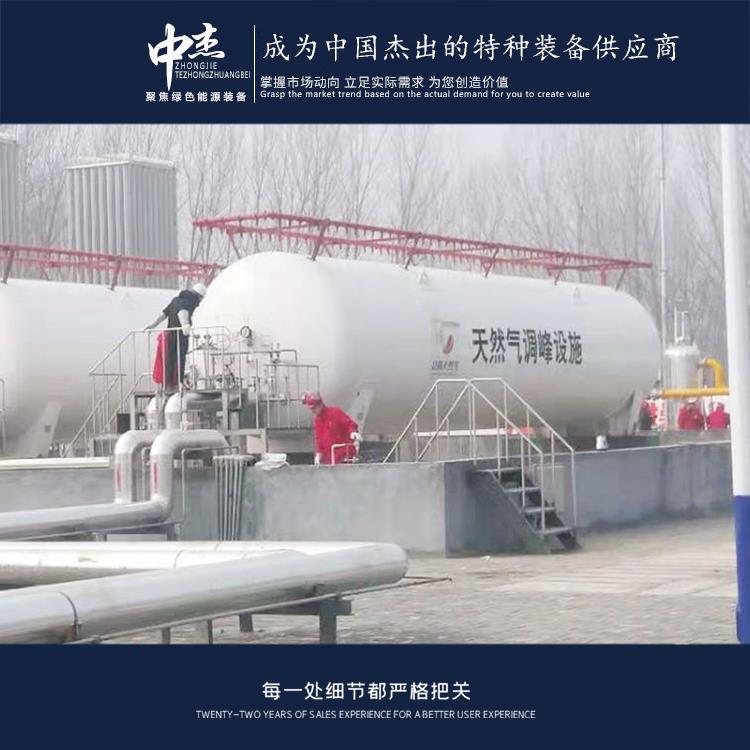
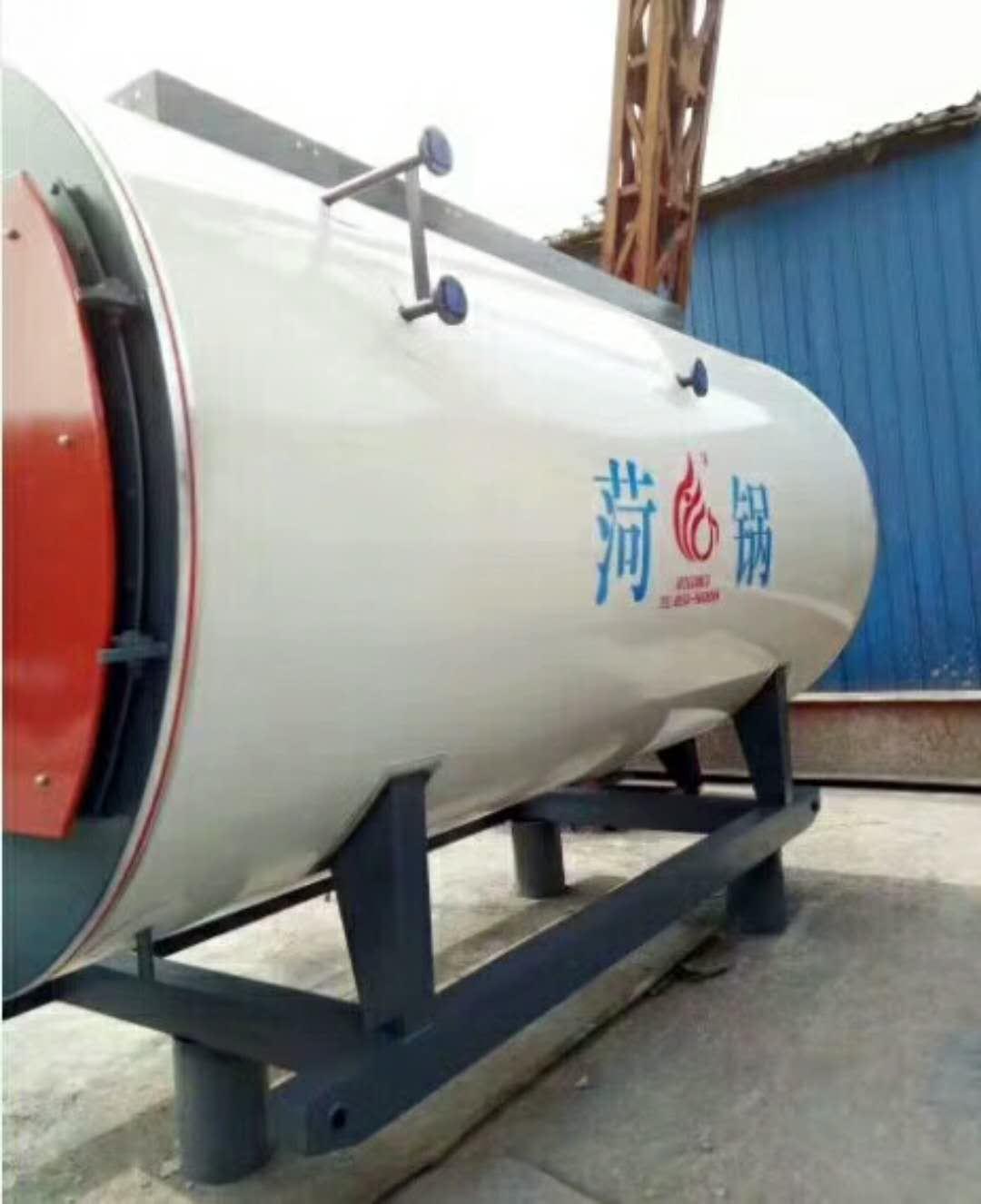



















Shandong Zhongjie Special Equipment's main products include: fuel (gas) boilers, organic heat carrier boilers, biomass boilers, waste heat boilers, and other boiler products; vacuum insulation cryogenic pressure vessels such as LNG tanks, oxygen/nitrogen/argon tanks, and CO2 tanks; pressure vessel products like denitrification engineering equipment, heat storage and energy storage equipment, and complete chemical equipment sets; central air conditioning and HVAC equipment such as ground (water) source heat pumps, air source units, water-cooled screw units, and air-cooled modular units. Planned products include large-scale energy centers, LNG transport vehicles, LNG tank containers, and other green energy equipment.
Several reasons have contributed to the peak popularity of low-temperature liquid storage tanks in recent years:
Increasing demand: As industrial and scientific research fields develop, there is a growing need for low-temperature liquids. Low-temperature liquid storage tanks can effectively store and supply liquid oxygen, liquid nitrogen, liquid gases, and other low-temperature liquids, meeting the demands of various industries.
Technological Advancements: In recent years, the manufacturing and material technologies for low-temperature liquid storage tanks have continually improved and innovated. The application of new insulating materials, advanced refrigeration systems, and safety control devices has enhanced the performance and safety of the tanks, making them more reliable and secure.
Enhanced environmental awareness: Low-temperature liquid storage tanks enable effective storage and utilization of low-temperature liquids, reducing energy waste and environmental pollution. Against the backdrop of heightened environmental awareness, low-temperature liquid storage tanks, as environmentally friendly and energy-saving equipment, have garnered more attention and applications.
Emerging Application Fields: The demand for low-temperature liquid storage tanks is increasingly growing in emerging application fields. For instance, the application of liquid nitrogen in frozen food, biomedicine, and semiconductor manufacturing is becoming more widespread, driving the development of low-temperature liquid storage tanks.
Policy Support: The government has provided support and encouragement for the development of low-temperature liquid storage tanks. Through policy guidance and financial support, the industry has been promoted and expanded.
In summary, the peak of low-temperature liquid storage tanks in recent years is primarily due to increasing demand, technological advancements, heightened environmental awareness, the development of emerging application areas, and policy support. These factors collectively have propelled the rapid growth of the low-temperature liquid storage tank industry.
The dimensions and structure of liquid oxygen storage tanks can vary depending on specific requirements and applications. Below are common dimensions and structures of liquid oxygen storage tanks:
Dimensions: The size of liquid oxygen tanks is typically determined by the storage or transportation capacity of liquid oxygen. Common capacity ranges of liquid oxygen tanks vary from a few thousand liters to several hundred thousand liters.
Structure: The structure of the liquid oxygen tank mainly includes the inner shell, outer shell, insulation layer, and supporting structure, etc.
Inner Shell: The inner shell of the liquid oxygen tank is the section designed for storing liquid oxygen, commonly made of materials like stainless steel or aluminum alloy, which offer excellent corrosion resistance and sealing properties.
Shell: The shell of a liquid oxygen tank is the external structure that protects the inner lining, typically made of carbon steel or stainless steel, offering sufficient strength and corrosion resistance.
Insulation Layer: The insulation layer of the liquid oxygen tank is used to reduce heat conduction and loss, maintaining the low temperature state of the liquid oxygen. Common insulation materials include polyethylene foam, glass fiber, and aerogel, etc.
Support Structure: The support structure of the liquid oxygen tank is designed to support and secure the inner shell and outer shell of the tank. Typically made of steel, the support structure boasts sufficient strength and stability.
The dimensions and structural design of liquid oxygen storage tanks must consider the properties of liquid oxygen, storage or transportation requirements, safety standards, and other factors. When using liquid oxygen storage tanks, it is essential to strictly adhere to relevant operational specifications and safety requirements to ensure safe use.
During the installation process of the central oxygen supply low-temperature liquid oxygen storage tank, particular attention should be paid to the following aspects:
Safe Operation: Adhere strictly to safety operation procedures and standards during the storage tank installation process. Operators must be trained, familiar with the properties and safety requirements of liquid oxygen, and knowledgeable about the equipment and operational procedures to ensure safe operations.
Fire Prevention Measures: Liquid oxygen contains a high oxygen content, which is prone to cause fires. During the installation process, necessary fire prevention measures should be taken, such as setting up firewalls, using fire-retardant coatings, and prohibiting open flames, to prevent the occurrence and spread of fires.
Leakage Control: Pay attention to leakage control during the installation process. Oxygen leakage can lead to increased oxygen concentration, raising the risk of fire and explosion. Leak detectors and alarm systems should be equipped to detect and control leaks in a timely manner, and appropriate emergency measures should be taken.
Oxygen Concentration Monitoring: During the installation process, the oxygen concentration around the liquid oxygen storage tank should be monitored regularly. High oxygen concentrations can intensify the combustion of flammable materials, increasing the risk of fire and explosion. Take timely measures to ensure the oxygen concentration remains within a safe range.
Grounding and Static Electricity Protection: During the liquid oxygen equipment process, ensure proper grounding of the storage tank and related equipment to minimize the accumulation and release of static electricity. Utilize static-conductive materials and anti-static equipment to reduce the dangers caused by static electricity.
Regular inspections and maintenance: After the installation is complete, the liquid oxygen tank should be regularly inspected and maintained. This includes visual inspections, pressure tests, and leak detection, to ensure the tank's safety and stability.
It's important to note that during the installation of the central oxygen supply low-temperature liquid oxygen storage tank, the operation should be carried out by experienced personnel and in accordance with relevant safety operation procedures and standards. Throughout the installation process, safety risks should be closely monitored, and timely measures should be taken to ensure the safety and stability of the installation.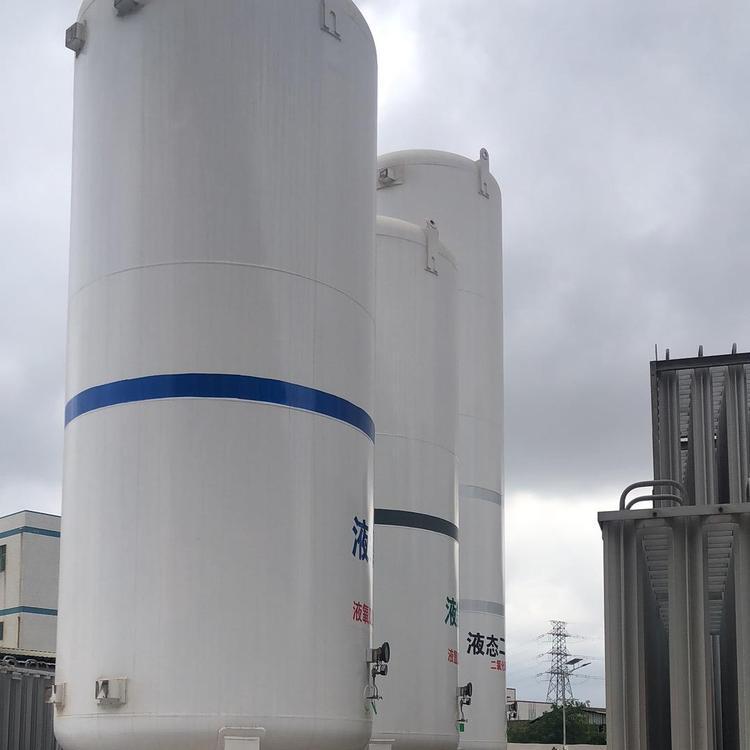
Maintaining and being aware of the precautions for liquid nitrogen tanks is crucial; here are some key points:
Maintenance:
Regular Inspections: Conduct regular inspections of the liquid nitrogen tank's exterior, valves, pipes, and other components to ensure they are in perfect condition. Pay special attention to check for any leaks, corrosion, or other forms of damage.
Clean Storage Tanks: Regularly clean liquid nitrogen storage tanks to remove internal dirt and sediments. Use appropriate cleaning agents and tools, following the cleaning procedures and safety operational guidelines.
Nitrogen Liquid Refill: Refill nitrogen liquid regularly as needed. Ensure that the storage tank maintains an adequate supply of liquid nitrogen to meet usage requirements.
Maintain Pressure: Regularly check the liquid nitrogen tank's pressure to ensure it stays within the safe range. Perform pressure tests and adjustments as necessary.
Corrosion Protection: Depending on the material of the tank and its operating environment, appropriate corrosion prevention measures are taken to extend the service life of the tank. For instance, applying corrosion-resistant coatings, conducting regular corrosion prevention treatments, etc.
Cautionary Notes:
Safe Operation: Strict adherence to safety operating procedures and standards is mandatory when using liquid nitrogen tanks. Operators must be trained, familiar with the properties and safety requirements of liquid nitrogen, and knowledgeable about the tank equipment and operational processes.
Protective Measures: When using liquid nitrogen tanks, it is mandatory to take necessary protective measures, such as wearing protective gloves and suits. Avoid direct contact with liquid nitrogen to prevent frostbite.
Leak Control: Regularly inspect the liquid nitrogen storage tank for leaks and equip with leak detectors and alarm systems. In the event of a leak, immediate measures should be taken to contain it and carry out repairs.
Ventilation Requirements: In enclosed spaces where liquid nitrogen tanks are used, adequate ventilation must be ensured.
Our company attaches great importance to technological innovation and R&D design. We have one municipal-level enterprise technology center in Heze City, equipped with testing facilities for non-destructive testing, physical and chemical testing, welding testing, hydrostatic testing, etc. We have over 600 various instruments and equipment, including CNC machine tools, X-ray flaw detectors, digital ultrasonic flaw detectors, mechanical property testing machines, chemical analyzers, spectrometers, tensile testing machines, plasma welding machines, and more. The key products we have developed, such as temperature and pressure vessel welding, biomass boiler emissions reduction, and waste heat utilization, have successively been included in multiple Shandong Provincial Department of Industry and Information Technology science and technology innovation projects, Shandong key projects, and Heze City innovation and excellence projects. We have accumulated 27 authorized utility models, 16 authorized inventions, participated in drafting 2 standards, 2 industry standards, and registered 15 trademarks. The technical team of our company, in collaboration with Professor Yajiang Li from Shandong University, has developed deep cryogenic container processing technology using the international plasma arc + wire filling argon arc welding (PAW-GTAW) technology. The provincial-level scientific and technological achievement evaluation has determined that the technology level has reached an international standard in the field of deep cryogenic container manufacturing. Choose Zhongjie Special Equipment, let's create brilliance together!
WeChat Official Account

Scan to follow Official Account




















