


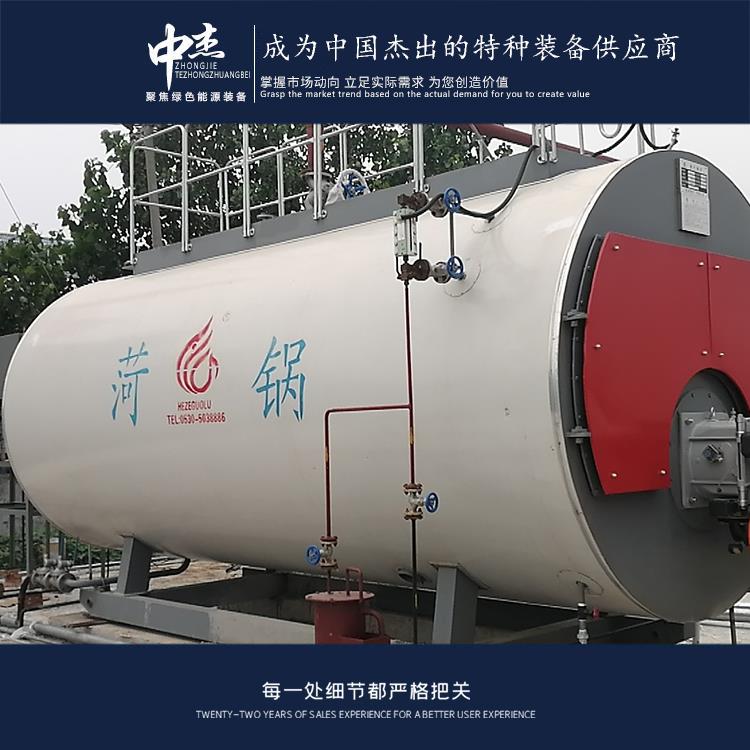

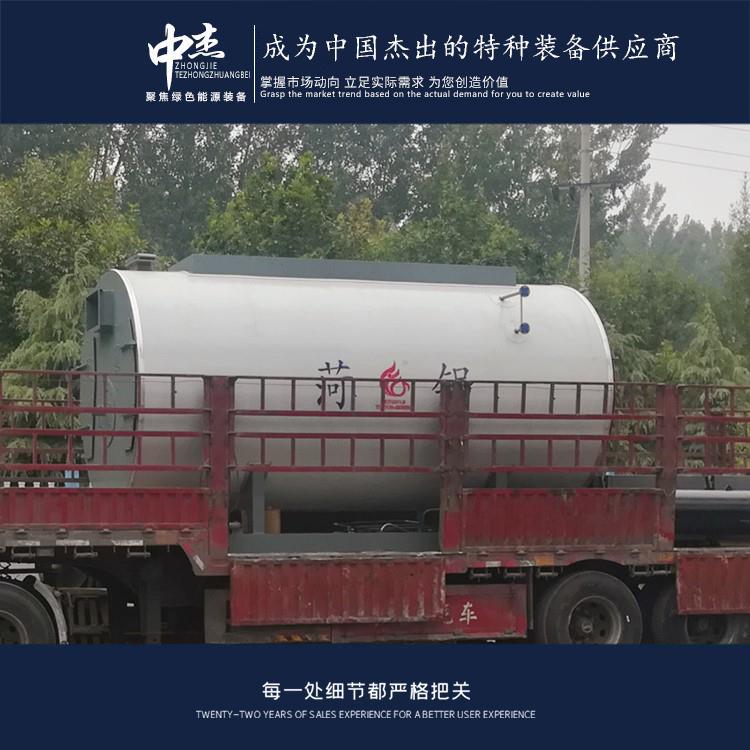
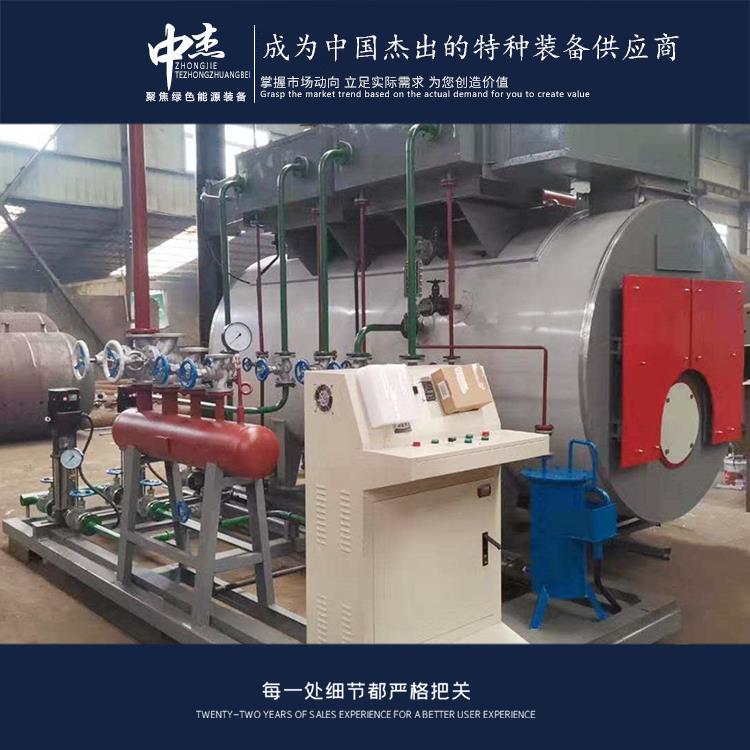



















Shandong Zhongjie Special Equipment's main products include: fuel (gas) boilers, organic heat carrier boilers, biomass boilers, waste heat boilers, and other boiler products; vacuum insulation cryogenic pressure vessels such as LNG tanks, oxygen/nitrogen/argon tanks, and CO2 tanks; pressure vessel products such as denitrification engineering equipment, heat storage and energy storage equipment, and complete chemical equipment; central air conditioning and HVAC equipment such as ground (water) source heat pumps, air source units, water-cooled screw units, and air-cooled modular units. Planned products include large-scale energy centers, LNG transport vehicles, LNG tank containers, and other green energy equipment.
The key to maintaining a hot water boiler is to perform regular maintenance and inspections. Here are some common maintenance steps and precautions:
Clean the burner and flue: Regularly clean the burner and flue to remove soot and dirt, maintaining combustion and heat exchange efficiency. Use cleaning tools and equipment as per the operation manual.
Check water level and pressure: Regularly inspect the water level and pressure of the hot water boiler to ensure safe operation within the specified range. Refill water and adjust pressure to avoid issues caused by either low or high water levels.
Inspect water quality: Conduct regular water quality tests to check parameters such as hardness, alkalinity, and oxygen content. Take appropriate water treatment measures based on test results, such as descaling and replenishing missing chemicals, to prevent scale and corrosion from damaging the boiler.
Check safety devices: Regularly inspect the safety devices of the hot water boiler, including safety valves, pressure switches, and water level controllers, to ensure proper functioning and guarantee safe boiler operation.
Inspect the electrical system: Regularly check the boiler's electrical system, including power connections, controllers, and sensors, to ensure the proper operation of electrical equipment and avoid electrical faults.
Regularly drain: Regularly drain the waste water and impurities from the boiler to avoid their impact on the boiler. Develop a reasonable drainage plan based on the boiler's usage and water quality conditions.
Keep records and monitor: Record the boiler's operating parameters, maintenance logs, and fault conditions, and regularly monitor and analyze them to promptly identify and address issues.
Train operators: Ensure that operators are adequately trained.
For the maintenance of industrial gas-fired boilers, here are some common methods and precautions: Clean the burner: Regularly clean the interior and nozzle of the burner to ensure normal combustion of the gas, avoid carbon accumulation and blockage. Inspect the gas supply system: Regularly check the gas supply system, including gas pipes, valves, and pressure regulators, to ensure normal gas supply without leaks or blockages. Clean the flue and heat exchanger: Regularly clean the flue and heat exchanger to remove dust and dirt, maintain heat exchange efficiency, and avoid overheating and energy loss. Check water level and pressure: Regularly inspect the boiler's water level and pressure to ensure safe operation within the specified range. Refill water and adjust pressure to avoid issues caused by low or high water levels. Inspect safety devices: Regularly check the boiler's safety devices, including safety valves, pressure switches, and water level controllers, to ensure proper functioning and safe operation. Check the control system: Regularly inspect the boiler's control system, including automatic controllers, sensors, and instruments, to ensure accuracy and reliability, and to promptly detect and repair faults. Regular maintenance: Conduct regular maintenance, including lubricating parts, replacing worn components, and checking electrical connections, to extend the boiler's lifespan and stability. Keep records: Record the boiler's operating parameters, maintenance records, and fault situations to help promptly identify issues and analyze operating conditions. Train operators: Ensure that operators have sufficient
The purpose of oxygen removal from feed water in industrial boilers is to reduce oxygen corrosion and bubble formation within the boiler, ensuring the safety and proper operation of the boiler and pipeline system. The main methods of oxygen removal include:
1. Mechanical Oxygen Removal: Removing oxygen from water through physical means. Common mechanical oxygen removal equipment includes deaerators and degassers. Deaerators eliminate oxygen by atomizing water into a film, taking advantage of the difference in gas solubility. Degassers, on the other hand, remove oxygen by atomizing water into fine droplets, also utilizing the difference in gas solubility.
2. Thermal Oxygen Removal: Removing oxygen from water by heating the water body, taking advantage of the property that oxygen solubility decreases with temperature. Common thermal oxygen removal equipment includes deaerator pots and deaerators. Deaerator pots release oxygen from water by heating it to saturation temperature. Deaerators heat water to lower its oxygen solubility, thereby removing oxygen.
3. Chemical Oxygen Removal: Removing oxygen from water by adding chemicals that react with it, thus eliminating oxygen. Common chemical oxygen removal agents include salts and reductants. Chemical oxygen removal is often used in high-pressure boiler systems and can effectively remove oxygen from water.
The choice and method of oxygen removal depend on the specific boiler system and water quality. In practical applications, a combination of various oxygen removal methods is often used to achieve the desired effect. The selection and operation of oxygen removal equipment should be assessed and adjusted based on the actual situation to ensure the safety and proper operation of the boiler system.
Chemical cleaning of industrial boilers is a common method that effectively removes dirt and deposits inside the boiler, enhancing heat exchange efficiency and extending the boiler's lifespan. The following are general steps and methods for industrial boiler chemical cleaning:
Preparation: Turn off the boiler's power and gas supply, drain the water and steam inside the boiler, and ensure the boiler is in a safe condition. Prepare the required chemical cleaning agents and equipment.
Cleaning Agent Selection: Choose a suitable chemical cleaning agent based on the boiler's material and the nature of the dirt. Common cleaning agents include acidic cleaners, alkaline cleaners, and chelating agents.
Cleaning Agent Circulation: Dissolve the cleaning agent in an appropriate amount of water and circulate it into the boiler through a pump. Determine the circulation time and temperature of the cleaning agent based on the size of the boiler and the extent of the dirt.
Cleaning Agent Action: During circulation, the cleaning agent reacts chemically with the dirt inside the boiler, dissolving and decomposing it. Acidic cleaners can remove rust and scale, while alkaline cleaners can remove grease and organic matter.
Rinsing and Neutralizing: After the cleaning agent circulation is complete, rinse the boiler with clean water to flush out the cleaning agent and dissolved dirt. Simultaneously, use a neutralizing agent to neutralize any remaining acidic or alkaline substances, ensuring the boiler's neutrality.
Inspection and Maintenance: After cleaning, inspect the boiler to ensure the cleaning effect and normal operation. Perform necessary maintenance and repair work as needed.
Points to note when conducting industrial boiler chemical cleaning:
- Strictly follow the usage instructions and safety operating procedures for chemical cleaning agents to ensure the safety of operators.
- Choose the appropriate cleaning agent and method based on the boiler's material and the properties of the cleaning agent.
- Control the concentration, temperature, and circulation time of the cleaning agent to avoid unnecessary damage to the boiler.
- Monitor the concentration and pH value of the cleaning agent in a timely manner during the cleaning process, adjusting the cleaning conditions as needed.
- After cleaning, rinse the boiler to ensure that all cleaning agents and dirt are completely removed.
- After cleaning, perform maintenance and repair work on the boiler promptly to ensure normal operation and long-term use.
Shandong Zhongjie Special Equipment, welcome clients to our factory for business discussions.
WeChat Official Account

Scan to follow Official Account




















