


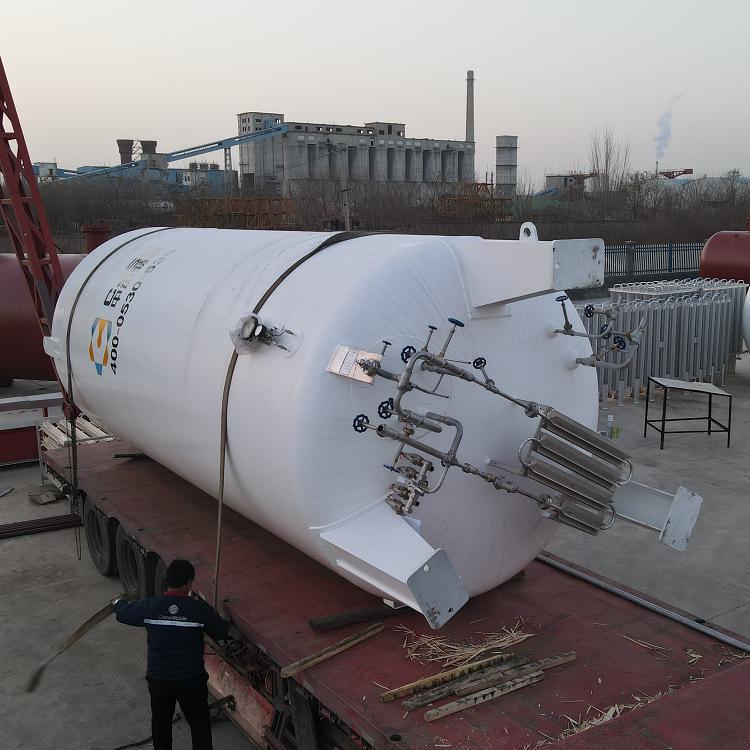

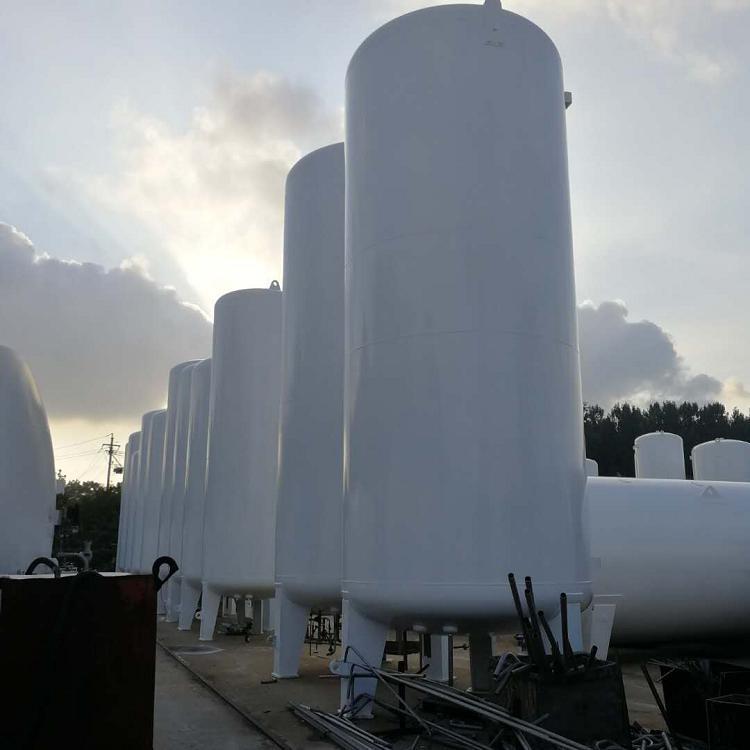
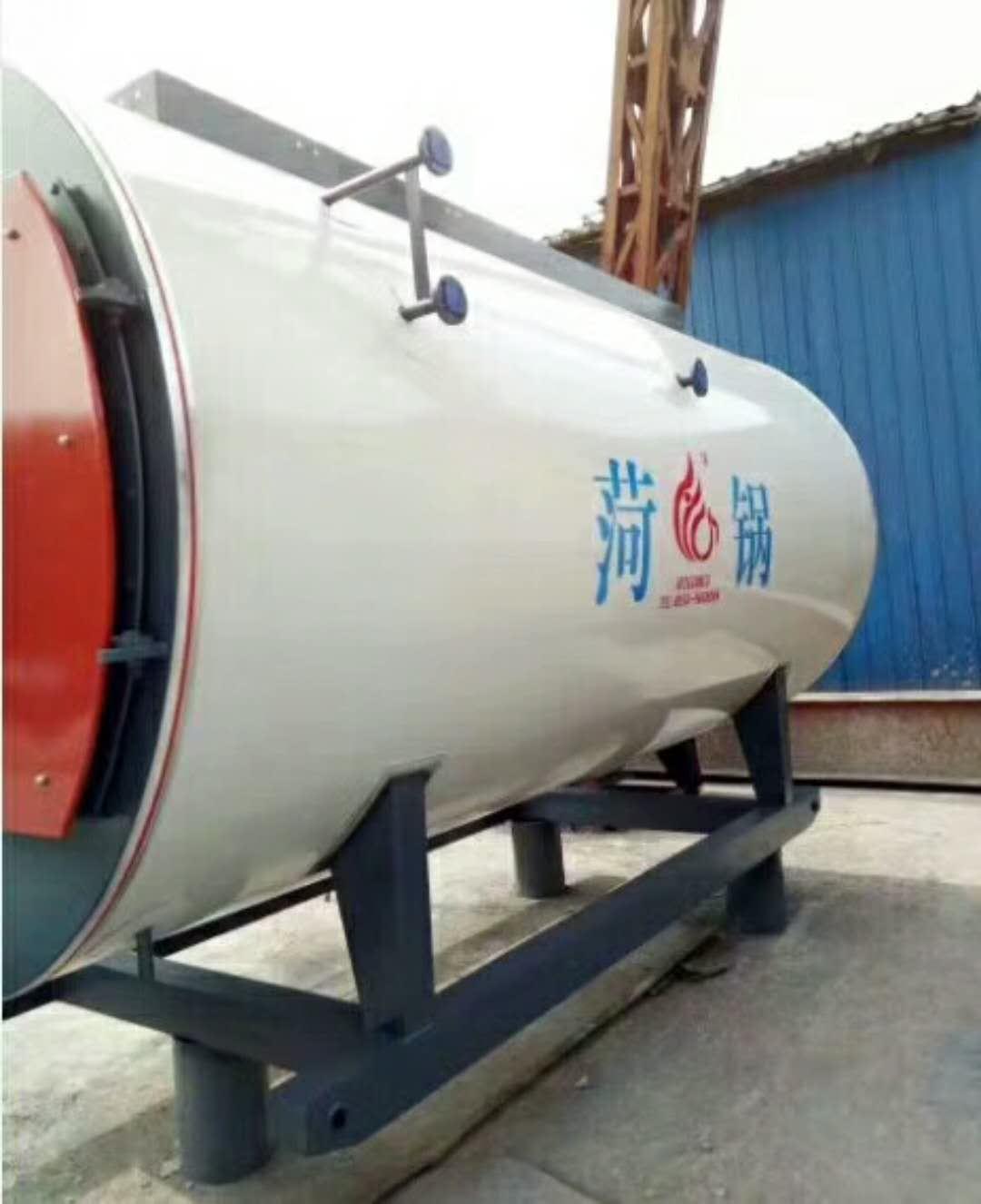



















Shandong Zhongjie Special Equipment (formerly Heze Boiler Factory Co., Ltd.) holds an A-grade boiler manufacturing license, A2-grade pressure vessel manufacturing license, A2-grade pressure vessel design license, B-grade boiler installation, and GB2/Class, GC2/Class pressure pipeline installation licenses, as well as an equipment and machinery installation contracting qualification. It is a member of the China Boiler and Water Treatment Association, the China Chemical Equipment Association, and the council member of the Shandong Equipment Manufacturing Association. The company has also passed the ISO9001 Quality Management System, ISO14001 Environmental Management System, OHSAS18001 Occupational Health and Safety Management System certifications, and the American ASME/U2 certification.
Carbon dioxide tanks and liquid oxygen tanks are containers used for storing different gases; they have some differences in their physical properties:
Physical State: Carbon dioxide is a gas at room temperature and pressure, and it needs to be at low temperatures and high pressures to become a liquid. Liquid oxygen is a liquid at room temperature, and it needs to be at low temperatures to solidify.
Boiling and freezing points: The boiling point of carbon dioxide is -78.5 degrees Celsius, and its freezing point is -56.6 degrees Celsius. The boiling point of liquid oxygen is -183 degrees Celsius, and its freezing point is -218.8 degrees Celsius. The boiling and freezing points of liquid oxygen are significantly lower than those of carbon dioxide.
Density: The density of liquid oxygen is high, approximately 1.14 grams per cubic centimeter. The density of carbon dioxide is lower, around 0.00198 grams per cubic centimeter. The density of liquid oxygen is about 570 times that of carbon dioxide.
Pressure: Liquid oxygen has a higher pressure, typically ranging from tens to hundreds of MPa (Megapascals). Carbon dioxide has a lower pressure, usually in the range of a few MPa.
Safety: Liquid oxygen contains a high concentration of oxygen, which is easily flammable and explosive. Carbon dioxide also poses asphyxiation and asphyxiating risks at certain concentrations.
It's important to note that carbon dioxide and liquid oxygen are highly flammable and explosive substances. Strict adherence to relevant safety operating procedures and standards is required during storage and use, along with necessary safety measures to ensure the tank's safety and stability.
Routine inspection of liquid nitrogen storage tanks refers to regular checks and maintenance to ensure safe operation and efficient use. Here is a common introduction to the inspection of liquid nitrogen storage tanks:
Visual Inspection: Regularly inspect the appearance of the storage tank, including the tank body, insulation layer, valves, and pipelines, etc. Pay attention to any cracks, corrosion, wear, or other damage. Also, check that the insulation layer is intact with no damage or detachment.
Level Check: Regularly inspect the liquid nitrogen tank's level to ensure it remains within the normal range. This can be done using a level gauge or a level scale, among other equipment.
Pressure Check: Inspect the tank's pressure to ensure it is within a safe range. Pressure gauges or pressure sensors can be used for the check.
Leakage Inspection: Check for signs of liquid nitrogen leakage around the tank, such as vapor mist, frosting, or freezing. If leakage is detected, take immediate measures to repair it.
Valve and Pipe Inspection: Verify that the valves and pipes of the storage tank are functioning properly, with no gas leakage or blockages. Ensure the tightness and unobstructed flow of valves and pipes.
Safety Device Inspection: Examine the safety devices of the storage tank, such as pressure relief valves, temperature sensors, and level alarms, to ensure they are functioning properly.
Maintenance Records: Promptly document the inspection results and maintenance records of the storage tank, including liquid levels, pressure, insulation status, leakage conditions, etc. These records aid in monitoring the tank's operational status and identifying issues promptly.
It's important to note that the inspection of liquid nitrogen tanks should adhere to relevant safety regulations and operational guidelines. Liquid nitrogen is highly flammable at low temperatures, so operators must wear proper personal protective equipment and ensure the operation environment is free of ignition sources. Regular inspections help identify issues promptly and take corrective actions, ensuring the safe and efficient operation of the tank.
Liquid oxygen storage tanks may deform during use. The following are common deformation defects found in liquid oxygen storage tanks:
Elastic Deformation: Liquid oxygen tanks may undergo elastic deformation when subjected to external pressure or temperature changes. This deformation is typically reversible, meaning the tank will return to its original shape once the external pressure is removed or the temperature returns to normal.
Plastic Deformation: When a liquid oxygen tank is subjected to significant external force or pressure, it may experience plastic deformation. This type of deformation is irreversible, and the tank cannot return to its original shape. Plastic deformation can cause the tank to change shape, develop dents, or twist.
Hot Deformation: Liquid oxygen storage tanks may experience hot deformation when subjected to high temperatures or temperature changes. Hot deformation can cause the tank to change shape, expand, or contract.
Cold deformation: Liquid oxygen storage tanks may experience cold deformation when subjected to low temperatures or temperature changes. Cold deformation can cause changes in the tank's shape, shrinkage, or cracking.
These deformation defects may affect the structural integrity and safety of liquid oxygen storage tanks. Therefore, regular inspections and assessments of the deformation of liquid oxygen storage tanks are crucial to ensure their normal operation and safe use. If deformation defects in the tanks are detected, timely repair or replacement measures should be taken to avoid further damage and safety risks.
Liquid nitrogen tanks are widely used in various industries, primarily in the following aspects:
Industry: Liquid nitrogen tanks are used in the field for storing and supplying liquid nitrogen, employed for low-temperature freezing preservation of biological samples, cells, tissues, and vaccines. They are widely used in biopharmaceutical research institutions and biobanks, among other establishments.
Experimental Research: Liquid nitrogen tanks are used in scientific research and laboratories to provide low-temperature environments for cryopreservation and frozen experiments. They play a crucial role in experimental research across various fields, including physics, chemistry, biology, and materials science.
Metalworking Industry: Liquid nitrogen cylinders are used in the metalworking and welding industries for low-temperature cooling, for processes such as metal cutting, welding, and heat treatment. The cylinders provide low temperatures, enabling metals to achieve the required hardness and toughness during processing.
Food Industry: Liquid nitrogen tanks are used in the food industry for freezing and refrigerating food items such as frozen meats, frozen fruits, and frozen seafood. The low temperature of liquid nitrogen can quickly freeze food, preserving its freshness and quality.
Semiconductor Industry: Liquid nitrogen tanks are used in semiconductor manufacturing and the electronics industry to provide low-temperature environments, for the freezing and preparation of semiconductor materials. The low temperature of liquid nitrogen can enhance the purity and performance of semiconductor materials.
The configuration of liquid nitrogen tanks typically includes the following aspects:
Vessel Structure: Liquid nitrogen tanks commonly feature double or multi-layer construction, filled with insulating material in between to minimize heat transfer and evaporation of the liquid nitrogen. The tank material is typically made of stainless steel or aluminum alloy, offering excellent corrosion and low-temperature resistance.
Insulation Layer: The insulation layer of liquid nitrogen tanks typically consists of multi-layer insulation materials, such as polyethylene foam, glass fiber, and vacuum layers, to minimize heat transfer and evaporation of liquid nitrogen.
Temperature Control System: Liquid nitrogen tanks are typically equipped with a temperature control system, used to regulate the tank's temperature to maintain the liquid state.
Chongjie Special Equipment upholds the great vision of "realizing employees' dreams, creating value for customers, and striving for the prosperity and strength of our motherland," wholeheartedly dedicated to the development of green energy equipment. We commit to society with high-value products and services!
WeChat Official Account

Scan to follow Official Account




















