


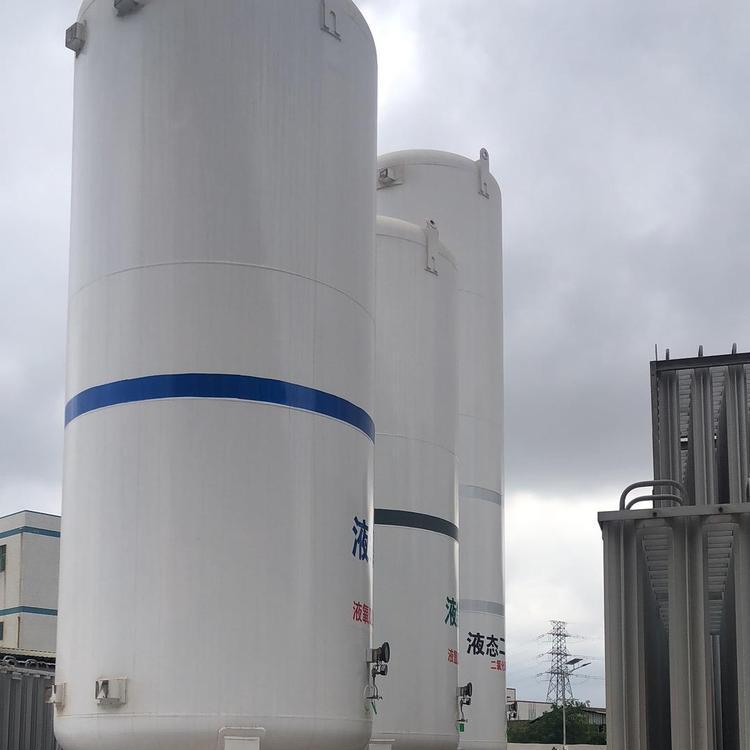

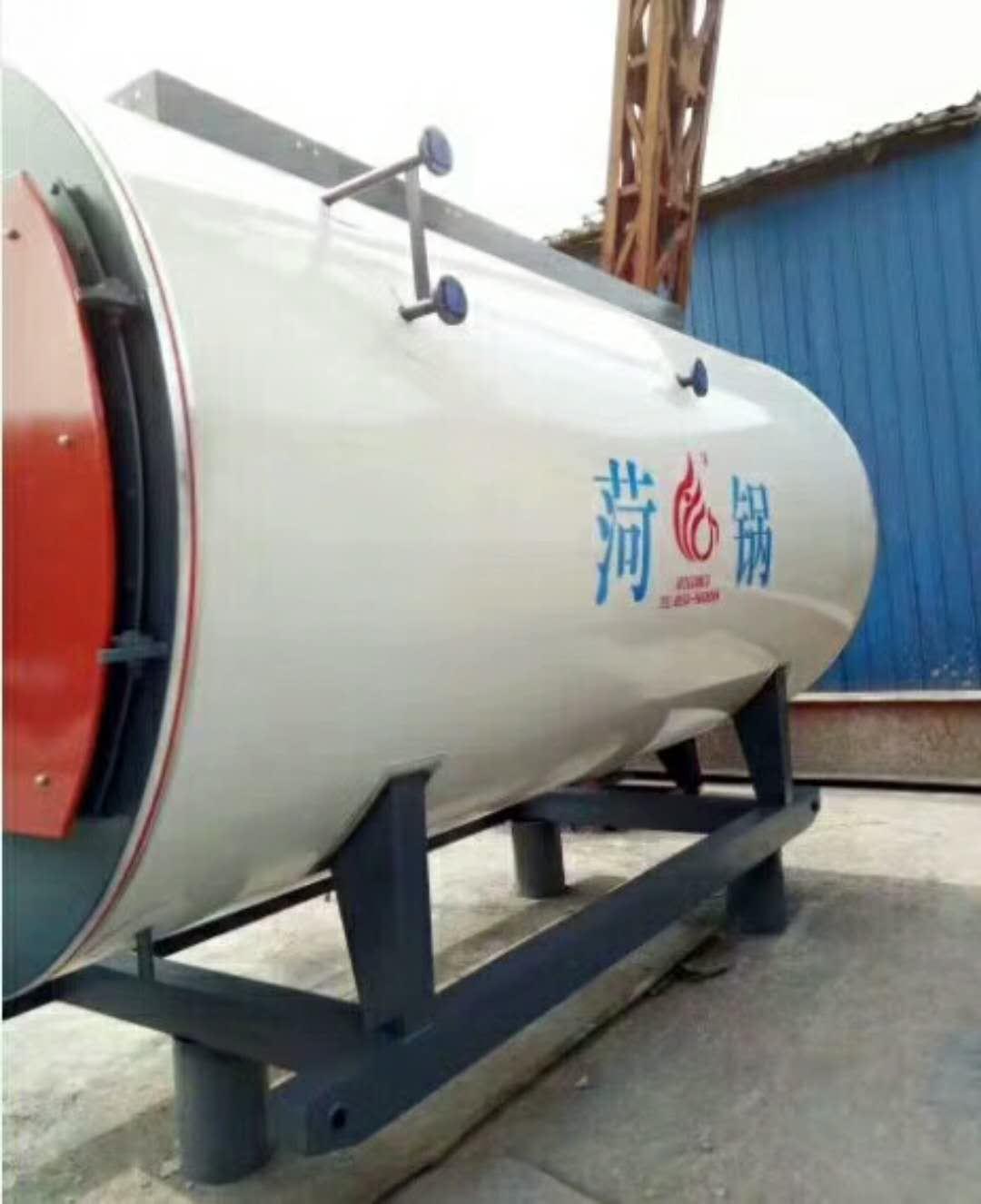



















Shandong Zhongjie Special Equipment's main products include: fuel (gas) boilers, organic heat carrier boilers, biomass boilers, waste heat recovery boilers, and other boiler products; vacuum insulated cryogenic pressure vessels such as LNG storage tanks, oxygen-nitrogen argon storage tanks, CO2 storage tanks; pressure vessel products such as denitrification engineering equipment, heat storage and energy storage equipment, and complete chemical equipment sets; central air conditioning and HVAC equipment such as ground (water) source heat pumps, air source units, water-cooled screw units, and air-cooled modular units. Planned products include large-scale energy centers, LNG transport vehicles, LNG tank containers, and other green energy equipment.
When using a 50-cubic-liter liquid oxygen tank, the following safety concerns should be noted:
- Fire and Explosion Prevention: Liquid oxygen is highly oxidizing and can support combustion. Therefore, avoid contact and ensure there are no open flames or other ignition sources nearby.
- Ventilation: The evaporation of liquid oxygen produces a large amount of oxygen, so good ventilation around the tank is necessary to prevent oxygen buildup and the risk of explosion.
- Avoid High Temperatures: Liquid oxygen may cause combustion or explosion when in contact with high-temperature objects. Thus, avoid exposing the liquid oxygen tank to high-temperature environments or contact with hot objects.
- Prevent Overpressure: Use the liquid oxygen tank according to its designed pressure and flow rate, avoiding exceeding its capacity. Regularly inspect and maintain the safety valve to ensure proper operation and prevent overpressure.
- Prevent Corrosion: Regularly inspect and maintain the liquid oxygen tank to prevent corrosion issues. Especially, keep the tank surface and contact areas dry and clean to avoid corrosion.
- Safe Operation: Operators should receive relevant training to understand the safe operation procedures and standards for liquid oxygen tanks. Follow correct procedures, wear personal protective equipment, and ensure safe operation.
- Emergency Preparedness: Establish an emergency plan and equip with appropriate fire extinguishing and first aid equipment when using the liquid oxygen tank. Operators should be familiar with emergency procedures and able to respond quickly to emergencies.
Please note that the above safety concerns are general recommendations. Specific safe operation should be based on the design and usage requirements of the liquid oxygen tank. Before using the liquid oxygen tank, it is recommended to refer to the relevant safety operation manuals and guidelines to ensure safe operation.
Carbon dioxide tanks are widely used in numerous industries. Here are some common applications:
Food and Beverage Industry: Carbon dioxide tanks are used in the production process of carbonated drinks, beer, soda, etc. Carbon dioxide is infused into the beverages to enhance their fizz and taste. Healthcare Industry: Carbon dioxide tanks are employed in applications such as anesthesia, respiratory care, and emergency medical services. Liquid carbon dioxide can be used to create refrigerants for freezing and preserving biological samples and tissues. Fire Suppression: Carbon dioxide tanks are utilized in fire suppression systems. Carbon dioxide is released into the fire scene to extinguish flames by suppressing oxygen supply. Gas Supply: Carbon dioxide tanks are also used to supply CO2 gas for industrial and commercial purposes. These gases find applications in welding, gas shielding, semiconductor manufacturing, water treatment, and more. Climate Control: Carbon dioxide tanks are used in greenhouses and indoor horticulture to control and increase the CO2 concentration for plant growth. Additionally, carbon dioxide tanks can be used in other industries, such as the automotive industry (for airbag systems) and other industries (for propellants and gas supply). It is important to note that different industries may have varying requirements and applications for carbon dioxide tanks. When using carbon dioxide tanks, it is crucial to adhere to relevant regulations and standards, ensuring that the design, manufacturing, and use of the tanks meet the necessary requirements.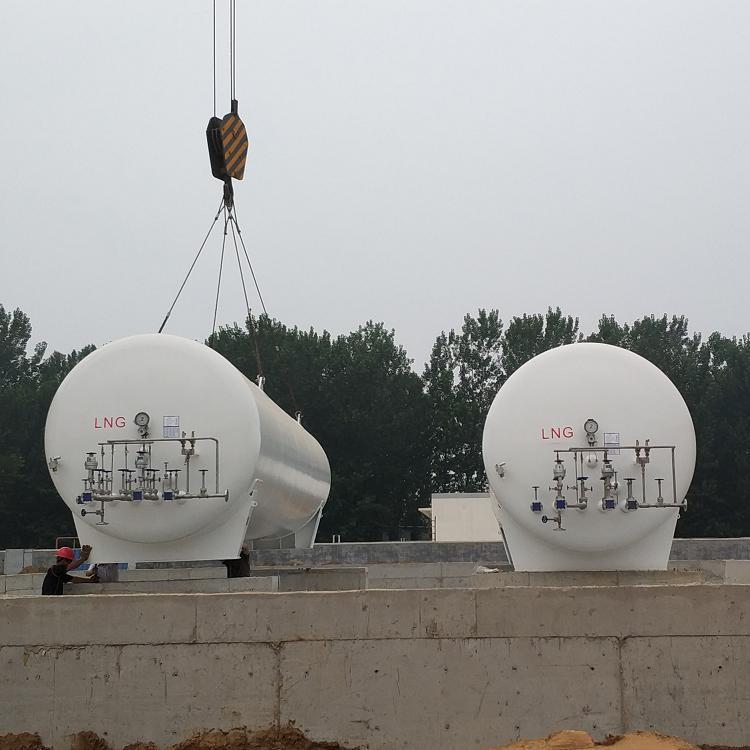
When planning carbon dioxide storage tanks, the following requirements should be considered:
- Safety Distance: Tanks should maintain adequate distance from surrounding buildings, equipment, and personnel to prevent injuries and losses in case of accidental incidents. Specific safety distance requirements may be stipulated by local regulations and standards.
- Tank Capacity: Determine the tank's capacity based on actual needs and usage. The capacity selection should consider factors such as the amount of CO2 used, storage duration, and supply requirements.
- Tank Layout: The layout should facilitate operation and maintenance while also addressing safety and environmental protection requirements. There should be sufficient spacing between tanks for ease of operation and maintenance.
- Tank Material: Choose appropriate materials for tank construction to ensure corrosion and pressure resistance. Common materials include carbon steel and stainless steel.
- Safety Equipment: Tanks should be equipped with necessary safety equipment, such as safety valves, pressure sensors, and temperature sensors, to ensure safe operation.
- Leak Prevention: Measures should be taken to prevent CO2 leaks, such as sealed valves and leak detection systems. Corresponding leak handling procedures and emergency response plans should also be in place.
- Environmental Impact Assessment: An environmental impact assessment should be conducted when planning tanks to evaluate their impact on the surrounding environment and to implement protective measures for environmental conservation.
- Regulations and Standards: Adhere to local regulations and standards, including building codes, safety specifications, and environmental protection requirements, when planning tanks.
It is important to note that planning carbon dioxide storage tanks should be carried out by engineers or relevant agencies to ensure compliance with safety and environmental protection requirements. Consulting with local authorities for advice and guidance is also necessary.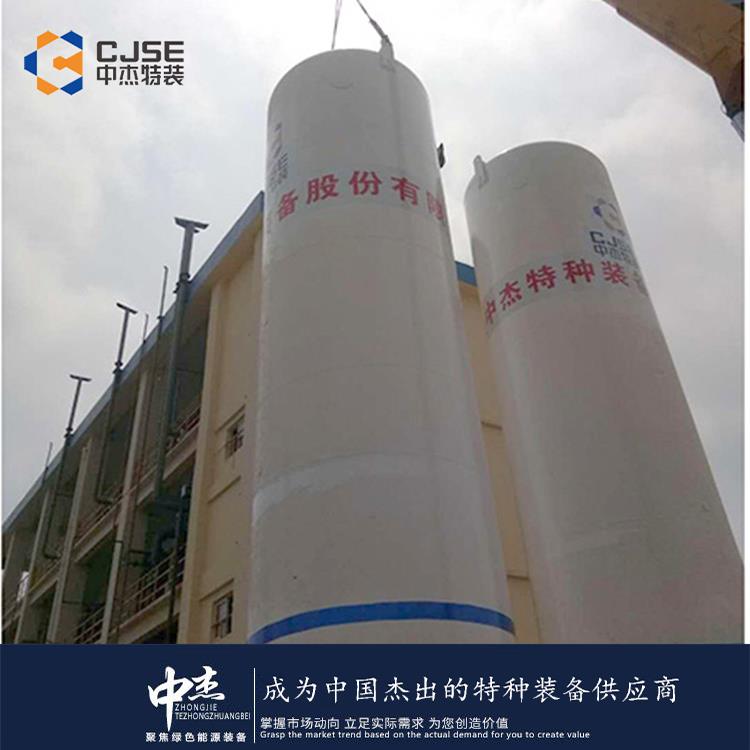
Standard parameters for carbon dioxide storage tanks can vary depending on design and application requirements. Here are some common standard parameters:
- Tank Capacity: The capacity of carbon dioxide storage tanks is typically expressed in kiloliters (L) or cubic meters (m). Common capacity ranges vary from a few thousand to tens of thousands of liters.
- Working Pressure: The working pressure of carbon dioxide storage tanks is usually around 20 to 25 MPa (megapascals) at room temperature, with specific pressure determined by application needs and design standards.
- Design Temperature: The design temperature for carbon dioxide storage tanks is usually within the low-temperature range, generally between -40°C and -60°C, to accommodate the liquefaction and storage requirements of carbon dioxide.
- Material: Carbon dioxide storage tanks are commonly made of high-strength steel or alloy materials to withstand stresses and loads under high pressure and low-temperature conditions.
- Insulation: The interior of the tank is equipped with insulation to reduce heat transfer and liquid evaporation. Insulation is typically a multi-layered structure, including thermal insulation material and an external protective layer.
- Safety Valve and Pressure Relief Devices: Tanks are fitted with safety valves and pressure relief devices to control internal tank pressure and prevent overpressure and explosions.
- Level Monitoring and Control: Tanks are equipped with level monitoring devices to monitor the liquid level within the tank. Timely monitoring and control of the level ensure the liquid stored in the tank remains within a safe range.
Note that specific standard parameters for carbon dioxide storage tanks may vary due to different design standards, application requirements, and manufacturers. When selecting and using carbon dioxide storage tanks, it is important to consider these factors.
Shandong Zhongjie Special Equipment, welcome customers to visit our factory for business talks.
WeChat Official Account

Scan to follow Official Account




















