


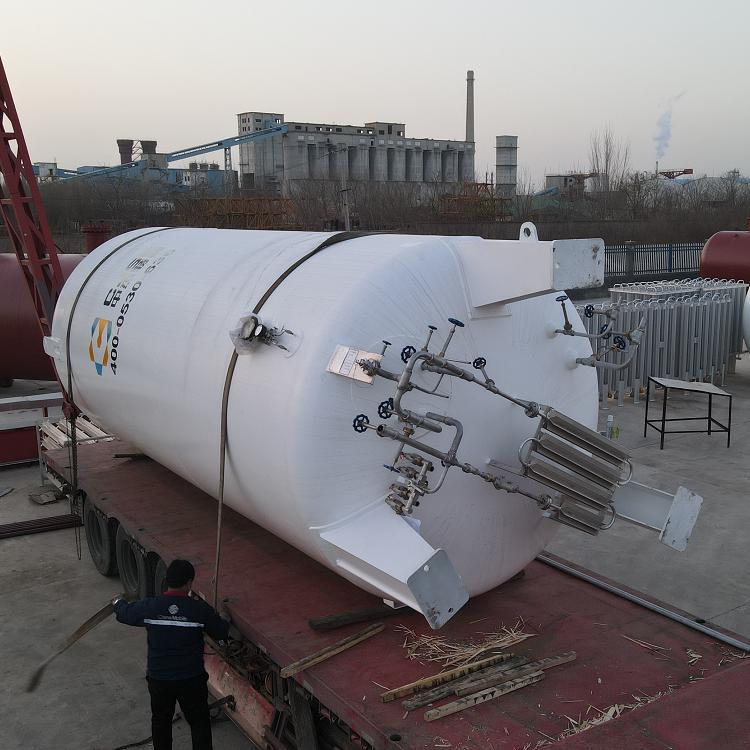

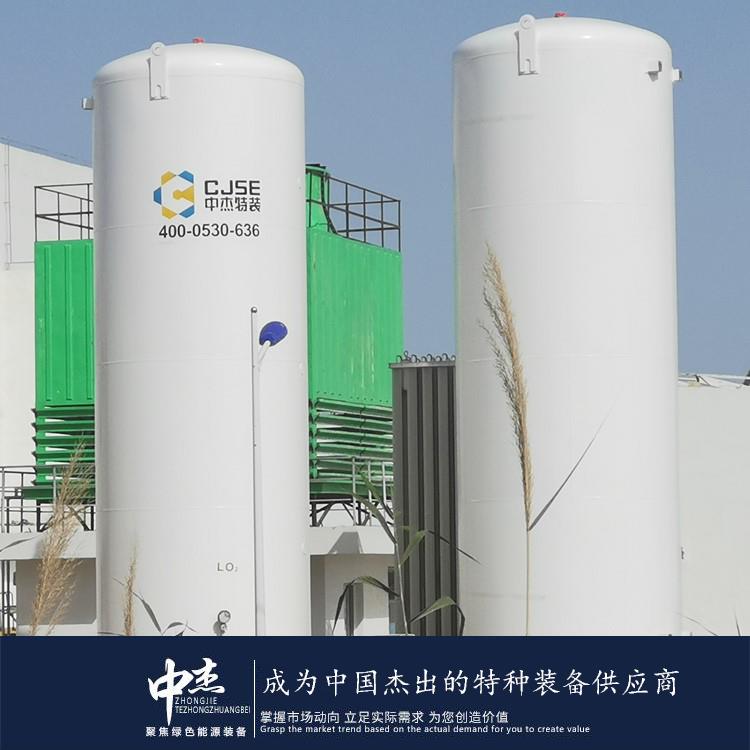
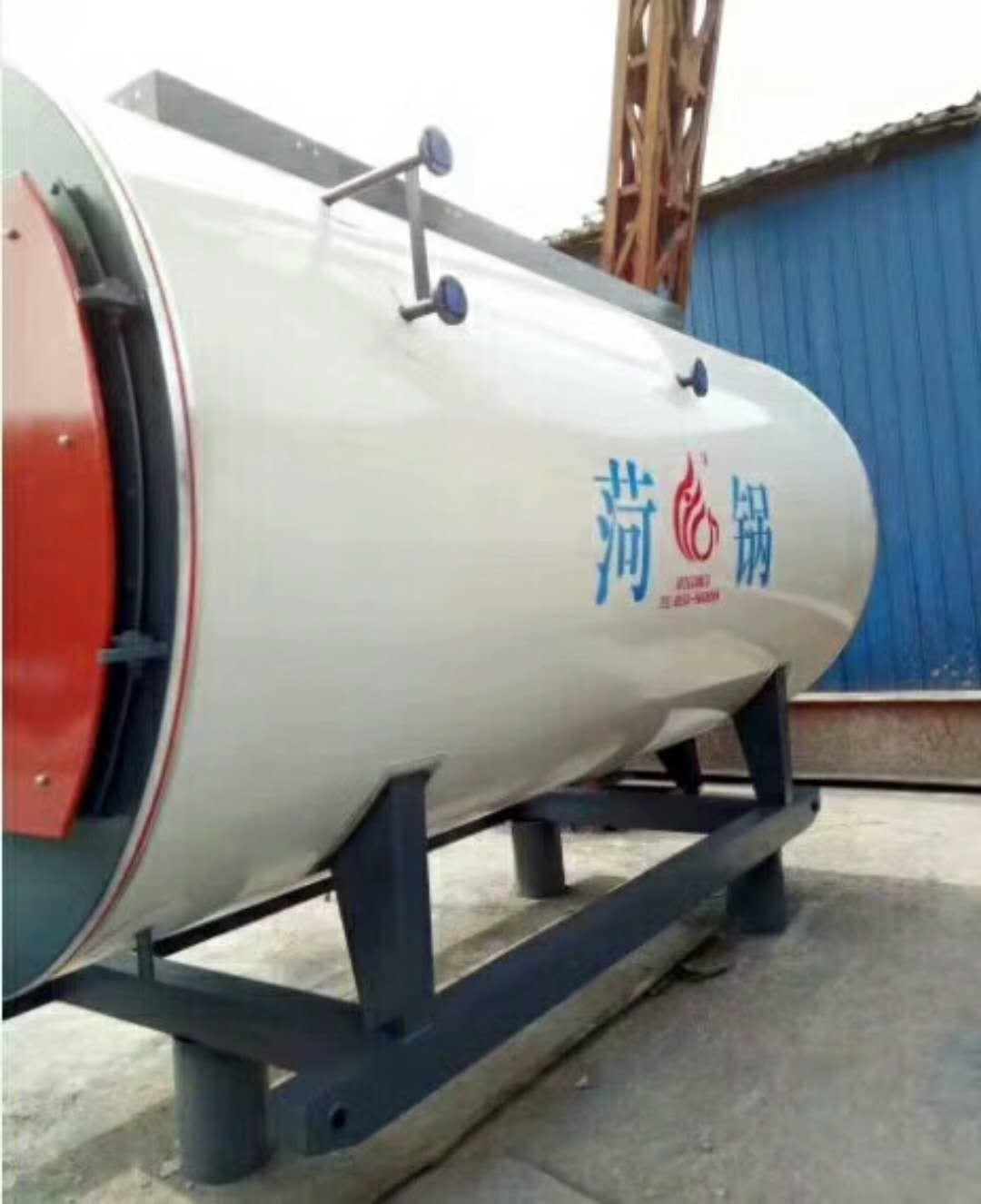



















Shandong Zhongjie Special Equipment (formerly Heze Boiler Factory Co., Ltd.) was established in 2001, located at No. 2218 Jinnan Road, Development Zone, Heze City, with a registered capital of 50 million yuan and total assets of 500 million yuan. The company has 7 business centers: boilers, deep-freeze containers, pressure vessels, central air conditioning, engineering installation, international trade, and the Internet of Things. It has three factory areas on Jinnan Road, East Yangtze Road, and Bohai Road, covering a total of 200,000 square meters, with the main workshop area being 83,000 square meters. It currently employs 710 people, including 247 engineering technicians and 82 intermediate-level technicians. In December 2016, it was recognized as a "High-Tech Enterprise" by the Science and Technology Department. In June 2021, it was identified as a "Specialized and New Enterprise in Shandong Province" by the Department of Industry and Information Technology. In June 2022, it was recognized as a "Gazelle Enterprise in Shandong Province" by the Department of Industry and Information Technology. In August 2022, it was identified as a "Specialized and New Small Giant Enterprise" by the Ministry of Industry and Information Technology.
Carbon dioxide storage tanks possess the following characteristics:
- High-pressure vessels: Carbon dioxide storage tanks are typically designed as high-pressure vessels, capable of withstanding high pressure. This is because carbon dioxide requires high pressure at room temperature to maintain a liquid state.
- High oxidizing: Carbon dioxide has a high oxidizing potential, supporting combustion. Thus, when handling and storing carbon dioxide, precautions must be taken to prevent contact to avoid the risk of fire and explosion.
- Low-temperature storage: Carbon dioxide is gaseous at room temperature but can be compressed into a liquid at lower temperatures. Therefore, carbon dioxide storage tanks usually need to have good insulation to maintain the low-temperature liquid state of stored carbon dioxide.
- High density: Liquid carbon dioxide has a high density, allowing for the storage of large amounts of carbon dioxide in a relatively small volume. This makes carbon dioxide storage tanks useful in scenarios requiring substantial carbon dioxide supply.
- Safety valves and pressure control: To ensure the internal pressure of the tank remains within a safe range, carbon dioxide storage tanks are often equipped with safety valves and pressure control devices. These devices monitor and control the internal pressure to prevent excessive pressure from causing tank rupture.
- Corrosiveness: Carbon dioxide has some degree of corrosiveness, particularly in high humidity environments. Therefore, the materials and corrosion prevention measures for the tanks must consider the corrosiveness of carbon dioxide to ensure the tank's durability and safety.
These characteristics make carbon dioxide storage tanks widely applicable in many industries, such as the food and beverage industry, fire extinguishing, and gas industries. When using carbon dioxide storage tanks, it is necessary to follow relevant safety operation procedures and standards to ensure the safety of operations.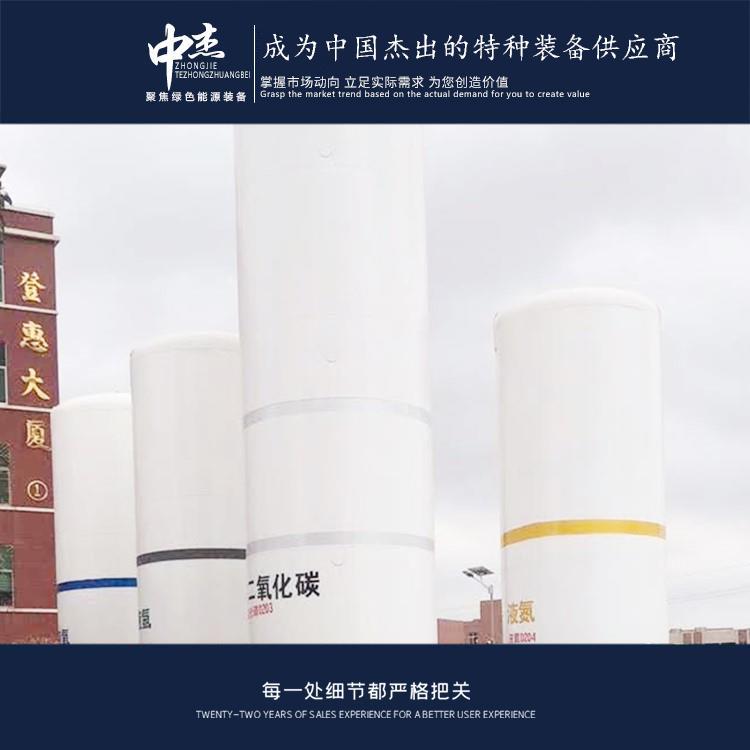
The working principle of carbon dioxide storage tanks involves the compression and liquefaction of carbon dioxide. Here is a brief description of the working principle of carbon dioxide storage tanks: Compression: Carbon dioxide gas is first compressed to a higher pressure by a compressor. This process compresses the gas into a high-pressure state, enabling it to transition into a liquid. Cooling: The compressed carbon dioxide gas enters a cooler, where it is rapidly cooled through a coolant or cooling system within the cooler. This process cools the gas below its boiling point, transforming it into a liquid. Storage: The cooled carbon dioxide liquid is stored in sealed tanks, which typically have insulating layers to reduce the evaporation of liquid carbon dioxide and maintain a low temperature. The pressure inside the tank is maintained within a certain range to ensure stable storage of the liquid carbon dioxide. Supply: When carbon dioxide is needed, it can be extracted from the tank through valves and piping systems. By controlling the opening and flow of valves, liquid carbon dioxide can be supplied to the required equipment or system. It should be noted that the working principle of carbon dioxide storage tanks may vary depending on specific design and manufacturing. When using carbon dioxide storage tanks, it is essential to follow the operation manual and safety guidelines, and to cooperate with local regulatory authorities and personnel to ensure the safety and reliability of the tank.
When using CO2 storage tanks, be mindful of the following aspects:
- Safe Operation: Adhere to relevant safety operation procedures and standards, ensuring operators possess the necessary safety knowledge and skills. When using the tank, be vigilant against risks such as leaks, explosions, and fires.
- Tank Pressure Control: Monitor and control the tank's pressure to ensure it remains within safe limits. Avoid exceeding the tank's rated pressure to prevent rupture or leakage.
- Level Monitoring: Regularly check the liquid level within the tank to ensure an adequate supply of CO2. Avoid overfilling or underfilling to maintain an appropriate level.
- Static Electricity Measures: Implement anti-static measures to prevent static buildup and discharge. Use anti-static equipment and tools to ensure static safety during operations.
- Tank Maintenance: Regularly inspect and maintain the tank, including its appearance, valves, and connections. Ensure the tank remains intact to prevent leaks and damage.
- Emissions Treatment: Handle the emissions produced by CO2 storage tanks to avoid environmental pollution. Adopt appropriate emissions treatment measures, such as collecting and treating emissions.
- Storage Records: Document the tank's usage, including filling dates, quantities, and inspection records. Regularly conduct tank inspections and maintenance, and retain relevant records.
- Training and Awareness: Train operators to enhance their awareness and ability to safely operate CO2 storage tanks. Conduct regular safety training and drills to prepare for emergencies.
- Note: The above are common precautions; specific considerations may vary depending on tank type and application. When using CO2 storage tanks, operate according to relevant regulations and standards, and consult experts to ensure safety and effectiveness.
Carbon dioxide tank level gauges are devices used to measure and monitor the liquid level of carbon dioxide within the tank. Common types of carbon dioxide tank level gauges, based on different working principles and application requirements, include:
- Buoy Level Gauge: Uses a floating ball to indicate liquid level heights, measured through mechanical devices or electrical signal sensors connected to the gauge.
- Pressure Level Gauge: Measures level by utilizing the relationship between liquid pressure and level. Level height is calculated by measuring the pressure changes on a pressure sensor.
- Ultrasonic Level Gauge: Measures level using the propagation time of ultrasonic waves. An ultrasonic transmitter emits waves, and when they encounter the liquid surface, part of the beam is reflected back, with the level height calculated by measuring the reflection time.
- Capillary Level Gauge: Utilizes the capillary principle to measure level. Liquid rises in a thin tube, and the level height is calculated based on the rise of the liquid.
- Level Gauge: Measures level using wave reflection. A transmitter emits waves, and when they encounter the liquid surface, part of the beam is reflected back, with the level height calculated by measuring the reflection time.
These level gauges can be chosen for use in carbon dioxide tanks based on specific requirements and tank design. When selecting and installing level gauges, factors such as liquid properties, working environment, and precision requirements must be considered, and they should be ensured to be compatible with the tank's safe operation and monitoring systems.
Shandong Zhongjie Special Equipment, welcome customers to our factory for business discussions.
WeChat Official Account

Scan to follow Official Account




















