


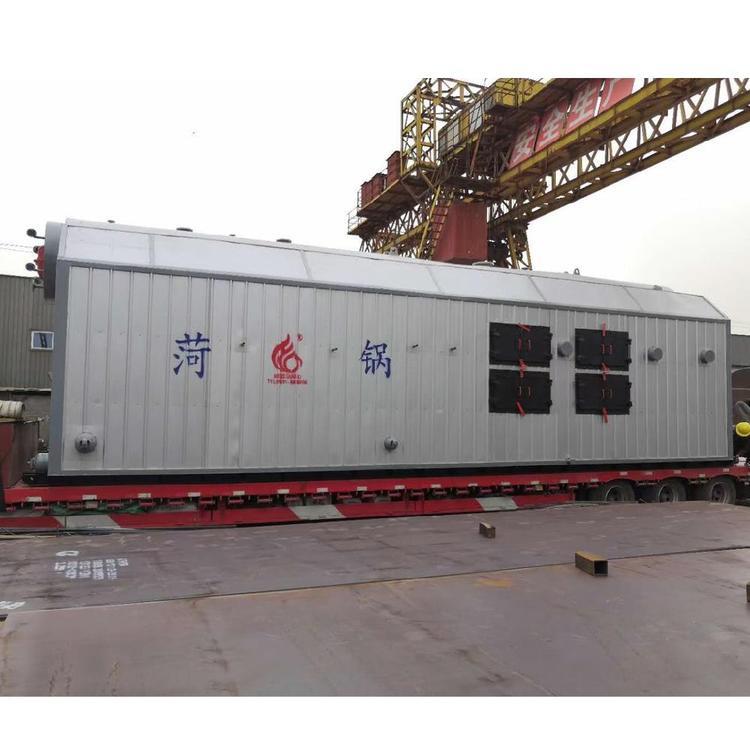

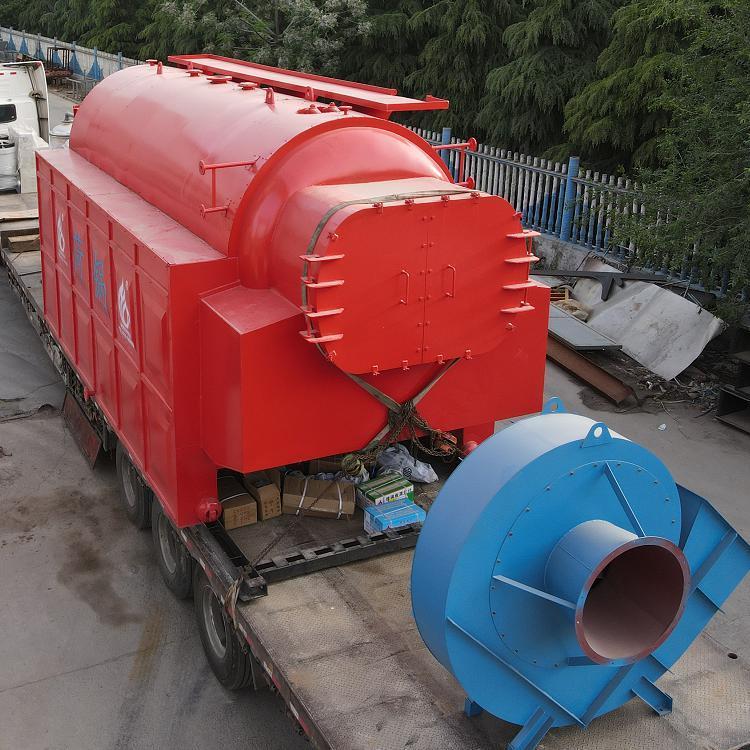



















Shandong Zhongjie Special Equipment (formerly Heze Boiler Factory Co., Ltd.) holds an A-grade boiler manufacturing license, an A2-grade pressure vessel manufacturing license, an A2-grade pressure vessel design license, a B-grade boiler installation license, and GB2/Class and GC2/Class pressure pipeline installation licenses, as well as a qualification for electromechanical equipment installation contracting. It is a member of the China Boiler and Water Treatment Association, the China Chemical Equipment Association, and the理事 unit of the Shandong Equipment Manufacturing Association. The company has also passed certifications for the ISO9001 Quality Management System, ISO14001 Environmental Management System, OHSAS18001 Occupational Health and Safety Management System, and the American ASME/U2 certification.
Biomass boilers, as equipment that converts thermal energy using biomass fuel, offer the following advantages:
Renewable Energy: Biomass fuel is a renewable energy source that can be continuously replenished through planting and cultivation. Compared to fossil fuels, the use of biomass fuel has a smaller environmental impact, benefiting sustainable development.
Environmental Protection and Energy Saving: The emissions and waste from biomass combustion are relatively low, with low levels of pollutants released during combustion. Biomass fuel itself has low sulfur and low nitrogen characteristics, and the waste after combustion can be reused as organic fertilizer or biomass fuel, reducing environmental pollution.
Diversity and Flexibility: Biomass fuel types are abundant, including wood chips, straw, etc. Different fuels can be chosen based on actual conditions, enhancing the substitutability and flexibility of fuel options.
Utilization: The biomass boiler employs advanced combustion technology and heat conversion equipment, maximizing the thermal energy of biomass fuel for enhanced thermal efficiency. Additionally, equipped with an economizer and flue gas recirculation system, further thermal efficiency is achieved.
Economic Efficiency: Biomass fuel is more stable and cost-effective compared to fossil fuels. The investment and operating costs of biomass boilers are relatively low, offering good economic performance.
Broad Application: Biomass boilers are suitable for various fields, including industrial production, heating, and power generation. They can meet the thermal energy needs in different scenarios.
In summary, biomass boilers offer advantages such as renewable energy, environmental protection, energy efficiency, diversity, flexibility, utilization, cost-effectiveness, and wide application, making them a sustainable thermal energy conversion option.
The biomass boiler combustion technology refers to the process of burning biomass fuel to release thermal energy. Here are common biomass boiler combustion technologies:
Firing Methods: Biomass boilers can utilize various firing methods, such as direct combustion, gasification combustion, and liquefaction combustion, etc. Direct combustion involves burning biomass fuel directly in the furnace; gasification combustion converts biomass fuel into combustible gases at high temperatures before combustion; liquefaction combustion burns biomass fuel after converting it into liquid fuel.
Combustion Control: Biomass boilers require a combustion control system to regulate fuel supply, air supply, and the combustion process. By adjusting the ratio of fuel to air, control the combustion temperature and efficiency to achieve a stable combustion process.
Combustion Equipment: The combustion equipment of biomass boilers includes the furnace chamber, grate, and combustion chamber, etc. The furnace chamber is the main area for combustion, the grate is used to support and burn the fuel, and the combustion chamber is designed to provide an appropriate burning environment.
Combustion Equipment: To enhance the combustion efficiency and environmental performance of biomass boilers, combustion equipment such as pre-heaters, dust collectors, and desulfurization units are often installed. Pre-heaters are used to increase the combustion temperature and thermal efficiency of the fuel, dust collectors are for removing particulates from flue gas, and desulfurization units are for removing sulfur compounds from the flue gas.
Combustion Control and Monitoring: Biomass boilers require the installation of combustion and monitoring systems.
Several factors should be considered when selecting a suitable biomass boiler:
Fuel Type: First, determine the available biomass fuel types, such as wood chips, straw, etc. Different biomass fuels have various characteristics, including moisture content, ash content, and calorific value, which require selecting a boiler suitable for the fuel type.
Boiler Capacity: Determine the required steam or hot water output based on actual needs and select an appropriate boiler capacity. Over-sizing leads to energy waste, while under-sizing fails to meet demand.
Combustion Efficiency: Focus on the boiler's combustion efficiency, which is the ratio of fuel converted to heat energy. High combustion efficiency can enhance energy utilization and reduce operating costs.
Equipment Quality and Reliability: Choose biomass boilers and suppliers with excellent quality and reliability to ensure long-term stable operation and ease of maintenance for the equipment.
Environmental Performance: Focus on the environmental performance of the boiler, including emission standards and reduction of pollutant emissions. The selected biomass boiler is beneficial for environmental protection and compliance with relevant regulations.
Economicity: Choose a cost-effective biomass boiler by considering the overall purchase, operation, and maintenance costs of the boiler.
Adaptability and Flexibility: Select biomass boilers with high adaptability and flexibility based on actual requirements and application scenarios, ensuring they can accommodate various fuel types and operating conditions.
When selecting biomass boilers, consult boiler suppliers or engineers for technical assessments and economic analyses based on specific circumstances to choose the appropriate type and specification of biomass boiler.
The feeding system of biomass pellet fuel boilers typically includes the following components:
Feeding Conveyance System: Designed to transport biomass pellet fuel from storage areas or supply sources to the boiler fuel storage. The feeding conveyance system can utilize screw conveyors, chain conveyors, belt conveyors, etc., and the appropriate conveying method should be selected based on the actual conditions.
Fuel Storage Tank: Used for storing biomass pellet fuel, typically located at the bottom of the boiler. The design of the fuel storage tank should consider the fuel capacity and stable supply to ensure continuous operation of the boiler.
Feeding Control System: Used to regulate the supply rate and quantity of fuel to meet the thermal load requirements of the boiler. The feeding control system typically includes the start/stop control of the feeding conveyor and the adjustment of feeding quantity.
Fuel Crushing System (Optional): For some larger biomass granular fuel, crushing may be required to better accommodate the boiler's combustion requirements. The fuel crushing system typically includes crushers, jaw crushers, and other equipment.
Fuel Pretreatment System (Optional): For biomass pellet fuels with high humidity or impurities, pretreatment such as drying, screening, and decontamination may be required to enhance combustion efficiency and stability.
When designing and selecting the feed system for biomass pellet fuel boilers, factors such as the fuel characteristics, supply volume, and combustion requirements must be considered. At the same time, ensure the stability, reliability, and safety of the feed system to guarantee the boiler's...
Zhongjie Special Equipment upholds the grand vision of "realizing employees' dreams, creating customer value, and striving for the prosperity and strength of our motherland," wholeheartedly devoting itself to the development of green energy equipment. We offer the society products and services with high cost-performance!
WeChat Official Account

Scan to follow Official Account




















