



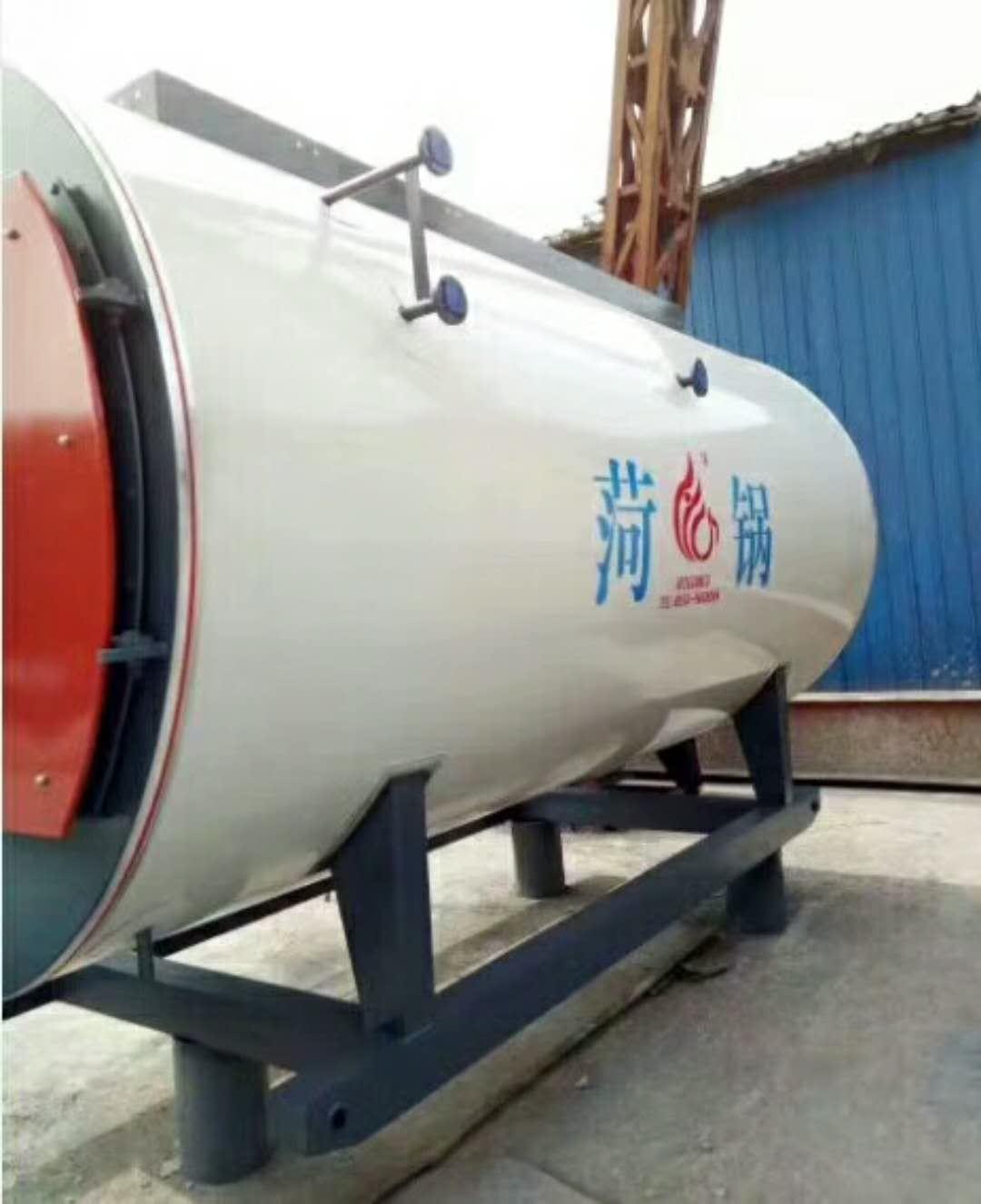



















Shandong Zhongjie Special Equipment (formerly Heze Boiler Factory Co., Ltd.) was established in 2001, located at No. 2218 Jinnan Road, Development Zone, Heze City. With a registered capital of 50 million yuan and total assets of 500 million yuan, the company has 7 business centers: boilers, deep-freezing vessels, pressure vessels, central air conditioning, engineering installation, international trade, and Internet of Things. It has three factory sites on Jinnan Road, East Changjiang Road, and Bohai Road, covering a total of 200,000 square meters, with the main workshop spanning 83,000 square meters. It currently employs 710 people, including 247 engineering technicians and 82 intermediate-level technicians. In December 2016, it was recognized as a "High-tech Enterprise" by the Science and Technology Department. In June 2021, it was named a "Specialized and New Enterprise in Shandong Province" by the Ministry of Industry and Information Technology. In June 2022, it was identified as a "Deer Enterprise in Shandong Province" and in August 2022, it was recognized as a "Specialized and New Small Giant Enterprise" by the Ministry of Industry and Information Technology.
Industrial boilers, during their long-term operation, can accumulate scale and sediments, affecting heat exchange efficiency and the normal operation of the boiler. Here are some effective descaling methods:
1. Mechanical Cleaning: This method uses cleaning equipment and tools to remove scale and sediments from the boiler interior through high-pressure water or mechanical brushing. It is suitable for lighter scale and sediments.
2. Chemical Cleaning: This involves using chemical cleaning agents to dissolve scale and sediments through chemical reactions. Select the appropriate cleaning agent based on the composition and properties of the scale, and follow the instructions provided. Chemical cleaning requires safe operation to avoid damage to equipment and the environment.
3. Acid Cleaning: Acid cleaning is a common descaling method for hard-to-dissolve scale and sediments. Common acid cleaning agents include (list any specific agents), and choose the appropriate agent and concentration based on the situation. Acid cleaning requires safe operation to prevent harm to equipment and personnel.
4. Alkaline Cleaning: This method is specific to certain types of scale and suitable for alkaline scales. Common alkaline cleaning agents include (list any specific agents), and select the appropriate agent and concentration based on the situation. Alkaline cleaning requires safe operation to prevent harm to equipment and personnel.
5. Physical Descaling: Physical descaling methods include ultrasonic cleaning and electro-dissolution. Ultrasonic cleaning uses the vibration effect of ultrasound to vibrate and break up scale. Electro-dissolution uses the principle of electrolysis to dissolve scale through the action of electricity. These methods are suitable for specific situations and special types of scale.
When choosing a descaling method, consider the specific conditions of the boiler.
If there's an issue with the thermal oil furnace circulation pump, follow these steps for troubleshooting:
- Shutdown and inspect: First, stop the thermal oil furnace and disconnect the power. Check for any evident malfunctions in the pump, such as unusual noises, oil leaks, or seepages. Verify that the pump motor is operating normally and no abnormal heat is produced.
- Clean the pump body: If sediment or debris are found, clean the pump body. Use appropriate tools and cleaning agents to remove dirt and blockages inside the pump. Ensure safe operation and avoid damaging the pump.
- Inspect pump connections: Check the pump's connections, including inlet and outlet pipes, valves, and seals. Ensure they are securely fastened, valves operate smoothly, and seals are intact. Repair or replace any loose or damaged parts promptly.
- Check the pump motor: Verify the pump motor's operation, looking for any abnormal sounds or heating. Inspect the power lines and control system of the motor to ensure proper power supply and correct control signals.
- Inspect the lubrication and cooling system: Ensure the pump's lubrication and cooling system are functioning correctly. Check the supply of lubricating oil or grease and the circulation and temperature control of cooling water or coolant.
- Adjust pump parameters: Depending on the situation, you may need to adjust the pump parameters, such as flow rate and head. Adjust the pump's speed or valve opening according to the equipment's requirements and operating conditions to meet the thermal oil furnace's energy needs.
- Seek repair if necessary: If these steps don't resolve the issue or more in-depth maintenance is required, consider seeking professional repair services. Contact the maintenance personnel or manufacturer's technical support for further troubleshooting and repair.
It's crucial to handle issues with the thermal oil furnace circulation pump with safety in mind, following relevant operational procedures and safety requirements. If unsure how to proceed or if there are safety concerns, seek assistance immediately.
When operating a gas heat transfer oil furnace, please note the following points:
- Safety Operation: A gas heat transfer oil furnace is a high-temperature equipment, and safety must be ensured during operation. Operators should be familiar with the operation procedures and safety precautions of the equipment, wear necessary personal protective equipment, and ensure safe operation.
- Gas Supply: A stable gas supply is required for the gas heat transfer oil furnace. Before use, check if the gas pipeline is unobstructed and the gas valve is open to ensure normal gas supply.
- Heat Transfer Oil Circulation: The furnace needs to circulate the heat transfer oil to the heat source equipment through a circulating pump. Before use, check the operation status of the circulating pump to ensure it is functioning properly.
- Temperature Control: A temperature control system is usually required to control the temperature of the heat transfer oil in a gas heat transfer oil furnace. Before use, check the settings and adjustments of the temperature control system to ensure accurate and reliable temperature control.
- Regular Maintenance: Regular maintenance and maintenance are required for gas heat transfer oil furnaces, including cleaning burners, checking the tightness of pipes and valves, and replacing worn parts. Regular maintenance can ensure the normal operation of the equipment and extend its service life.
- Environmental Protection: Gas heat transfer oil furnaces produce exhaust gases during combustion, and exhaust gas emissions must be ensured. Appropriate exhaust gas treatment measures, such as flue gas purification equipment, can be taken to reduce environmental impact.
- The above are some points to note when using a gas heat transfer oil furnace. To ensure safety and the normal operation of the equipment, it is recommended to follow relevant operation procedures and safety requirements, and to carry out regular maintenance and inspections. If necessary, consult the manufacturer or engineer of the gas heat transfer oil furnace for advice.
Common issues and troubleshooting for gas boiler burners are as follows:
- No flame or unstable flame: Check if the gas supply is normal, ensure the gas valve is open. Clean the burner nozzle to ensure the passage is clear. Inspect the ignition electrode for cleanliness, carbon buildup, or dirt. Adjust the gas-to-air ratio to ensure proper mixture.
- Incomplete combustion or black smoke: Check if the gas supply is sufficient, adjust the gas pressure. Clean the burner nozzle and combustion chamber to ensure the passage is clear. Adjust the gas-to-air ratio to ensure proper mixture. Check for carbon buildup or dirt in the burner, clean or replace damaged parts.
- Difficulties in点火 or点火 failure: Inspect the ignition electrode for cleanliness, carbon buildup, or dirt. Adjust the position and gap of the ignition electrode to ensure normal spark generation. Check if the ignition transformer or controller is functioning properly, repair or replace damaged parts.
- Abnormal noise from the burner: Check if the gas supply is normal, ensure the gas valve is open. Inspect the burner and combustion chamber for loose parts, tighten or replace damaged parts. Clean the burner and combustion chamber to ensure no carbon buildup or dirt.
- If the above methods do not resolve the issue, it is recommended to contact a gas boiler repair technician for inspection and maintenance. Additionally, to ensure safety, follow relevant safety operation procedures when using a gas boiler.
Shandong Zhongjie Special Equipment, welcome customers to our factory for cooperation discussions.
WeChat Official Account

Scan to follow Official Account




















