



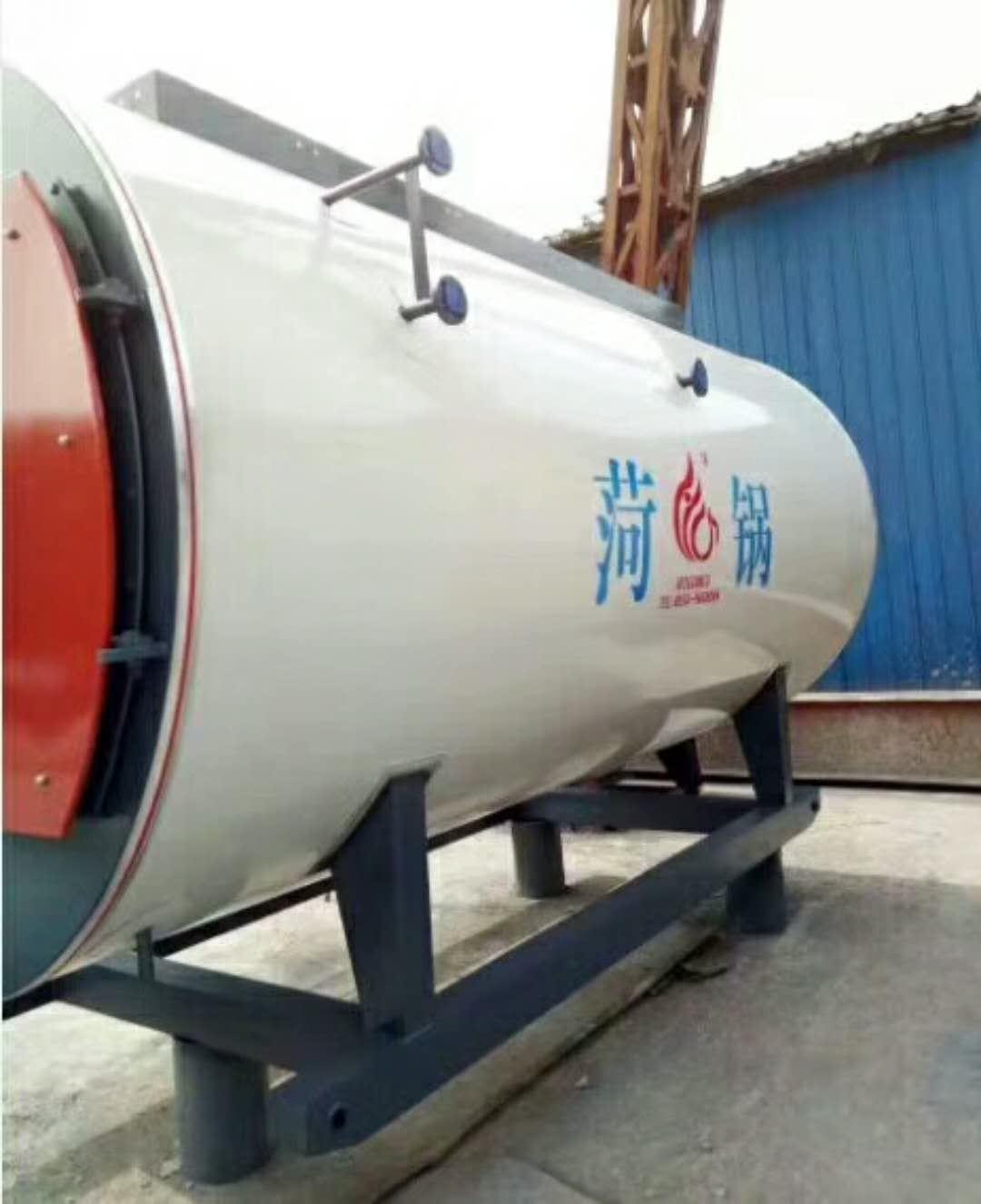



















Shandong Zhongjie Special Equipment Co., Ltd. (formerly Heze Boiler Factory Co., Ltd.) holds an A-grade boiler manufacturing license, an A2-grade pressure vessel manufacturing license, an A2-grade pressure vessel design license, a B-grade boiler installation license, and GB2/GB3-class and GC2-class pressure pipeline installation licenses, as well as a mechanical and electrical equipment installation contracting qualification. It is a member of the China Boilers and Water Treatment Association, the China Chemical Equipment Association, and the director unit of the Shandong Equipment Manufacturing Association, and has passed certifications for ISO9001 Quality Management System, ISO14001 Environmental Management System, OHSAS18001 Occupational Health and Safety Management System, and the U.S. ASME/U2 certification.
For accessories of CO2 storage tanks, such as valves, pipes, and pressure relief devices, maintenance and protection are crucial. Here are some suggestions:
Regular Inspections: Conduct regular checks on the appearance and operational status of the accessories to ensure no damage, loose parts, or leaks. Pay special attention to the sealing performance and operational flexibility of valves.
Cleaning and Maintenance: Regularly clean the accessories, removing dirt and impurities from the surface. Use appropriate cleaning agents and tools, avoiding corrosive substances.
Lubrication Maintenance: For accessories requiring lubrication, such as the pistons and stems of valves, perform regular lubrication maintenance. Use suitable lubricants to ensure the normal operation and sealing performance of the valves.
Sealing Inspection: Regularly inspect the sealing performance of the accessories, such as the seals and sealing surfaces of valves. Replace any damaged or aged sealing parts promptly.
Corrosion Protection: For accessories prone to corrosion, such as pipes and valves, take anti-corrosion measures, such as applying anti-corrosion coatings or wrapping with anti-corrosion materials.
Regular Calibration: Calibrate measuring equipment such as level sensors and pressure sensors regularly to ensure their accuracy and reliability.
Regular Maintenance: Develop a regular maintenance plan based on the usage and requirements of the accessories, including cleaning, lubrication, and inspections. Ensure the long-term stable operation of the accessories.
Storage and Transportation Precautions: When storing and transporting spare parts or parts to be replaced, pay attention to moisture-proof, shockproof, and damage-proof measures to avoid affecting their normal use.
The above suggestions are for the maintenance and protection of CO2 storage tank accessories. Specific operations should be based on the characteristics and requirements of the accessories and comply with relevant regulations.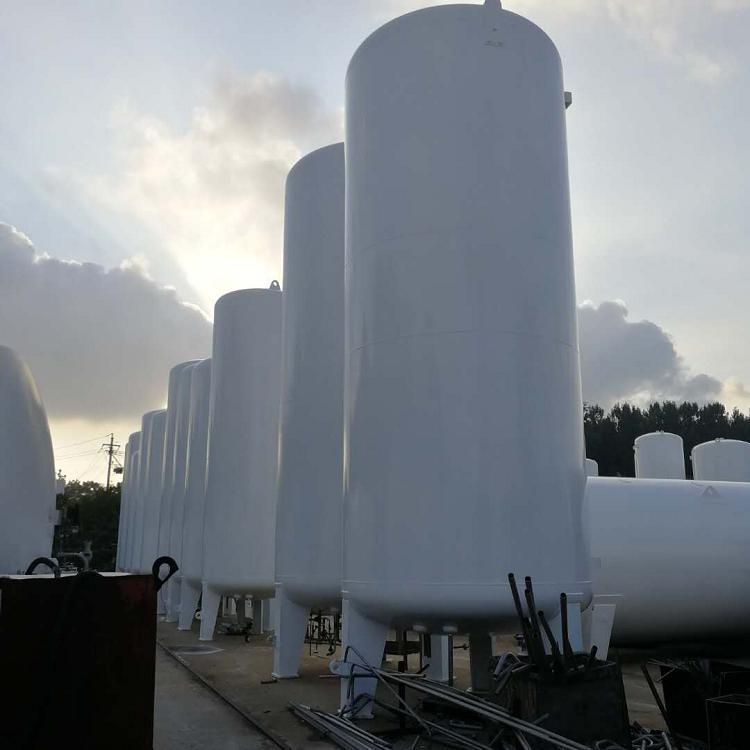
In daily operation, CO2 storage tanks require protection and maintenance to ensure proper functioning and safety. Here are some common protection and maintenance methods:
- Visual Inspection: Regularly check the tank's exterior for signs of corrosion, wear, and cracks. Take prompt corrective action if any abnormalities are found.
- Seal Integrity Check: Periodically inspect the tank's sealing performance, particularly at valves, pipe connections, and the tank itself. Ensure there are no leaks, and repair any found promptly.
- Temperature Control: Maintain a suitable ambient temperature around the tank and implement appropriate insulation measures to ensure the tank's internal低温 state.
- Pressure Relief Device Inspection: Regularly check the tank's pressure relief devices, such as safety valves, to ensure they are functioning correctly. Verify that the set pressure of the relief devices meets requirements and perform regular maintenance and replacements.
- Level Monitoring: Regularly monitor the tank's liquid level to ensure accurate measurements. Take immediate action to investigate and address any abnormal levels.
- Regular Cleaning: Clean the tank's interior regularly to remove accumulated impurities and dirt. Pay attention to safety during cleaning and avoid using flammable and corrosive substances.
- Regular Testing: Conduct regular pressure tests and leak inspections on the tank to ensure safety performance meets requirements. The frequency and methods of testing should comply with relevant regulations and standards.
- Storage Capacity Control: Control the tank's storage capacity to prevent exceeding the rated capacity. Overfilling can lead to excessive pressure and increased safety risks.
- Note: Specific protection and maintenance methods may vary depending on the type of tank and its application.
Construction features of carbon dioxide storage tanks mainly include the following aspects: Material selection: Carbon dioxide storage tanks are typically made of carbon steel or stainless steel to ensure their corrosion resistance and pressure-bearing performance. Welding process: The welding process of the tank is crucial for its quality and safety. The welding process should comply with relevant standards and specifications to ensure the quality and strength of the welds. Corrosion prevention measures: Due to the corrosive nature of carbon dioxide, both the internal and external surfaces of the tank should be treated for corrosion prevention. Common corrosion prevention measures include spraying corrosion-resistant paint, applying a corrosion-resistant coating, or using corrosion-resistant coatings. Safety valves and pressure sensors: The tank should be equipped with safety valves and pressure sensors to monitor and control the internal pressure of the tank, ensuring safe operation. Proper installation steps for carbon dioxide storage tanks are as follows: Site preparation: Select an appropriate site for installation, ensuring the site is level, stable, and meets safety distance requirements. Clear the site to ensure there are no obstacles or sources of fire. Foundation construction: Construct the foundation based on the tank's size and weight. The foundation should have sufficient strength and stability to support the tank's weight and pressure. Tank installation: Place the tank on the foundation, ensuring there is adequate padding and fastening between the tank and the foundation. Connect and fasten the tank according to its design requirements. Pipe connection: Connect the tank to the piping system as needed. Ensure that the connections are sealed properly to prevent leaks. Safety equipment installation: Install the required safety equipment for the tank, such as safety valves, pressure sensors, and temperature sensors. Ensure these facilities are properly installed and connected.
Carbon dioxide storage tanks come in various sizes and configurations, tailored to specific application and capacity requirements. Here are some common dimensions and structures of carbon dioxide storage tanks:
- Dimensions: The size of carbon dioxide storage tanks can range from small to large, varying with capacity. Common sizes include thousands to tens of thousands of liters.
- Structure: Typically, carbon dioxide storage tanks feature a double-walled design, with the inner wall for storing liquid CO2 and the outer wall for insulation. The inner wall is usually made of stainless steel or aluminum alloy, offering excellent corrosion resistance.
- Insulation: To maintain the low temperature of liquid CO2, the outer wall of the tank is often insulated to reduce heat transfer and maintain低温. Insulation can be in multi-layered structures, such as polyester foam or glass wool.
- Pressure Relief Devices: Carbon dioxide storage tanks are usually equipped with pressure relief devices, like safety valves, to control internal pressure. The set pressure of these devices should meet relevant requirements and be regularly inspected and maintained.
- Connecting Pipes: The connection between the tank and pipes is typically made using appropriate methods, such as flange or threaded connections. The connecting pipes should comply with relevant standards and regulations to ensure a secure and leak-proof connection.
- Support Structure: Large carbon dioxide storage tanks often require a support structure to bear their weight. These can be made of steel or concrete, ensuring stability and safety.
Note that the specific dimensions and structures of carbon dioxide storage tanks may vary depending on different applications and requirements. When selecting and using carbon dioxide storage tanks, considerations should be based on the specific needs.
Shandong Zhongjie Special Equipment, welcome customers to visit our factory for business talks.
WeChat Official Account

Scan to follow Official Account




















