



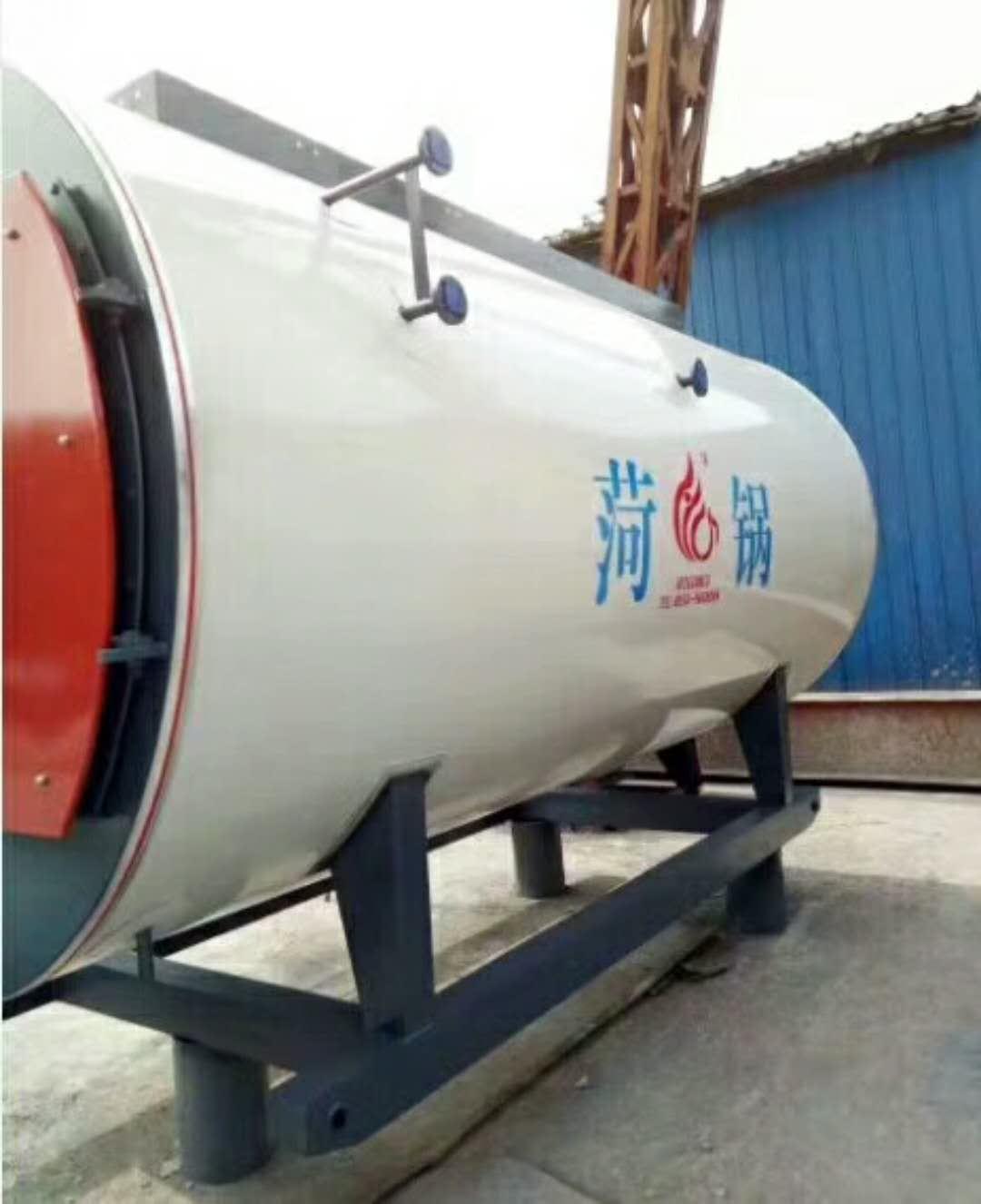
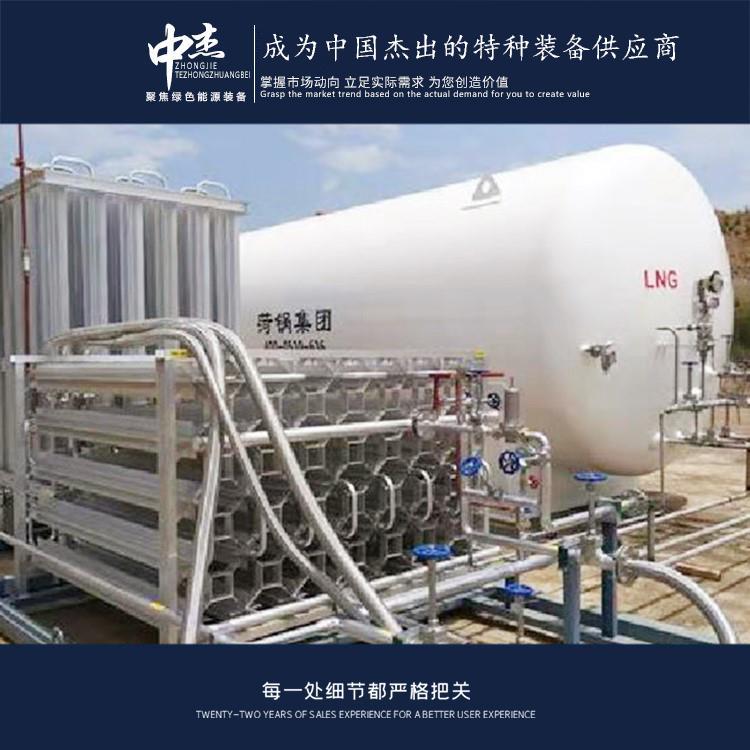



















Shandong Zhongjie Special Equipment (formerly Heze Boiler Factory Co., Ltd.) holds an A-grade boiler manufacturing license, A2-grade pressure vessel manufacturing license, A2-grade pressure vessel design license, B-grade boiler installation, and GB2/Class, GC2/Class pressure pipeline installation licenses, as well as equipment and mechanical installation contracting qualifications. It is a member of the China Boiler and Water Treatment Association, the China Chemical Equipment Association, and a director unit of the Shandong Equipment Manufacturing Association. The company has also passed certifications for the ISO9001 Quality Management System, ISO14001 Environmental Management System, OHSAS18001 Occupational Health and Safety Management System, and the American ASME/U2 certification.
Several reasons have contributed to the peak popularity of low-temperature liquid storage tanks in recent years:
Rising Demand: With the development of industries such as manufacturing and scientific research, there is a growing demand for low-temperature liquids. Low-temperature liquid storage tanks can effectively store and supply liquid oxygen, liquid nitrogen, liquid gases, and other low-temperature liquids, meeting the needs of various fields.
Technical Advancements: In recent years, the manufacturing technology and material technology for low-temperature liquid storage tanks have continuously improved and innovated. The application of new insulating materials, advanced refrigeration systems, and safety control devices has enhanced the performance and safety of the tanks, making them more reliable and secure.
Environmental Awareness Enhancement: Low-temperature liquid storage tanks enable effective storage and utilization of low-temperature liquids, reducing energy waste and environmental pollution. Against the backdrop of increased environmental awareness, low-temperature liquid storage tanks, as an environmentally friendly and energy-saving device, have garnered more attention and application.
Emerging Application Fields: The demand for low-temperature liquid storage tanks is continually increasing in emerging application fields. For instance, the application of liquid nitrogen in frozen food, biopharmaceuticals, and semiconductor manufacturing is becoming more widespread, which has driven the development of low-temperature liquid storage tanks.
Policy Support: The government has provided support and encouragement for the development of low-temperature liquid storage tanks. Through policy guidance and financial support, the industry has been promoted and expanded.
In summary, the reasons for the peak of low-temperature liquid storage tanks in recent years mainly include increasing demand, technological advancements, heightened environmental awareness, development in emerging application areas, and policy support. These factors have collectively propelled the rapid development of the low-temperature liquid storage tank industry.
When selecting insulation material for low-temperature liquid storage tanks, consider the following factors:
Thermal Conductivity: The lower the thermal conductivity of an insulating material, the better its insulating performance. Therefore, it is advisable to choose materials with lower thermal conductivity, such as polyethylene foam (EPS), polyurethane foam (PUR), and silicate fibers.
Density: The density of insulating materials also affects their thermal insulation performance. Generally, the higher the density, the better the insulation. However, excessively high density may increase the weight and cost of the tank. Therefore, a balance needs to be struck between insulation performance and tank structural requirements.
Corrosion Resistance: Due to the special working environment of low-temperature liquid storage tanks, the insulation material must have excellent corrosion resistance to withstand the erosion of low-temperature liquids. For example, glass fiber and silicate fiber offer good corrosion resistance.
Reliability and durability: Insulating materials must have good reliability and durability, maintaining their insulating properties over the long term. Choose verified and tested materials to ensure their quality and performance.
Construction convenience: The ease of installation and maintenance of the insulating material is also a factor to consider. Choosing materials that are easy to install and maintain can enhance construction efficiency and reduce costs.
Environmental friendliness: Consider choosing environmentally friendly insulation materials, such as recyclable options, to minimize environmental impact.
Considering these factors, you can select appropriate insulation materials to ensure excellent thermal insulation properties and durability, thereby guaranteeing the safety and efficient operation of low-temperature liquid storage tanks. When choosing insulation materials, it is recommended to consult engineers or consulting agencies for more accurate advice and guidance.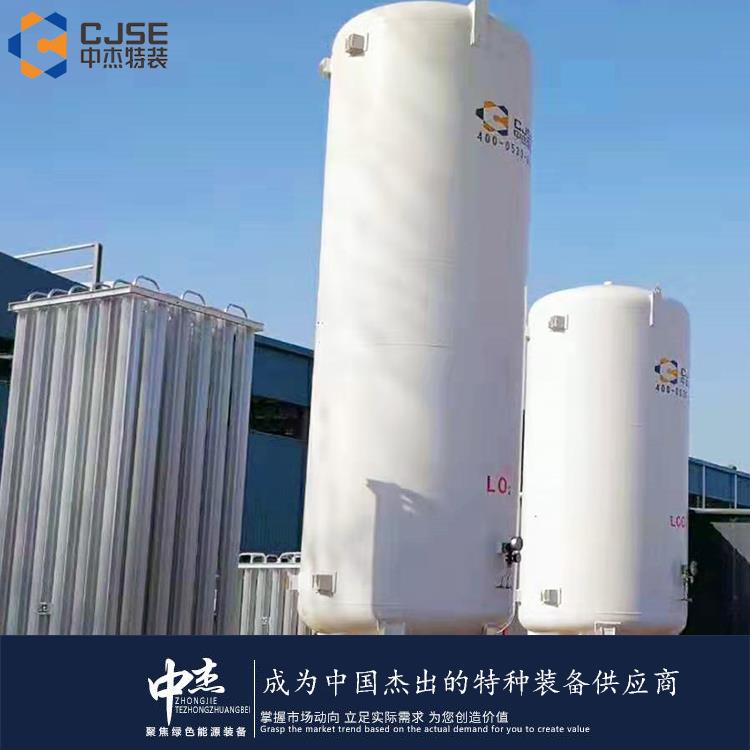
When storing liquid nitrogen in low-temperature storage tanks, the following points should be noted:
Protective Gear: When handling low-temperature storage tanks, it is mandatory to wear appropriate protective gear, including gloves, protective clothing, and non-slip shoes. This equipment safeguards the skin from the low temperatures of liquid nitrogen and other hazards.
Avoid direct contact: Liquid nitrogen is extremely cold and can cause frostbite. Therefore, it is crucial to avoid direct contact with liquid nitrogen, especially with the skin. Use tools or equipment for handling to prevent direct hand contact with liquid nitrogen.
Ventilation Requirements: In the operational area of low-temperature storage tanks, adequate ventilation must be ensured to expel gases produced by the evaporation of liquid nitrogen. Maintain air circulation to avoid excessive oxygen concentration, and reduce the risk of fire and explosion.
Prevent Leaks: Regularly inspect the low-temperature storage tanks for leaks and equip them with leak detectors and alarm systems. In case of a leak, take immediate action to control and repair it. Avoid the leakage of liquid nitrogen, which can pose harm to personnel and the environment.
Fire Prevention Measures: Liquid nitrogen has a low boiling and freezing point, which can easily cause fires. Measures such as setting up fire barriers around low-temperature storage tanks and using fire-retardant coatings are taken to prevent fires from occurring and spreading.
Electrostatic Protection: Electrostatic buildup in low-temperature storage tanks may cause sparks, increasing the risk of fire. Measures should be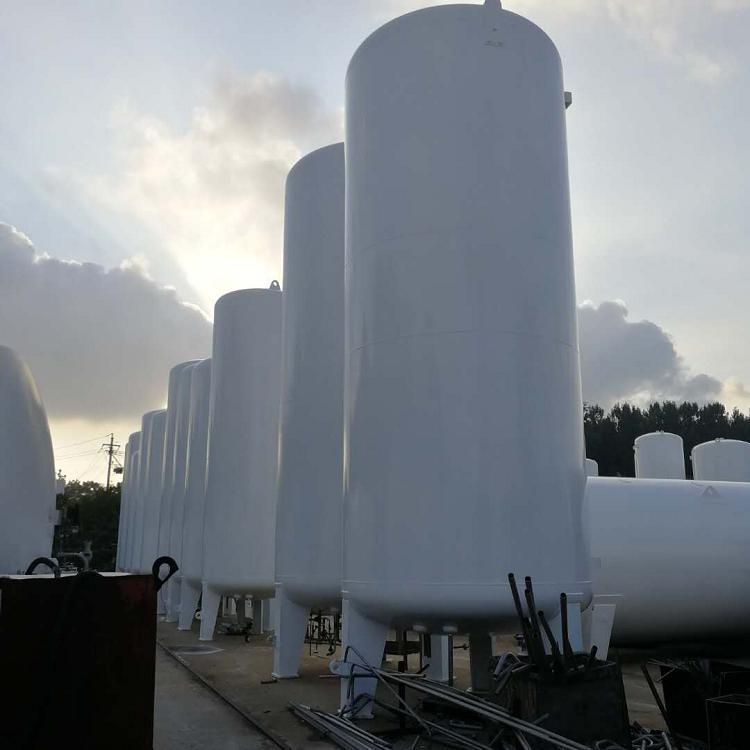
Oxygen storage tanks and liquid oxygen storage tanks are equipment used for storing oxygen, but they have some distinctions: Storage Form: Oxygen storage tanks are typically used for storing gaseous oxygen, while liquid oxygen storage tanks are for storing liquid oxygen. Oxygen is in a gaseous state at room temperature but is cooled to a liquid state at low temperatures for more efficient storage and use. Storage Pressure: Oxygen storage tanks usually store high-pressure oxygen, with pressures around 200-300 bar. Liquid oxygen storage tanks store liquid oxygen at lower pressures, generally around 2-5 bar. Storage Capacity: Oxygen storage tanks usually have smaller capacities, suitable for personal or small-scale use. Liquid oxygen storage tanks have larger capacities, suitable for industrial or large-scale use. Storage Method: Oxygen storage tanks store oxygen in a gaseous form, via compressed gas storage. Liquid oxygen storage tanks store oxygen in a liquid form, converting it to a liquid state by cooling it below its boiling point. Safety Requirements: Due to the high oxidizing nature of liquid oxygen, liquid oxygen storage tanks require stricter safety requirements in design and use. They typically need to have good thermal insulation, leak control, and fire prevention measures to ensure safe operation. It should be noted that the specific design and specifications of oxygen storage tanks and liquid oxygen storage tanks may vary depending on different regions and application sites. When using these tanks, it is essential to follow applicable regulations, standards, and safety guidelines, and to cooperate with local regulatory authorities and personnel to ensure the safety and reliability of the tanks.
Zhongjie Special Equipment adheres to the great vision of "realizing employees' dreams, creating customer value, and striving for the prosperity and strength of our motherland," wholeheartedly devoting itself to the development of green energy equipment. We offer the society high-quality and cost-effective products and services!
WeChat Official Account

Scan to follow Official Account




















