


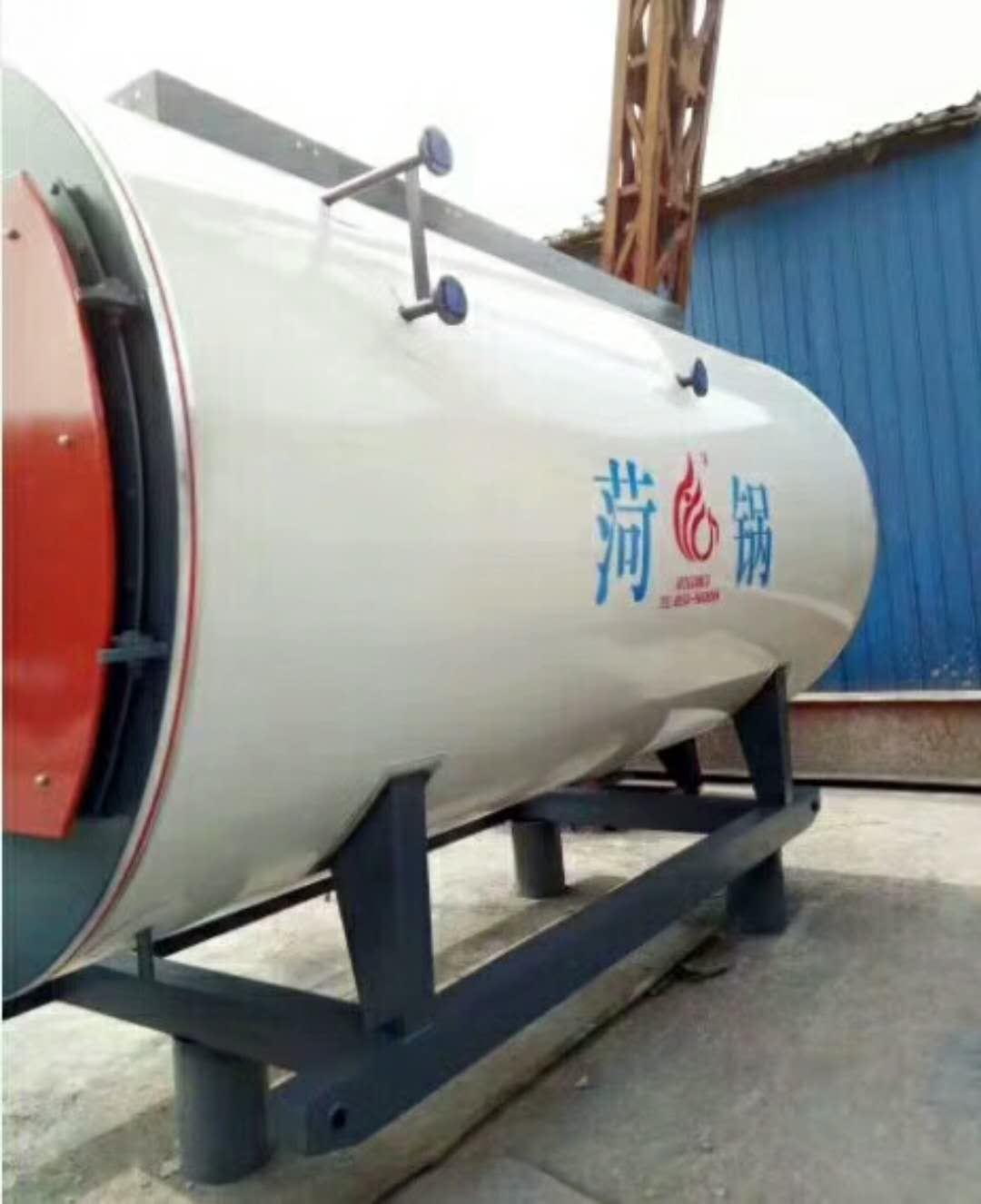

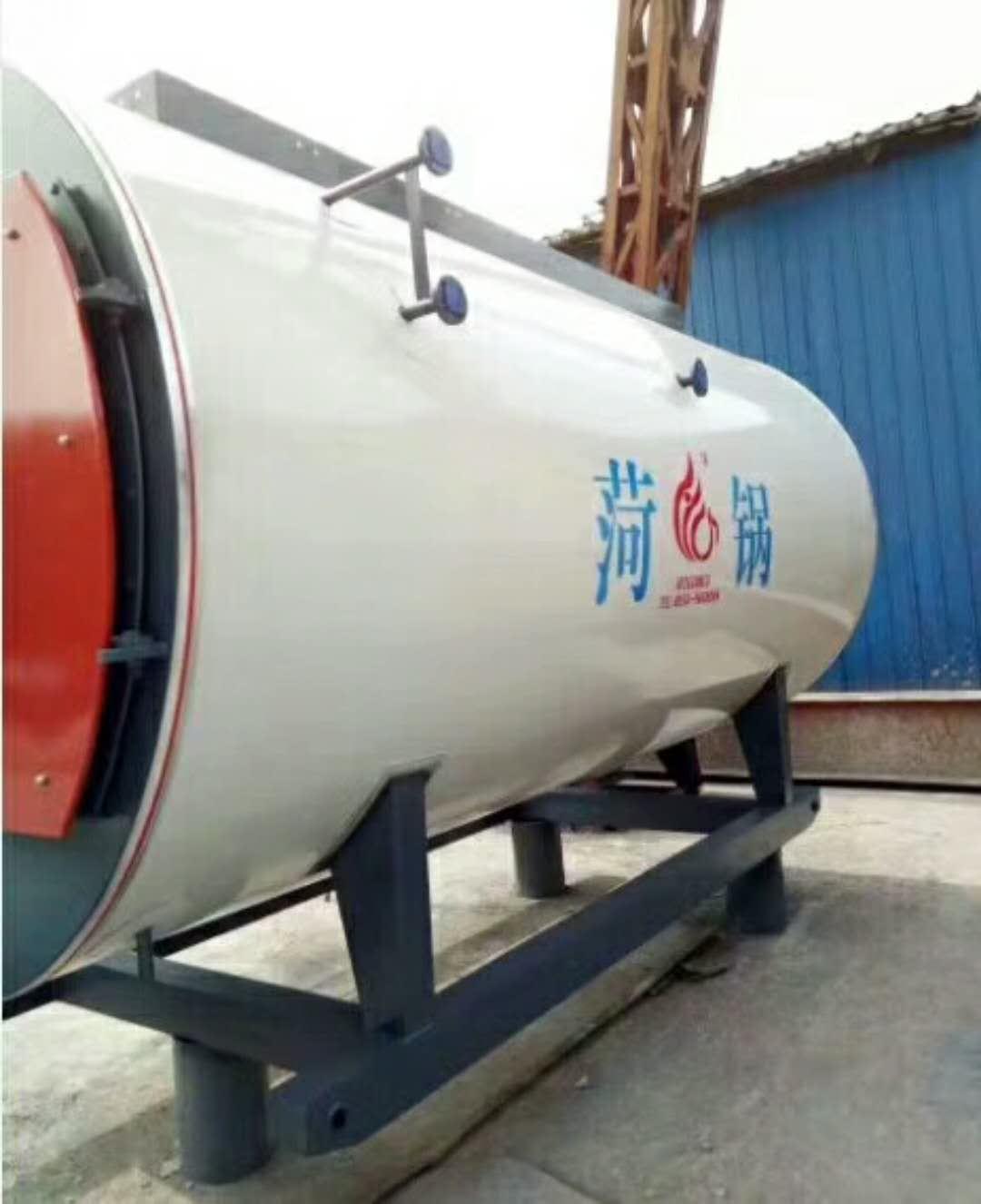



















Shandong Zhongjie Special Equipment (formerly Heze Boiler Factory Co., Ltd.) holds an A-grade boiler manufacturing license, an A2-grade pressure vessel manufacturing license, an A2-grade pressure vessel design license, B-grade boiler installation and GB2, GC2 pressure pipeline installation licenses, as well as equipment and machinery installation contracting qualifications. It is a member of the China Boiler and Water Treatment Association, the China Chemical Equipment Association, and the council member of the Shandong Equipment Manufacturing Association. The company has also passed the ISO9001 Quality Management System, ISO14001 Environmental Management System, OHSAS18001 Occupational Health and Safety Management System certifications, and the American ASME/U2 certification.
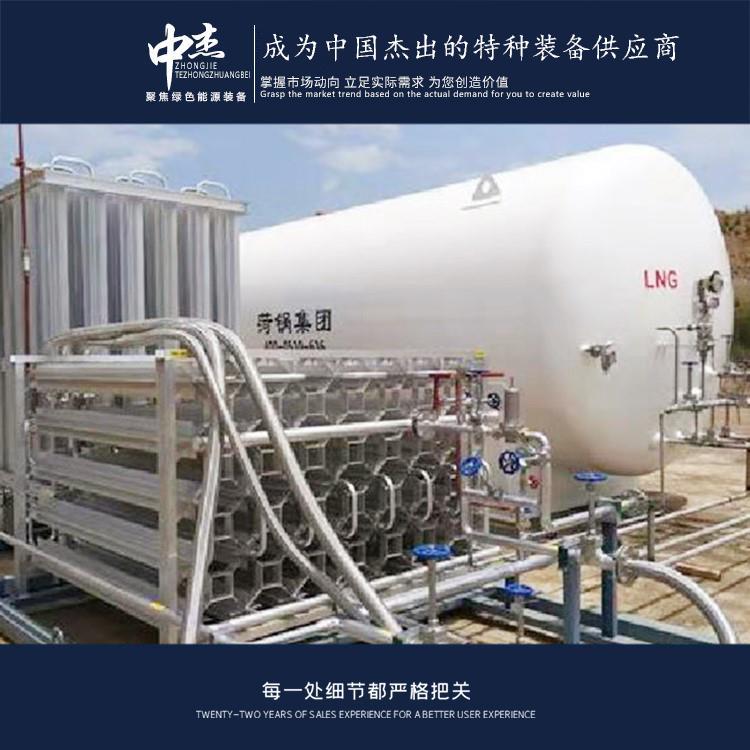
Liquid nitrogen storage tanks are used for storing and transporting liquid nitrogen. To ensure safe operation, here are some common operational safety procedures for liquid nitrogen storage tanks:
Tank Installation: Tanks should be installed on a solid and level foundation, far from fire sources and flammable materials. Good ventilation around the tank is essential to prevent gas accumulation. Adequate safety distances should be maintained between the tank and other equipment and buildings.
Liquid Nitrogen Filling: When filling with liquid nitrogen, appropriate liquid nitrogen transfer equipment should be used to prevent direct contact. During the filling process, attention should be paid to controlling the flow and pressure of liquid nitrogen to avoid over-filling and excessive tank pressure.
Tank Pressure Control: Tanks should be equipped with pressure control devices to ensure internal tank pressure remains within a safe range. Regularly inspect and maintain these devices to ensure proper operation.
Leak Detection and Alarm Systems: Storage tanks should be equipped with leak detection and alarm systems to promptly detect and alert of any leaks. Regularly inspect and maintain the leak detection equipment to ensure proper functioning.
Fire and Explosion Prevention Measures: A fire-resistant isolation zone should be established around the storage tank, keeping it away from fire sources and flammable materials. The tank itself should implement fire and explosion prevention measures, such as fire-resistant coatings and explosion-proof devices, to prevent fires and explosions.
Regular inspections and maintenance: Conduct regular checks of the tank's appearance, valves, and fittings to ensure they are intact and undamaged. Perform regular leak detection and pressure tests to ensure the tank's safety performance meets requirements.
Safety Training and Awareness Enhancement: Conduct safety training for operators to enhance their awareness and ability in the safe operation of liquid nitrogen tanks. Regularly hold safety training and drills to respond to emergencies.
Manage records and documents: Establish comprehensive management records and documents, including the usage of tanks, inspection logs, maintenance records, etc. Regularly review and update the management records to ensure safe management and maintenance of the tanks.
Note that the above are some common protective procedures, which may vary depending on the type of tank and application. When using liquid nitrogen tanks, operate according to relevant specifications and standards, and consult with experts to ensure safety and effectiveness.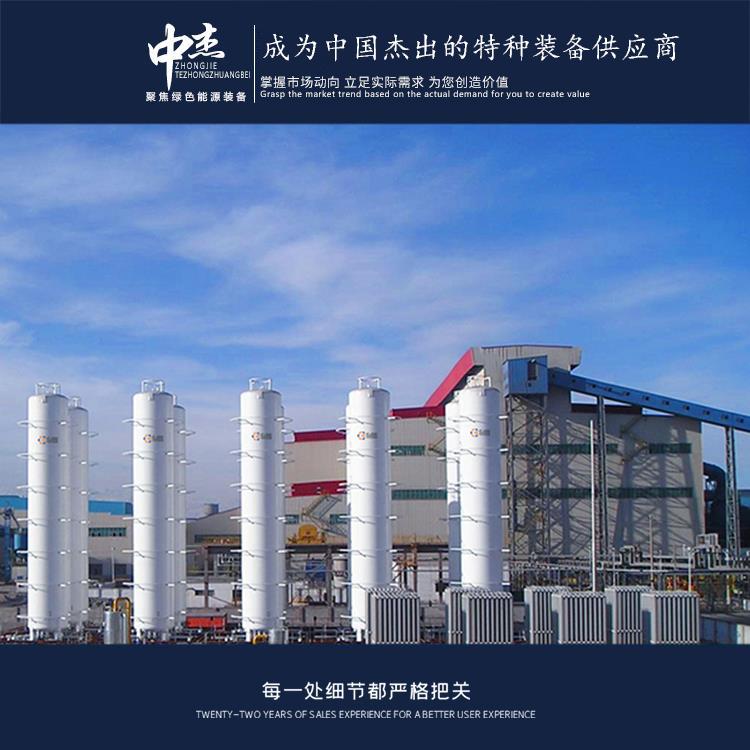
Possible reasons for increased liquid nitrogen loss in storage tanks may include:
Evaporation Loss: Nitrogen liquid is a cryogenic liquid with a boiling point of -196 degrees Celsius. Even under good insulation conditions, nitrogen liquid will evaporate. Therefore, the main cause of liquid loss in nitrogen liquid storage tanks is evaporation. If the insulation layer of the tank is damaged or the insulation performance is poor, evaporation loss will increase.
Leakage: A leak in the liquid nitrogen tank can also lead to increased liquid loss. Leaks may occur at the tank's interfaces, valves, pipes, and other areas. Leaks may be caused by equipment aging, material fatigue, improper operation, and other reasons.
Improper operation: Incorrect handling and maintenance may also lead to increased liquid nitrogen loss in storage tanks. For example, frequently opening the tank lid, leaving the lid open for extended periods, and failing to promptly repair leaks.
Environmental Factors: Environmental elements can also impact the liquid nitrogen tank's liquid loss. For instance, high-temperature environments can degrade the tank's insulating performance, thereby increasing evaporation loss.
To minimize liquid nitrogen tank liquid loss, the following measures can be taken:
Ensure the tank's insulation is intact and perform regular inspections and maintenance.
Regularly inspect the tank's interfaces, valves, pipes, and other components to ensure good sealing performance and prevent leaks.
Strictly control the frequency and duration of tank openings to prevent unnecessary liquid evaporation.
Avoid using liquid nitrogen tanks in high-temperature environments, or take cooling measures to maintain a low surrounding environment temperature.
It's important to note that liquid nitrogen tank liquid loss is inevitable, but through reasonable operation and maintenance, it can be reduced to a minimum.
When storing liquid nitrogen in low-temperature storage tanks, please note the following:
Protective Gear: When operating low-temperature storage tanks, it is mandatory to wear appropriate protective gear, including gloves, protective clothing, and non-slip shoes. This gear helps protect the skin from the low temperatures of liquid nitrogen and other hazards.
Avoid direct contact: Liquid nitrogen is extremely cold and can cause chilling. Hence, it is essential to avoid direct contact with liquid nitrogen, especially with the skin. Use tools or equipment for handling to prevent direct hand contact with liquid nitrogen.
Ventilation Requirements: In the operational area of low-temperature storage tanks, adequate ventilation must be ensured to expel gases produced by the evaporation of liquid nitrogen. Maintain air circulation to avoid excessive oxygen concentration, and reduce the risk of fire and explosion.
Prevent Leaks: Regularly inspect the low-temperature storage tanks for leaks, and equip with leak detection and alarm systems. In case of a leak, take immediate measures to control and repair it. Avoid the hazards of liquid nitrogen leaks to personnel and the environment.
Fire Prevention Measures: Liquid nitrogen has a low boiling and freezing point, which is prone to causing fires. To prevent and contain fires, firewalls and fire-resistant coatings should be installed around low-temperature storage tanks.
Electrostatic Protection: Electrostatic buildup in low-temperature storage tanks may cause sparks, increasing the risk of fire. Measures should be
The daily inspection content for liquid nitrogen storage tanks primarily includes the following aspects:
Visual Inspection: Check for any obvious damage, deformation, or corrosion on the tank's exterior, including the tank walls, valves, pipes, and joints.
Sealability Inspection: Check the tank's sealing performance, including inspecting for leaks at valve and pipe connections, and verifying that the tank's exhaust valve and safety valve are functioning properly.
Pressure Check: Verify that the storage tank's pressure gauge is functioning properly and that the pressure is within the normal range to ensure the tank operates normally.
Level Check: Monitor the liquid nitrogen tank's level to ensure it stays within the normal range, preventing issues caused by either too high or too low levels.
Insulation Layer Inspection: Check for any damage or detachment in the tank's insulation layer to ensure proper insulation and reduce evaporation losses of liquid nitrogen.
Leak Inspection: Check for signs of liquid nitrogen leakage around the storage tank, including frost, ice, or liquid nitrogen stains on the ground.
Safety Equipment Inspection: Verify that the storage tank's safety equipment, such as leak detectors, alarm systems, and safety valves, are functioning properly to ensure the tank's safety.
Clean Inspection: Regularly clean the interior of the tank to remove accumulated impurities and dirt, maintaining cleanliness and hygiene of the tank.
Above are the key contents for the daily inspection of liquid nitrogen tanks. The specific inspection items should be adjusted and supplemented according to the tank's model, usage, and relevant regulations. During the inspection process, strict adherence to the operational procedures and safety operation requirements is essential to ensure the safe operation of the tank.
Shandong Zhongjie Special Equipment, welcome customers to visit our factory for business discussions.
WeChat Official Account

Scan to follow Official Account




















