


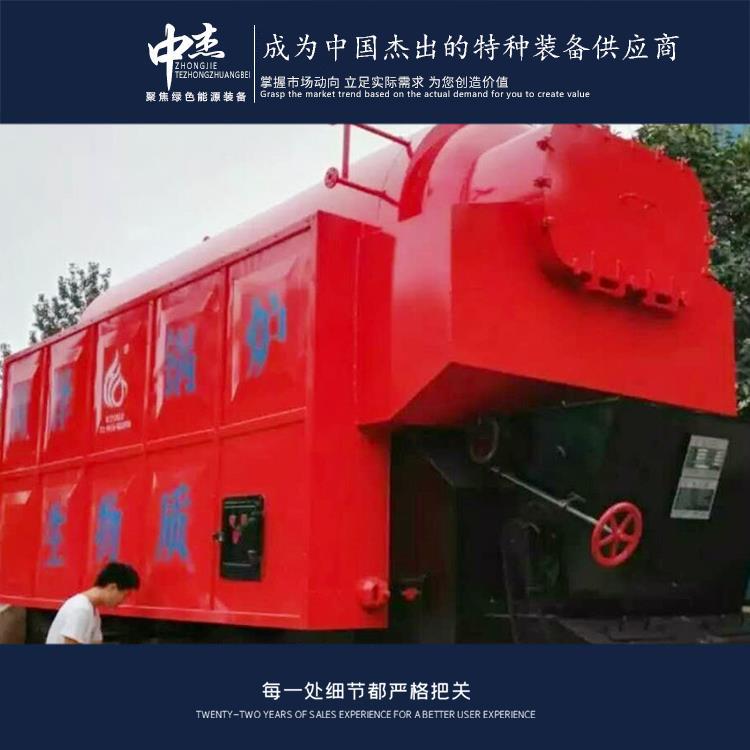


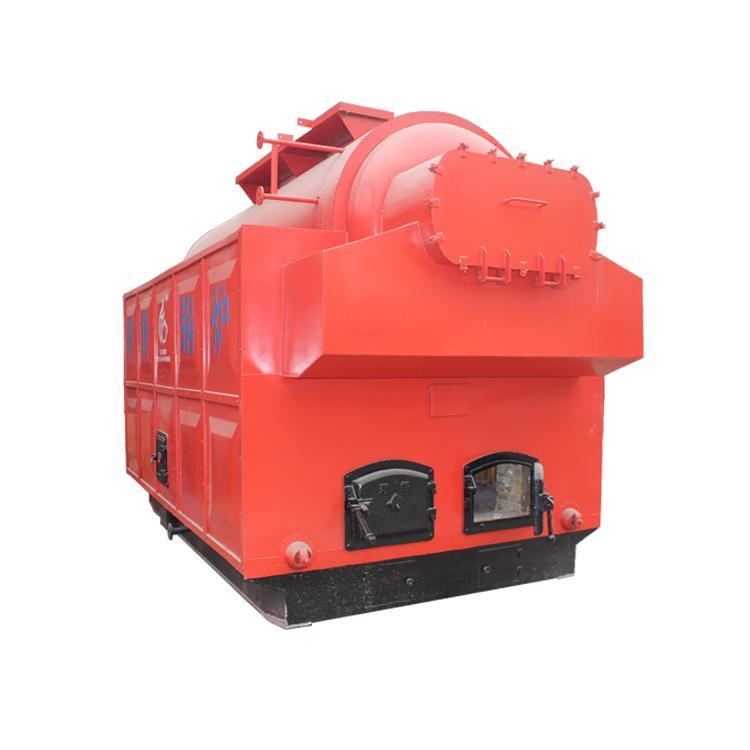



















Shandong Zhongjie Special Equipment (formerly Heze Boiler Factory Co., Ltd.) was established in 2001, located at No. 2218 Jinnan Road, Development Zone, Heze City, with a registered capital of 50 million yuan and total assets of 500 million yuan. The company has 7 business centers: boilers, deep-freezing containers, pressure vessels, central air conditioning, engineering installation, international trade, and Internet of Things. It has three factory sites on Jinnan Road, East Changjiang Road, and Bohai Road, covering a total area of 200,000 square meters, with the main workshop spanning 83,000 square meters. It currently employs 710 people, including 247 engineers and technicians, and 82 intermediate-level technical personnel. In December 2016, it was recognized as a "High-tech Enterprise" by the Science and Technology Department. In June 2021, it was identified as a "Specialized and New Enterprise in Shandong Province" by the Ministry of Industry and Information Technology. In June 2022, it was recognized as a "Gazelle Enterprise in Shandong Province" and in August 2022, it was identified as a "Specialized and New Small Giant Enterprise" by the Ministry of Industry and Information Technology.
When using biomass boilers, it is important to adhere to the following safety precautions:
Familiarize with the Operation Manual: Before using the biomass boiler, carefully read and familiarize yourself with the operation manual to understand the boiler's usage, precautions, and safety requirements.
Regular inspections and maintenance: Conduct regular checks of all components and equipment of the biomass boiler to ensure proper operation. Promptly clean the combustion chamber, flue, and ash, to keep the boiler clean and unobstructed.
Note fuel quality: Select biomass fuel, avoiding wet, contaminated, or harmful fuel. Ensure the fuel quality meets requirements to prevent damage to the boiler and the environment.
Control the combustion process: Reasonably control the combustion process of biomass boilers to ensure stable and efficient burning. Adhere to proper ignition and shutdown procedures to avoid incomplete combustion or overheating issues.
Prevent overheating and overpressure: Monitor and control the temperature and pressure of biomass boilers to avoid overheating and overpressure. Install and maintain safety valves, pressure gauges, and thermometers, etc., to ensure the safe operation of the boiler.
Prevent Gas Leaks: Regularly inspect and maintain the gas pipelines and valves of biomass boilers to ensure good sealing and prevent gas leaks. In case of gas leaks, take immediate action to stop operation and repair it promptly.
Prevent Fires: Keep biomass boiler areas clean and tidy, and prevent堆积 and ignition sources from approaching the boiler. Install and maintain fire alarms and extinguishing equipment to enhance fire safety.
Training and Awareness Enhancement: Conduct necessary training for operators to improve their operational skills and safety awareness regarding biomass boilers. Ensure operators are aware of and comply with relevant safety regulations and operational procedures.
Here are some safety tips for biomass boiler operation. Adhering to these tips ensures the safe operation of biomass boilers.
Possible reasons for incomplete combustion of fuel in biomass boilers may include the following aspects:
Inappropriate combustion conditions: If the combustion temperature is too low, oxygen supply is insufficient, or combustion time is inadequate during the combustion process, it can lead to incomplete fuel combustion. This may be due to improper burner settings, an irrational ventilation system, or inaccurate adjustment of combustion parameters.
Fuel Quality Issue: The quality of the fuel can also affect the combustion efficiency. If the fuel contains an excessive amount of moisture, impurities, or ash, it can impact the calorific value and combustion performance during the combustion process, leading to incomplete combustion.
Improper combustion chamber design: The design of the combustion chamber significantly affects the combustion efficiency. An improperly structured combustion chamber, insufficient combustion space, or uneven airflow distribution within the chamber can all lead to incomplete fuel combustion.
Combustion System Failure: A malfunction in the combustion system can also lead to incomplete fuel combustion. For instance, issues such as a clogged nozzle in the burner, a faulty ignition system, or abnormal operation of the combustion fan can all affect the combustion efficiency.
Lack of maintenance and cleaning: Regular maintenance and cleaning of biomass boilers are crucial for maintaining combustion efficiency. If there is ash accumulation, slagging, or blockages inside the boiler, it can affect the normal combustion of fuel, leading to incomplete combustion.
To address the issue of incomplete fuel combustion, the following measures can be taken: Adjust combustion parameters to ensure appropriate combustion temperature, oxygen supply, and burn time; select the correct amount of fuel and ensure that fuel storage and handling meet requirements; perform regular maintenance and cleaning of the boiler to maintain normal operation of the combustion system. Additionally, depending on the specific situation, it may be necessary to consult with boiler maintenance personnel or manufacturers for more detailed and accurate solutions.
Biomass boilers can achieve energy conservation and emission reduction through the following methods:
Combustion Technology: The biomass boiler employs combustion technologies such as fluidized bed combustion and particle combustion, which enhance combustion efficiency and ensure more thorough fuel utilization, thereby reducing energy waste.
Heat Recovery Utilization: Biomass boilers generate a large amount of heat energy during the combustion process, which can be recovered and utilized through a flue gas waste heat recovery system. For instance, by using a flue gas waste heat boiler or a flue gas heat exchanger, the heat energy in the flue gas can be converted into hot water, steam, or other forms of heat energy, thus improving energy utilization efficiency.
Control combustion parameters: Biomass boilers can achieve optimal combustion performance by controlling parameters such as combustion temperature and oxygen supply. Reasonable combustion parameters can enhance combustion efficiency, reduce fuel consumption, and decrease emissions.
Fuel Quality Control: Selecting biomass fuel in bulk with high moisture content and low ash content can enhance combustion efficiency and reduce the generation of ash and pollutants.
Regular maintenance and cleaning: Regularly maintain and clean biomass boilers to remove ash and carbon buildup from the combustion chamber and flue, ensuring normal operation and combustion of the boiler.
Our control system: Utilizes an automatic control system that can monitor and adjust the operational status of biomass boilers in real-time, ensuring the stability of the combustion process.
Through these measures, biomass boilers can achieve energy conservation and emission reduction, enhance energy utilization efficiency, decrease carbon emissions and the generation of pollutants, and be more environmentally friendly.
When selecting an appropriate atmospheric pressure hot water boiler, consider the following factors:
Heating Area: First, determine the size of the area that requires heating, which will decide the heat power of the required hot water boiler. Generally, the larger the heating area, the greater the required heat power.
Thermal Load Calculation: Conduct a thermal load calculation, taking into account factors such as the insulation performance of the heating area, indoor temperature requirements, and external climatic conditions to determine the required thermal power. You may request a thermal load calculation to ensure the selected hot water boiler meets the heating needs.
Fuel Type: Atmospheric pressure hot water boilers can use various fuels such as gas, oil, etc. Choose the appropriate fuel type based on the local fuel supply and cost considerations.
Boiler Efficiency: Focus on the energy efficiency of hot water boilers and choose products with higher efficiency. High-efficiency hot water boilers can provide better heating effects while reducing energy consumption and operating costs.
Boilers and Quality: Opt for hot water boilers produced by reputable manufacturers to ensure reliable product quality and comprehensive after-sales service.
Safety and Environmental Protection: Focus on the safety and environmental performance of hot water boilers, selecting products with safety protection features and low emissions.
Budget Consideration: Select a suitable hot water boiler based on budget constraints. In addition to the purchase cost, consider the subsequent operational and maintenance costs.
Considering the above factors, a suitable atmospheric pressure hot water boiler can be chosen to meet heating requirements and achieve good performance in terms of energy efficiency, safety, and environmental protection. It is recommended to consult professionals or hot water boiler experts during the selection process.
Shandong Zhongjie Special Equipment, welcome customers to visit our factory for business talks.
WeChat Official Account

Scan to follow Official Account




















