



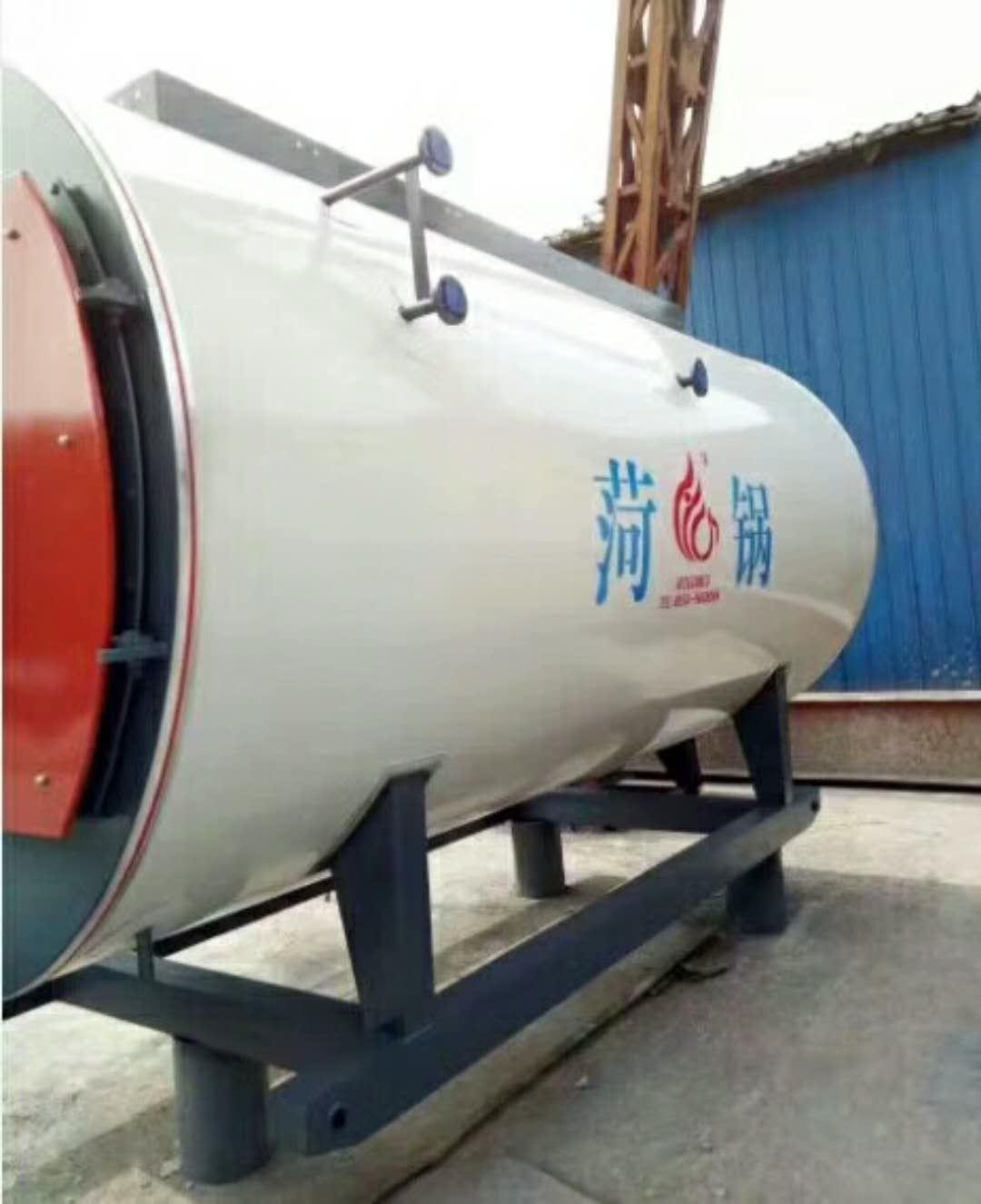



















Shandong Zhongjie Special Equipment's main products include: fuel (gas) boilers, organic heat carrier boilers, biomass boilers, waste heat recovery boilers, and other boiler products; vacuum insulation cryogenic pressure vessels such as LNG tanks, oxygen-nitrogen-argon tanks, and CO2 tanks; pressure vessel products such as denitrification engineering equipment, heat storage and energy storage equipment, and complete chemical equipment; central air conditioning and HVAC equipment such as ground (water) source heat pumps, air source units, water-cooled screw units, and air-cooled modular units. Planned products include large-scale energy centers, LNG transport vehicles, LNG tank containers, and other green energy equipment.
When conducting routine inspections of carbon dioxide storage tanks, follow these steps:
- Visual Inspection: Check for any obvious damage, corrosion, or oil leakage on the tank's exterior. Pay attention to any anomalies in the tank shell, valves, and pipe connections.
- Valve and Pipe Inspection: Verify that the tank's inlet and outlet valves and pipe connections are functioning properly, with no leaks or loose fittings. Ensure valves operate smoothly and reliably.
- Pressure Relief Device Inspection: Check that the tank's pressure relief devices (such as safety valves) are operating correctly. Confirm that the set pressure of the relief devices meets requirements.
- Level Measurement System Inspection: Assess the accuracy and reliability of the level measurement system. Calibrate the level sensors to ensure accurate level measurements.
- Pressure and Temperature Inspection: Check that the tank's pressure and temperature sensors are functioning properly. Verify the accuracy of pressure and temperature measurements.
- Safety Equipment Inspection: Examine the tank's safety equipment, such as safety valves, pressure sensors, and temperature sensors, to ensure they are working correctly. Confirm that their set parameters meet requirements.
- Fire Protection Equipment Inspection: Ensure that fire protection equipment around the tank is in good condition and check that fire extinguishers, sprinkler systems, etc., are functioning properly.
- Liquid and Gas Quality Inspection: Confirm that the quality of the carbon dioxide liquid and gas in the tank meets specifications, with no impurities or contaminants.
- Documentation and Reporting: Record the date of inspection, contents of the inspection, identified issues, and measures taken. Submit inspection reports to relevant departments or management as needed.
- The above steps are general guidelines for routine inspections of carbon dioxide storage tanks. Specific procedures should be adapted to the tank's characteristics and requirements. When conducting inspections, follow relevant safety operating procedures and have trained personnel perform the operations.
The reasons for not leaving a CO2 storage tank empty for extended periods are mainly as follows:
1. Safety Risks: CO2 is a high-pressure gas that remains in a liquid state only when maintained at a certain pressure within the tank. Releasing CO2 from the tank into the atmosphere over a long period can lead to a decrease in tank pressure, potentially causing structural failure or explosions, posing safety hazards.
2. Resource Wastage: CO2 is a valuable resource with wide applications in industries and other sectors. Leaving the CO2 storage tank empty for extended periods is a waste of resources and goes against the principles of sustainable development.
3. Environmental Impact: CO2 is a greenhouse gas, and releasing it into the atmosphere over a long period increases the concentration of CO2 in the atmosphere, exacerbating climate change and environmental issues.
Therefore, to ensure safety, conserve resources, and protect the environment, CO2 storage tanks should be used and managed in accordance with specified procedures and requirements, avoiding long-term emptiness. When CO2 in the tank is no longer needed, appropriate disposal methods should be employed, such as recycling, reuse, or safe discharge.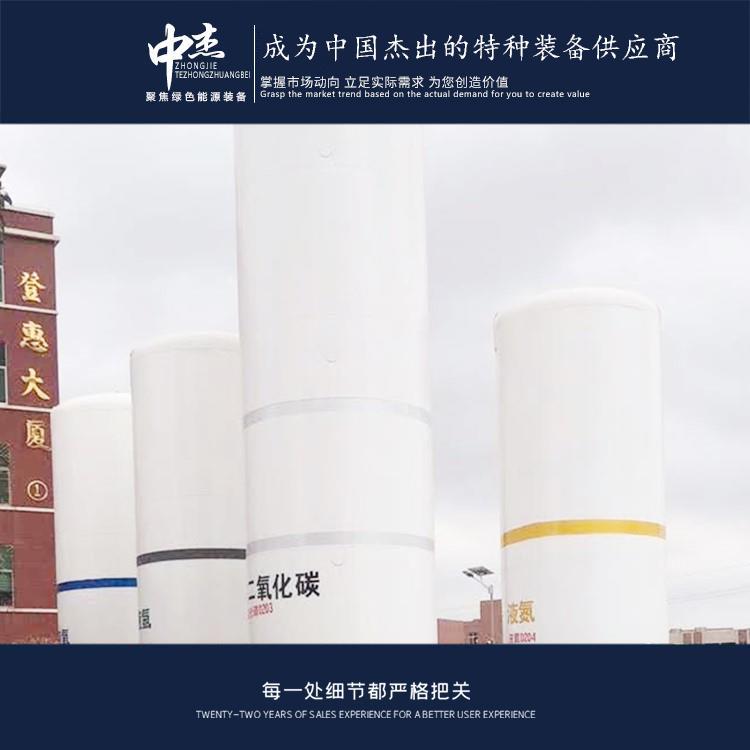
When cooling carbon dioxide storage tanks, be mindful of the following points and familiarize yourself with the basic steps of the cooling process:
Points to Note:
- Safety: Pay attention to safety during the cooling process to ensure the safety of operators and the surrounding environment. Adhere to relevant safety operation procedures and standards, and use appropriate personal protective equipment.
- Equipment Selection: Choose the appropriate cooling equipment and tools, such as cooling media (e.g., liquid nitrogen), coolers, and cooling systems. Select the suitable cooling equipment based on the tank's size and requirements.
- Temperature Control: Control the temperature during the cooling process to avoid overcooling or insufficient temperature. Determine the appropriate cooling temperature range based on the tank's design requirements and operating conditions.
Cooling Process Analysis:
- Preparations: Ensure there are no residual gases or impurities inside the tank to avoid affecting the cooling effect. Check the tank's sealing and the operation of the safety valve.
- Cooling Media Injection: Inject the cooling media (e.g., liquid nitrogen) into the tank to lower its temperature. Control the injection speed and quantity during the process to avoid over-injection leading to excessive pressure.
- Cooling Time: Determine the cooling time based on the tank's size and requirements. The cooling time typically needs to be long enough to ensure the carbon dioxide inside the tank is fully cooled and liquefied.
- Temperature Monitoring: Regularly monitor the tank's temperature during the cooling process to ensure it remains within the appropriate range. Use temperature sensors or infrared thermometers for monitoring.
- Cooling Completion: The cooling process is complete when the tank reaches the predetermined cooling requirements. At this point, the carbon dioxide inside the tank should be in a liquid state.
It should be noted that the specific cooling process and steps may vary depending on different tank designs and usage scenarios. When performing cooling operations, follow relevant safety operation procedures and standards to ensure safety and effectiveness.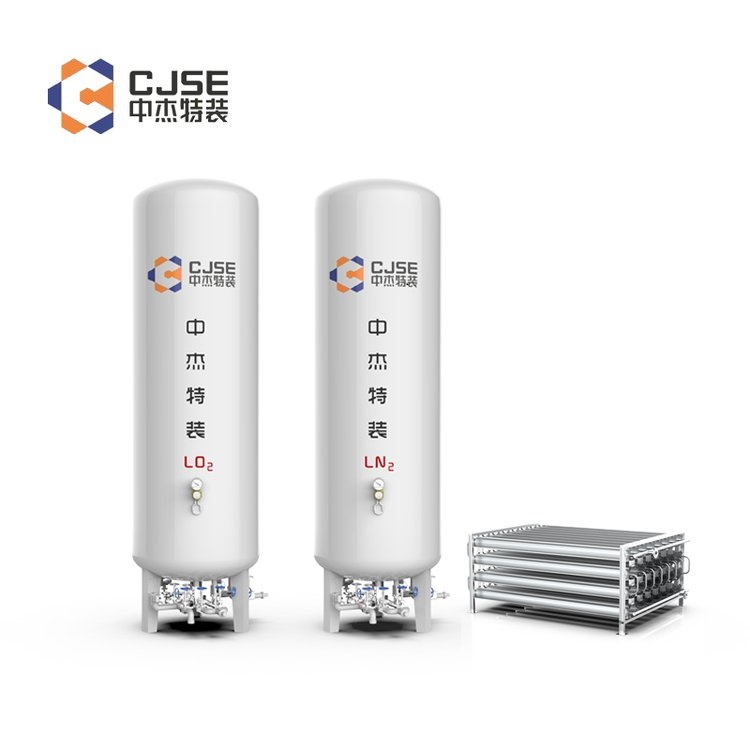
A Carbon Dioxide Storage Tank Pressure Maintenance System is designed to maintain the internal pressure of a carbon dioxide storage tank. Since carbon dioxide is a gas at room temperature, it needs to be compressed into a liquid form for increased storage density. The primary function of the pressure maintenance system is to monitor and adjust the pressure inside the tank, ensuring that the CO2 remains within a safe and stable pressure range. The system typically consists of the following components:
- Pressure Sensors: Installed inside the tank to monitor pressure in real-time and transmit pressure signals to the control system.
- Control System: Receives signals from the pressure sensors and controls them based on pre-set pressure ranges. When the tank's pressure exceeds or falls below the set range, the control system activates the appropriate control measures.
- Pressure Regulating Valve: Adjusts the pressure inside the tank according to the control system's instructions. When pressure is too high, the valve opens to release some gas, reducing the pressure. When pressure is too low, the valve closes to prevent further gas release, increasing the pressure.
- Pressure Reserve Device: Usually a pressure vessel used to store extra gas for additional pressure support as needed. When the tank's pressure drops, the reserve device releases gas to maintain the tank's pressure.
Through the coordinated work of these components, the Carbon Dioxide Storage Tank Pressure Maintenance System ensures that the pressure inside the tank remains within a safe and stable range, which is crucial for the tank's normal operation and safety.
Our company attaches great importance to technological innovation and R&D design, boasting one municipal-level enterprise technology center in Heze City. We have established testing facilities for non-destructive testing, physical and chemical testing, welding testing, hydrostatic testing, and more. We are equipped with over 600 instruments and equipment, including CNC machine tools, X-ray flaw detectors, digital ultrasonic flaw detectors, mechanical property testing machines, chemical analyzers, spectrometers, tensile testing machines, plasma welding machines, and more. The key products and technologies we have developed, such as temperature and pressure vessel welding, biomass boiler emission reduction, and waste heat recovery, have successively been selected for several Shandong Province Science and Technology Innovation Projects, key provincial projects, and Heze City Innovation and Excellence Projects. We have累计 obtained 27 authorized utility model patents, 16 authorized invention patents, participated in drafting 2 standards, 2 industry standards, and registered 15 trademarks. Our technical team, in collaboration with Professor Yijiang Li of Shandong University, has jointly developed deep cryogenic container processing technology, utilizing the international plasma arc + filler wire tungsten inert gas arc welding (PAW-GTAW) technology. The provincial-level scientific and technological achievement assessment has determined that the technology level in deep cryogenic container manufacturing has reached an international standard. Choose ZJ Special Equipment, and let's create brilliance together!
WeChat Official Account

Scan to follow Official Account




















