



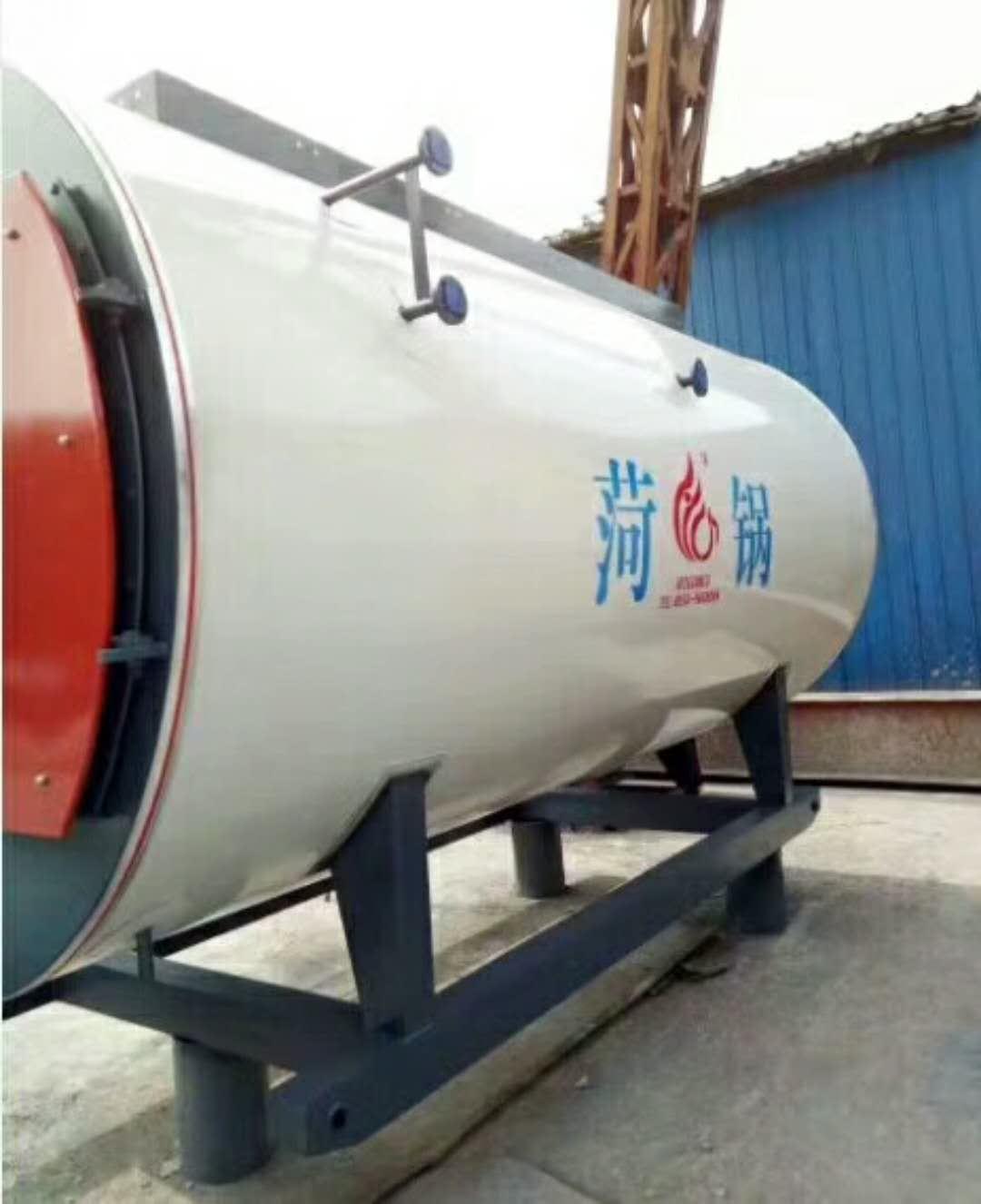
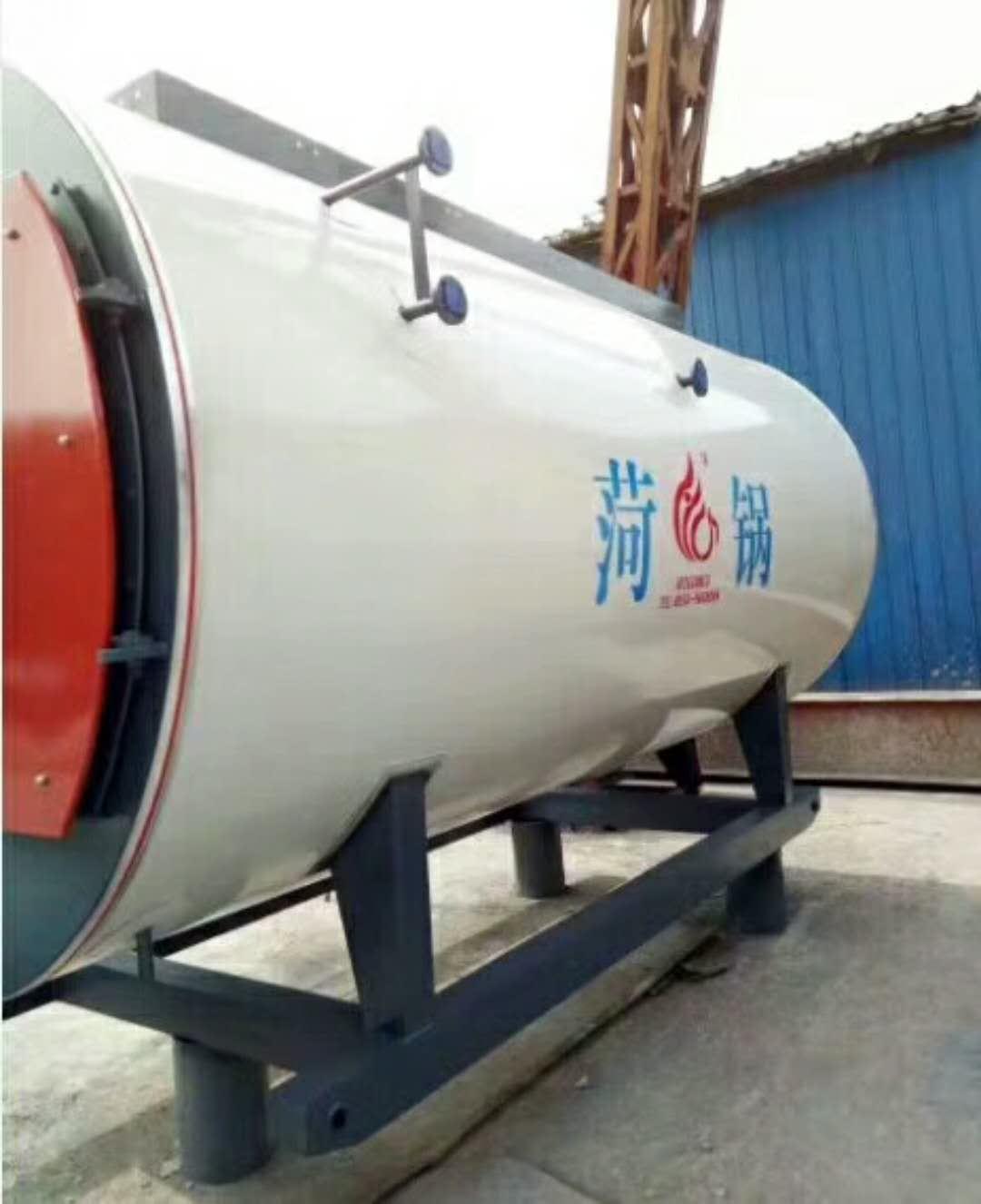



















Shandong Zhongjie Special Equipment (formerly Heze Boiler Factory Co., Ltd.) holds an A-grade boiler manufacturing license, an A2-grade pressure vessel manufacturing license, an A2-grade pressure vessel design license, a B-grade boiler installation license, and GB2/Class, GC2/Class pressure pipeline installation licenses, as well as a mechanical and electrical equipment installation contracting qualification. It is a member of the China Boiler and Water Treatment Association, the China Chemical Equipment Association, and the council unit of the Shandong Equipment Manufacturing Association. The company has also passed the ISO9001 Quality Management System, ISO14001 Environmental Management System, OHSAS18001 Occupational Health and Safety Management System certifications, and the American ASME/U2 certification.
When selecting the pedestal for a liquid argon tank, consider the following factors:
Load Capacity: The support must be capable of bearing the weight of the liquid argon tank. Select a support with adequate load capacity based on the tank's volume and dimensions. Typically, the weight of the liquid argon tank is specified in the design specifications, allowing for the determination of the support's load capacity.
Stability: The support must provide adequate stability to ensure the tank does not tilt or sway during operation. The design of the support should consider the tank's center of gravity and its changes to provide stable support.
Corrosion Resistance: Liquid argon is both low-temperature and corrosive, so the support material should possess excellent corrosion resistance to prevent corrosion and damage. Common support materials include stainless steel and aluminum alloys.
Thermal Insulation: Liquid argon storage tanks generally require thermal insulation. The supports should possess certain thermal insulation properties to reduce heat transfer and the evaporation of liquid argon. The design of the supports should consider the installation and protection of the insulation layer.
Installation and Maintenance: The bracket should feature ease of installation and maintenance, facilitating the installation and routine maintenance of the tank.
When selecting the support for a liquid argon tank, it's advisable to consult with engineers or suppliers. Choose an appropriate support based on the specific tank requirements and usage environment. At the same time, adhere to relevant design specifications and safety standards to ensure the quality and reliability of the support.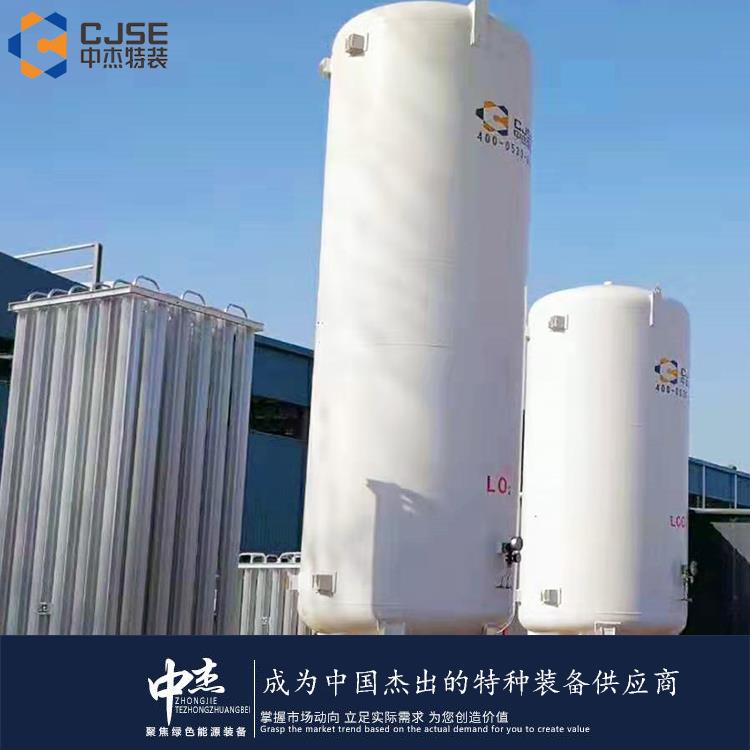
Chongjie Special Equipment is a company specializing in the manufacturing of low-temperature liquid storage tanks. They offer a range of tanks in various specifications and capacities, including liquid nitrogen, liquid oxygen, and liquid argon tanks.
The Zhongjie liquid storage tank is constructed with high-quality materials and advanced manufacturing techniques to ensure its strength and sealing integrity. The internal design incorporates special insulation materials and structure, effectively reducing liquid evaporation losses.
The medium-temperature liquid storage tank from Zhongjie is characterized by the following features:
High safety: Tanks are made of materials with excellent pressure resistance and sealing properties, capable of safely storing low-temperature liquids.
Low evaporation loss: The insulation materials and structural design used inside the tank effectively reduce the evaporation loss of the liquid, enhancing the tank's economic efficiency.
Multiple specifications and capacity options: ZJET offers a variety of specifications and capacities for low-temperature liquid storage tanks to meet different customer needs.
Customized Design: According to the specific requirements of our clients, Zhongjie can offer customized design and manufacturing services to cater to various application scenarios.
Volume Manufacturing Process: Zhong Jie's equipped manufacturing facilities and technical team ensure the quality and performance of the storage tanks.
In summary, ZJET's低温 liquid storage tanks offer high safety, low evaporation loss, and a wide range of specifications, making them suitable for storage and transportation needs of low-temperature liquids.
Consider the following aspects to distinguish the quality of liquid nitrogen tanks:
Material: Liquid nitrogen tanks are typically made from high-strength, corrosion-resistant materials such as stainless steel or aluminum alloy. These materials offer excellent corrosion resistance and mechanical strength, ensuring long-term stable operation of the tank.
Sealability: The liquid nitrogen tank should have good sealing performance, effectively preventing the leakage of liquid nitrogen. The valves, pipe connections, and other parts of the tank should be reasonably designed to ensure reliable sealing.
Insulation: The liquid nitrogen tank should have excellent insulation properties to minimize evaporation loss of liquid nitrogen. The insulation layer of the tank should use materials like polyethylene foam to reduce heat conduction and evaporation loss.
Safety: The liquid nitrogen tank should have excellent safety performance, including the installation of safety valves, pressure gauges, and other safety equipment, as well as features such as fire and explosion prevention. The design and manufacturing of the tank should comply with relevant safety standards and regulations.
Service Life: Liquid nitrogen tanks generally have a long service life, capable of withstanding prolonged use and transportation. The manufacturer and reputation are also significant factors in evaluating the service life.
Price and After-Sales Service: The price of liquid nitrogen tanks should be reasonable, and good after-sales service is provided. Choosing manufacturers or suppliers with a good reputation and excellent after-sales service ensures the quality of the products and technical support.
Considering these factors, one can distinguish the quality of liquid nitrogen tanks. When selecting a liquid nitrogen tank, it is recommended to choose one that meets the requirements based on actual needs and usage environment to ensure safe and reliable storage.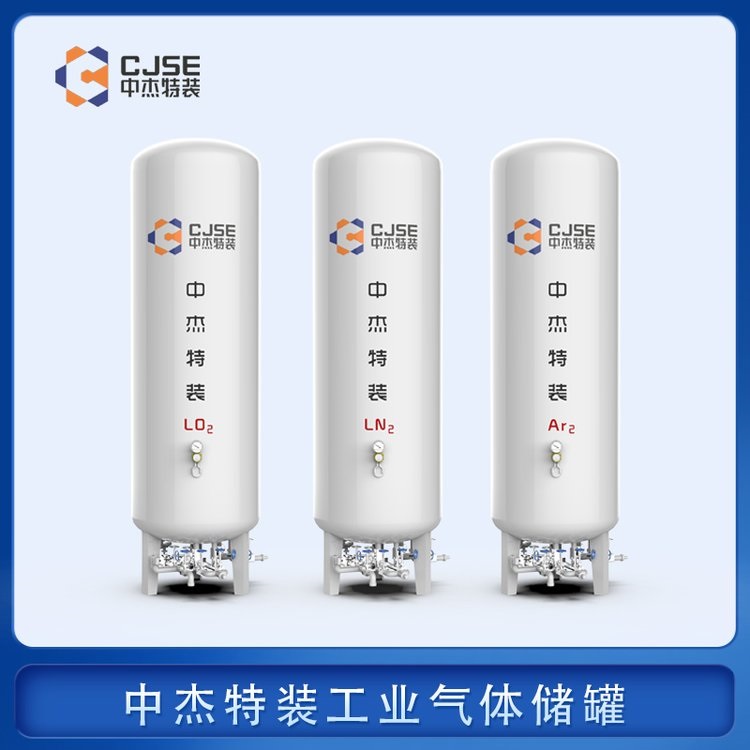
When using a 50-cubic-liter liquid oxygen tank, the following safety concerns should be noted:
Tank Pressure Control: Ensure the liquid oxygen pressure within the tank is consistently within a safe range. Monitor and control the tank's pressure to avoid risks posed by excessive or low pressure.
Leakage and Fire Prevention: Regularly inspect the tank and associated pipelines for sealing integrity to prevent oxygen liquid leakage. Oxygen liquid is highly flammable and fire prevention measures must be taken to ensure there are no ignition sources around the tank.
Explosion-proof Measures: Oxygen in the liquid oxygen storage tank may cause an explosion upon contact with flammable materials. Ensure there are no flammable items around the tank and implement explosion-proof measures, such as explosion-proof electrical equipment and static grounding.
Safety Valves and Exhaust Systems: Storage tanks should be equipped with safety valves and an exhaust system to prevent overpressure. Ensure the proper operation of the safety valves and the unobstructed flow of the exhaust system.
Routine Maintenance and Inspection: Conduct regular maintenance and inspections of the storage tanks, including cleaning, coating protection, and anti-corrosion treatments. Ensure the structural integrity and safety of the tanks.
Safety Operation and Training: Operators must undergo relevant safety training, familiarize themselves with the safe operation procedures for liquid oxygen tanks, and understand emergency response measures. Adhere to correct operational steps to ensure safe operation.
Environmental Monitoring: Regularly monitor environmental parameters such as oxygen concentration and temperature around the storage tank to ensure safety.
Emergency Preparedness: Develop an emergency response plan, including measures for leaks, fires, and explosions. Equip with appropriate emergency and firefighting equipment to handle unforeseen incidents.
Above are some safety issues to be aware of when using a 50-cubic-liter liquid oxygen tank. To ensure safety, it is recommended to follow relevant safety regulations and operation guidelines, and seek assistance and guidance from experts when necessary.
Shandong Zhongjie Special Equipment, welcome customers to visit our factory for business discussions.
WeChat Official Account

Scan to follow Official Account




















