


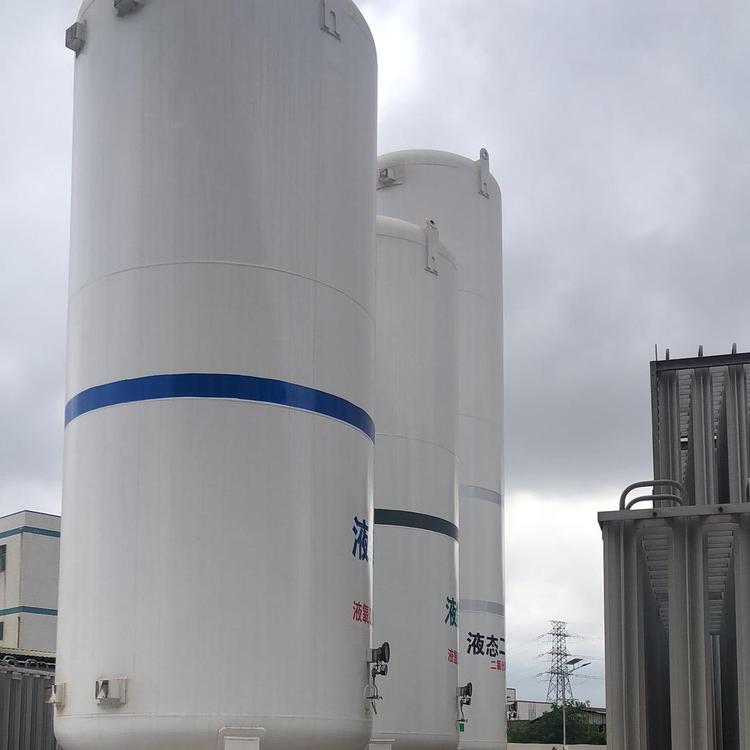



















Shandong Zhongjie Special Equipment's main products include: fuel (gas) boilers, organic heat carrier boilers, biomass boilers, waste heat boilers, and other boiler products; vacuum insulation cryogenic pressure vessels such as LNG tanks, oxygen-nitrogen-argon tanks, and CO2 tanks; pressure vessel products such as denitrification engineering equipment, heat storage and energy storage equipment, and complete chemical equipment sets; central air conditioning and HVAC equipment like ground (water) source heat pumps, air source units, water-cooled screw units, and air-cooled modular units. Planned products include large-scale energy centers, LNG transport vehicles, LNG tank containers, and other green energy equipment.
To prevent dangers associated with liquid oxygen tanks, the following precautions can be taken:
Safety Operation and Management: Establish and implement stringent safety operation and management systems, including proper use of storage tanks, operational procedures, and safety training. Ensure that operators possess the necessary safety awareness and skills, adhere to operational procedures, and minimize operational errors and the likelihood of accidents.
Regular inspections and maintenance: Conduct regular checks and maintenance on liquid oxygen tanks, including visual inspections, pressure tests, and leak detection. Identify and address tank issues promptly to ensure safety and reliability.
Safety devices and protective equipment: Tanks should be equipped with necessary safety devices, such as pressure relief valves, level alarms, and protective equipment like firewalls and explosion-proof devices. These devices and equipment can take timely measures in abnormal situations to ensure the safety of the tank.
Fire Prevention Measures: Liquid oxygen has a high oxygen content, which is prone to causing fires. Therefore, fire prevention measures such as fire walls and fire extinguishers should be set up around the storage tank to prevent the spread and expansion of fires.
Leakage Control and Emergency Response Plan: Establish a liquid oxygen tank leakage control and emergency response plan, including leakage control measures, emergency response procedures, and evacuation plans. In the event of a leakage incident, the plan allows for prompt action to control the leak and ensure personnel safety.
Training and Awareness Enhancement: Conduct regular safety training for operators of liquid oxygen storage tanks to enhance their safety awareness and emergency response capabilities. Strengthen safety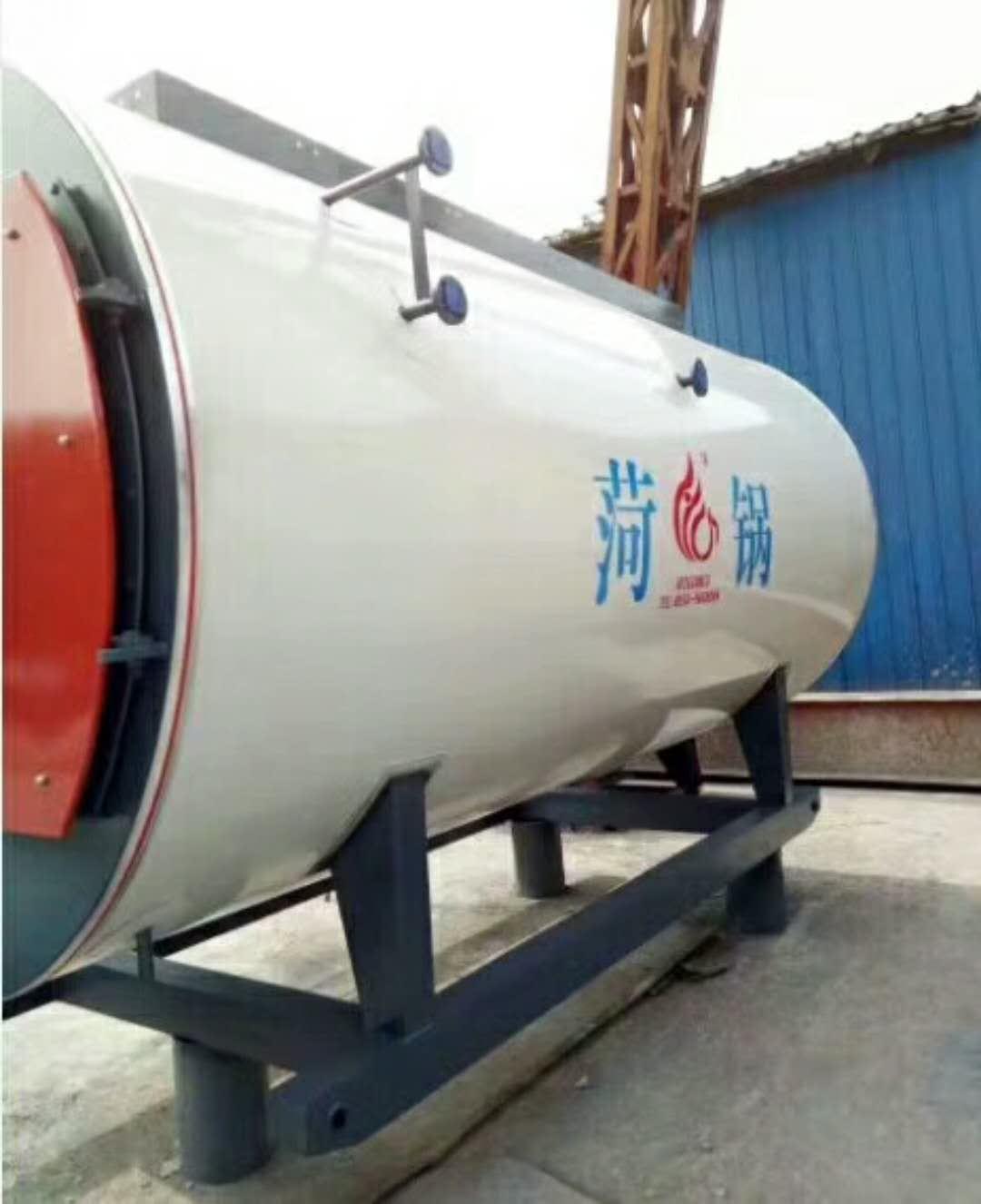
To safely operate a liquid oxygen storage tank, attention should be paid to the following aspects:
Training: Operators of liquid oxygen tanks must undergo training to understand the properties of liquid oxygen, safety operating procedures, and emergency response measures. Only trained personnel are authorized to operate liquid oxygen tanks.
Safety Operating Procedures: Establish and adhere to the safety operating procedures for liquid oxygen tanks, including proper operational procedures, protective measures, and emergency response plans. Ensure operators follow the procedures to minimize accident risks.
Equipment Inspection and Maintenance: Regularly inspect the condition of liquid oxygen tanks and related equipment, including valves, pipes, pressure gauges, etc. Ensure the equipment is in perfect condition without any damage, and promptly repair or replace any damaged parts.
Leakage Control: Equipped with leak detection and alarm systems to promptly identify and control leaks in liquid oxygen storage tanks. Upon detection of a leak, immediate action should be taken to contain the source and proceed with repairs.
Fire Prevention Measures: Liquid oxygen has a high oxygen content, which is prone to causing fires. Measures such as setting up fire barriers around liquid oxygen storage tanks and using fire-retardant coatings are taken to prevent fires from occurring and spreading.
Static Protection: Electrostatic buildup in liquid oxygen tanks may cause sparks, increasing the risk of fire. Measures such as using static-conductive materials and anti-static equipment are taken to reduce the accumulation and release of static electricity.
Ventilation Requirements: Ensure adequate ventilation within the enclosed space of the liquid oxygen storage tank to expel gases produced by the evaporation of liquid oxygen. Avoid excessive oxygen concentration to minimize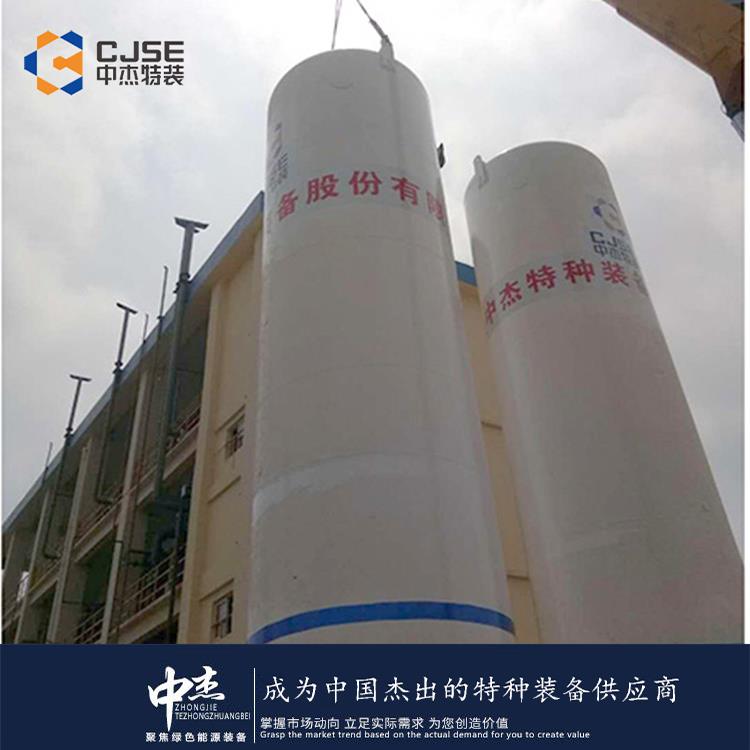
A liquid oxygen tank is a device used for storing liquid oxygen. Liquid oxygen is the liquid form obtained by cooling oxygen below its boiling point and is commonly used in fields such as medical, industrial production, and equipment. Liquid oxygen tanks are typically made of high-strength materials like stainless steel to ensure they can withstand the low temperatures and high pressures of liquid oxygen. The interior of the tank usually has an insulating layer to minimize evaporation of the liquid oxygen and maintain its低温 state. The design and manufacturing of liquid oxygen tanks must consider safety and reliability to prevent leaks and explosions. When using liquid oxygen tanks, strict operational procedures and safety standards must be followed to ensure the safety of personnel and equipment. The development and manufacturing of liquid oxygen tanks are carried out by engineers and technical teams, involving knowledge and technology from various fields such as materials science, mechanical engineering, and chemical engineering. Different manufacturers may use different design and manufacturing methods to meet the needs and application scenarios of different users.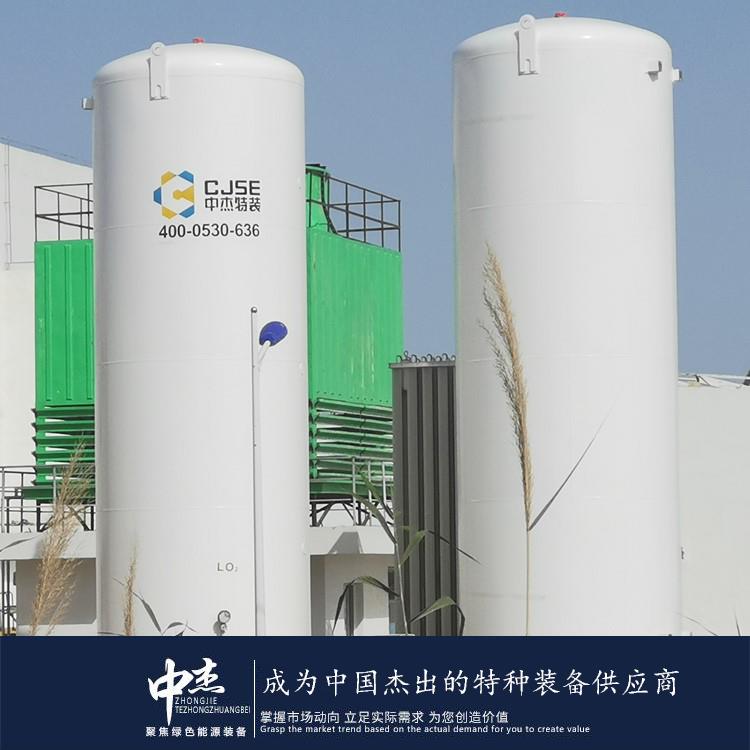
When selecting low-temperature liquefied natural gas (LNG) storage tanks, the following factors should be considered:
Storage Tank Types: Common LNG storage tank types include vertical fixed-roof tanks, spherical tanks, and horizontal tanks. Choose the appropriate tank type based on specific application requirements and site conditions.
Tank Capacity: The tank capacity is determined based on the storage requirements for LNG and the estimated usage quantity. The tank capacity should meet the anticipated storage period and supply demands.
Material Selection: LNG tanks typically use low-temperature steel or nickel alloy materials to ensure corrosion resistance and strength in low-temperature environments. Select the appropriate material based on the tank's design pressure and temperature requirements.
Safety Performance: LNG tanks should have excellent safety features, including seismic resistance, fire resistance, and leak control capabilities. The tanks must comply with relevant safety standards and regulations, such as API 620, EN 1473, and others.
Maintenance and Inspection: Consider the maintenance and inspection requirements for the storage tank, including internal cleaning, coating protection, and corrosion prevention measures. The design of the tank should facilitate maintenance and inspection operations to ensure long-term reliable operation.
Environmental Impact: When selecting LNG tanks, the impact on the surrounding environment must be considered. The layout and design of the tanks should comply with environmental protection requirements, minimizing noise, vibration, and gas emissions to reduce environmental impact.
Cost-effectiveness: Considering the investment, operational, and lifecycle costs of the tank, choose a tank with a favorable cost-performance ratio.
需要注意的是,选型LNG储罐时应遵循相关的和地区的法规、标准和规范。此外,咨询的工程师或储罐制造商,以获取更详细和准确的选型建议。
Shandong Zhongjie Special Equipment, welcome customers to visit our factory for cooperation discussions.
WeChat Official Account

Scan to follow Official Account




















