



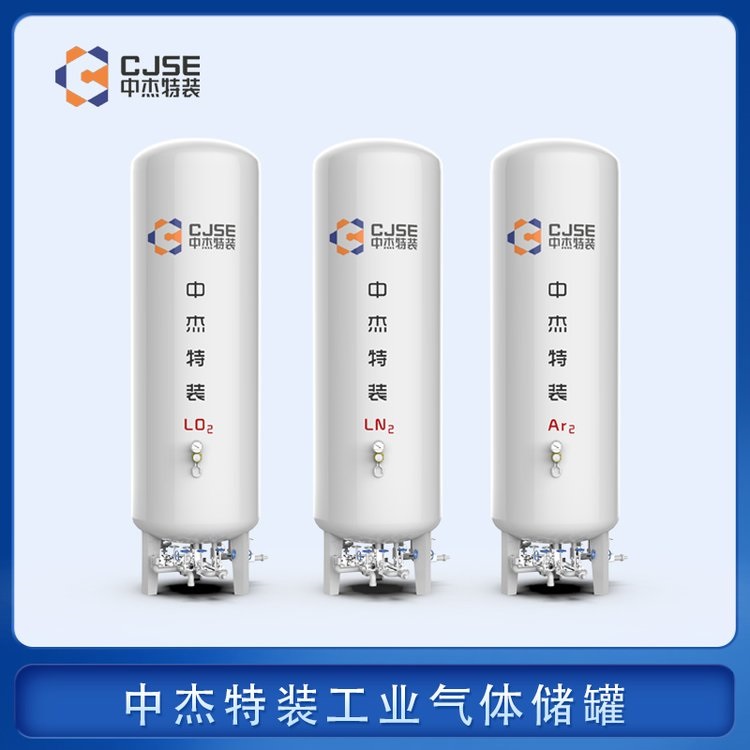



















Shandong Zhongjie Special Equipment (formerly Heze Boiler Factory Co., Ltd.) holds an A-grade boiler manufacturing license, A2-grade pressure vessel manufacturing license, A2-grade pressure vessel design license, B-grade boiler installation, and GB2/Class, GC2/Class pressure pipeline installation licenses, as well as equipment and machinery installation contracting qualifications. It is a member of the China Boiler and Water Treatment Association, the China Chemical Equipment Association, and the director unit of the Shandong Equipment Manufacturing Association. The company has also passed the ISO9001 Quality Management System, ISO14001 Environmental Management System, OHSAS18001 Occupational Health and Safety Management System certifications, and the American ASME/U2 certification.
The spacing rules for carbon dioxide storage tanks are typically dictated by relevant safety codes and standards, with specific requirements varying based on factors like location, use, and tank capacity. Below are some common spacing regulations:
- Small Spacing Between Tanks: Generally, the small spacing between adjacent tanks should comply with applicable safety codes and standards. This distance ensures that if one tank leaks or has an incident, the adjacent tank is not affected.
- Spacing Between Tanks and Buildings: The spacing between tanks and buildings must also adhere to relevant codes and standards. This distance ensures that buildings are not affected in the event of a tank leak or incident.
- Spacing Between Tanks and Equipment: The spacing between tanks and other equipment (such as pipelines, pumps, etc.) must also meet the required codes and standards. This distance ensures the proper operation and maintenance of the equipment.
- Safety and Evacuation Routes: Adequate safety and evacuation routes should be provided around the tanks for safe撤离 in emergencies.
It's important to note that specific spacing rules may vary depending on different regions and industries. Therefore, when installing and using carbon dioxide storage tanks, it's crucial to refer to local safety codes and standards and consult with experts to ensure compliance with requirements.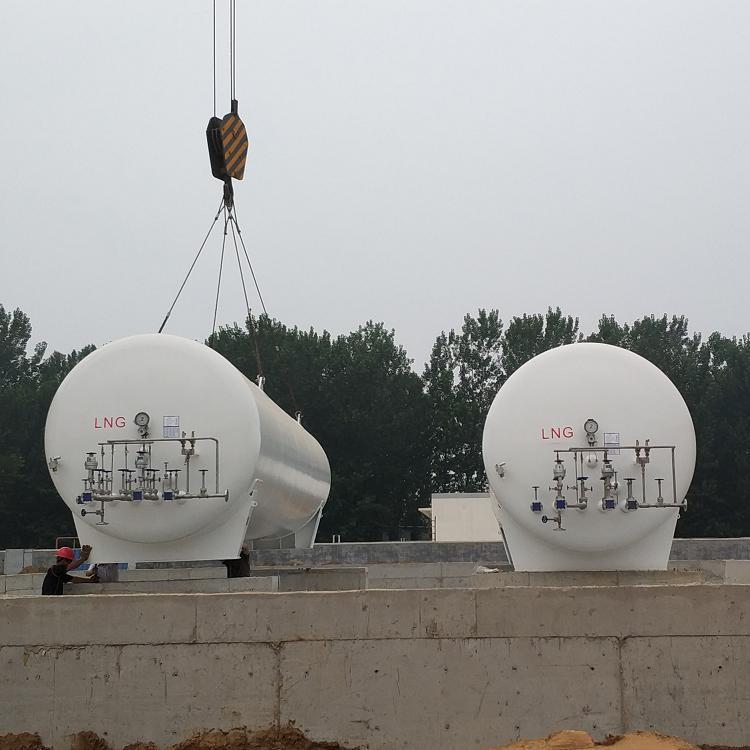
Carbon dioxide is widely used as a protective gas in metal welding processes. Here are the main applications of carbon dioxide in welding:
1. Gas Metal Arc Welding (GMAW): Carbon dioxide is commonly used as the shielding gas in GMAW welding processes. During GMAW welding, the arc generates high temperatures in the welding zone, which can also cause oxidation reactions of oxygen and water vapor, leading to a decrease in weld quality. By injecting carbon dioxide gas into the welding zone, a protective atmosphere is formed, preventing oxygen and water vapor from entering, thus improving the quality and strength of the weld.
2. Mixed Gas Shielding Welding (GMAW): Carbon dioxide is often mixed with other gases (such as argon) to form mixed gas shielding welding. The use of mixed gases can regulate the arc stability, molten pool formation, and weld quality during welding, enhancing the welding effect.
3. Gas Shielded Brazing: Carbon dioxide can also be used in gas shielded brazing processes. During brazing, the carbon dioxide gas provides a protective atmosphere, preventing oxidation and contamination of the brazing zone, ensuring the quality of the brazed joint.
4. Gas Shielded Cutting: Carbon dioxide can also be used in gas shielded cutting processes. In gas shielded cutting, by injecting carbon dioxide gas into the cutting zone, a protective atmosphere is formed, preventing oxidation and contamination of the cutting zone, improving cutting quality and speed.
It should be noted that the application of carbon dioxide in welding processes requires adjustments and optimization based on specific welding materials, methods, and requirements. When using carbon dioxide for welding, it is necessary to follow relevant safety operation procedures and guidelines to ensure the safety and quality of the welding process.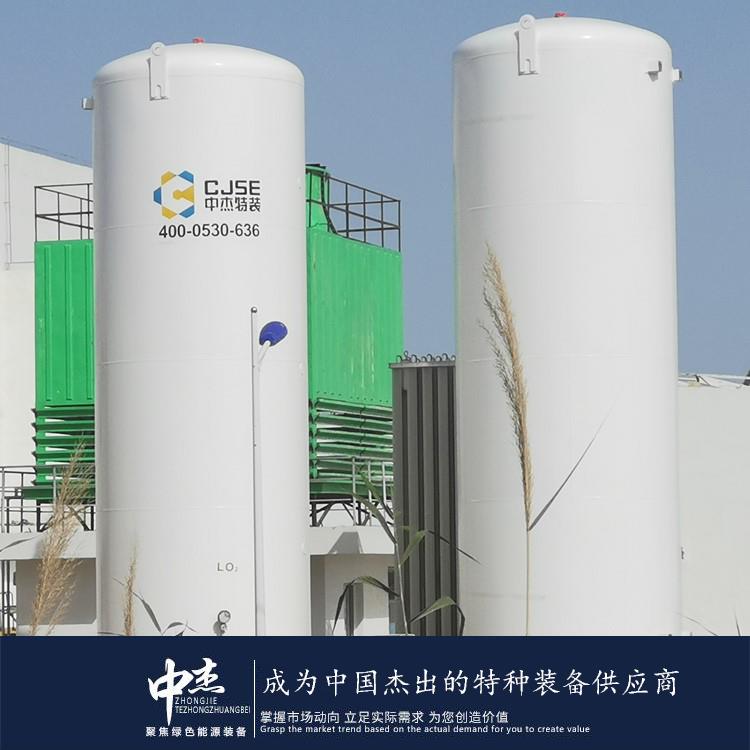
Carbon dioxide storage tanks are equipment used for storing and transporting carbon dioxide (CO2). They are typically sealed containers with specialized design and structure to ensure safe storage and use of CO2. Below are some common information about carbon dioxide storage tanks:
Storage Form: Carbon dioxide is in a gaseous state at room temperature but can be compressed into a liquid under high pressure for easier storage and transportation. Storage tanks for CO2 usually hold liquid CO2.
Storage Pressure: These tanks usually store high-pressure CO2, with pressures generally around 20-25 bar. This high-pressure state helps maintain CO2 in a liquid state.
Storage Capacity: The capacity of carbon dioxide storage tanks can vary depending on requirements, ranging from small sizes of a few thousand liters to large ones of tens of thousands of liters. The capacity choice depends on specific application needs.
Safety: Carbon dioxide is a colorless, odorless gas, but it can be dangerous if inhaled at high concentrations. Therefore, appropriate safety measures such as ventilation and protective gear must be taken when using CO2 storage tanks to ensure the safety of operators.
Application Fields: Carbon dioxide storage tanks are widely used in various industries, including food and beverage, pharmaceutical, fire suppression, and gas supply. They store and supply CO2 to meet different business needs.
It is important to note that the design, manufacturing, and use of carbon dioxide storage tanks must comply with relevant regulations, standards, and safety guidelines. When using the tanks, follow the operation manual and safety guidelines, and cooperate with local regulatory agencies and personnel to ensure the safety and reliability of the tanks.
Carbon dioxide has extensive applications in the field of food freezing. Here are some common uses of carbon dioxide in food freezing:
1. Frozen Food Processing: Carbon dioxide is frequently used in the processing of frozen foods. By exposing the food to liquid carbon dioxide, temperatures can be rapidly reduced, achieving quick freezing. This rapid freezing effectively preserves the quality, texture, and nutritional content of the food.
2. Frozen Storage: Carbon dioxide is also employed in the frozen storage of food. During the storage process, the food is placed in a low-temperature environment, and through the refrigerating effect of carbon dioxide, the temperature of the food is lowered below the freezing point, thereby extending the shelf life of the food.
3. Frozen Transportation: Carbon dioxide plays a crucial role in the frozen transportation of food. By utilizing carbon dioxide freezing technology during transportation, the low-temperature state of the food can be maintained, preventing quality and nutritional loss.
4. Frozen Display: In the food retail industry, carbon dioxide is also used in frozen display cabinets. By injecting carbon dioxide gas into the display cabinet, the low-temperature state of the food can be maintained, showcasing the food while preserving its freshness and quality.
Compared to traditional freezing techniques, carbon dioxide freezing offers advantages such as faster freezing, better freezing quality, and minimal impact on food quality. However, it is important to note that the use of carbon dioxide freezing technology requires safe operation to avoid leaks and potential harm to humans. Therefore, when using carbon dioxide for food freezing, it is necessary to follow relevant safety operation procedures and guidelines.
Zhongjie Special Equipment upholds the grand vision of "realizing employees' dreams, creating value for customers, and striving for the prosperity and strength of our motherland," and is dedicated to the development of the green energy equipment industry. We offer society high-quality products and services at competitive prices!
WeChat Official Account

Scan to follow Official Account




















